 Back
Backlec 19
Study Guide - Smart Notes
 Tailored notes based on your materials, expanded with key definitions, examples, and context.
Animal Viruses: Structure and Replication
Overview of Animal Virus Replication
Animal viruses are a diverse group of infectious agents that replicate within eukaryotic host cells. Their replication cycle involves several distinct steps, each critical for the production of new virions. Understanding these steps is essential for grasping how viruses cause disease and how they differ from bacteriophages (viruses that infect bacteria).
Attachment: The virus binds to specific receptors on the host cell surface.
Entry: The viral genome enters the host cell, often accompanied by uncoating of the capsid.
Synthesis: The host cell machinery is hijacked to replicate the viral genome and synthesize viral proteins.
Assembly: New viral particles are assembled from the synthesized components.
Release: Newly formed virions exit the host cell to infect new cells.
Structural Features of Animal Viruses
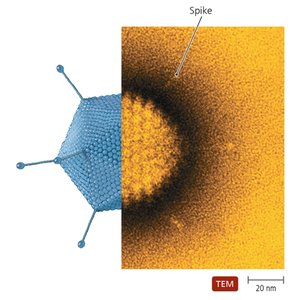
Animal viruses can be enveloped or nonenveloped (naked). Enveloped viruses acquire their membrane from the host cell during budding, while nonenveloped viruses lack this feature. Glycoprotein spikes on the surface of enveloped viruses facilitate attachment to host cells.
Capsid: Protein shell that encases the viral genome.
Envelope: Lipid bilayer derived from the host cell membrane, present in some animal viruses.
Glycoprotein Spikes: Surface proteins that mediate attachment to host cell receptors.
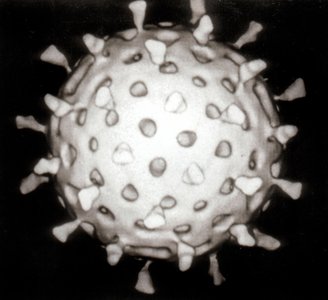
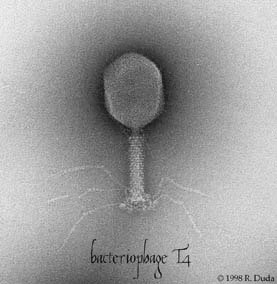
Comparison: Animal Viruses vs. Bacteriophages
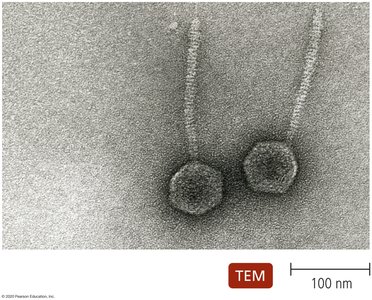
Bacteriophages and animal viruses differ in structure and mechanisms of host cell entry. Bacteriophages often possess tails and tail fibers for attachment and genome injection, while animal viruses use glycoprotein spikes and may enter cells via membrane fusion or endocytosis.
Bacteriophages: Have tails/tail fibers, inject genome through bacterial cell wall.
Animal Viruses: Lack tails, use spikes for attachment, enter via fusion or endocytosis.
Replication Cycle of dsDNA Animal Viruses
Attachment
Attachment is the initial interaction between the virus and the host cell. Animal viruses use glycoprotein spikes to bind to specific receptors on the host cell membrane, determining host specificity and tissue tropism.
Entry
Entry mechanisms differ between bacteriophages and animal viruses. Animal viruses may enter host cells by:
Direct Penetration: Viral genome is injected directly into the cytoplasm.
Membrane Fusion: Viral envelope fuses with the host membrane, releasing the capsid and genome into the cytoplasm.
Endocytosis: The entire virion is engulfed by the host cell, followed by uncoating to release the genome.
Uncoating is the process by which the viral capsid is removed, exposing the viral genome for replication.
Synthesis
During synthesis, the viral genome is replicated and viral proteins are produced using the host cell's machinery. For dsDNA viruses, the genome often enters the nucleus, where transcription and replication occur.
Genome Replication: Host DNA polymerases replicate the viral DNA.
Transcription: Host RNA polymerases transcribe viral genes into mRNA.
Translation: Host ribosomes synthesize viral proteins from viral mRNA.
Assembly
Assembly involves the organization of viral genomes and proteins into new virions. This can occur in the nucleus, cytoplasm, at the plasma membrane, or at organelles, depending on the virus.
Release
Viruses are released from the host cell by two main mechanisms:
Lysis: Nonenveloped viruses cause the host cell to burst, releasing naked virions.
Budding: Enveloped viruses acquire their envelope from the host cell membrane as they exit, often without lysing the cell.
Enveloped viruses such as HIV and influenza use budding, while nonenveloped viruses like papillomaviruses use lysis.
Diseases Caused by dsDNA Viruses
Major dsDNA Virus Families and Associated Diseases
Several important human diseases are caused by dsDNA viruses. These viruses vary in their structure, replication strategies, and clinical manifestations.
Virus Family | Genome Type | Diseases |
|---|---|---|
Poxviridae | dsDNA | Smallpox |
Herpesviridae | dsDNA | Chickenpox, Herpes simplex |
Papillomaviridae | dsDNA | Warts |
Adenoviridae | dsDNA | Pinkeye, Common cold |
Hepadnaviridae | dsDNA/ssDNA | Hepatitis B |
Poxviruses (Smallpox)
Poxviruses are large, complex dsDNA viruses that cause diseases such as smallpox. Smallpox is characterized by fever and a distinctive progressive skin rash.
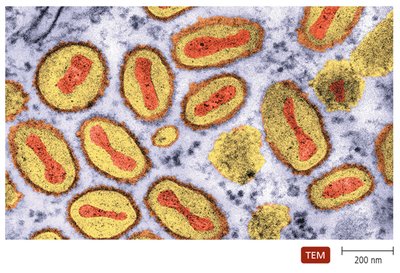
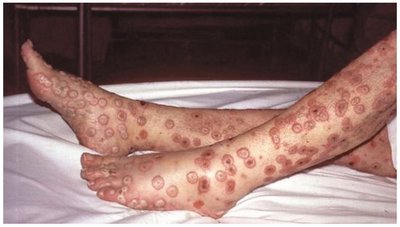
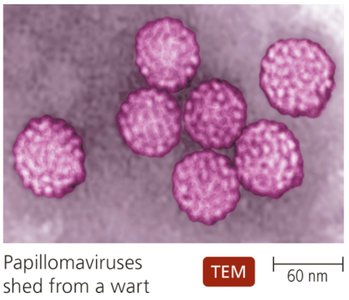
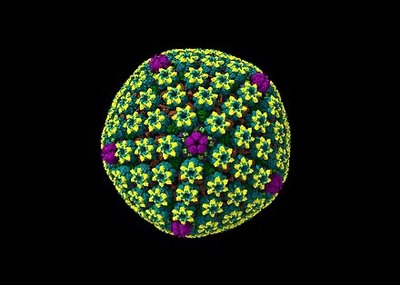
Papillomaviruses (Warts)
Papillomaviruses are small, nonenveloped dsDNA viruses that cause warts on the skin and mucous membranes. Some types are associated with cancers, such as cervical cancer.
Adenoviruses (Pinkeye, Common Cold)
Adenoviruses are nonenveloped dsDNA viruses that can cause respiratory illnesses, conjunctivitis (pinkeye), and gastroenteritis. They are highly contagious and spread through respiratory droplets or contact with contaminated surfaces.
Hepadnaviruses (Hepatitis B)
Hepadnaviruses have a partially double-stranded DNA genome and are known for causing hepatitis B, a serious liver infection that can become chronic and lead to liver cancer.
Herpesviruses (Herpes Simplex, Chickenpox)
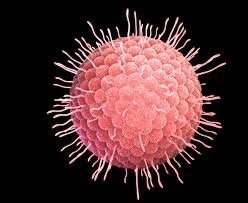
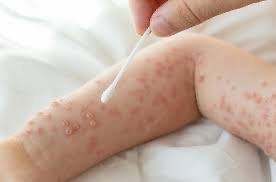
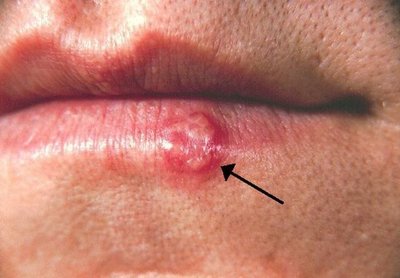
Herpesviruses are enveloped dsDNA viruses that establish latent infections in their hosts. They cause diseases such as oral and genital herpes (Herpes simplex virus) and chickenpox (Varicella-zoster virus).
Summary Table: Key Steps in Animal Virus Replication
Step | Description | Key Differences (Animal Virus vs. Phage) |
|---|---|---|
Attachment | Binding to host cell receptors | Animal viruses use glycoprotein spikes; phages use tail fibers |
Entry | Genome enters host cell | Animal viruses: fusion, endocytosis, or direct penetration; phages: injection via tail |
Synthesis | Genome replication and protein synthesis | Animal viruses often use host nucleus; phages replicate in cytoplasm |
Assembly | Formation of new virions | Animal viruses may assemble at membranes; phages assemble in cytoplasm |
Release | Virions exit host cell | Animal viruses: budding or lysis; phages: lysis |
Additional info: The replication strategies and pathogenesis of dsDNA animal viruses are foundational concepts in medical microbiology, relevant for understanding viral diseases, vaccine development, and antiviral therapies.
