 Back
BackRNA Viruses Infecting Humans: Structure, Pathogenesis, and Clinical Syndromes
Study Guide - Smart Notes
 Tailored notes based on your materials, expanded with key definitions, examples, and context.
Overview of RNA Viruses Infecting Humans
RNA viruses are a diverse group of pathogens responsible for a wide range of human diseases. They are classified based on their genome polarity (+ or - sense), presence or absence of an envelope, and genome segmentation. Understanding their structure, replication, and clinical manifestations is essential for microbiology students.
Classification of RNA Viruses
Genome Polarity and Structure
+ Sense RNA Viruses: Genome acts directly as mRNA (e.g., Picornaviridae, Hepeviridae, Caliciviridae, Astroviridae, Togaviridae, Flaviviridae, Coronaviridae).
- Sense RNA Viruses: Must bring in RNA-dependent RNA polymerase for transcription (e.g., Paramyxoviridae, Rhabdoviridae, Filoviridae, Bunyaviridae, Arenaviridae, Orthomyxoviridae).
Double-Stranded RNA Viruses: Act like - sense; require RNA-dependent RNA polymerase (e.g., Reoviridae).
Segmented vs. Non-segmented Genomes: Segmented genomes allow for reassortment (e.g., Orthomyxoviridae, Reoviridae).
Enveloped vs. Naked Viruses
Naked: Picornaviridae, Hepeviridae, Caliciviridae, Astroviridae, Reoviridae
Enveloped: Paramyxoviridae, Rhabdoviridae, Filoviridae, Bunyaviridae, Arenaviridae, Orthomyxoviridae, Togaviridae, Flaviviridae, Coronaviridae
Picornaviridae: Poliovirus and Related Viruses
Poliovirus Disease and Pathogenesis
Poliovirus is a classic example of a naked, + sense RNA virus transmitted via the fecal-oral route. It primarily infects mucosal cells, is shed in the throat and feces, and can rarely invade the central nervous system, causing poliomyelitis.
Transmission: Fecal-oral; adheres to mucosal receptors.
Clinical Manifestations: Most infections are asymptomatic or mild; rare cases progress to meningitis or irreversible paralysis due to motor neuron invasion.
Post-Polio Syndrome (PPS): Progressive muscle deterioration decades after initial infection.

Treatment and Prevention
Supportive Care: May require artificial ventilation and physical therapy.
Vaccines: Inactivated polio vaccine (IPV, Salk), oral polio vaccine (OPV, reduced risk of reversion).
Global Eradication: Ongoing efforts; only a few endemic countries remain.
Nonpolio Enteroviruses
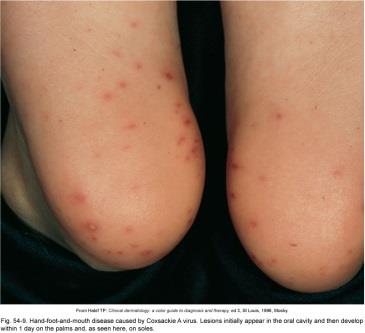
Other enteroviruses (e.g., Coxsackieviruses, echoviruses) share similar epidemiology but usually cause milder disease, such as hand-foot-mouth disease, conjunctivitis, and rare neurological complications.
Hepatitis A Virus (HAV)
HAV is a member of the Picornaviridae family, notable for its resistance to heat and acid. It is transmitted via the fecal-oral route and primarily affects the liver.
Incubation: 2–6 weeks; multiplies in the small intestine, then spreads to the liver.
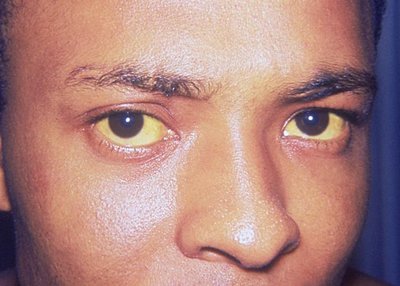
Symptoms: Often subclinical; jaundice is rare but can occur. Symptoms include fatigue, nausea, vomiting, clay-colored feces, dark urine, and abdominal pain.
Prevention: Inactivated vaccine and immune globulin for travelers or contacts.
Human Rhinoviruses (HRV)
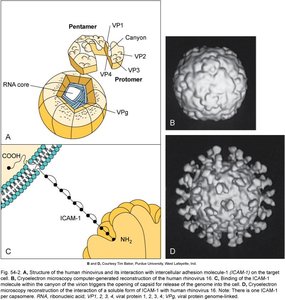
HRVs are the primary cause of the common cold, with over 150 serotypes. They are transmitted via aerosols, contaminated hands, and fomites, and replicate best at 33°C, limiting infection to the upper respiratory tract.
Symptoms: Incubation of 2 days; symptoms last 1–2 weeks. Can exacerbate asthma.
Prevention: Vaccine development is challenging due to antigenic variability.
Hepeviridae: Hepatitis E Virus (HEV)
HEV is a non-enveloped, + sense RNA virus transmitted primarily via the fecal-oral route. It is more severe than HAV, especially in pregnant women and immunocompromised individuals.
Incubation: Average 40 days.
Clinical Features: Acute hepatitis, higher mortality in pregnant women (10–30%).
Caliciviridae and Astroviridae
Norovirus (Caliciviridae)
Norovirus is a leading cause of viral gastroenteritis, responsible for a significant proportion of food-borne illness in the US. It is highly contagious and transmitted via the fecal-oral route.
Symptoms: Acute onset of nausea, vomiting, cramps, watery diarrhea, chills, and fever. Rapid recovery is typical.
Reoviridae: Rotavirus
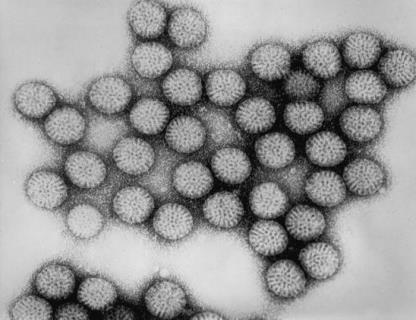
Rotavirus is a double-stranded, segmented RNA virus and the main cause of severe diarrhea in infants and young children worldwide. It is transmitted via the fecal-oral route.
Symptoms: Vomiting and watery diarrhea lasting 3–8 days.
Prevention: Live attenuated oral vaccines have significantly reduced disease incidence.
Orthomyxoviridae: Influenza Viruses
Structure and Replication
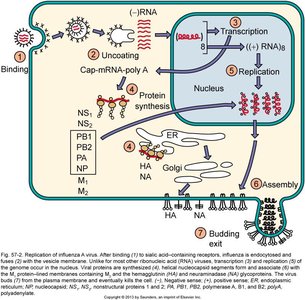
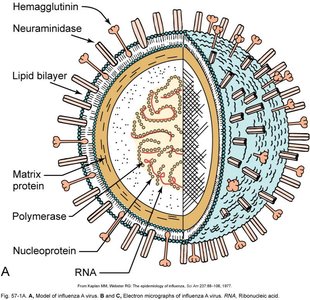
Influenza viruses are enveloped, segmented - sense RNA viruses. Their surface glycoproteins, hemagglutinin (H) and neuraminidase (N), are critical for viral entry and release, respectively.
Types: A (most variable, infects many species), B (humans, seals), C (humans, pigs, dogs, cattle).
Antigenic Drift: Gradual mutations in H and N genes.
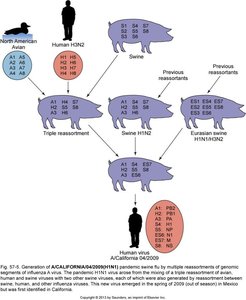
Antigenic Shift: Reassortment of genome segments, leading to new pandemic strains.
Pathogenesis and Clinical Features
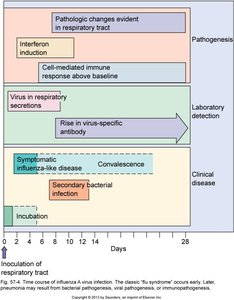
Incubation: 1–5 days; sudden onset of high fever, body aches, and dry cough.
Complications: Pneumonia, Guillain-Barré syndrome, Reye’s syndrome (especially with aspirin use in children).
Diagnosis, Treatment, and Prevention
Diagnosis: Rapid antigen tests, serology.
Treatment: Antivirals (amantadine, oseltamivir, baloxavir).
Prevention: Annual vaccination (inactivated or live attenuated).
Bunyaviridae and Arenaviridae
Bunyaviruses
These are enveloped, segmented - sense RNA viruses, many of which are arthropod-borne (e.g., California encephalitis, Rift Valley fever, Hantavirus). Sin Nombre hantavirus is notable for causing severe pulmonary syndrome in North America.
Arenaviruses
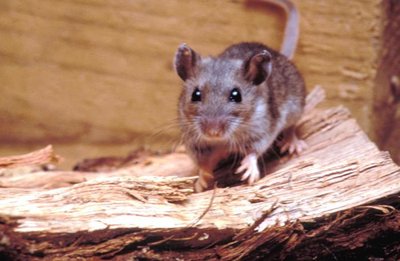
Arenaviruses are associated with rodent hosts and can cause mild to severe disease, including hemorrhagic fevers (e.g., Lassa fever). Transmission is via aerosols or contact with rodent excreta.
Rhabdoviridae: Rabies Virus
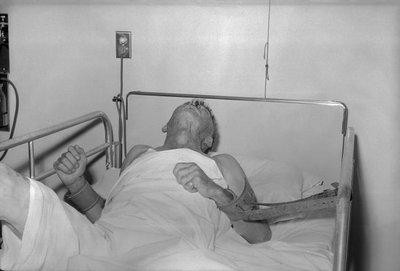
Rabies is a fatal zoonotic disease transmitted through bites or exposure to infected saliva. The virus travels from the site of entry to the CNS, causing progressive neurological symptoms.
Clinical Phases: Prodromal (pain, fever), furious (agitation, hydrophobia), dumb (paralysis), coma, and death.
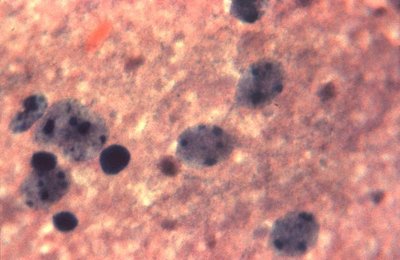
Diagnosis: Negri bodies in nervous tissue.
Prevention: Post-exposure prophylaxis with immunoglobulin and vaccine.
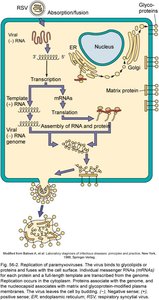
Paramyxoviridae
These are enveloped, - sense RNA viruses with helical capsids. They cause significant respiratory and systemic diseases, especially in children.
Key Glycoproteins: HN (hemagglutinin-neuraminidase), F (fusion protein).
Diseases: Parainfluenza (croup), mumps, measles, respiratory syncytial virus (RSV), Nipah and Hendra viruses.
Mumps
Mumps causes epidemic parotitis (painful swelling of salivary glands) and can lead to complications such as orchitis. Prevention is via the MMR vaccine.

Measles (Rubeola)
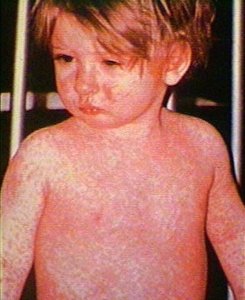
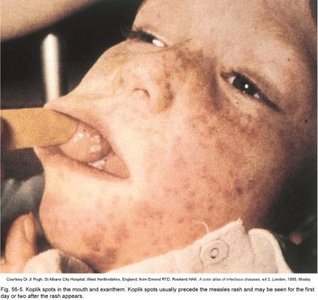
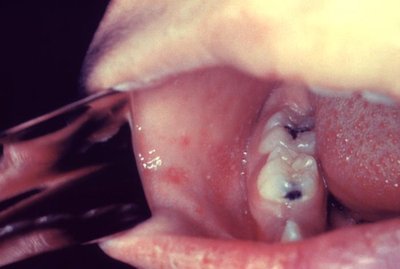
Measles is a highly contagious disease caused by Morbillivirus. It presents with fever, cough, conjunctivitis, Koplik spots, and a characteristic rash. Complications include pneumonia, encephalitis, and subacute sclerosing panencephalitis (SSPE).
Respiratory Syncytial Virus (RSV)
RSV is the leading cause of lower respiratory tract infections in infants and young children. It can also affect the elderly and immunocompromised. Prevention includes monoclonal antibodies and new vaccines for high-risk groups.
Filoviridae: Ebola and Marburg Viruses
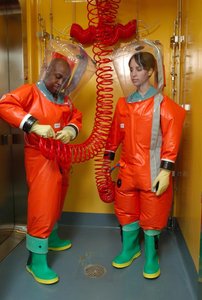
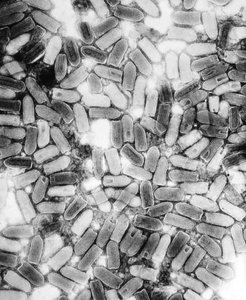
Filoviruses are enveloped, helical - sense RNA viruses causing severe hemorrhagic fevers. Transmission is via close contact and bodily fluids. High mortality rates are characteristic, and supportive therapy is the mainstay of treatment.
Flaviviridae and Togaviridae: Arboviruses
These families include many arthropod-borne viruses (arboviruses) such as West Nile, Zika, yellow fever, dengue, and chikungunya. They are transmitted by mosquitoes or ticks and can cause fever, rash, encephalitis, or hemorrhagic syndromes.
Hepatitis C Virus (HCV)
HCV is a blood-borne flavivirus causing chronic hepatitis, cirrhosis, and hepatocellular carcinoma. No vaccine is available; treatment involves combination antiviral therapy.
Rubella (German Measles)
Rubella is a mild disease in children and adults but can cause severe congenital defects if contracted during pregnancy. Prevention is via the MMR vaccine.
Coronaviridae
Coronaviruses are large, enveloped + sense RNA viruses with spike proteins. They cause mild respiratory infections, as well as severe diseases such as SARS, MERS, and COVID-19. Transmission is via respiratory droplets and close contact.
Retroviridae: Retroviruses and HIV
Retroviruses have ssRNA genomes and use reverse transcriptase to integrate into the host genome. HIV is the most clinically significant, causing AIDS by depleting CD4+ T cells and leading to opportunistic infections and malignancies.
Transmission: Sexual contact, blood, perinatal, and breastfeeding.
Diagnosis: Detection of antibodies, CD4+ count, and AIDS-defining illnesses.
Treatment: Combination antiretroviral therapy (ART) targeting multiple stages of the viral life cycle.
Summary Table: Key RNA Virus Families and Diseases
Family | Genome Type | Envelope | Major Diseases | Transmission |
|---|---|---|---|---|
Picornaviridae | +ssRNA | No | Polio, HAV, Rhinovirus | Fecal-oral, respiratory |
Hepeviridae | +ssRNA | No | HEV | Fecal-oral |
Caliciviridae | +ssRNA | No | Norovirus | Fecal-oral |
Reoviridae | dsRNA | No | Rotavirus | Fecal-oral |
Orthomyxoviridae | -ssRNA, segmented | Yes | Influenza | Respiratory |
Bunyaviridae | -ssRNA, segmented | Yes | Hantavirus, Rift Valley fever | Arthropod, rodent |
Arenaviridae | -ssRNA, segmented | Yes | Lassa fever | Rodent |
Rhabdoviridae | -ssRNA | Yes | Rabies | Animal bite |
Paramyxoviridae | -ssRNA | Yes | Measles, mumps, RSV | Respiratory |
Filoviridae | -ssRNA | Yes | Ebola, Marburg | Contact, fluids |
Flaviviridae | +ssRNA | Yes | Dengue, Zika, HCV, Yellow fever, West Nile | Arthropod, blood |
Togaviridae | +ssRNA | Yes | Rubella, Chikungunya | Respiratory, arthropod |
Coronaviridae | +ssRNA | Yes | SARS, MERS, COVID-19 | Respiratory |
Retroviridae | +ssRNA (via DNA intermediate) | Yes | HIV, HTLV | Blood, sexual, perinatal |
Additional info: This guide expands on the original notes with definitions, clinical features, and prevention strategies for each virus family, as well as a summary table for rapid review.
