Back
BackViruses: Structure, Classification, Replication, and Medical Importance
Study Guide - Smart Notes
 Tailored notes based on your materials, expanded with key definitions, examples, and context.
Viruses: Structure, Classification, Replication, and Medical Importance
Introduction to Viruses
Viruses are the most abundant microbes on Earth and have played significant roles in the evolution of life. Unlike cellular organisms, viruses are obligate intracellular parasites, meaning they require a host cell to replicate and cannot carry out metabolism independently. They are not considered cells and have unique replication strategies distinct from all other life forms.
Obligate intracellular parasites: Viruses must infect a host cell to reproduce.
No ribosomes or metabolism: Viruses lack the machinery for protein synthesis and energy production.
Self-assembly: Viral components assemble spontaneously from preformed parts.
Communicable: All viruses are transmissible and are never part of the normal flora.
Classification: The International Committee on Taxonomy of Viruses (ICTV) provides the standard for virus classification.
What is a Virus?
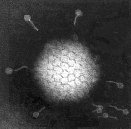
Viruses are infectious agents that require host cells for energy and protein synthesis. They can infect all types of organisms, including other viruses (virophages). All viruses contain a genome (either DNA or RNA) and a protein coat called a capsid; some also possess a lipid envelope.
Genome: Composed of either DNA or RNA.
Capsid: Protein shell that encases the viral genome.
Envelope: Some viruses have an additional lipid membrane derived from the host cell.
Viral Genome
The viral genome can be either DNA or RNA, and the number of genes varies widely among viruses.
DNA viruses: Usually double-stranded (dsDNA), replicate in the nucleus of eukaryotic cells.
RNA viruses: Usually single-stranded (ssRNA), may be segmented, and typically replicate in the cytoplasm.
+ sense RNA: Acts directly as mRNA for translation.
- sense RNA: Complementary to mRNA; must be transcribed before translation.
Nucleocapsids
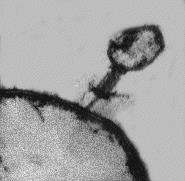
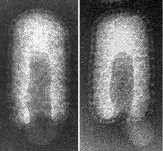
The nucleocapsid is the combination of the viral genome and the capsid. Capsids are constructed from protein subunits called capsomers and can have helical or icosahedral symmetry.
Capsomers: Protein subunits that make up the capsid.
Helical and Icosahedral: Two main structural types of capsids.
Viral Envelope
The viral envelope is a lipid bilayer derived from the host cell membrane (ER, Golgi, or plasma membrane) and contains virally encoded proteins. It is more common in animal viruses and is essential for attachment and infection of host cells.
Lipid bilayer: Acquired from host cell membranes.
Viral proteins: Embedded in the envelope, crucial for host cell recognition and entry.
Amorphous shape: Enveloped viruses may have irregular shapes and sometimes contain multiple capsids.
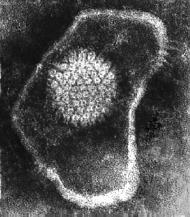
Functions of Capsid and Envelope
The capsid and envelope protect the viral genome outside the host cell and facilitate attachment and entry into new host cells.
Protection: Shields the genome from environmental damage.
Attachment: Spike proteins or capsid components mediate binding to host cell receptors.
Host range: The spectrum of host species a virus can infect.
Tropism: The specific cell types within a host that a virus can infect.
How Viruses Are Classified
Viruses are classified by the ICTV based on structure, chemical composition, and genetic makeup. The main taxonomic ranks are realm, order (-virales), family (-viridae), and genus (-virus).
Order: Ends in -virales (e.g., Herpesvirales).
Family: Ends in -viridae (e.g., Herpesviridae).
Genus: Ends in -virus (e.g., Simplexvirus).
Common names: Often used in clinical and research settings (e.g., herpes simplex virus I = human herpesvirus I).
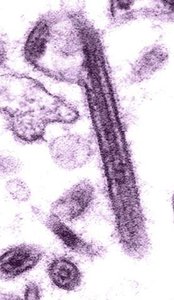
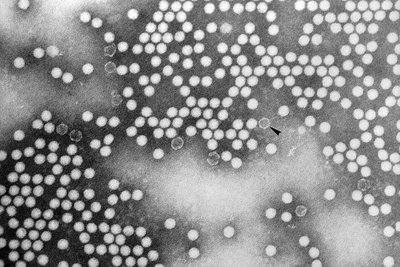
Viral Replication
Viral replication involves several distinct steps, leading to the production of new virus particles. The process includes adsorption, penetration, uncoating, protein expression, genome replication, assembly, and release.
Adsorption: Virus binds to specific receptors on the host cell surface.
Penetration and uncoating: Entry of the viral genome into the host cell and removal of the capsid.
Viral protein expression: Synthesis of viral proteins using host machinery.
Genome replication: Duplication of the viral genome.
Assembly: Formation of new virions from synthesized components.
Release: New virions exit the host cell by budding (enveloped viruses) or cell lysis (naked viruses).
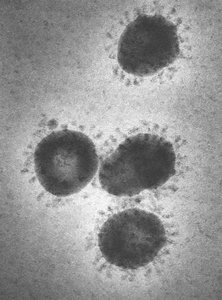
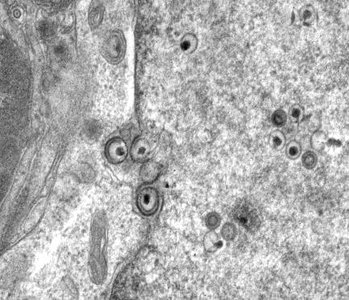
Damage to Host Cell (Cytopathic Effects)
Viruses can cause various cytopathic effects (CPE) in host cells, which are observable changes resulting from viral infection.
Changes in size and shape
Inclusion bodies: Aggregates of viral components in the cell.
Syncytia: Fusion of multiple cells into a single large cell.
Cell lysis: Destruction of the host cell.
Alteration of DNA: Some viruses can integrate into or modify host DNA.
Teratogenic effects: Some viruses can cross the placenta and cause birth defects.
Virus Genetics
Viral genetics is characterized by high mutation rates, especially in RNA viruses, due to error-prone polymerases. This leads to genetic diversity and the emergence of mutants.
Wild-type (WT): The parental, naturally occurring virus.
Mutants: Plaque mutants (altered CPE), conditional mutants (e.g., temperature-sensitive).
Recombination: Exchange of genetic material between closely related viruses.
Defective particles: Non-infectious, may act as decoys for the immune system.
More on Virus Genetics
Segmented genomes: Some viruses (e.g., influenza A) can reassort genome segments, leading to new strains.
Transencapsidation: Rare event where the genome of one virus is packaged in the capsid of another.
Pseudotyping: Enveloped viruses may acquire glycoproteins from other viruses, usually a dead-end but useful in therapeutics.
Stages of Infection
Viral infections typically progress through several stages, which may be symptomatic or asymptomatic.
Incubation: Time between infection and appearance of symptoms.
Prodromal: Early, nonspecific symptoms.
Acute: Peak of disease symptoms.
Convalescence: Recovery phase.
Transmission: Viruses can be transmitted by various routes, similar to bacteria.
Types of Viral Infections
Viral infections in permissive cells can be lytic or persistent.
Lytic infection: Host cell is destroyed; most viral infections are lytic.
Persistent infection: Virus and host cell coexist; can be chronic or latent.
Persistent Infections
Chronic: Infectious virus is produced for a long time (e.g., hepatitis B and C viruses).
Latent: No infectious virus is produced during latency, but the genome remains in cells and can reactivate (e.g., herpesviruses).
Oncoviruses and Transformation
Some viruses can permanently alter host cells, leading to cancer (oncogenesis). These are called oncoviruses.
Transformation: Viruses induce uncontrolled cell growth and prevent apoptosis.
Examples: Human papillomavirus, Epstein-Barr virus, Merkel cell polyomavirus, human T cell leukemia virus, Kaposi's sarcoma-associated herpesvirus (KSHV).
Medical Importance of Viruses
Viruses are the most common cause of acute infections worldwide, with billions of cases annually. Some viruses have high mortality rates, and others may be linked to chronic diseases of unknown origin. Viruses also play major roles in ecosystems and are being explored for therapeutic uses such as oncolytic therapy, gene therapy, and immunotherapy.
Course of viral disease: Entry at a portal, local replication, possible viremia (spread to other tissues).
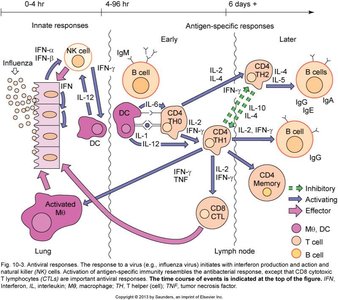
Body defenses: Main defenses include type I interferons, natural killer (NK) cells, and cytotoxic T (Tc) cells. Antibodies play a smaller role, but adaptive immunity can provide lifelong protection.