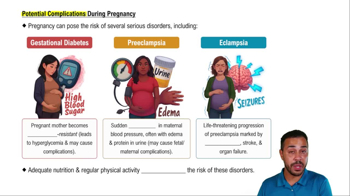
A pregnancy-specific condition marked by insulin resistance and elevated blood sugar, increasing risks for high birth weight and later type 2 diabetes.
Insulin Resistance
A reduced cellular response to insulin, leading to higher blood glucose levels, especially significant during gestational diabetes.
Hyperglycemia
An abnormally high concentration of glucose in the blood, potentially causing tissue and organ damage during pregnancy.
High Birth Weight
A newborn weight above the typical range, often linked to gestational diabetes and associated with future health risks.
Type 2 Diabetes
A chronic metabolic disorder characterized by insulin resistance, with increased risk following gestational diabetes for both mother and child.
Preeclampsia
A pregnancy complication involving sudden hypertension, swelling, and protein in urine, posing risks for both mother and fetus.
Hypertension
A sudden and sustained elevation in blood pressure, commonly seen in preeclampsia during pregnancy.
Edema
Swelling in body tissues, particularly hands and feet, often accompanying preeclampsia in pregnancy.
Proteinuria
The presence of excess protein in urine, indicating possible organ dysfunction, especially in preeclampsia.
Low Birth Weight
A newborn weight below the normal range, frequently resulting from pregnancy complications like preeclampsia.
Preterm Birth
Delivery occurring before 37 weeks of gestation, often associated with maternal complications such as preeclampsia.
Eclampsia
A severe, life-threatening progression of preeclampsia marked by seizures, stroke, and organ failure.
Seizures
Sudden, uncontrolled electrical disturbances in the brain, a hallmark of eclampsia during pregnancy.
Organ Failure
A critical loss of function in vital organs, which can occur in severe cases of eclampsia.
Prenatal Care
Medical and lifestyle management during pregnancy aimed at preventing complications and promoting maternal-fetal health.
 Back
Back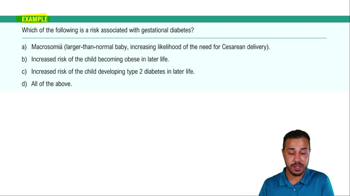
 00:56
00:56