Back
BackThioacetal quiz
You can tap to flip the card.
Control buttons has been changed to "navigation" mode.
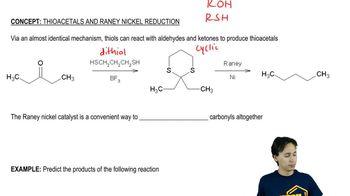
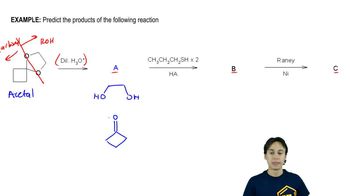
1/15Thioacetal
21. Aldehydes and Ketones: Nucleophilic Addition
5 problems
Topic
Imine vs Enamine - Part 1 of 6
21. Aldehydes and Ketones: Nucleophilic Addition
9 problems
Topic

Johnny
Imine vs Enamine - Part 2 of 6
21. Aldehydes and Ketones: Nucleophilic Addition
8 problems
Topic
Johnny
Imine vs Enamine - Part 3 of 6
21. Aldehydes and Ketones: Nucleophilic Addition
8 problems
Topic
Johnny
Imine vs Enamine - Part 4 of 6
21. Aldehydes and Ketones: Nucleophilic Addition
8 problems
Topic
Johnny
Imine vs Enamine - Part 5 of 6
21. Aldehydes and Ketones: Nucleophilic Addition
8 problems
Topic

Laura
Imine vs Enamine - Part 6 of 6
21. Aldehydes and Ketones: Nucleophilic Addition
8 problems
Topic
Johnny
19. Aldehydes and Ketones:Nucleophilic Addition - Part 1 of 7
5 topics 16 problems
Chapter
Johnny
19. Aldehydes and Ketones:Nucleophilic Addition - Part 2 of 7
1 topic 13 problems
Chapter
Johnny
19. Aldehydes and Ketones:Nucleophilic Addition - Part 3 of 7
2 topics 13 problems
Chapter

Ernest
21. Aldehydes and Ketones: Nucleophilic Addition - Part 4 of 7
5 topics 14 problems
Chapter
Ernest
21. Aldehydes and Ketones: Nucleophilic Addition - Part 5 of 7
4 topics 12 problems
Chapter
Ernest
21. Aldehydes and Ketones: Nucleophilic Addition - Part 6 of 7
5 topics 14 problems
Chapter
Ernest
21. Aldehydes and Ketones: Nucleophilic Addition - Part 7 of 7
3 topics 8 problems
Chapter
Ernest
 03:17
03:17