 Back
BackOrganic Chemistry Test 1 Key Concepts
 02:54
02:54
Terms in this set (31)
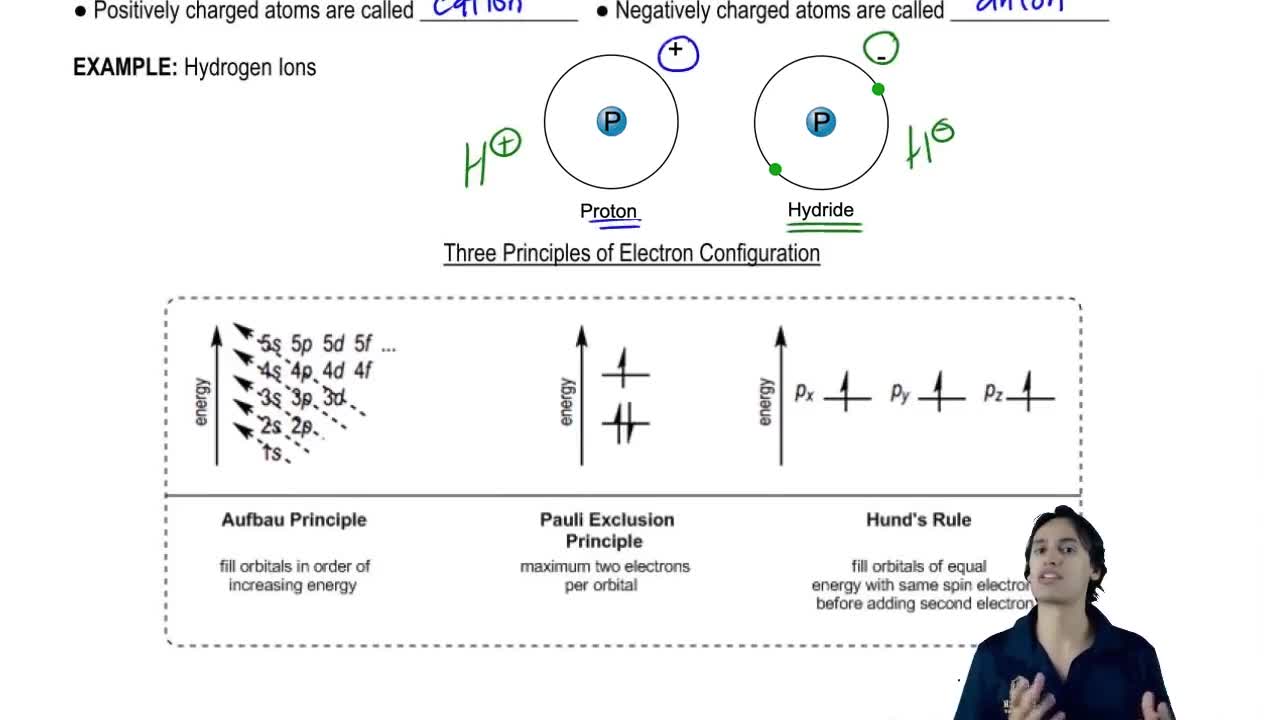
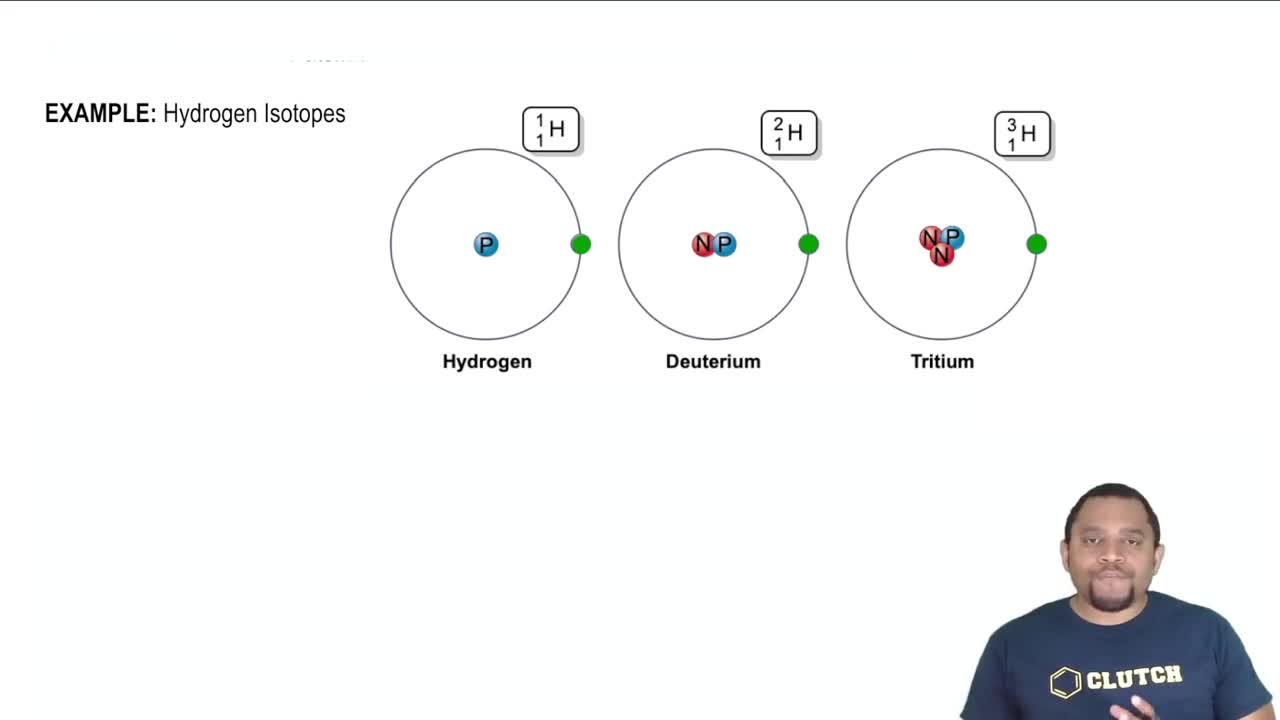
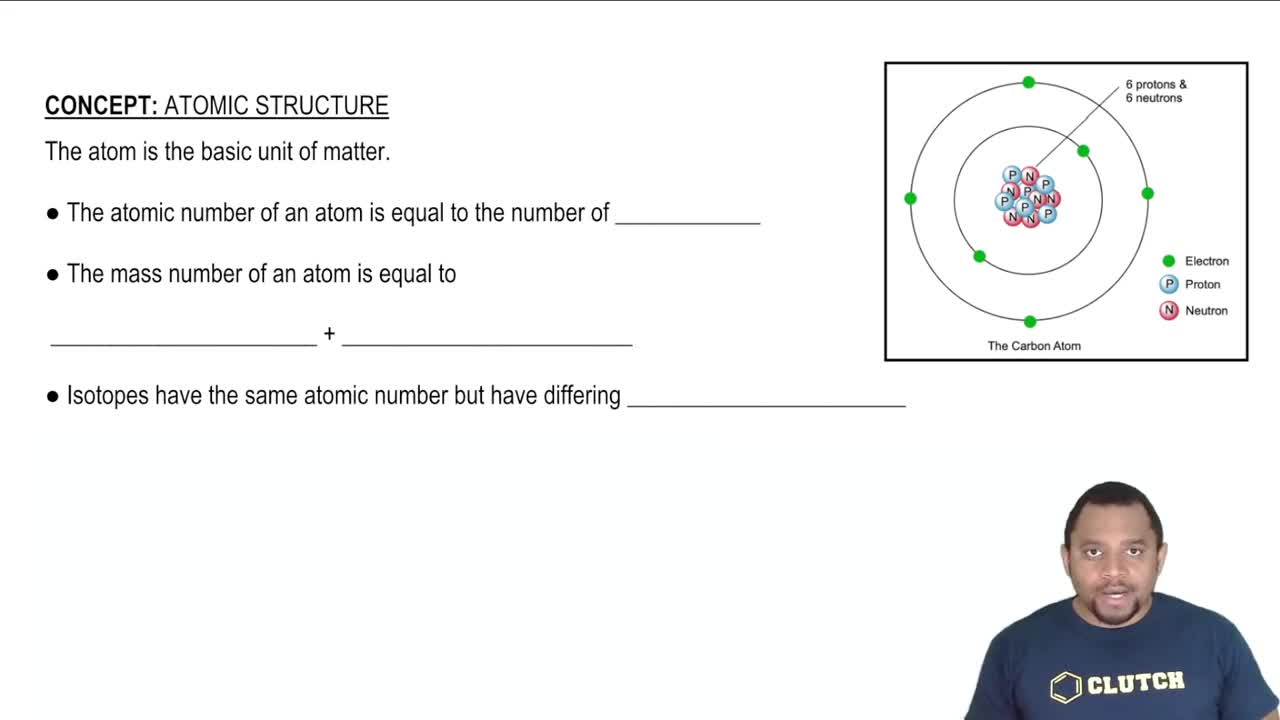
Protons (positive charge, in nucleus), neutrons (neutral, in nucleus), and electrons (negative charge, in orbitals).
Arrangement of electrons in orbitals; know energy levels and which orbitals are degenerate (equal energy).
A diagram showing the bonding between atoms and lone pairs of electrons in a molecule.
The tendency of an atom to attract electrons in a chemical bond.
Polar bonds have unequal sharing of electrons; nonpolar bonds share electrons equally.
A dipole is a separation of charge; dipole moment measures the polarity of a bond or molecule.
Charge assigned to an atom in a molecule assuming equal sharing of electrons in bonds.
Different Lewis structures representing the same molecule; major contributors are more stable forms.
A shorthand notation showing atoms and their connectivity without drawing all bonds explicitly.
A simplified drawing of organic molecules showing bonds as lines and carbons at line ends or vertices.
Compounds with the same molecular formula but different structures; includes constitutional and stereoisomers.
Constitutional isomers differ in connectivity; stereoisomers differ in spatial arrangement.
Cis isomers have substituents on the same side; trans have substituents on opposite sides.
Polar compounds dissolve well in polar solvents; nonpolar compounds dissolve better in nonpolar solvents.
Arrhenius: acids produce H+, bases produce OH-.
Brønsted-Lowry: acids donate protons, bases accept protons.
Lewis: acids accept electron pairs, bases donate electron pairs.
Determined by the extent of ionization; stronger acids/bases ionize more completely.
Equilibrium constants for acid/base dissociation; pKa and pKb are their negative logarithms.
Acid and base that differ by one proton; strength inversely related between conjugates.
Favored toward the weaker acid and base; determined by relative pKa values.
A specific group of atoms responsible for characteristic chemical reactions of a compound.
Alkanes, alkenes, alkynes, aromatic rings, alcohols, ethers, aldehydes, ketones, carboxylic acids, esters, amides, amines, nitriles.
Methane, ethane, propane, butane, pentane, hexane, heptane, octane, nonane, decane.
Identify longest chain, number carbons to give substituents lowest numbers, name substituents alphabetically.
Prefix 'cyclo-' added to alkane name; substituents numbered to give lowest possible numbers.
Generally nonpolar, low boiling points; properties vary with molecular size and shape.
Most stable 3D shape of cyclohexane minimizing strain; has axial and equatorial positions.
Cis: substituents on same side of ring; trans: substituents on opposite sides.
Draw chairs showing substituents axial or equatorial; stability depends on substituent position.
Conformation with bulky groups in equatorial positions to reduce steric strain.
Complete combustion produces CO2 and H2O; incomplete combustion produces CO, C, or other products.
Alkane + O2 → CO2 + H2O; balance C, H, and O atoms.