Back

Alcohols, Ethers, and Related Compounds: Structure, Reactions, and Mechanisms

Study Guide - Learn with Videos

Curated lessons matched to your uploaded material – learn every topic step by step.

Alcohol Synthesis

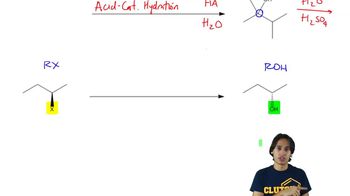
  • Forming alcohols through SN2 reactions.
    01:44
  • Forming alcohols through Acid-Catalyzed Hydration.
    02:02
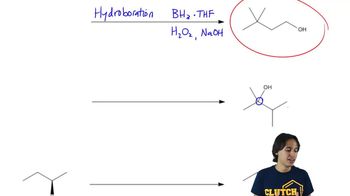
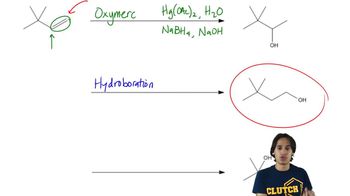
  • Forming alcohols through Hydroboration-Oxidation.
    01:37

Acids and Bases

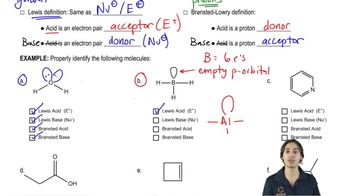
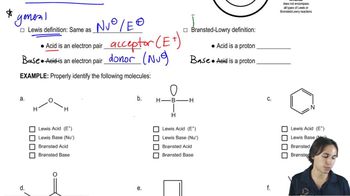
  • Lewis vs. Bronsted-Lowry Definition
    07:46
  • The Bronsted-Lowry definition of acids and bases.
    00:54
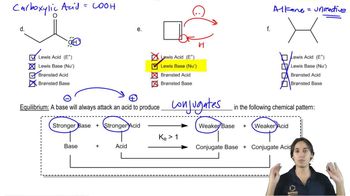
  • Equilibrium constant and conjugates.
    02:11

Acid Base Equilibrium

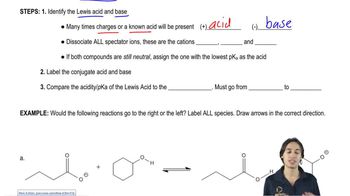
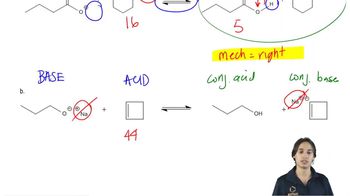
  • The 3 steps for determining the direction of acid and base equilibrium.
    05:11
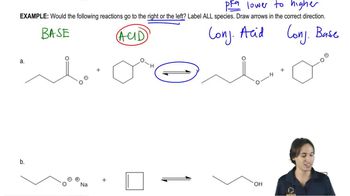
  • Determining Acid/Base Equilibrium
    04:00
  • Determining Acid/Base Equilibrium
    02:34

pKa

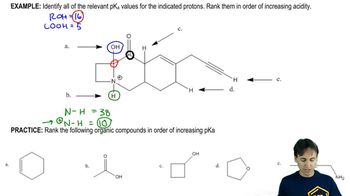
  • Identifying pKa values
    07:45
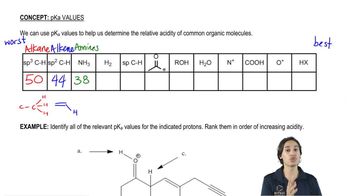
  • The 12 pKa values you want to memorize (because they are important!).
    09:36

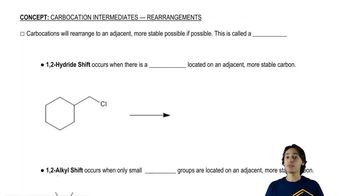
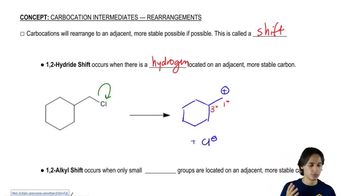
Carbocation Intermediate Rearrangements

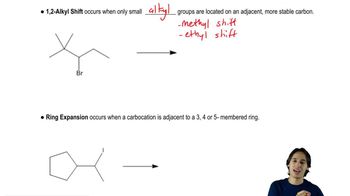
  • Alkyl Shift
    03:43
  • Understanding why carbocations shift.
    00:47
  • Hydride Shift
    03:34

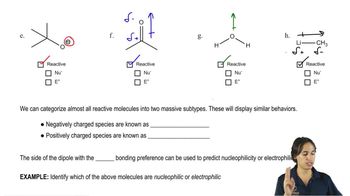
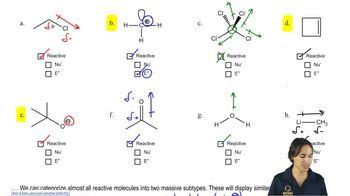
Reaction Mechanism

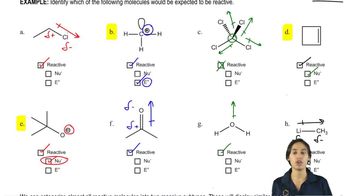
  • How to tell if charged molecules will react as nucleophiles or electrophiles.
    02:39
  • Nucleophile or Electrophile
    01:49
  • How to tell if uncharged molecules will react as nucleophiles or electrophiles.
    02:48

E1 Reaction

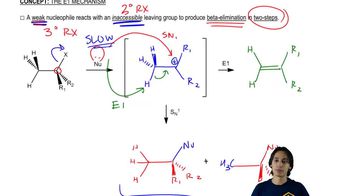
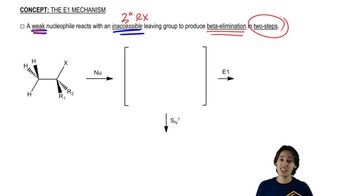
  • Understanding the properties of E1.
    03:32
  • Drawing the E1 Mechanism.
    08:09

E2 Mechanism

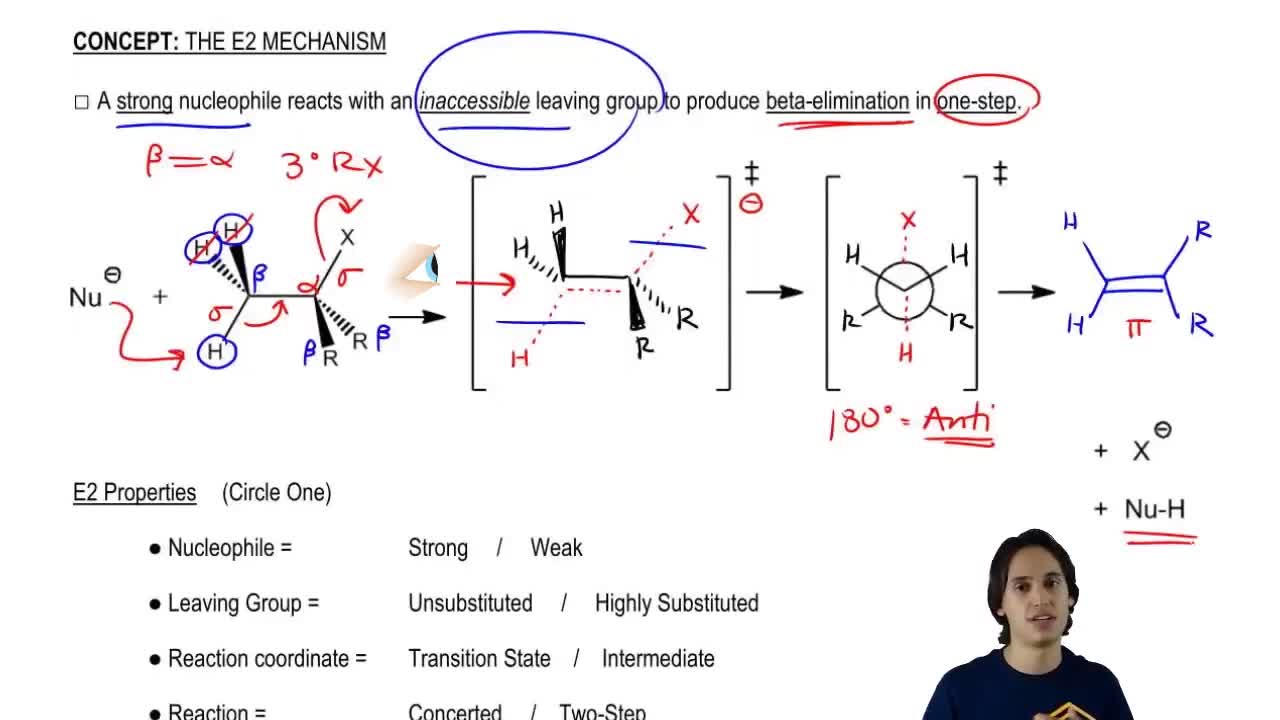
  • Understanding the properties of E2.
    04:42
  • Drawing the E2 Mechanism.
    09:36
  • Rank reactivity toward E2
    02:03

Beta Hydrogen

  • Identify the number of unique products
    02:08
  • Identify the number of unique products
    03:19
  • Identify the number of unique products
    02:02

Leaving Groups

  • The 3 important leaving groups to know.
    07:22

Good Leaving Groups

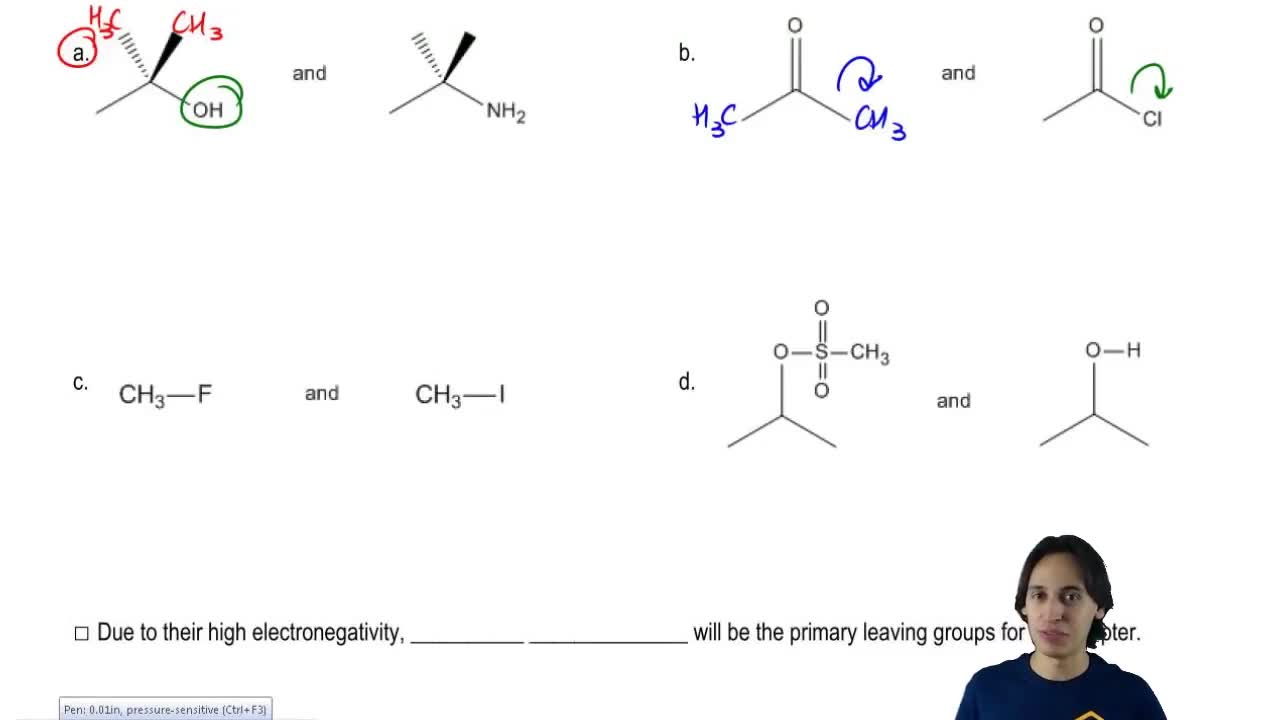
  • Predict the best leaving group
    00:50
  • Predict the best leaving group
    01:12
  • Predict the best leaving group
    00:36

Organic Chemistry Reactions

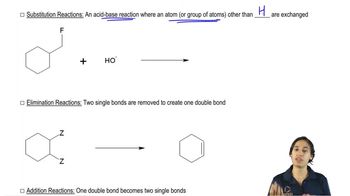
  • Recognizing Substitution Reactions.
    01:34
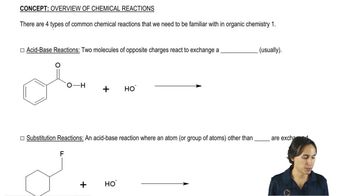
  • Recognizing Acid-Base Reactions.
    02:43
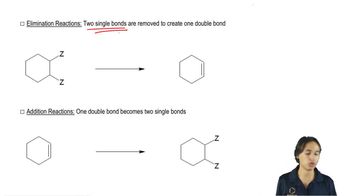
  • Recognizing Elimination Reactions.
    00:40