Back

Alkene Reactions and Synthesis: Addition, Oxidation, Reduction, and Stereochemistry

Study Guide - Learn with Videos

Curated lessons matched to your uploaded material – learn every topic step by step.

Addition Reaction

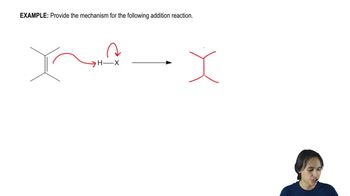
  • Provide the mechanism
    01:15
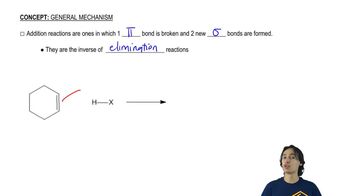
  • Features of Addition Mechanisms.
    05:39

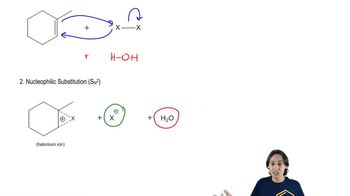
Halogenation

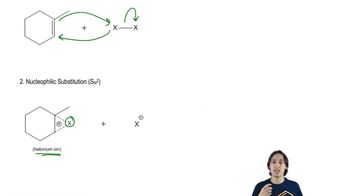
  • Halogenation Mechanism
    03:45
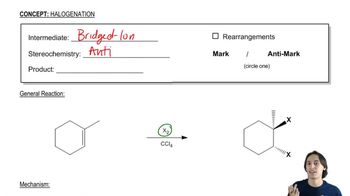
  • General properties of halogenation.
    02:27

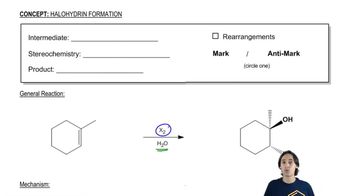
Halohydrin

  • Halohydrin Mechanism
    04:48
  • General properties of halohydrin formation.
    01:44

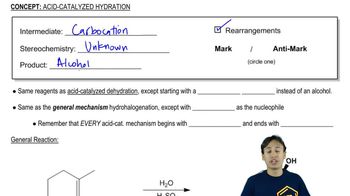
Acid-Catalyzed Hydration

  • General properties of acid-catalyzed hydration.
    06:32
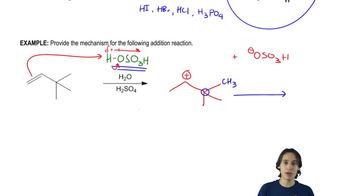
  • Acid-catalyzed hydration mechanism
    06:34

Oxymercuration

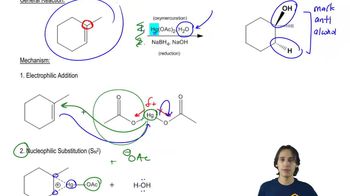
  • Acid-catalyzed oxymercuration-reduction mechanism
    09:01
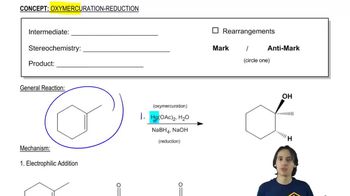
  • General properties of oxymercuration-reduction.
    05:

Hydroboration

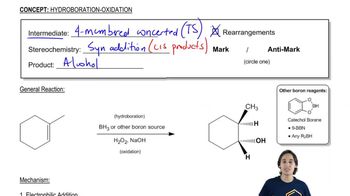
  • General properties of hydroboration-oxidation.
    06:38
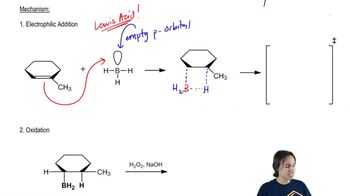
  • Acid-catalyzed hydroboration-oxidation mechanism
    06:14

Hydrogenation

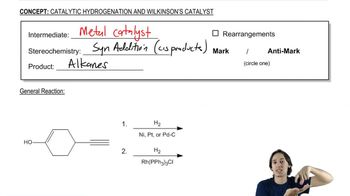
  • General properties of catalytic hydrogenation.
    05:21

Epoxidation

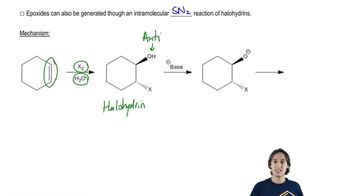
  • Halohydrins to epoxides via intramolecular SN2.
    02:26
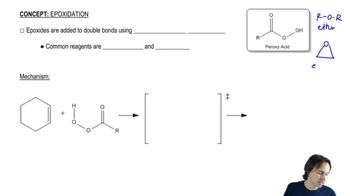
  • General properties of epoxidation.
    02:19
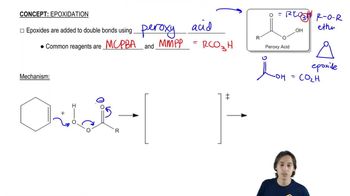
  • The mechanism of how peroxy acids make epoxides.
    03:19

Intermolecular Forces

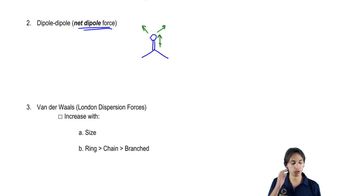
  • How dipole-dipole forces work.
    01:46
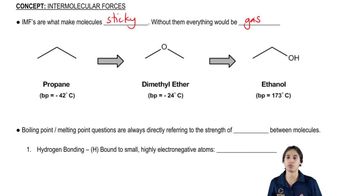
  • How IMFs are related to melting and boiling points.
    03:08
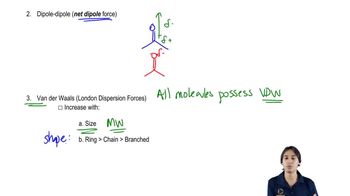
  • How Van der Waals forces work.
    03:01

Ozonolysis

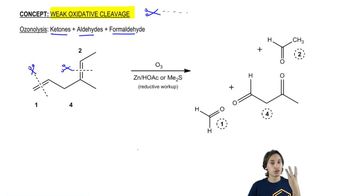
  • General properties of ozonolysis.
    06:30

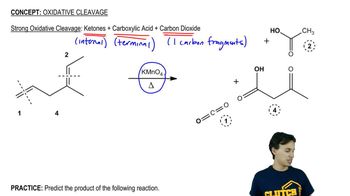
Oxidative Cleavage

  • General properties of strong oxidative cleavage.
    06:00

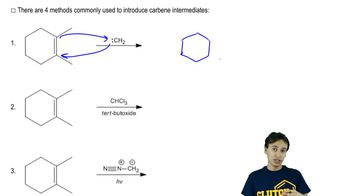
Carbene

  • Reaction with a simple carbene.
    01:48
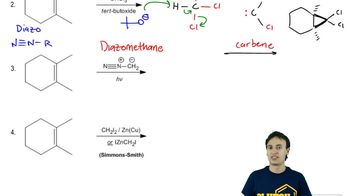
  • Reaction with diazomethane and light or heat.
    03:01
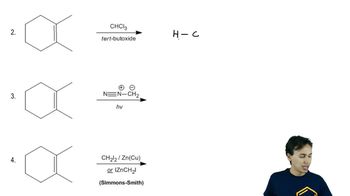
  • Reaction with chloroform (CHCl3) and tert-butoxide.
    03:04

Markovnikov

  • Provide the mechanism
    01:26
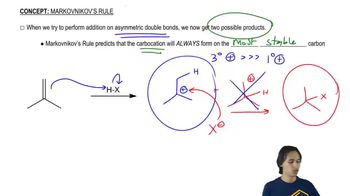
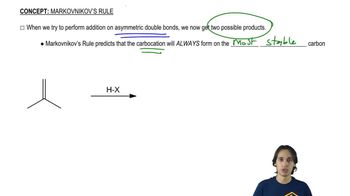
  • How to add to asymmetrical double bonds.
    03:38

Radical Reaction

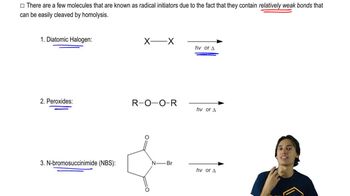
  • What are Radical Initiators?
    03:49
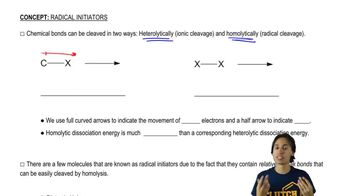
  • Heterolytic vs. Homolytic Bond Cleavage .
    04:39

Reaction Mechanism

  • How to tell if charged molecules will react as nucleophiles or electrophiles.
    02:39
  • Nucleophile or Electrophile
    01:49
  • How to tell if uncharged molecules will react as nucleophiles or electrophiles.
    02:48

Cis vs Trans Conformations

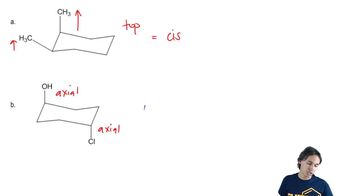
  • Is the following cyclohexane cis or trans?
    00:44
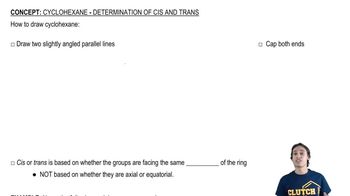
  • How to draw chairs.
    01:18
  • Is the following cyclohexane cis or trans?
    00:27