Back

Aromatic Compounds, Alcohols, and Organic Reaction Mechanisms: Study Guide

Study Guide - Learn with Videos

Curated lessons matched to your uploaded material – learn every topic step by step.

Alkane Nomenclature

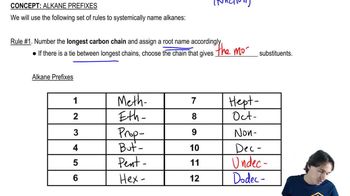
  • Naming the root chain
    01:02
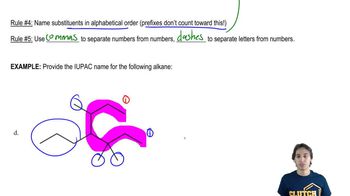
  • Provide the IUPAC name for the following alkane
    07:08
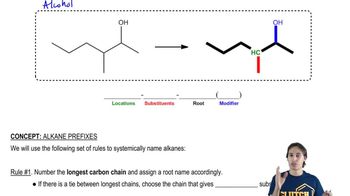
  • The different parts of an IUPAC name
    03:43

Functional Groups

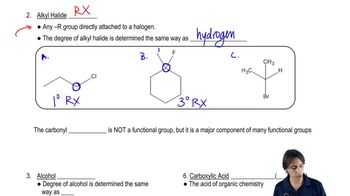
  • Assigning Degrees to Alkyl Halides
    01:30
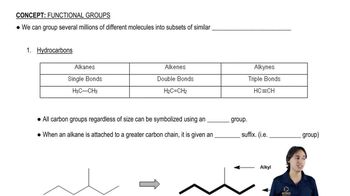
  • Why we need functional groups.
    01:49
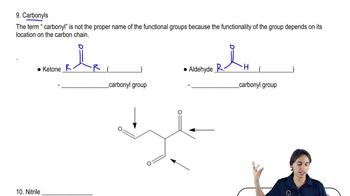
  • The difference between aldehydes and ketones.
    03:08

Aromaticity

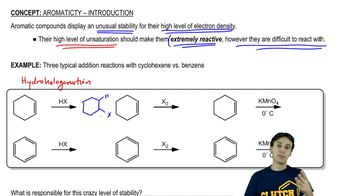
  • Intro to Aromaticity
    08:19

Electrophilic Aromatic Substitution

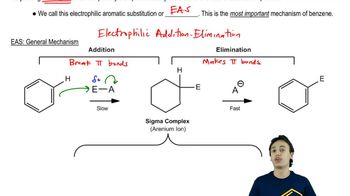
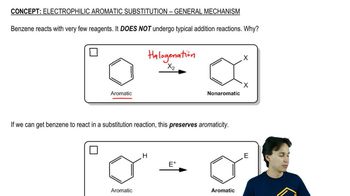
  • EAS General Mechanism
    06:52
  • EAS Review
    03:07

Alcohol Nomenclature

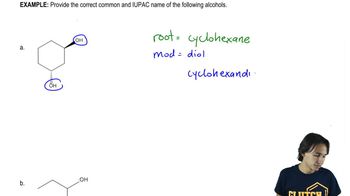
  • Provide the correct common and IUPAC name.
    01:49
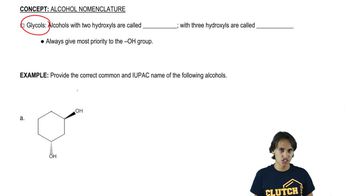
  • How to name polyols.
    01:47
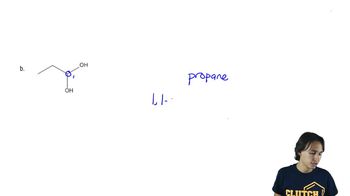
  • Provide the correct common and IUPAC name.
    00:59

Hydrogenation

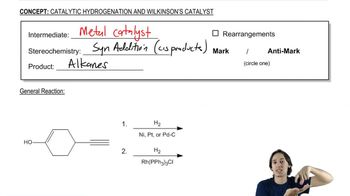
  • General properties of catalytic hydrogenation.
    05:21

Oxidizing and Reducing Agents

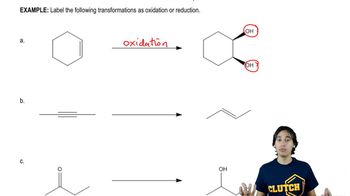
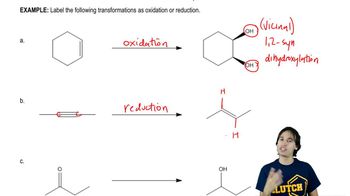
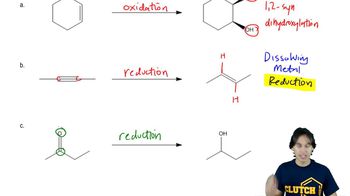
  • Distinguishing between Oxidation and Reduction
    00:54
  • Distinguishing between Oxidation and Reduction
    01:18
  • Distinguishing between Oxidation and Reduction
    00:54

Nucleophilic Addition

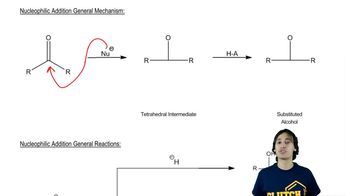
  • Nucleophilic Addition
    08:27

Grignard Reaction

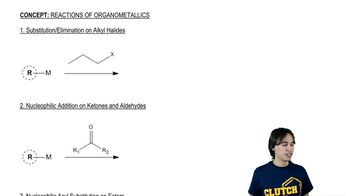
  • Reactions of Organometallics
    13:40

Radical Reaction

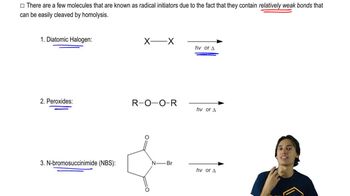
  • What are Radical Initiators?
    03:49
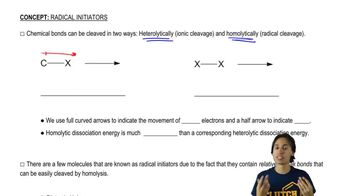
  • Heterolytic vs. Homolytic Bond Cleavage .
    04:39

Free Radical Halogenation

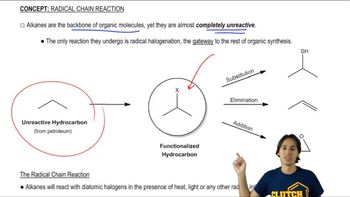
  • The one reaction that alkanes will actually undergo.
    02:05
  • Explaining the following problem.
    00:34
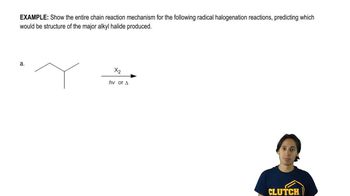
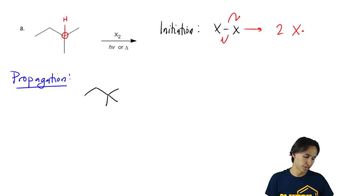
  • Show the entire chain reaction mechanism.
    04:08

SN1 Reaction

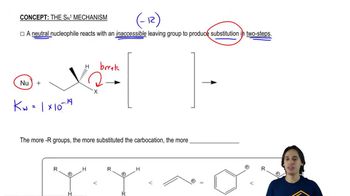
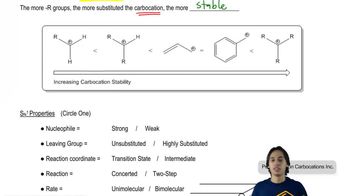
  • Drawing the SN1 Mechanism
    10:49
  • Why highly substituted leaving groups favor SN1.
    01:13
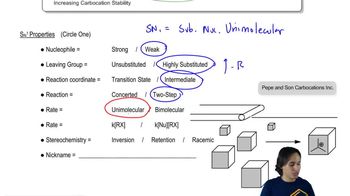
  • Understanding the properties of SN1.
    08:16

The SN2 Mechanism

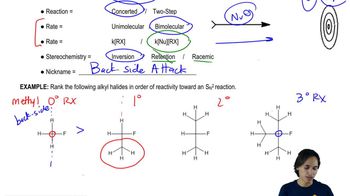
  • Ranking reactivity toward SN2
    04:03
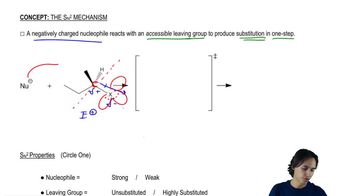
  • Drawing the SN2 Mechanism
    08:33
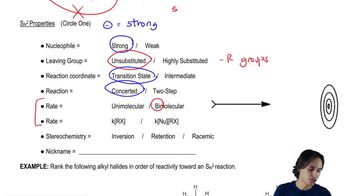
  • Understanding the properties of SN2.
    11:57

The E1 Mechanism

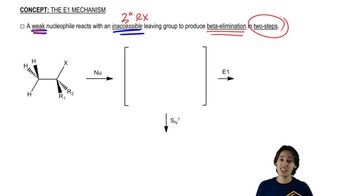
  • Understanding the properties of E1.
    03:32
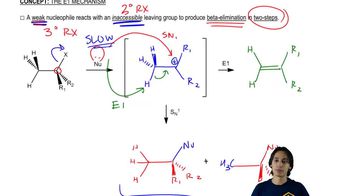
  • Drawing the E1 Mechanism.
    08:09

E2 Mechanism

  • Understanding the properties of E2.
    04:42
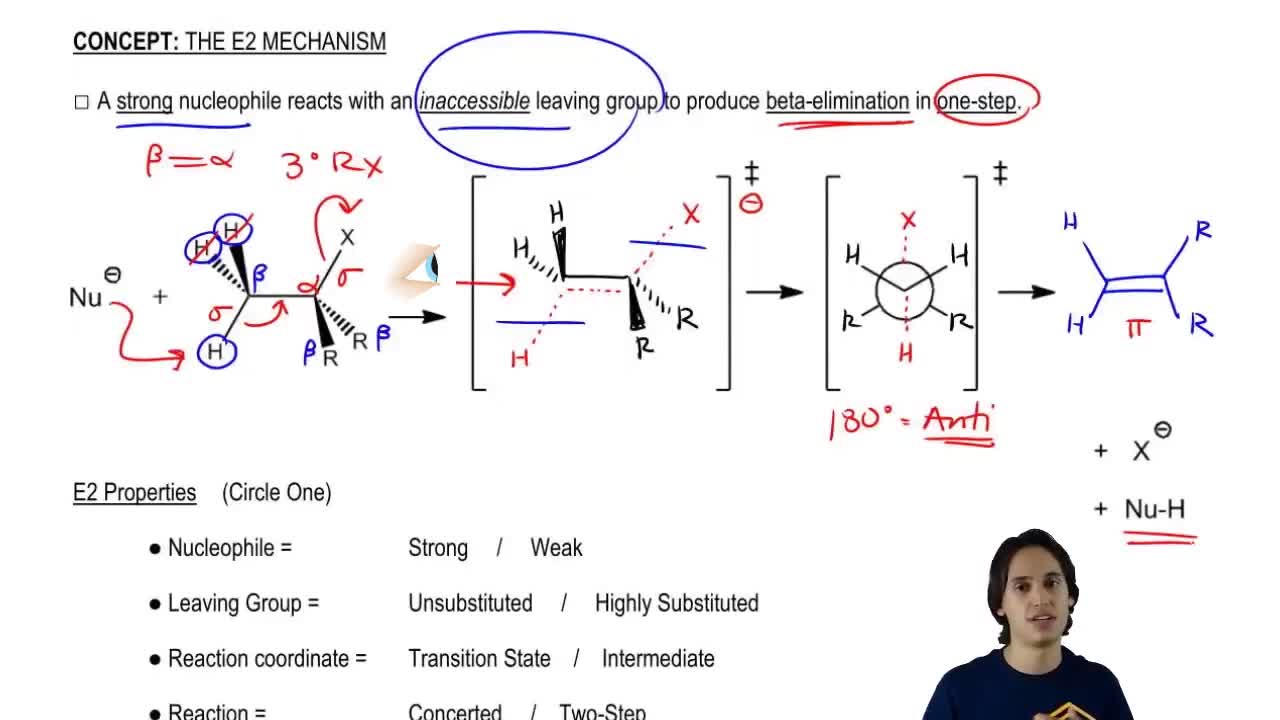
  • Drawing the E2 Mechanism.
    09:36
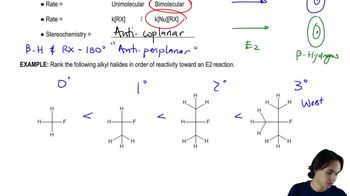
  • Rank reactivity toward E2
    02:03

Intermolecular Forces

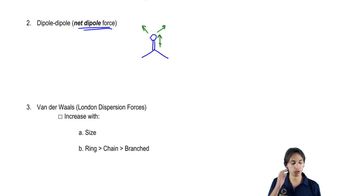
  • How dipole-dipole forces work.
    01:46
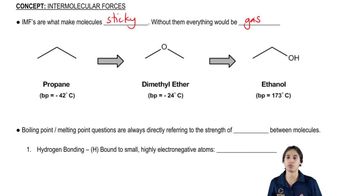
  • How IMFs are related to melting and boiling points.
    03:08
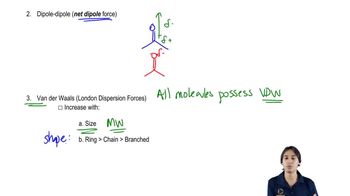
  • How Van der Waals forces work.
    03:01

Acid and Base Definitions

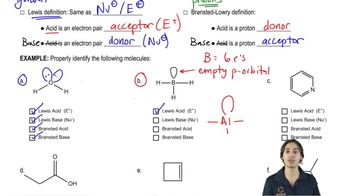
  • Lewis vs. Bronsted-Lowry Definition
    07:46
  • The Bronsted-Lowry definition of acids and bases.
    00:54
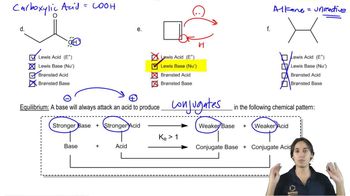
  • Equilibrium constant and conjugates.
    02:11

pKa Values

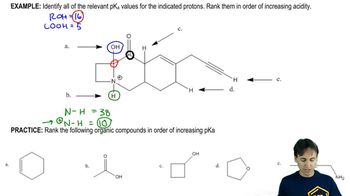
  • Identifying pKa values
    07:45
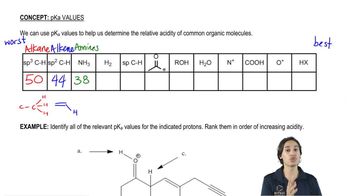
  • The 12 pKa values you want to memorize (because they are important!).
    09:36