Back

Chapter 1: Structure and Bonding – Foundations of Organic Chemistry

Study Guide - Learn with Videos

Curated lessons matched to your uploaded material – learn every topic step by step.

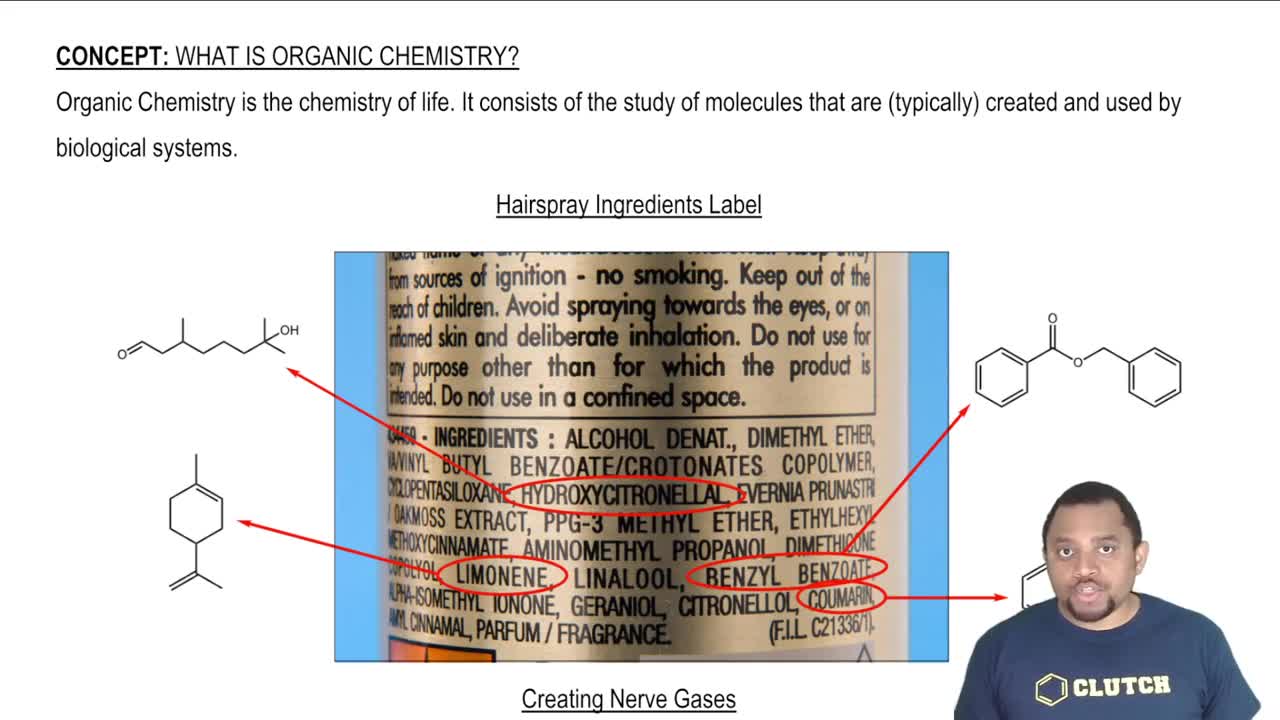
What is Organic Chemistry?

  • Organic molecules in your everyday life.
    02:08
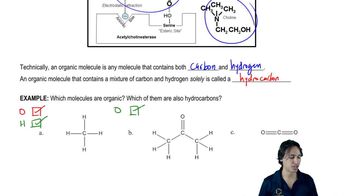
  • Identifying organic molecules
    02:17

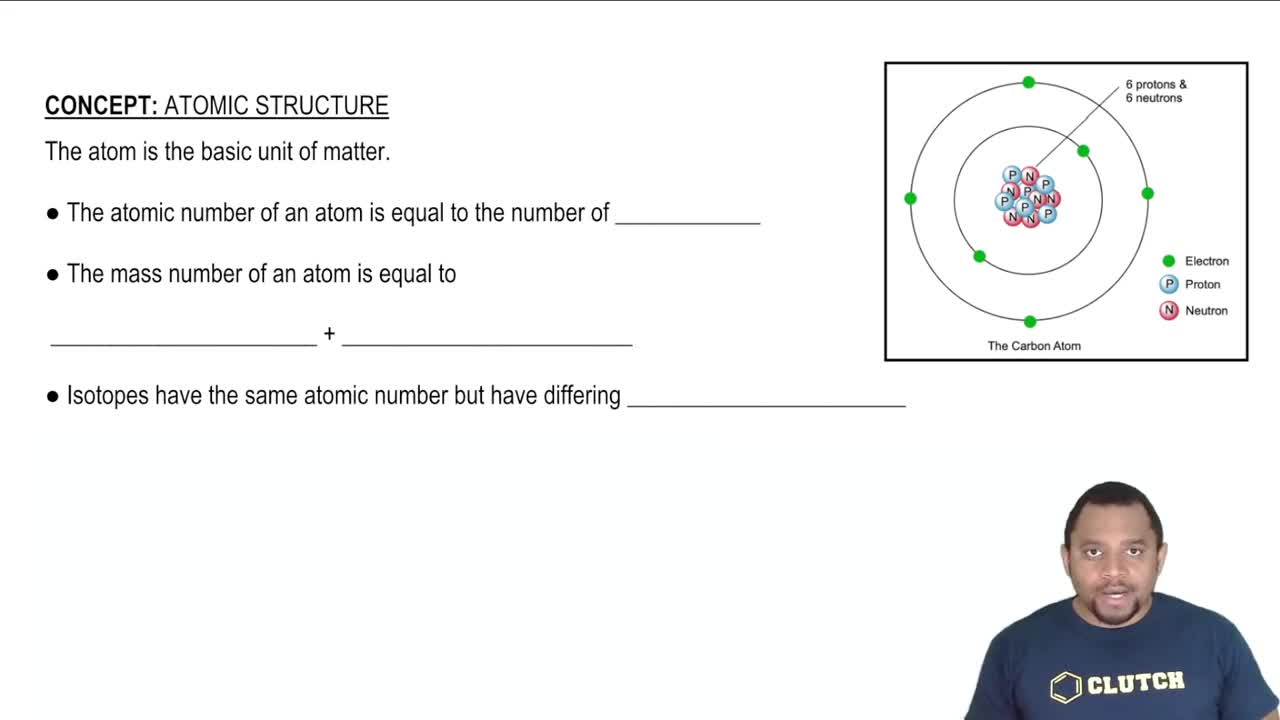
Atomic Structure

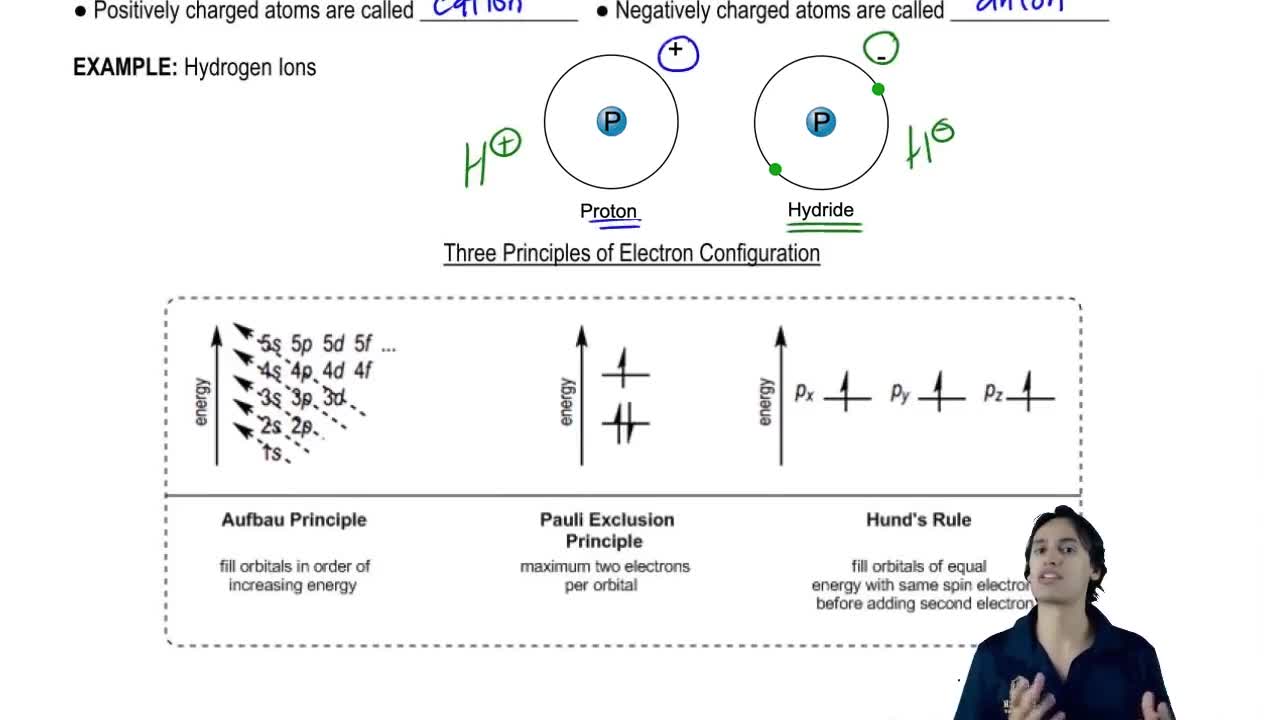
  • Three rules about orbitals you need to know.
    02:54
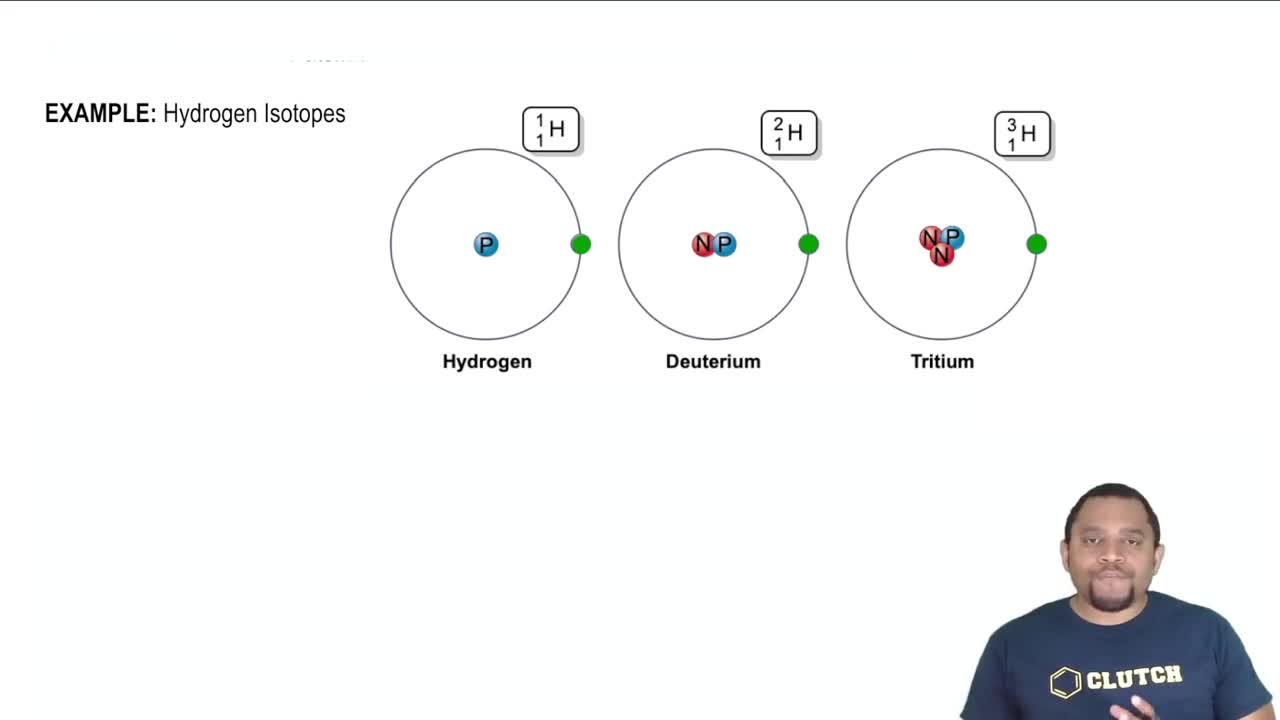
  • Understanding the hydrogen isotopes.
    03:06
  • The difference between atomic numbers and atomic mass.
    01:44

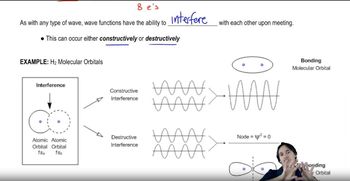
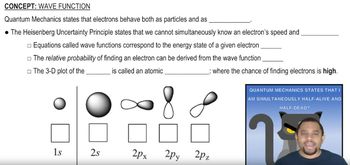
Wave Function

  • Constructive vs. destructive interference.
    03:18
  • The probability of finding electrons in a given place.
    05:41

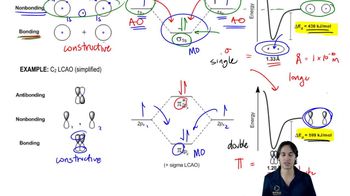
Molecular Orbital Theory

  • Sigma bond vs. pi bond, which is stronger?
    03:25
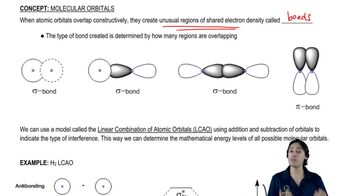
  • What’s the difference between sigma and pi bonds?
    02:19
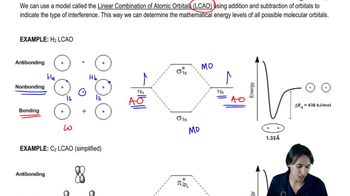
  • What’s the difference between atomic and molecular orbitals?
    11:25

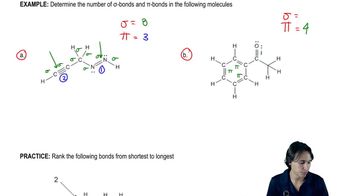
Sigma and Pi Bonds

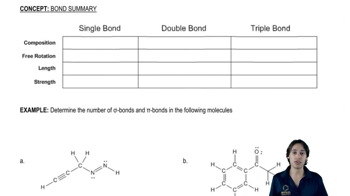
  • Single bonds, double bonds, and triple bonds.
    06:00
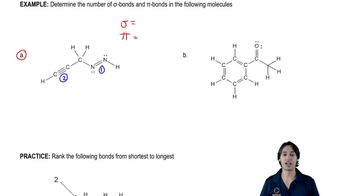
  • Sigma bonds and pi bonds
    01:05
  • Sigma bonds and pi bonds
    00:59

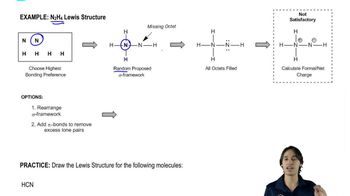
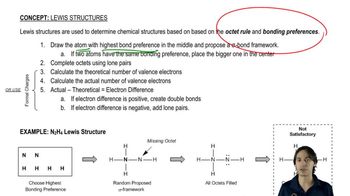
Lewis Structure

  • Drawing the Lewis Structure for N2H4.
    04:12
  • How to use Organic Chemistry to make Lewis Structures easier.
    03:49

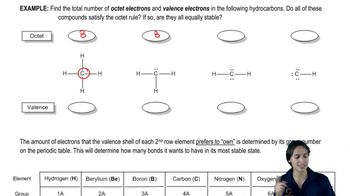
Bonding Preferences

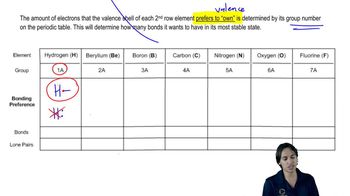
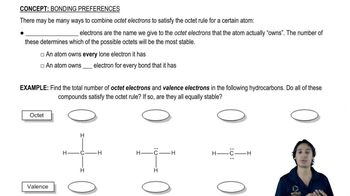
  • What is the difference between valence and octet electrons?
    02:04
  • Understanding the hydrogen isotopes.
    08:32
  • What is a valence electron?
    02:14

Formal Charges

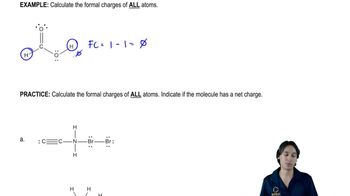
  • Calculate the formal charges of ALL atoms.
    02:21
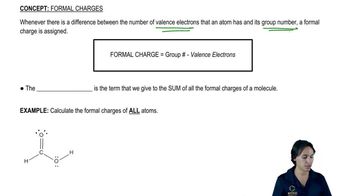
  • Calculating formal and net charge.
    01:34

Resonance Structures

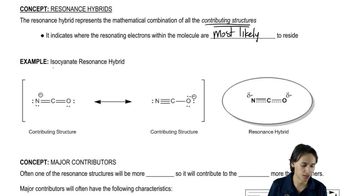
  • How to draw a resonance hybrid.
    03:24
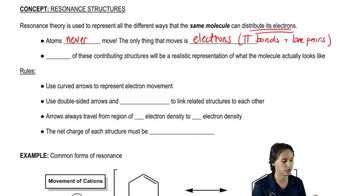
  • The rules you need for resonance:
    03:34
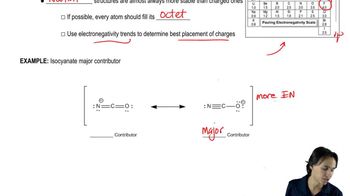
  • How to determine which structure is most stable.
    01:32

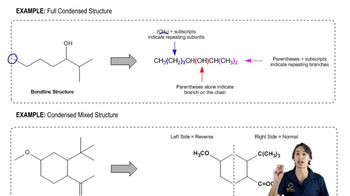
Condensed Structural Formula

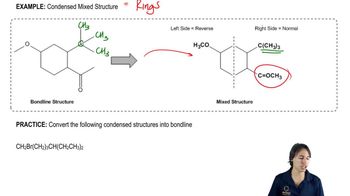
  • How to draw condensed mixed structures.
    05:21
  • How to interpret condensed structures.
    06:06

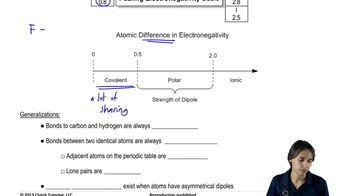
Electronegativity

  • Differences between ionic, polar and covalent bonds
    11:33

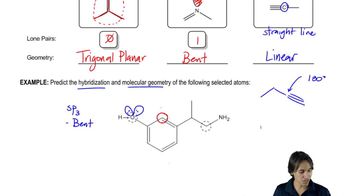
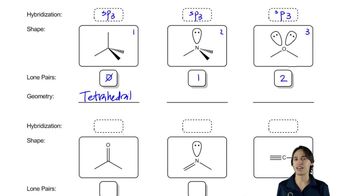
Molecular Geometry

  • Predict the hybridization and molecular geometry
    01:54
  • Molecular Geometry Explained.
    07:44

Cis vs Trans

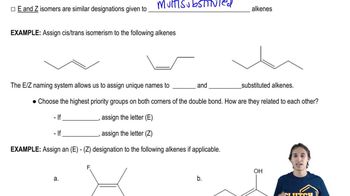
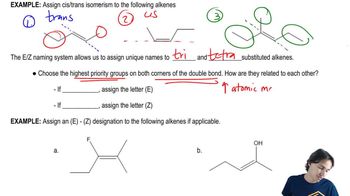
  • Why we need to use the E/Z naming system
    02:07
  • What does E and Z stand for?
    00:50
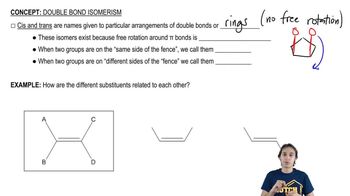
  • How to name different types of double bonds or rings
    04:28

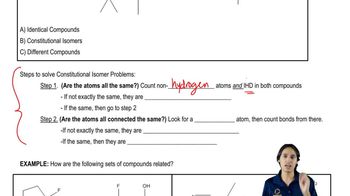
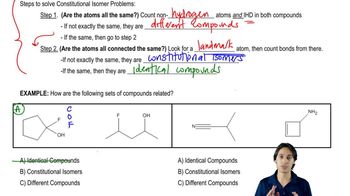
Constitutional Isomers

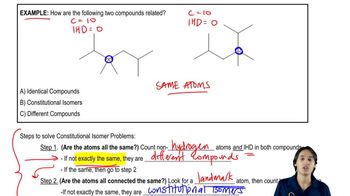
  • Isomeric Relationships
    03:28
  • Using the flowchart to determine isometric relationships.
    05:02
  • Isomeric Relationships
    02:56