Back

Chapter 10: Alkynes – Properties, Nomenclature, Reactions, and Synthesis

Study Guide - Learn with Videos

Curated lessons matched to your uploaded material – learn every topic step by step.

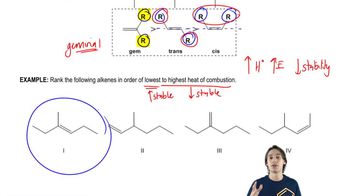
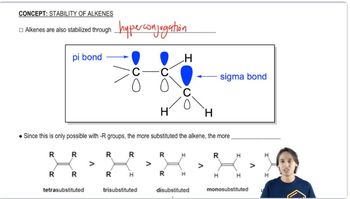
Alkene Stability

  • Heat of Combustion
    02:55
  • Understanding trends of alkene stability.
    04:28

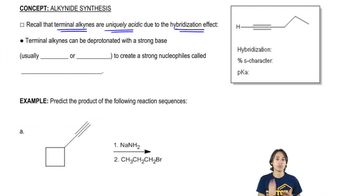
Acetylide

  • Understanding how to convert terminal alkynes to alkynides.
    04:19
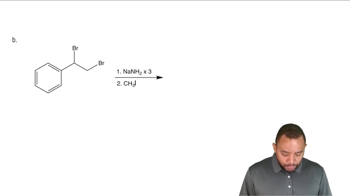
  • Predict the final product of the following reaction sequence.
    02:29
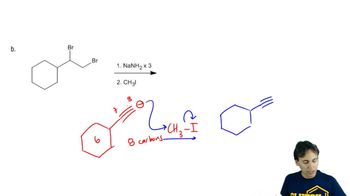
  • Using double dehydrohalogenation to perform alkynide synthesis.
    02:57

Alkyne Hydrohalogenation

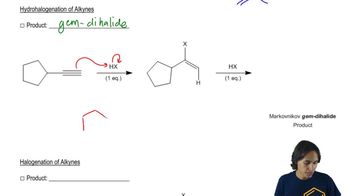
  • Double hydrohalogenation of alkynes.
    02:20
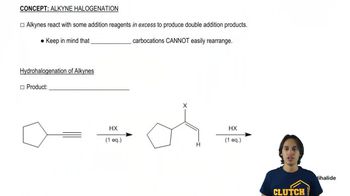
  • General properties of double addition reactions to alkynes.
    01:01

Alkyne Halogenation

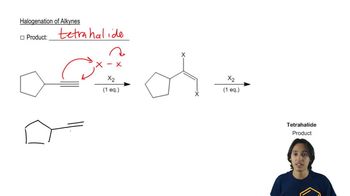
  • Double halogenation of alkynes.
    02:15

Alkyne Hydration

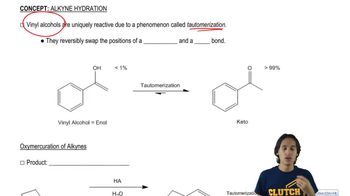
  • Vinyl alcohols yield tautomers.
    03:51
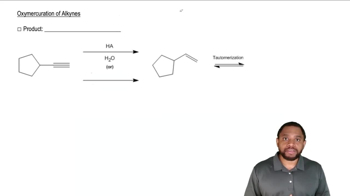
  • Markovnikov addition of alcohols yields ketones.
    03:29

Alkyne Hydroboration

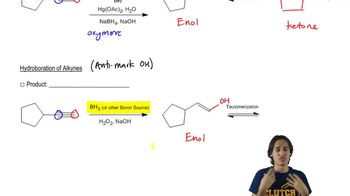
  • Anti-Markovnikov addition of alcohols to terminal alkynes yields aldehydes
    02:43

Hydrogenation of Alkynes

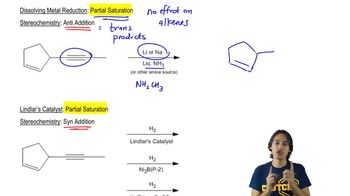
  • Using Dissolving Metal Reduction or Lindlar’s Catalyst to turn alkynes to alkenes.
    06:08
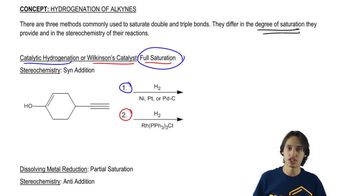
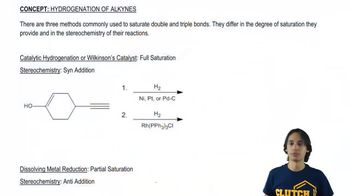
  • Using Catalytic hydrogenation or Wilkinson’s Catalyst to turn alkynes to alkanes.
    03:46
  • The definition of hydrogenation.
    00:48

Organic Chemistry Reactions

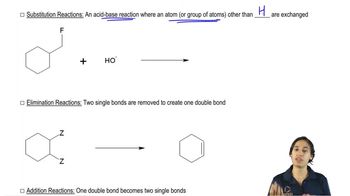
  • Recognizing Substitution Reactions.
    01:34
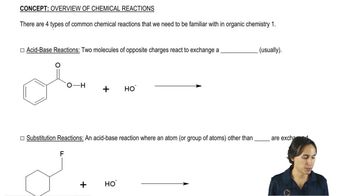
  • Recognizing Acid-Base Reactions.
    02:43
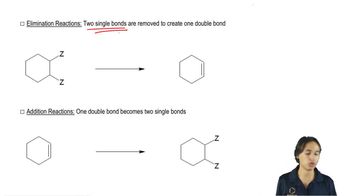
  • Recognizing Elimination Reactions.
    00:40

Reaction Mechanism

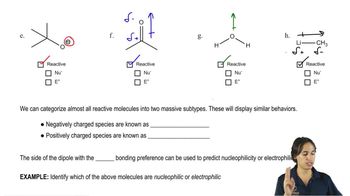
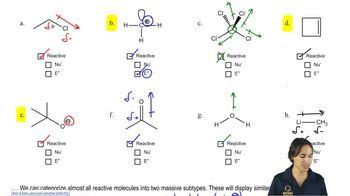
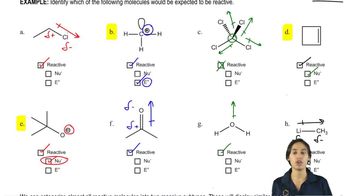
  • How to tell if charged molecules will react as nucleophiles or electrophiles.
    02:39
  • Nucleophile or Electrophile
    01:49
  • How to tell if uncharged molecules will react as nucleophiles or electrophiles.
    02:48

Organic Chemistry Reactions

  • Recognizing Substitution Reactions.
    01:34
  • Recognizing Acid-Base Reactions.
    02:43
  • Recognizing Elimination Reactions.
    00:40