Back

Chapter 11: The Chemistry of Alcohols and Thiols – Study Notes

Study Guide - Learn with Videos

Curated lessons matched to your uploaded material – learn every topic step by step.

Phenol Acidity

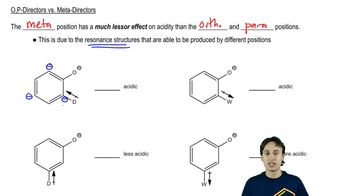
  • O,P-positions vs. Meta-Positions
    02:48
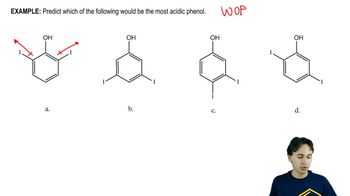
  • Identify the most acidic phenol
    00:52
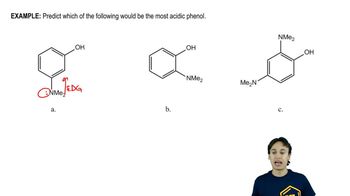
  • Identify the most acidic phenol
    02:27

Alcohol Synthesis

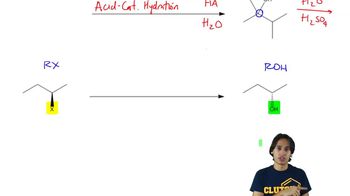
  • Forming alcohols through SN2 reactions.
    01:44
  • Forming alcohols through Acid-Catalyzed Hydration.
    02:02
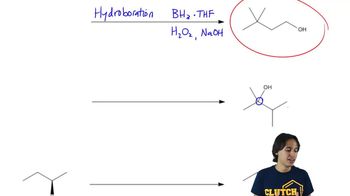
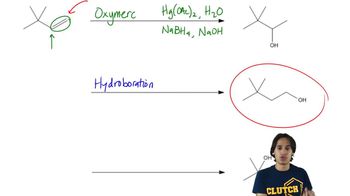
  • Forming alcohols through Hydroboration-Oxidation.
    01:37

Dehydration Reaction

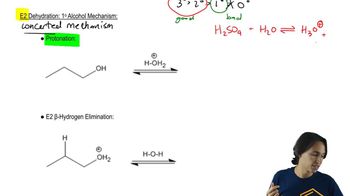
  • Dehydration of 1° alcohols:The E2 Mechanism
    05:20
  • An extra note of caution with 1° alcohols.
    01:06
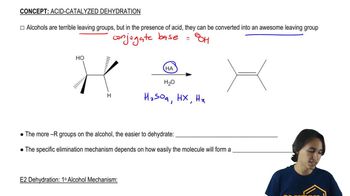
  • General features of acid-catalyzed dehydration.
    06:01

Naming Alkyl Halides

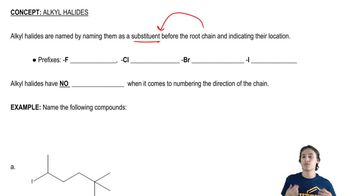
  • How to name alkyl halides
    01:52
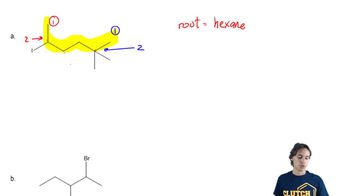
  • Name the following alkyl halide
    01:58
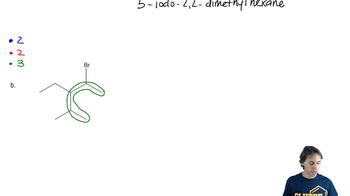
  • Name the following alkyl halide
    03:53

Nucleophilic Substitution

  • Predict the product
    05:55
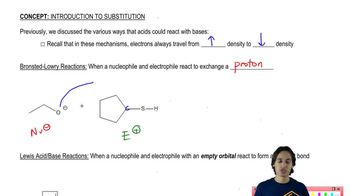
  • Nucleophiles and Electrophiles can react in Bronsted-Lowry Reactions.
    05:01
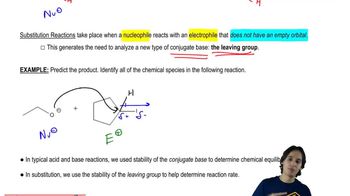
  • Nucleophiles and Electrophiles can react in Substitution Reactions.
    01:47

SN1 Reaction

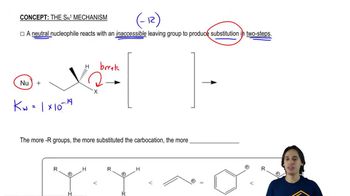
  • Drawing the SN1 Mechanism
    10:49
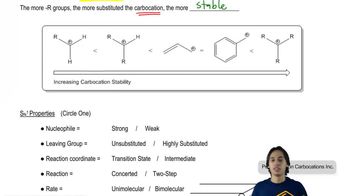
  • Why highly substituted leaving groups favor SN1.
    01:13
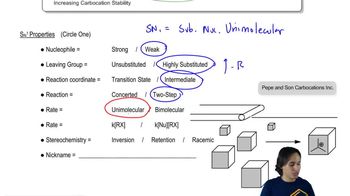
  • Understanding the properties of SN1.
    08:16

SN2 Reaction

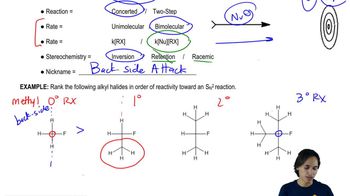
  • Ranking reactivity toward SN2
    04:03
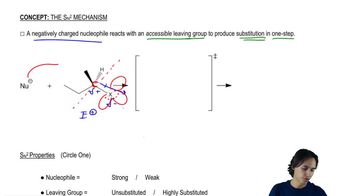
  • Drawing the SN2 Mechanism
    08:33
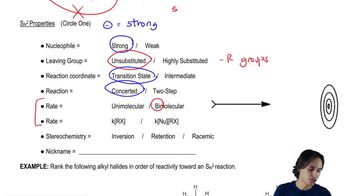
  • Understanding the properties of SN2.
    11:57

Leaving Group Conversions Summary

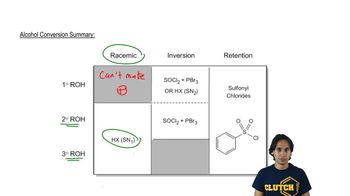
  • Comparing and contrasting the Alcohol Conversions.
    04:30

Oxidizing and Reducing Agents

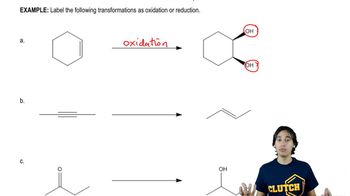
  • Distinguishing between Oxidation and Reduction
    00:54
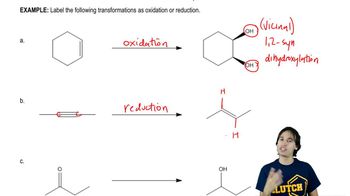
  • Distinguishing between Oxidation and Reduction
    01:18
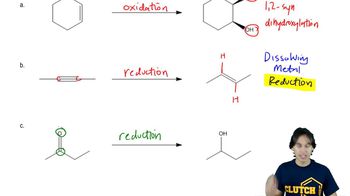
  • Distinguishing between Oxidation and Reduction
    00:54

Ketone and Aldehyde Synthesis Reactions

    Ketone and Aldehyde Synthesis Reactions