Back

Chapter 6: The Reactions of Alkenes – Mechanisms and Stereochemistry of Addition Reactions

Study Guide - Learn with Videos

Curated lessons matched to your uploaded material – learn every topic step by step.

Overview of Chemical Reactions

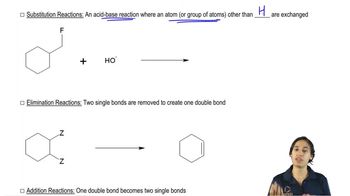
  • Recognizing Substitution Reactions.
    01:34
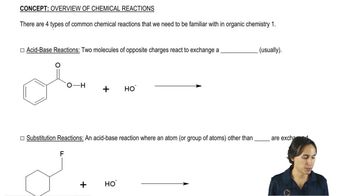
  • Recognizing Acid-Base Reactions.
    02:43
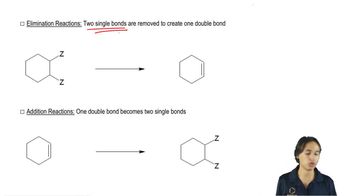
  • Recognizing Elimination Reactions.
    00:40

Reaction Mechanism

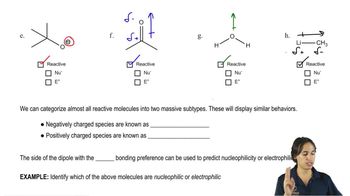
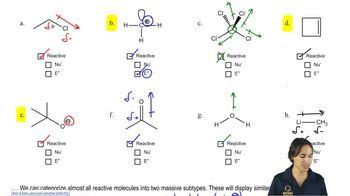
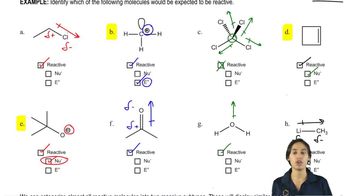
  • How to tell if charged molecules will react as nucleophiles or electrophiles.
    02:39
  • Nucleophile or Electrophile
    01:49
  • How to tell if uncharged molecules will react as nucleophiles or electrophiles.
    02:48

Carbocation Intermediates – Stability

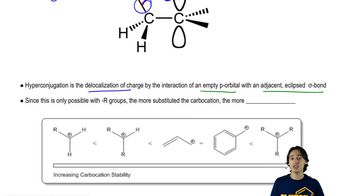
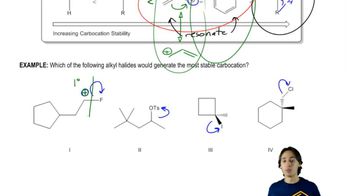
  • Determining Carbocation Stability
    05:58
  • Predicting the most stable carbocation
    01:21

Carbocation Intermediate Rearrangements

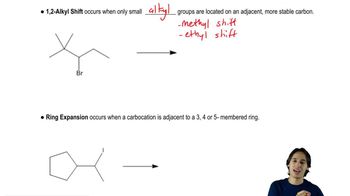
  • Alkyl Shift
    03:43
  • Understanding why carbocations shift.
    00:47
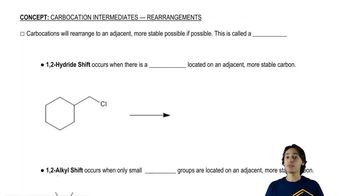
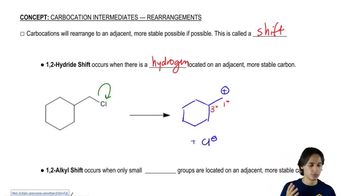
  • Hydride Shift
    03:34

Markovnikov

  • Provide the mechanism
    01:26
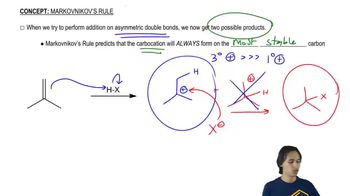
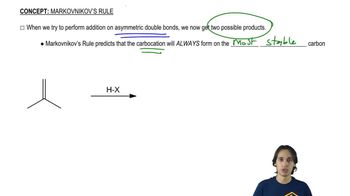
  • How to add to asymmetrical double bonds.
    03:38

Addition Reaction

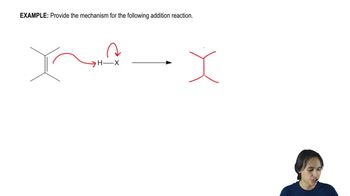
  • Provide the mechanism
    01:15
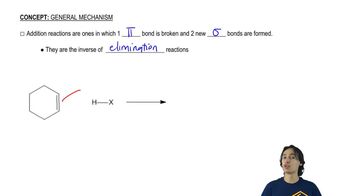
  • Features of Addition Mechanisms.
    05:39

Hydrohalogenation

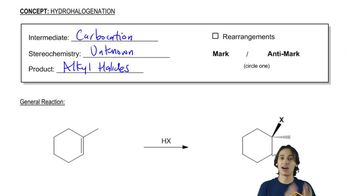
  • General properties of hydrohalogenation.
    04:07
  • Provide the mechanism
    02:24

Acid-Catalyzed Hydration

  • General properties of acid-catalyzed hydration.
    06:32
  • Acid-catalyzed hydration mechanism
    06:34

Hydroboration

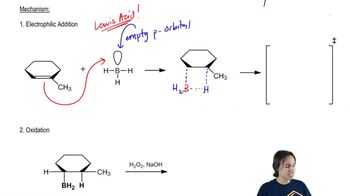
  • General properties of hydroboration-oxidation.
    06:38
  • Acid-catalyzed hydroboration-oxidation mechanism
    06:14

Epoxidation

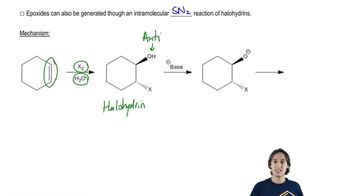
  • Halohydrins to epoxides via intramolecular SN2.
    02:26
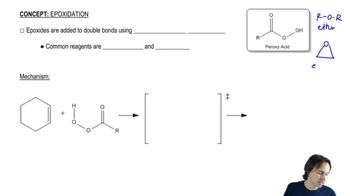
  • General properties of epoxidation.
    02:19
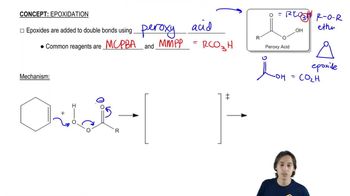
  • The mechanism of how peroxy acids make epoxides.
    03:19

Halogenation

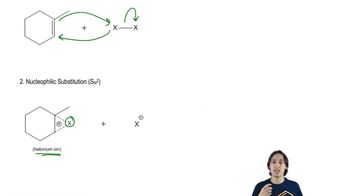
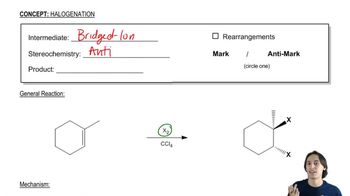
  • Halogenation Mechanism
    03:45
  • General properties of halogenation.
    02:27

Halohydrin

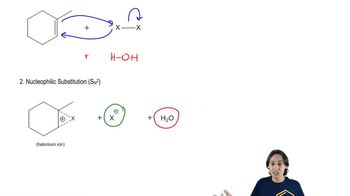
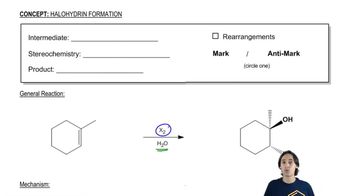
  • Halohydrin Mechanism
    04:48
  • General properties of halohydrin formation.
    01:44

Carbene

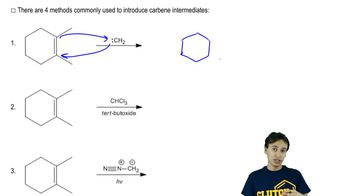
  • Reaction with a simple carbene.
    01:48
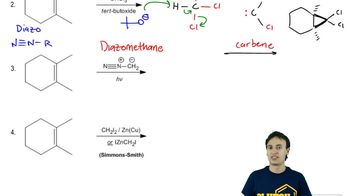
  • Reaction with diazomethane and light or heat.
    03:01
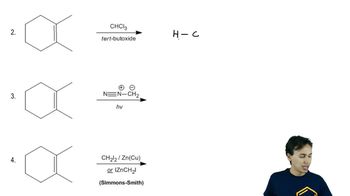
  • Reaction with chloroform (CHCl3) and tert-butoxide.
    03:04

Ozonolysis

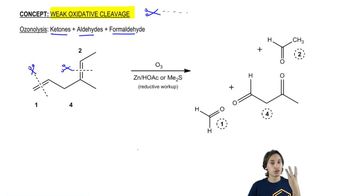
  • General properties of ozonolysis.
    06:30

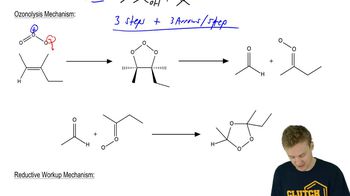
Ozonolysis Full Mechanism

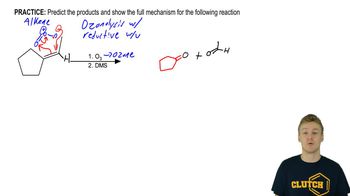
  • Predict the products and show the mechanism:
    12:11
  • General Mechanism:
    07:48
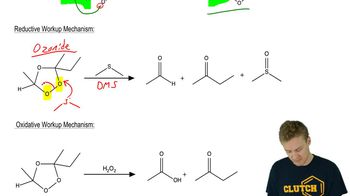
  • Reductive Workup Mechanism:
    03:16

Chirality

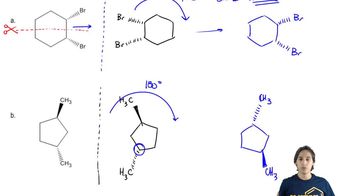
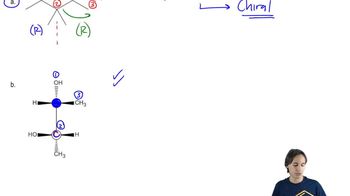
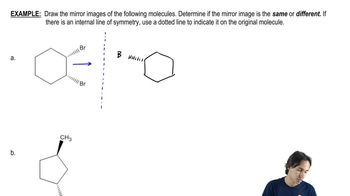
  • Drawing Mirror Images and Determining Chirality
    03:24
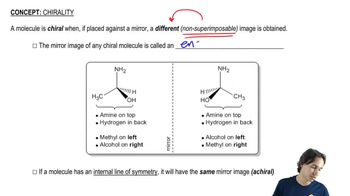
  • What is chirality?
    05:10
  • Drawing Mirror Images and Determining Chirality
    03:44

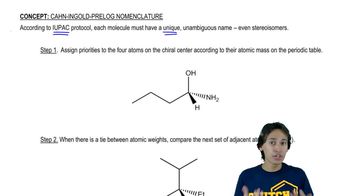
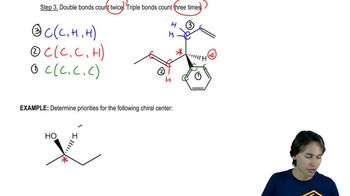
Cahn-Ingold-Prelog Nomenclature

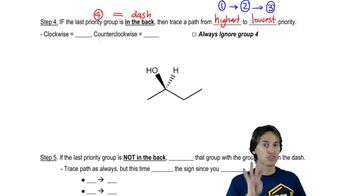
  • R and S Naming- Step 4
    03:07
  • Why stereoisomers need their own naming system.
    01:48
  • Determining Priorities
    01:19

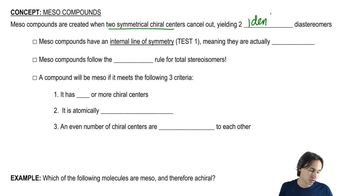
Meso Compounds

  • Defining meso compounds.
    01:40
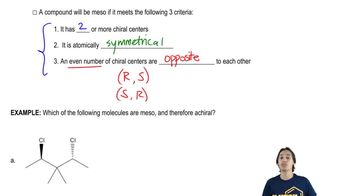
  • The 3 rules of meso compounds.
    04:10
  • Which of the following molecules are meso?
    03:44

Cis vs Trans

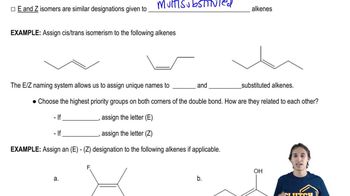
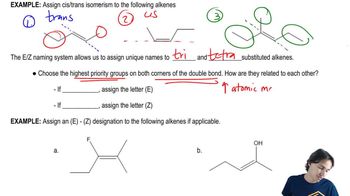
  • Why we need to use the E/Z naming system
    02:07
  • What does E and Z stand for?
    00:50
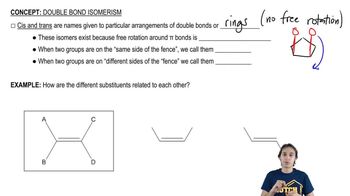
  • How to name different types of double bonds or rings
    04:28

Overview of Chemical Reactions

  • Recognizing Substitution Reactions.
    01:34
  • Recognizing Acid-Base Reactions.
    02:43
  • Recognizing Elimination Reactions.
    00:40

Overview of Chemical Reactions

  • Recognizing Substitution Reactions.
    01:34
  • Recognizing Acid-Base Reactions.
    02:43
  • Recognizing Elimination Reactions.
    00:40