Back

Chapter 8: Noncovalent Intermolecular Interactions, Nomenclature, and Solubility of Alkyl Halides, Alcohols, Thiols, Ethers, and Sulfides

Study Guide - Learn with Videos

Curated lessons matched to your uploaded material – learn every topic step by step.

Functional Groups

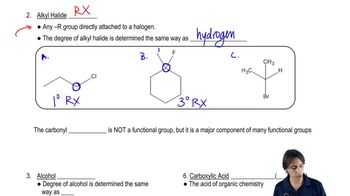
  • Assigning Degrees to Alkyl Halides
    01:30
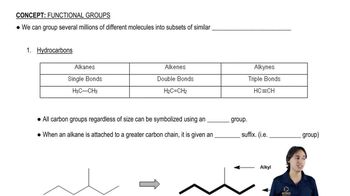
  • Why we need functional groups.
    01:49
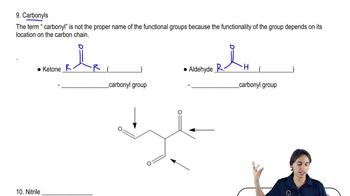
  • The difference between aldehydes and ketones.
    03:08

Alkane Nomenclature

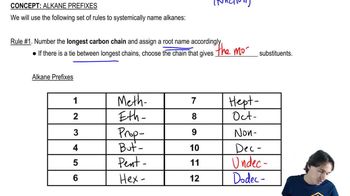
  • Naming the root chain
    01:02
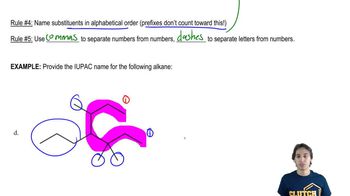
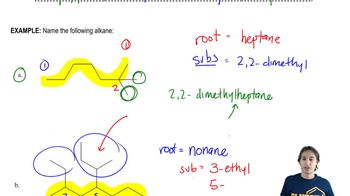
  • Provide the IUPAC name for the following alkane
    07:08
  • The different parts of an IUPAC name
    03:43

Alkyl Groups

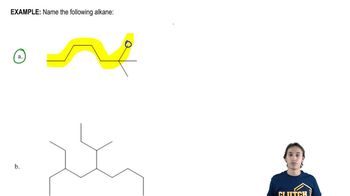
  • Name the following alkane
    02:33
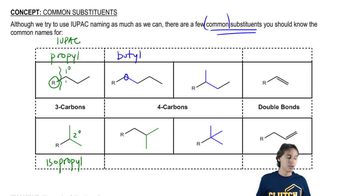
  • Understanding Non-IUPAC Substituents
    06:42
  • Name the following alkane
    03:56

Naming Alkyl Halides

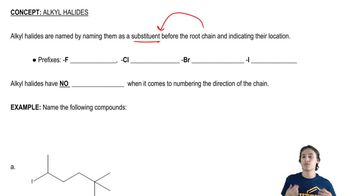
  • How to name alkyl halides
    01:52
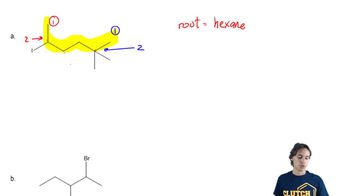
  • Name the following alkyl halide
    01:58
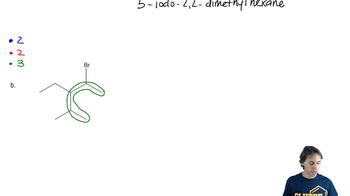
  • Name the following alkyl halide
    03:53

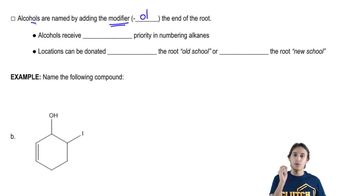
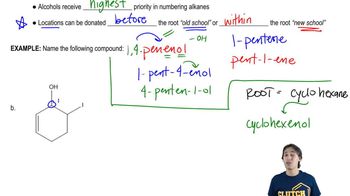
Naming Alcohols

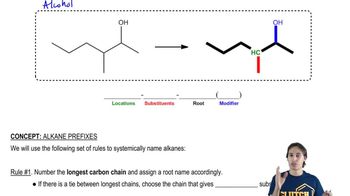
  • How to name alcohols
    01:01
  • Name the following compound
    03:59
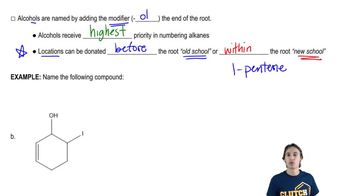
  • Old school vs. new school naming
    03:03

Naming Thiols

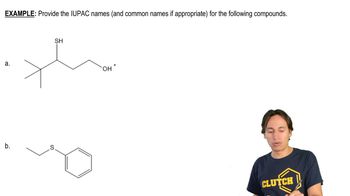
  • Provide the IUPAC name and common name for the following compound.
    02:43
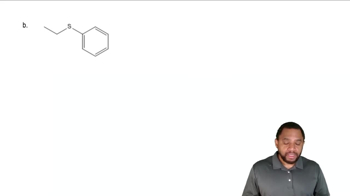
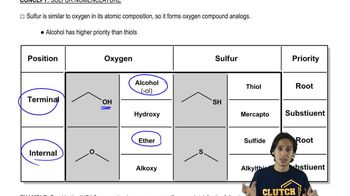
  • How to name sulfur-containing compounds.
    05:34
  • Provide the IUPAC name for the following compound.
    03:03

Naming Ethers

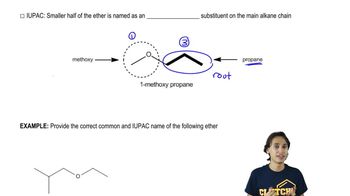
  • How to name ethers using the IUPAC naming system.
    02:08
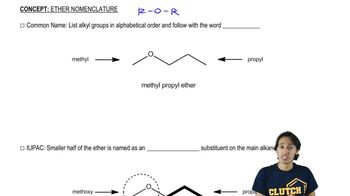
  • How to name ethers using the common naming system.
    01:32
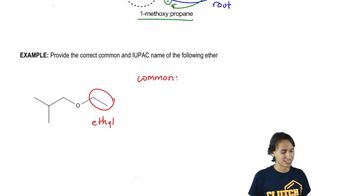
  • Provide the correct common name of the following ether.
    01:22

Nomenclature of Heterocycles

  • Guided course
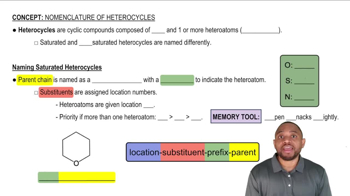
    Nomenclature of Heterocycles Concept 1
    2:06
  • Guided course
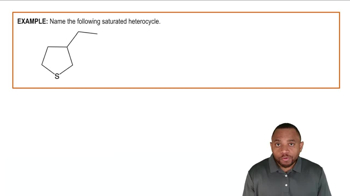
    Nomenclature of Heterocycles Example 1
    0:50
  • Guided course
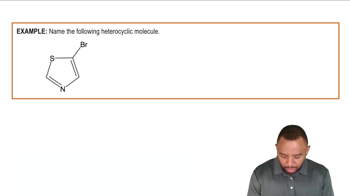
    Nomenclature of Heterocycles Example 2
    1:13

Bonding Preferences

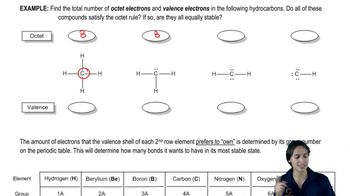
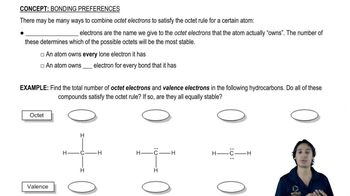
  • What is the difference between valence and octet electrons?
    02:04
  • Understanding the hydrogen isotopes.
    08:32
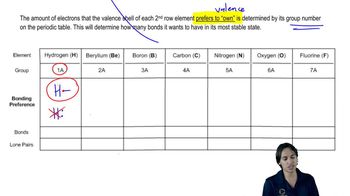
  • What is a valence electron?
    02:14

Intermolecular Forces

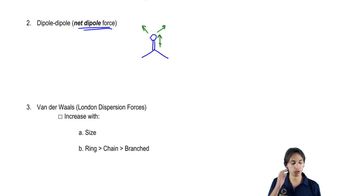
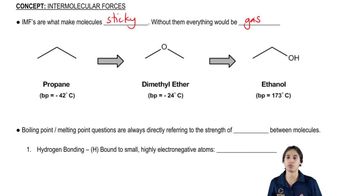
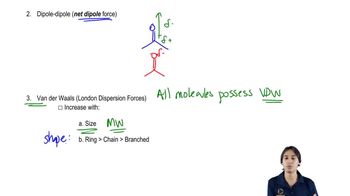
  • How dipole-dipole forces work.
    01:46
  • How IMFs are related to melting and boiling points.
    03:08
  • How Van der Waals forces work.
    03:01

Solubility

  • Introducing common solvents and other molecules in organic chemistry.
    02:01
  • Understanding “like dissolves like”.
    01:47

Solvents

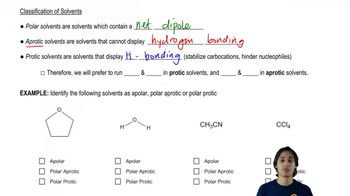
  • The difference between protic vs. aprotic solvents.
    03:57
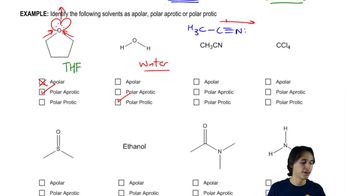
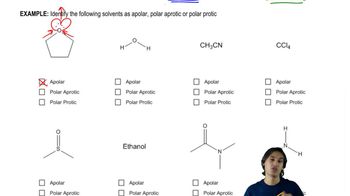
  • Identification of polarity in solvents
    01:16
  • Identification of polarity in solvents
    00:39

Acid and Base Definitions

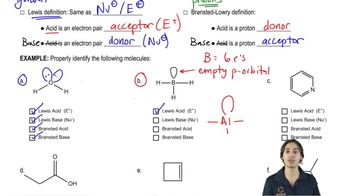
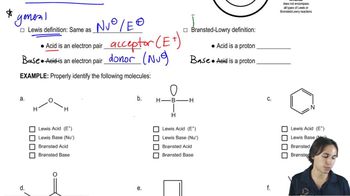
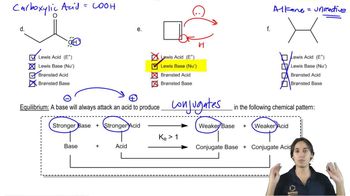
  • Lewis vs. Bronsted-Lowry Definition
    07:46
  • The Bronsted-Lowry definition of acids and bases.
    00:54
  • Equilibrium constant and conjugates.
    02:11

Acid Base Equilibrium

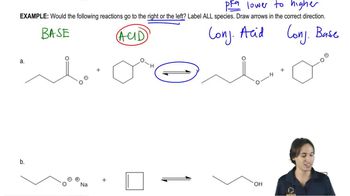
  • The 3 steps for determining the direction of acid and base equilibrium.
    05:11
  • Determining Acid/Base Equilibrium
    04:00
  • Determining Acid/Base Equilibrium
    02:34

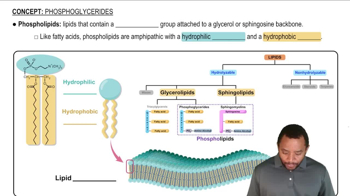
Intro to Lipids

  • Guided course
    Intro to Lipids Concept 1
    3:13
  • Guided course
    Intro to Lipids Example 1
    1:36
  • Guided course
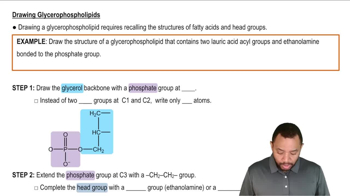
    Intro to Lipids Concept 2
    1:09

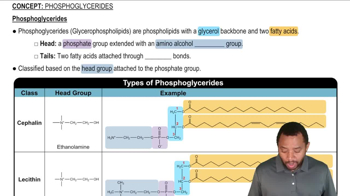
Phosphoglycerides

  • Guided course
    Phosphoglycerides Concept 3
    2:32
  • Guided course
    Phosphoglycerides Concept 1
    2:26
  • Guided course
    Phosphoglycerides Concept 2
    2:22