Back

Comprehensive Study Guide: Advanced Organic Chemistry Concepts and Mechanisms

Study Guide - Learn with Videos

Curated lessons matched to your uploaded material – learn every topic step by step.

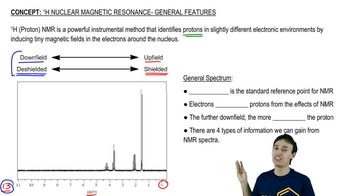
1H Nuclear Magnetic Resonance - General Features

  • General NMR Features
    10:06

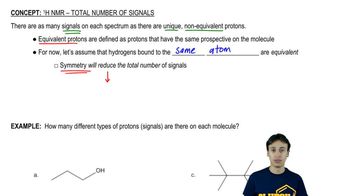
1H NMR - Total Number of Signals

  • General Assumption for 1H NMR Signals
    04:35
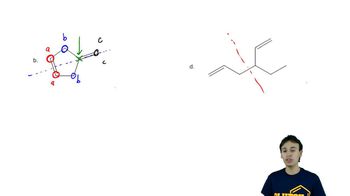
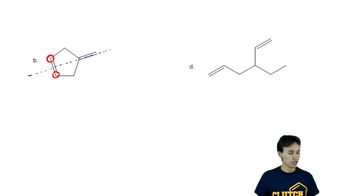
  • Identifying Proton Signals
    02:02
  • Identifying Proton Signals
    01:55

1H NMR - Spin-Splitting without J-Values

  • Splitting without J-values
    12:21
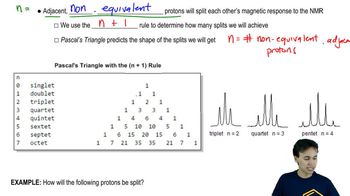
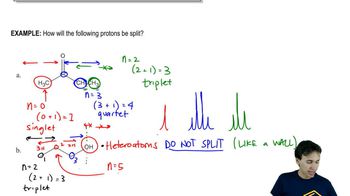
  • Proton Splitting
    03:

1H NMR - Integration

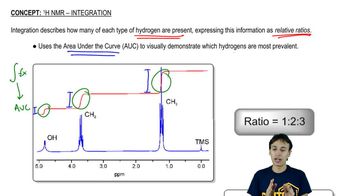
  • 1H NMR Integration
    06:46
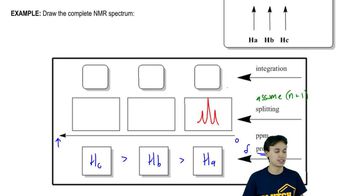
  • Draw Complete NMR Spectrum
    04:29

13C NMR - General Features

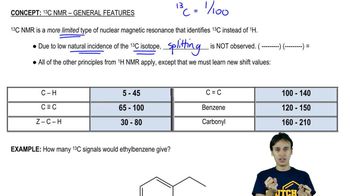
  • 13C NMR General Features
    04:00
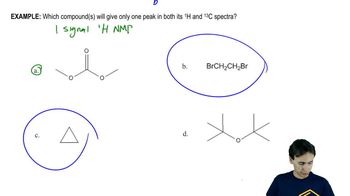
  • 1H and 13C Joint Problem
    01:10
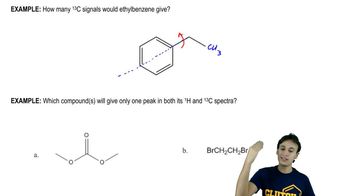
  • Identifying 13C Signals
    02:12

Index of Hydrogen Deficiency (Structural)

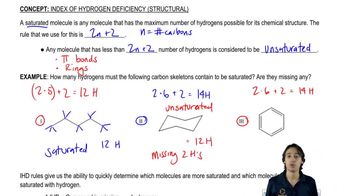
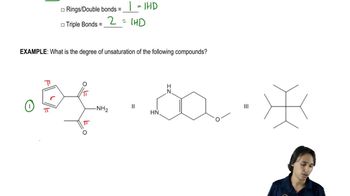
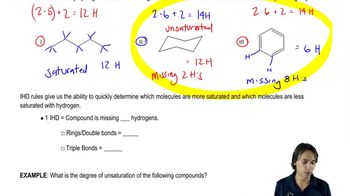
  • Is the following molecule saturated?
    00:30
  • What is the IHD of the following molecule?
    00:45
  • What index of hydrogen deficiency is.
    01:15

Functional Groups

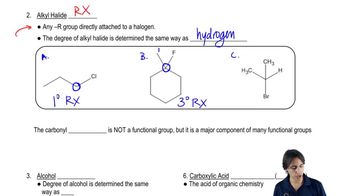
  • Assigning Degrees to Alkyl Halides
    01:30
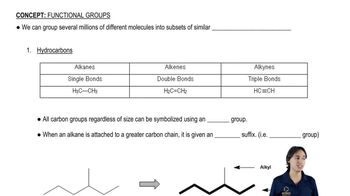
  • Why we need functional groups.
    01:49
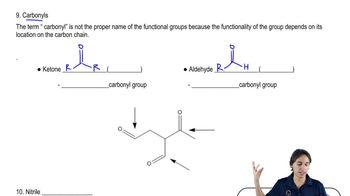
  • The difference between aldehydes and ketones.
    03:08

Introduction to Conjugation

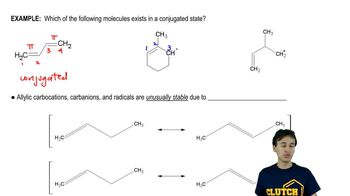
  • Conjugated states
    03:27
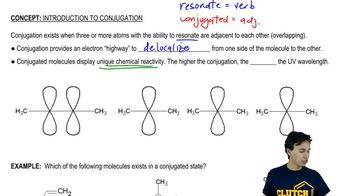
  • Definition of Conjugation
    05:29
  • Review of Common Resonance Structures
    04:50

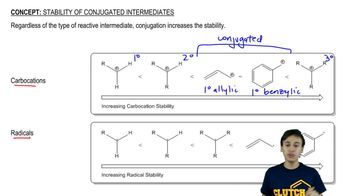
Stability of Conjugated Intermediates

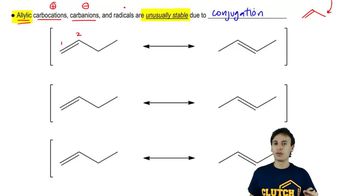
  • Stability of Conjugated Intermediates
    04:31

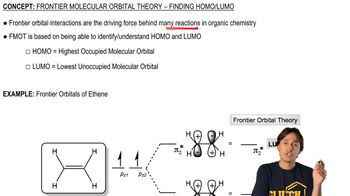
Frontier Molecular Orbital Theory - Finding HOMO/LUMO

  • HOMO vs. LUMO
    02:35

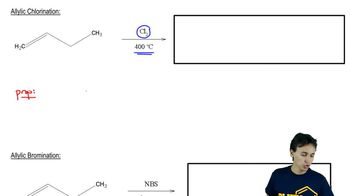
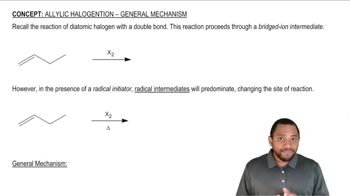
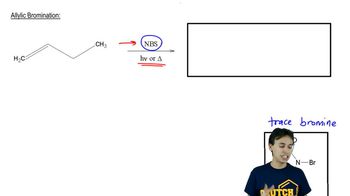
Allylic Halogenation

  • Specific Reactions - Allylic Chlorination
    03:
  • Allylic Halogentation - General Mechanism
    07:50
  • Specific Reactions - Allylic Bromination
    03:20

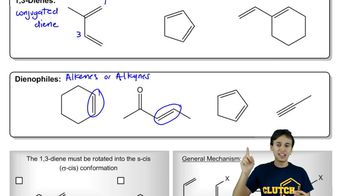
Diels-Alder Reaction - General Features

  • General Features
    09:48

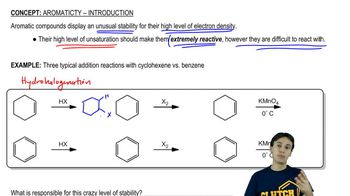
Aromaticity - Introduction

  • Intro to Aromaticity
    08:19

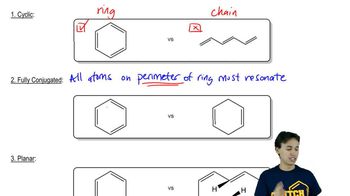
Four Tests of Aromaticity

  • Four tests
    10:23

Electrophilic Aromatic Substitution – General Mechanism

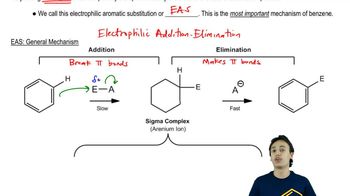
  • EAS General Mechanism
    06:52
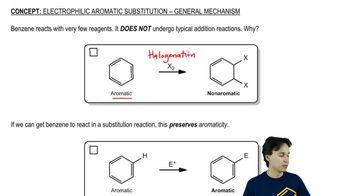
  • EAS Review
    03:07

Electrophilic Aromatic Substitution – Reactions

  • EAS Reactions Overview
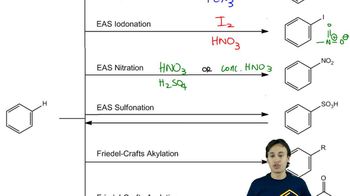
    11:50

Generating Electrophiles – EAS Halogenation

  • EAS Halogenation
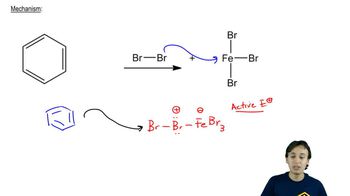
    06:26

Generating Electrophiles – EAS Nitration

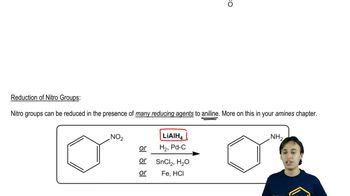
  • Reduction of Nitro Groups
    03:23
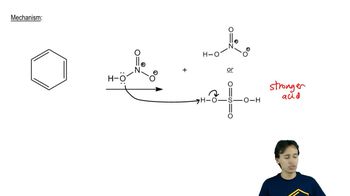
  • EAS Nitration
    06:09

Generating Electrophiles – Friedel-Crafts Alkylation

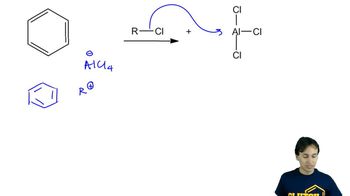
  • Friedel-Crafts Alkylation
    06:30

Generating Electrophiles – Friedel-Crafts Acylation

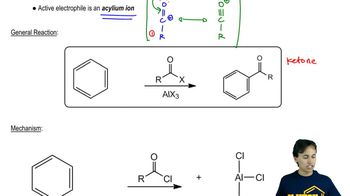
  • Friedel-Crafts Acylation
    05:20

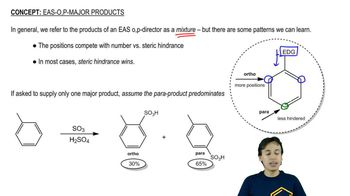
EAS-o, p-Major Products

  • Ortho, Para major products
    04:42

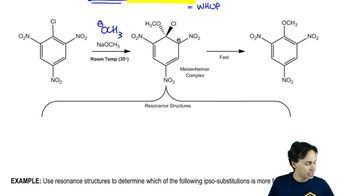
SNAr Addition-Elimination Mechanism

  • The Meisenheimer Complex
    06:23
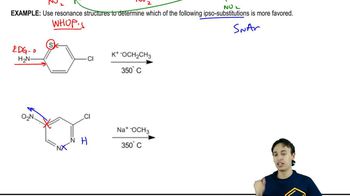
  • Which ipso-substitution is more favored
    03:30
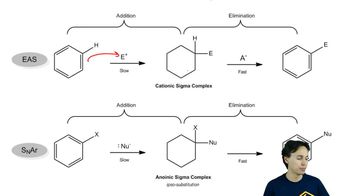
  • General Mechanism
    06:45

Aldehyde Nomenclature

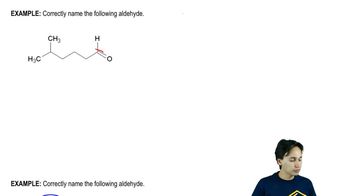
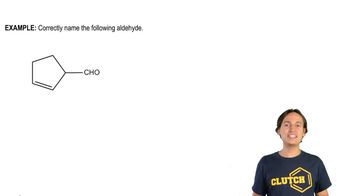
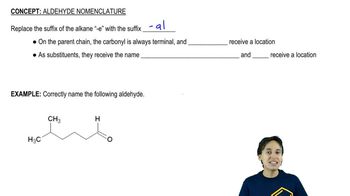
  • Name the aldehyde
    01:34
  • Name the aldehyde
    03:17
  • Nomenclature
    03:11

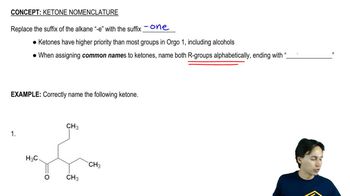
Ketone Nomenclature

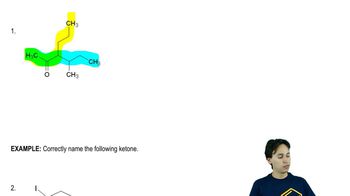
  • Name the ketone
    01:58
  • Nomenclature
    03:05
  • Name the ketone
    02:27

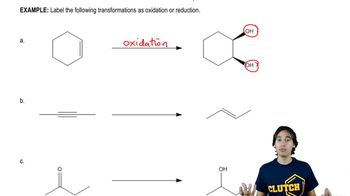
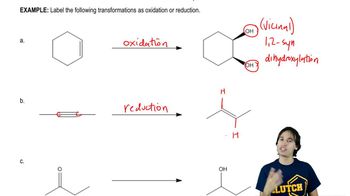
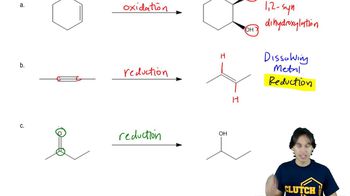
Intro to Redox

  • Distinguishing between Oxidation and Reduction
    00:54
  • Distinguishing between Oxidation and Reduction
    01:18
  • Distinguishing between Oxidation and Reduction
    00:54

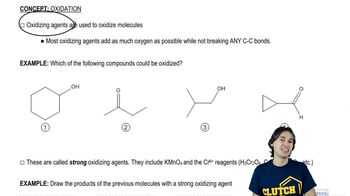
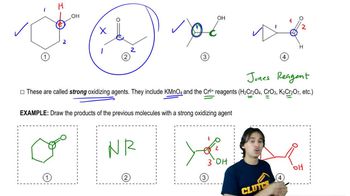
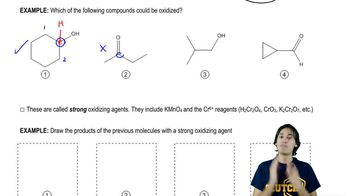
Oxidation

  • Reagents
    01:52
  • Strong oxidizing agents
    05:53
  • Strong oxidizing agents
    03:40

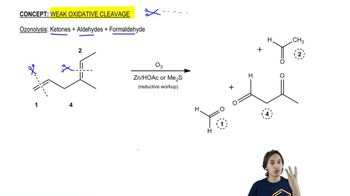
Weak Oxidative Cleavage

  • General properties of ozonolysis.
    06:30

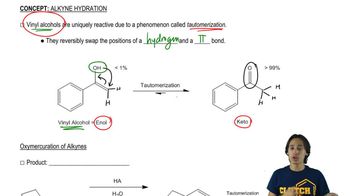
Alkyne Hydration

  • Alkyne Hydration
    09:11

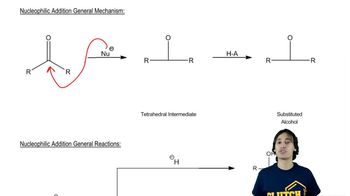
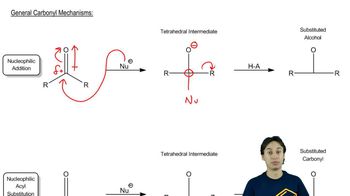
Nucleophilic Addition

  • Nucleophilic Addition
    08:27

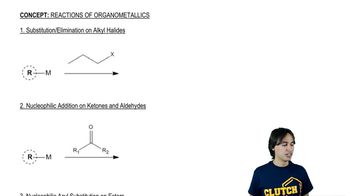
Reactions of Organometallics

  • Reactions of Organometallics
    13:40

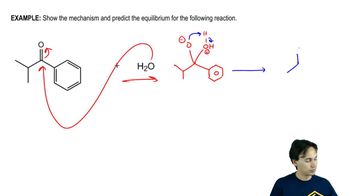
Hydrates

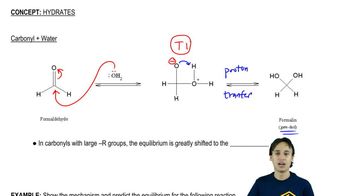
  • Show the mechanism, predict the equilibrium
    01:57
  • Mechanism
    04:10

Hemiacetals

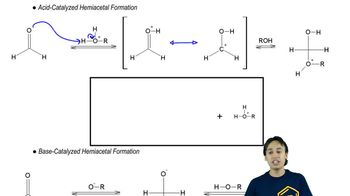
  • Acid-Catalzed Mechanism
    04:08
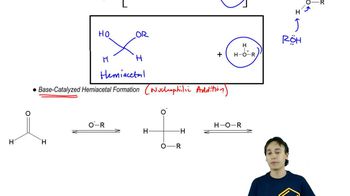
  • Base-Catalyzed Mechanism
    01:59
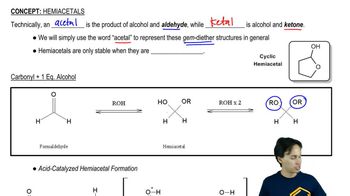
  • General Features
    03:34

Acetals

  • General Mechanism
    06:41

Acetals as Protecting Groups

  • Protecting Groups
    02:44
  • Acetal Protecting Group
    04:29

Imines and Enamines

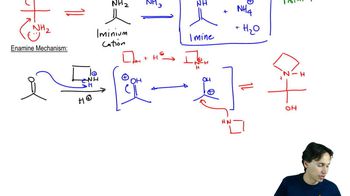
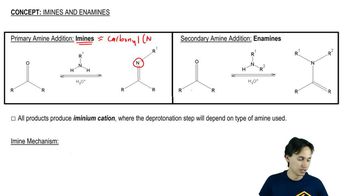
  • Imine Mechanism
    06:23
  • Enamine Mechanism
    06:25
  • General Reactions
    02:27

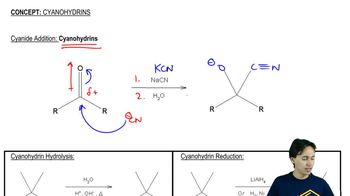
Cyanohydrins

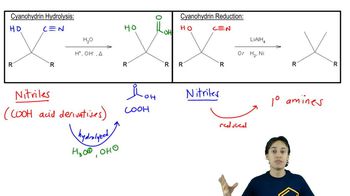
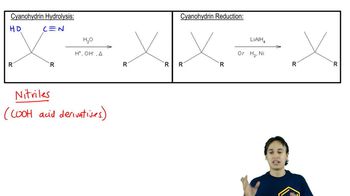
  • Nitrile Reduction
    02:36
  • Nitrile Hydrolysis
    02:22
  • Addition of Cyanide
    03:53

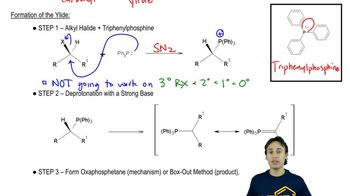
Wittig Reaction

  • Box-Out Method and Full-Mechanism
    15:39

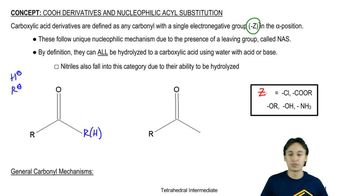
COOH Derivatives and Nucleophilic Acyl Substitution

  • Intro to Nucleophilic Acyl Substituion
    04:06
  • Intro to Carboxylic Acid Derivatives
    03:50

Carboxylic Acid Nomenclature

  • Give the IUPAC name
    02:03
  • Carboxylic Acids Nomenclature
    04:20

Ester Nomenclature

  • Draw the molecule
    01:28
  • Name the structure
    01:10
  • Ester Nomenclature
    02:39

Nitrile Nomenclature

  • Name the structure
    00:50
  • Nitrile Nomenclature
    01:01
  • Draw the molecule
    00:28

Acid Chloride Nomenclature

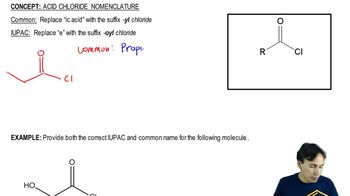
  • Acid Chloride Nomenclature
    03:13
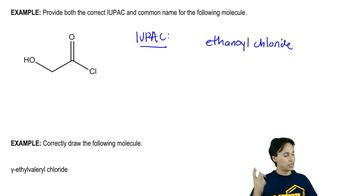
  • Provide the IUPAC name for the molecule
    01:44
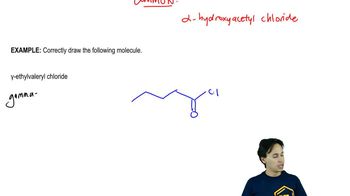
  • Draw the Acid-Chloride
    00:37

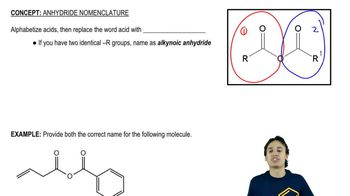
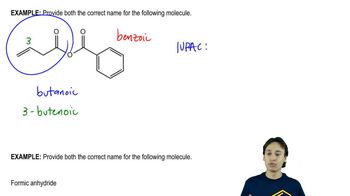
Anhydride Nomenclature

  • Draw the molecule
    00:40
  • Anhydride Nomenclature
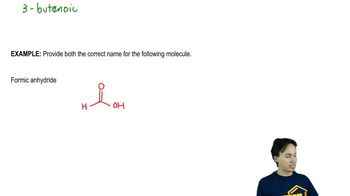
    03:35
  • Provide the IUPAC name for the molecule
    02:47

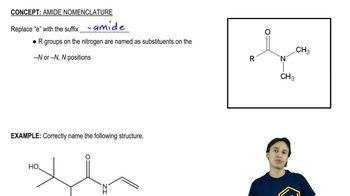
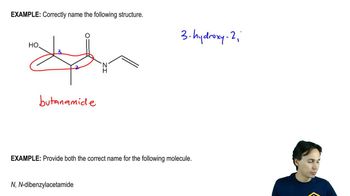
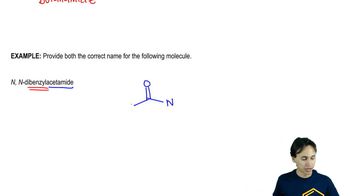
Amide Nomenclature

  • Amide Nomenclature
    01:33
  • Name the molecule
    02:46
  • Draw the amide
    01:28

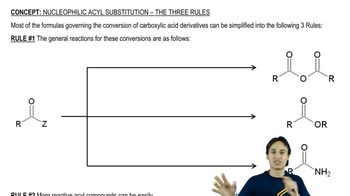
Nucleophilic Acyl Substitution – The Three Rules

  • NAS - The Three Rules
    09:32

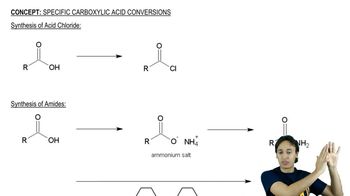
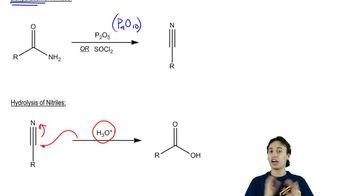
Specific Carboxylic Acid Conversions

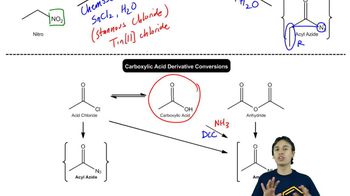
  • Synthesis of Acid Chlorides
    01:36
  • Hydrolysis of Nitriles
    01:11
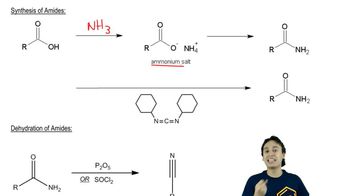
  • Synthesis of Amides
    02:32

Fischer Esterification – Mechanism

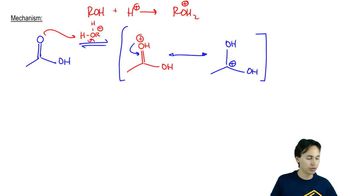
  • General Mechanism
    04:08
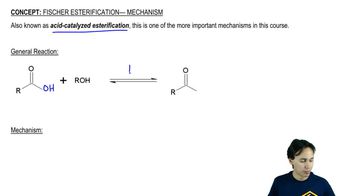
  • General Reaction
    01:08

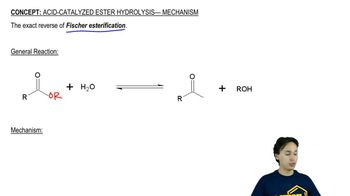
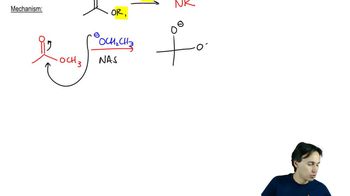
Acid-Catalyzed Ester Hydrolysis – Mechanism

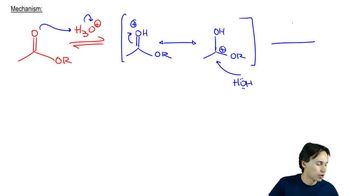
  • General Mechanism
    02:38
  • General Reaction
    01:31

Base-Catalyzed Ester Hydrolysis – Mechanism

  • Mechanism
    03:27

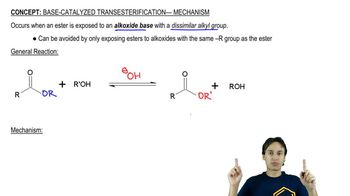
Base-Catalyzed Transesterificaation – Mechanism

  • General Mechanism
    02:27
  • General Reaction
    02:49

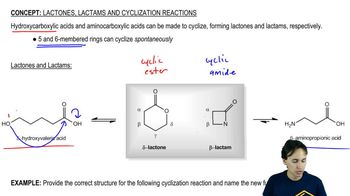
Lactones, Lactams and Cyclization Reactions

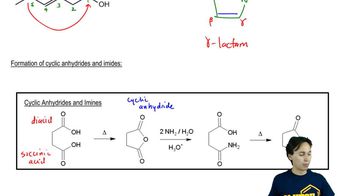
  • Lactones and Lactams
    05:19
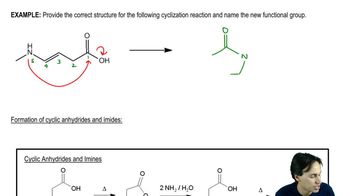
  • Cyclic Anhydrides and Imides
    03:35
  • Cyclization Reaction
    01:33

Carbonation of Grignard Reagents

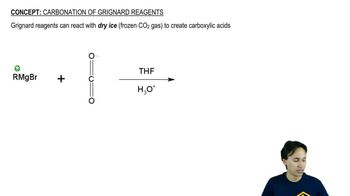
  • Carbonation of Grignard Reagents
    02:12

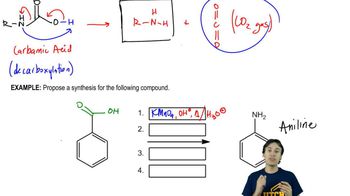
Decarboxylation

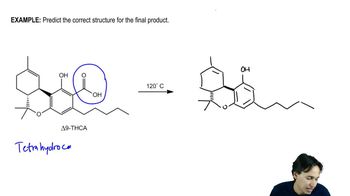
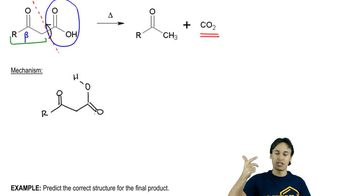
  • Predict the correct structure
    02:32
  • General Mechanism
    04:32

Alpha Carbons and Tautomerization

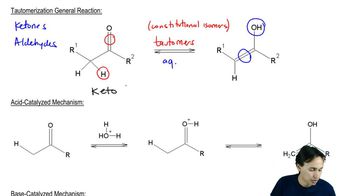
  • Tautomerization Mechanisms
    05:11
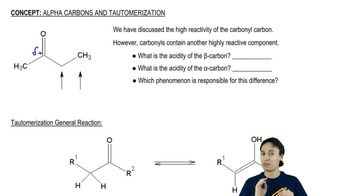
  • Unusual Acidity of the Alpha Carbon
    01:51

Tautomers of Dicarbonyl Compounds

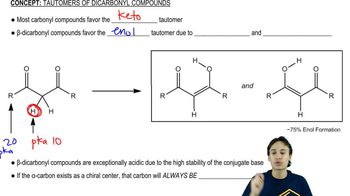
  • Tautomers of Dicarbonyls
    04:48
  • Acidic Ketones
    02:07

Enolates

  • General Reactions
    02:28
  • Formation of Enolates
    02:26

Acid-Catalyzed Alpha-Halogenation

  • Acid Catalyzed
    03:09

Base-Catalyzed Alpha-Halogenation

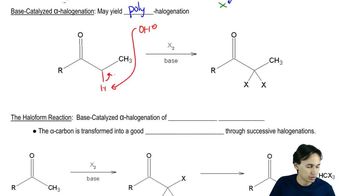
  • Base Catalyzed
    01:57

Haloform Reaction

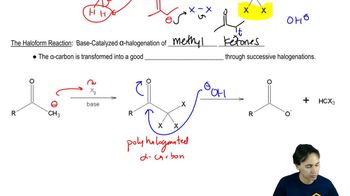
  • Haloform Reaction
    03:50

Hell-Volhard-Zelinski Reaction

    Overview of α-Carbon Alkylations and Acylations

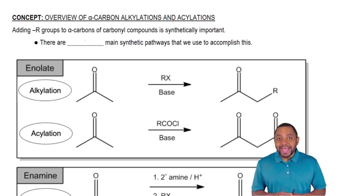
    • Overview
      06:12

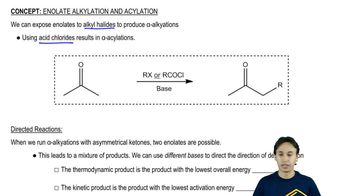
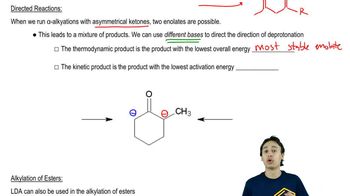
    Enolate Alkylation and Acylation

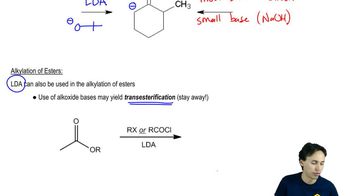
    • Alkylation of Esters
      03:05
    • General Reaction
      01:11
    • Directed Reactions
      04:35

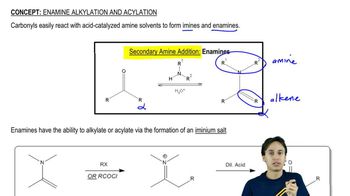
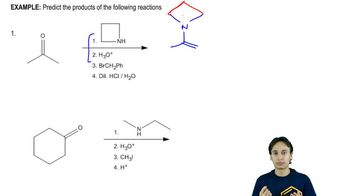
    Enamine Alkylation and Acylation

    • General Reaction
      03:36
    • Predict the Products
      02:50
    • Predict the Products
      03:13

    Beta-Dicarbonyl Synthesis Pathway

    • General Mechanism
      07:29

    Acetoacetic Ester Synthesis

    • Predict the products
      05:16
    • General Reactions
      05:04

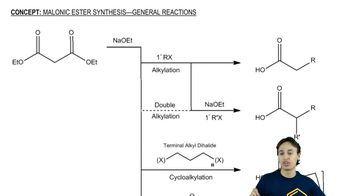
    Malonic Ester Synthesis

    • General Reactions
      01:25
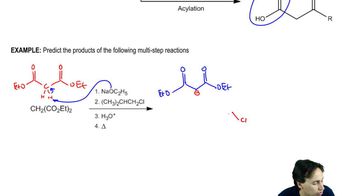
    • Predict the Products
      04:09

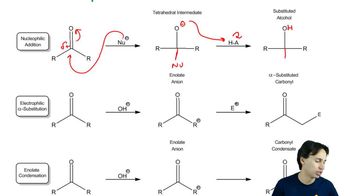
    Condensation Reactions

    • Condensation Reactions
      05:53

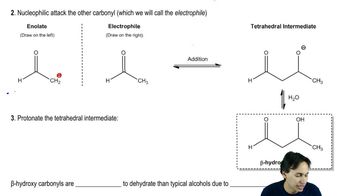
    Aldol Condensation

    • General Features
      11:07

    Crossed Aldol Condensation

    • Crossed Aldol
      09:51

    Claisen-Schmidt Reaction

    • Predict the Major Product
      02:28
    • Claisen-Schmidt Reaction
      02:10

    Claisen Condensation

    • Claisen Condensation
      08:28

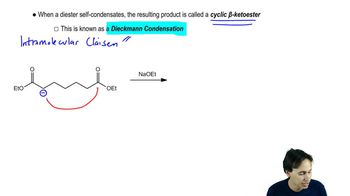
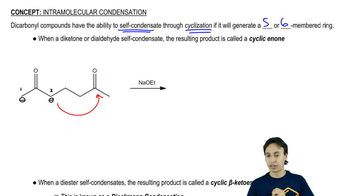
    Intramolecular Condensation

    • Diesters (Dieckmann Condensation)
      03:27
    • Diketones
      05:52

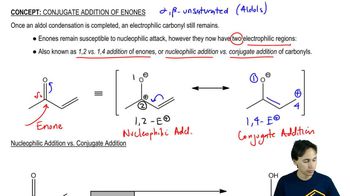
    Conjugate Addition of Enones

    • 1,2 vs 1,4 Addition
      09:23

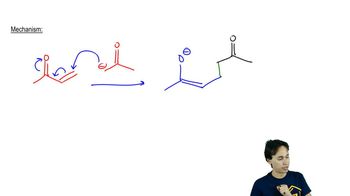
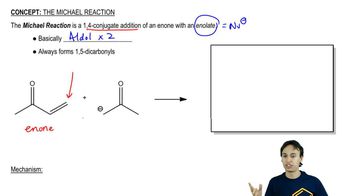
    The Michael Reaction

    • General Mechanism
      03:27
    • General Reaction
      02:34

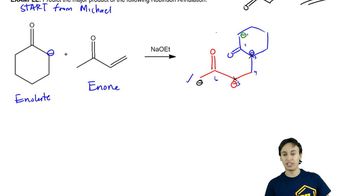
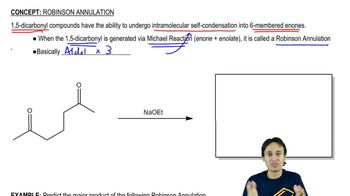
    Robinson Annulation

    • Predict the Major Product
      05:00
    • Robinson Annulation
      04:12

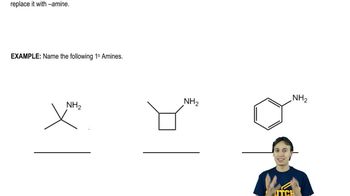
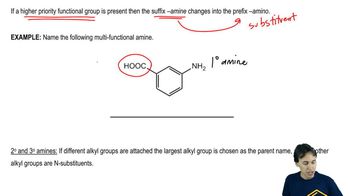
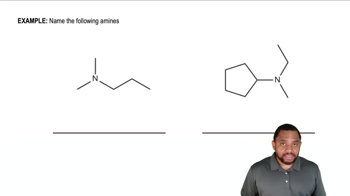
    Naming Amines

    • Naming Primary Amines
      06:50
    • Primary Amines as Substituents
      02:58
    • Naming Secondary and Tertiary Amines
      01:57

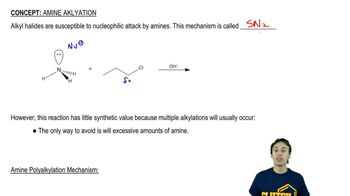
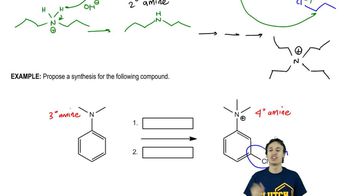
    Amine Alkylation

    • General Reaction
      03:51
    • Propose a Synthesis
      03:46
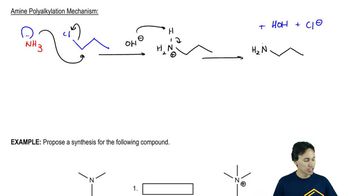
    • Mechanism
      03:54

    Gabriel Synthesis

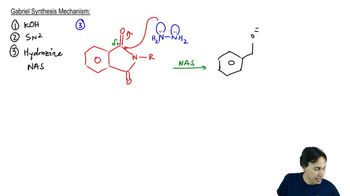
    • Mechanism
      05:42
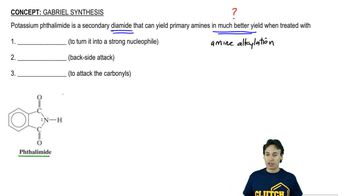
    • General Reaction
      04:53

    Amines by Reduction

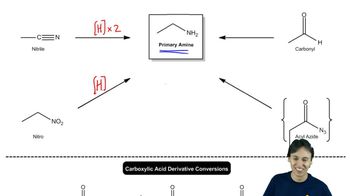
    • The Primary Amines Flowchart
      09:12
    • Making Amine Precursors
      03:22

    Nitrogenous Nucleophiles

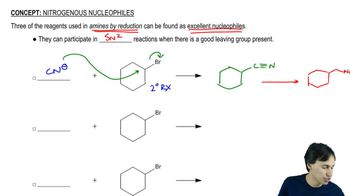
    • Four Ways to Make a Primary Amine Precursor
      07:11
    • Provide the Major Product
      01:30

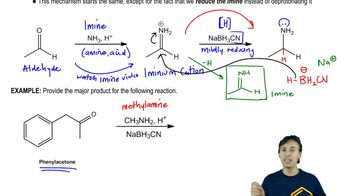
    Reductive Amination

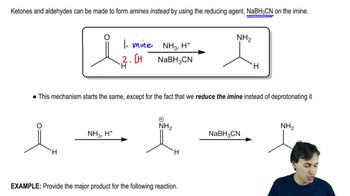
    • Reductive Amination
      07:12
    • Provide the Major Product
      03:07

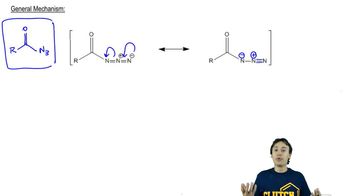
    Curtius Rearrangement

    • Propose a Synthesis
      04:46
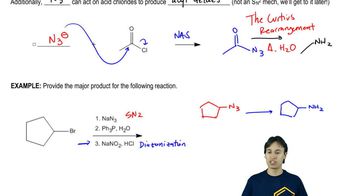
    • General Mechanism
      10:14

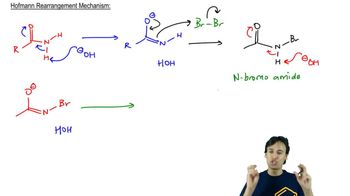
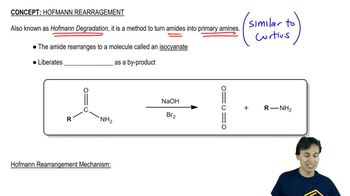
    Hofmann Rearrangement

    • Mechanism
      07:18
    • General Reaction
      02:51

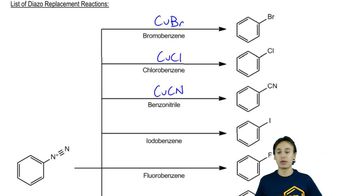
    Diazonium Compounds – Replacements Reactions

    • Replacement Reactions
      06:59

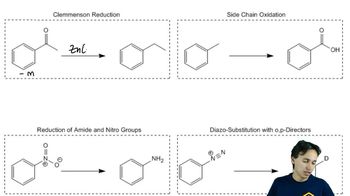
    Diazo Compounds – Sequence Groups

    • Sequence Groups
      05:04

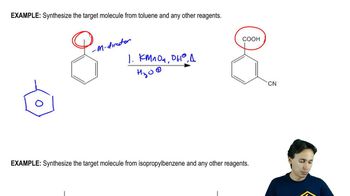
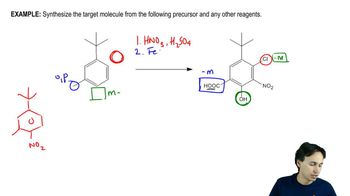
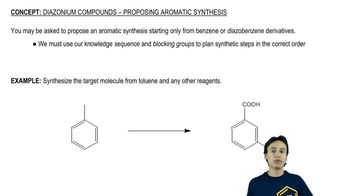
    Diazonium Compounds – Proposing Aromatic Synthesis

    • Synthesize the target molecule
      04:14
    • Synthesize the target molecule
      07:55
    • Proposing Aromatic Synthesis
      00:43