Back

Comprehensive Study Guide: Alkenes, Alkynes, Aromatic Compounds, and Stereochemistry

Study Guide - Learn with Videos

Curated lessons matched to your uploaded material – learn every topic step by step.

Alkene Stability

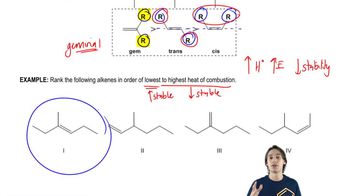
  • Heat of Combustion
    02:55
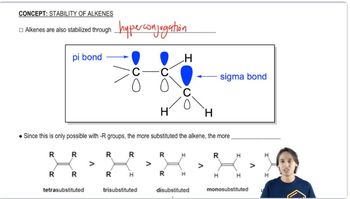
  • Understanding trends of alkene stability.
    04:28

Naming Alkenes

  • Name the following alkene
    02:04
  • How to name alkenes and alkynes
    01:55
Cis vs Trans

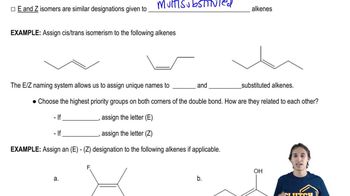
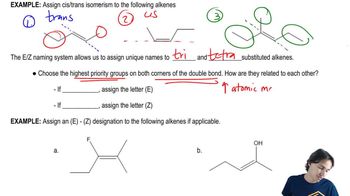
  • Why we need to use the E/Z naming system
    02:07
  • What does E and Z stand for?
    00:50
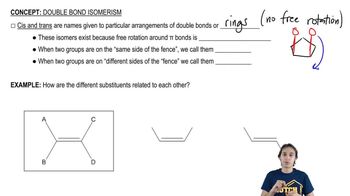
  • How to name different types of double bonds or rings
    04:28

1H NMR:E/Z Diastereoisomerism

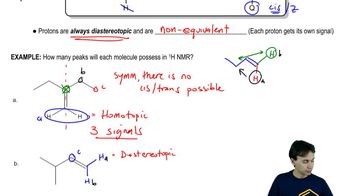
  • Determining Diastereoisomerism
    01:38
  • Determining Diastereoisomerism
    02:40
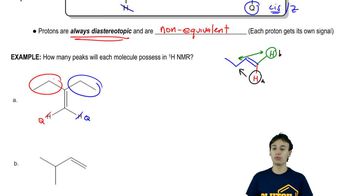
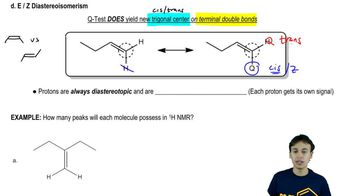
  • E/Z Diastereoisomerism
    03:48

Reaction Mechanism

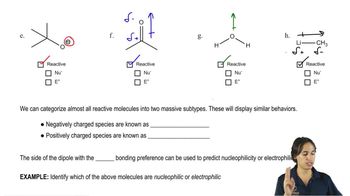
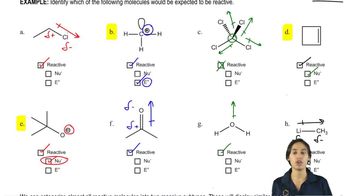
  • How to tell if charged molecules will react as nucleophiles or electrophiles.
    02:39
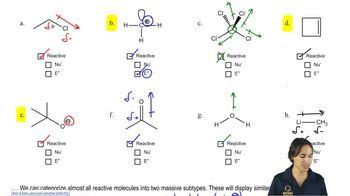
  • Nucleophile or Electrophile
    01:49
  • How to tell if uncharged molecules will react as nucleophiles or electrophiles.
    02:48

Carbocation Intermediates – Stability

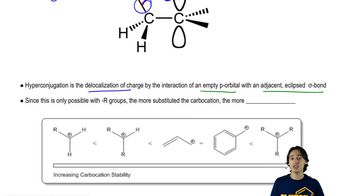
  • Determining Carbocation Stability
    05:58
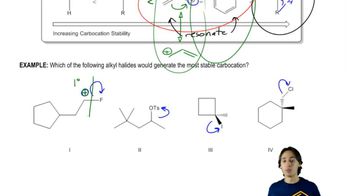
  • Predicting the most stable carbocation
    01:21

Hydrohalogenation

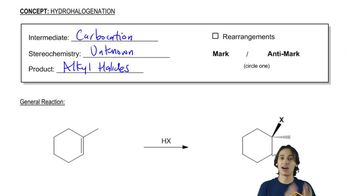
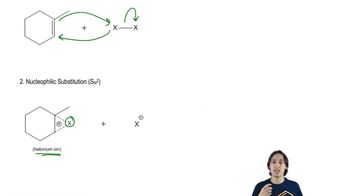
  • General properties of hydrohalogenation.
    04:07
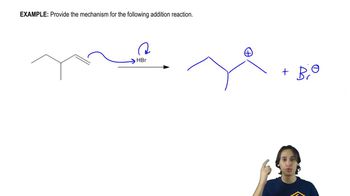
  • Provide the mechanism
    02:24

Acid-Catalyzed Hydration

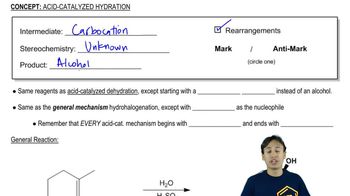
  • General properties of acid-catalyzed hydration.
    06:32
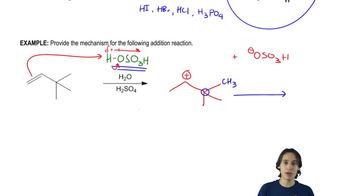
  • Acid-catalyzed hydration mechanism
    06:34

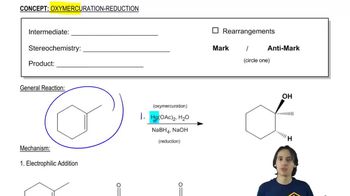
Oxymercuration

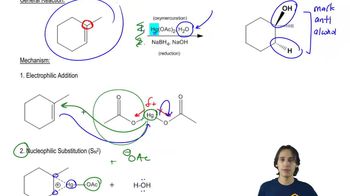
  • Acid-catalyzed oxymercuration-reduction mechanism
    09:01
  • General properties of oxymercuration-reduction.
    05:

Halogenation

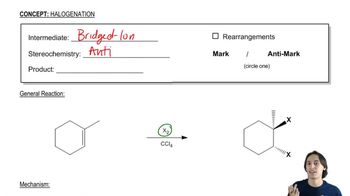
  • Halogenation Mechanism
    03:45
  • General properties of halogenation.
    02:27

Hydrogenation

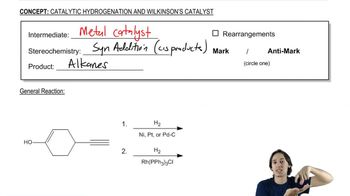
  • General properties of catalytic hydrogenation.
    05:21

Dihydroxylation

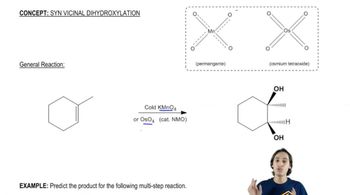
  • General properties of syn vicinal dihydroxylation.
    03:50
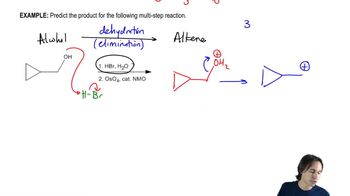
  • Predict the product for the following multi-step reaction.
    04:42

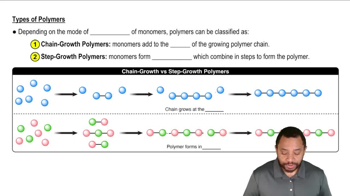
Introduction to Polymers

  • Guided course
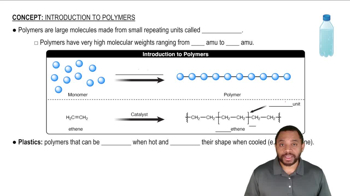
    Introduction to Polymers Concept 1
    1:49
  • Guided course
    Introduction to Polymers Example 1
    1:39
  • Guided course
    Introduction to Polymers Concept 2
    2:09

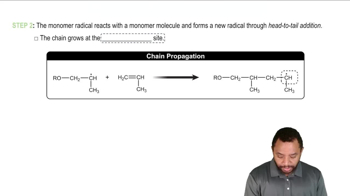
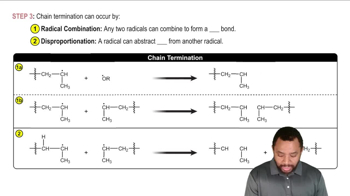
Radical Polymerization

  • Guided course
    Radical Polymerization Concept 3
    1:01
  • Guided course
    Radical Polymerization Concept 4
    1:30
  • Guided course
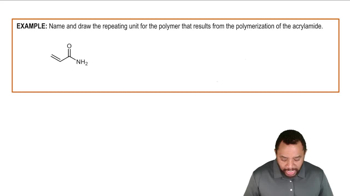
    Radical Polymerization Example 2
    1:06

Resonance Structures

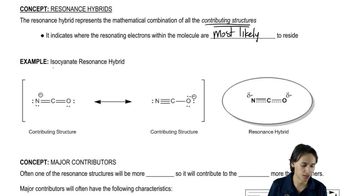
  • How to draw a resonance hybrid.
    03:24
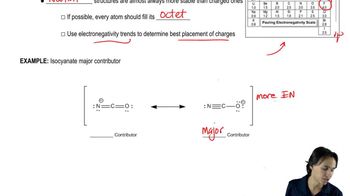
  • The rules you need for resonance:
    03:34
  • How to determine which structure is most stable.
    01:32

Alkyne Hydration

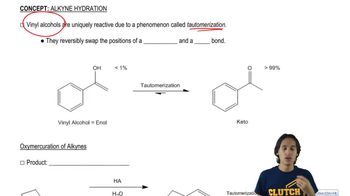
  • Vinyl alcohols yield tautomers.
    03:51
  • Markovnikov addition of alcohols yields ketones.
    03:29

Alkyne Hydrohalogenation

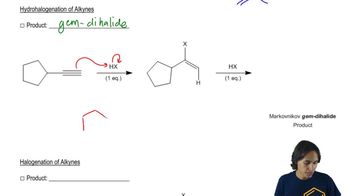
  • Double hydrohalogenation of alkynes.
    02:20
  • General properties of double addition reactions to alkynes.
    01:01

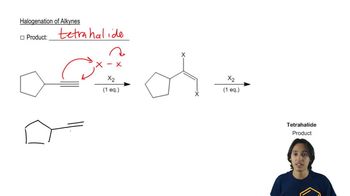
Alkyne Halogenation

  • Double halogenation of alkynes.
    02:15

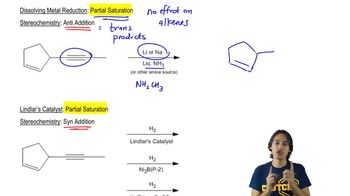
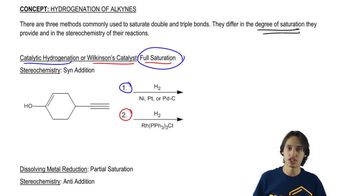
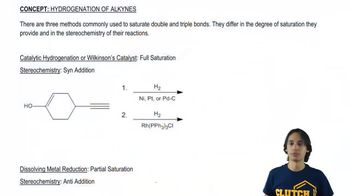
Hydrogenation of Alkynes

  • Using Dissolving Metal Reduction or Lindlar’s Catalyst to turn alkynes to alkenes.
    06:08
  • Using Catalytic hydrogenation or Wilkinson’s Catalyst to turn alkynes to alkanes.
    03:46
  • The definition of hydrogenation.
    00:48

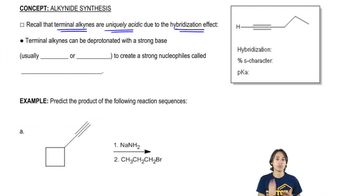
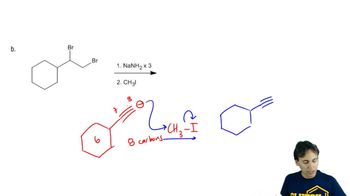
Acetylide

  • Understanding how to convert terminal alkynes to alkynides.
    04:19
  • Predict the final product of the following reaction sequence.
    02:29
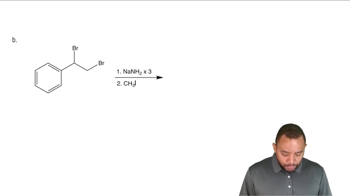
  • Using double dehydrohalogenation to perform alkynide synthesis.
    02:57

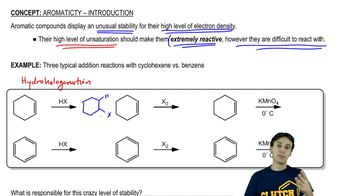
Aromaticity

  • Intro to Aromaticity
    08:19

Naming Benzene Rings

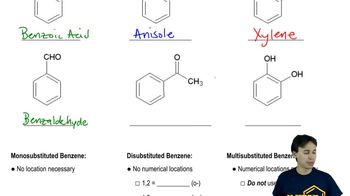
  • Benzene Nomenclature
    09:04

Electrophilic Aromatic Substitution

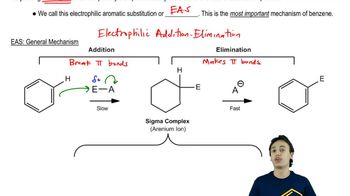
  • EAS General Mechanism
    06:52
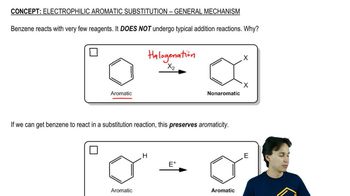
  • EAS Review
    03:07

EAS:Halogenation Mechanism

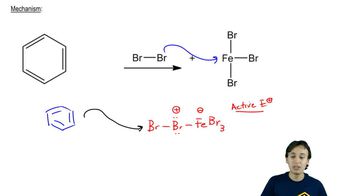
  • EAS Halogenation
    06:26

EAS:Nitration Mechanism

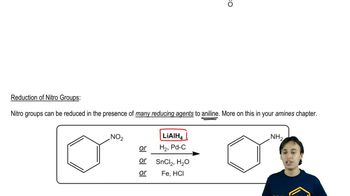
  • Reduction of Nitro Groups
    03:23
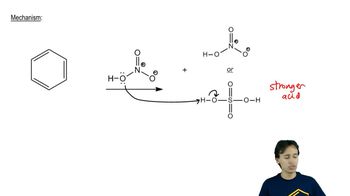
  • EAS Nitration
    06:09

EAS:Friedel-Crafts Alkylation Mechanism

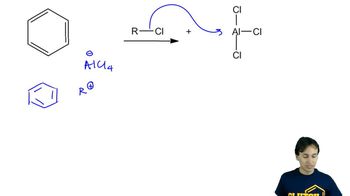
  • Friedel-Crafts Alkylation
    06:30

EAS:Friedel-Crafts Acylation Mechanism

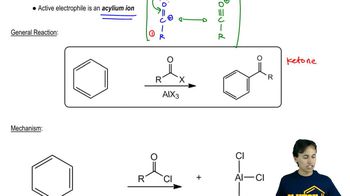
  • Friedel-Crafts Acylation
    05:20

Carbocation Intermediate Rearrangements

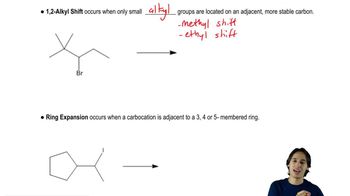
  • Alkyl Shift
    03:43
  • Understanding why carbocations shift.
    00:47
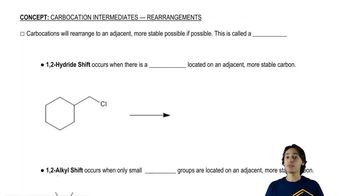
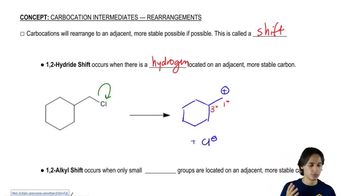
  • Hydride Shift
    03:34

Chirality

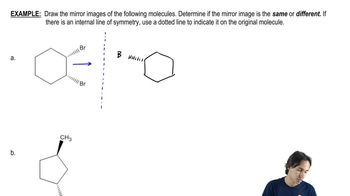
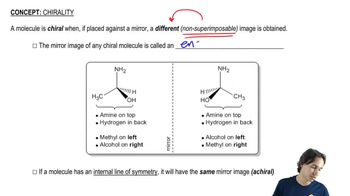
  • Drawing Mirror Images and Determining Chirality
    03:24
  • What is chirality?
    05:10
  • Drawing Mirror Images and Determining Chirality
    03:44

Optical Activity

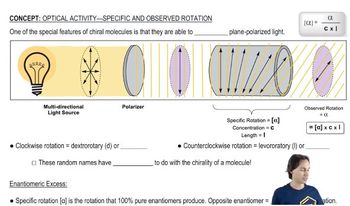
  • Specific rotation vs. observed rotation.
    05:43

Cahn-Ingold-Prelog Nomenclature

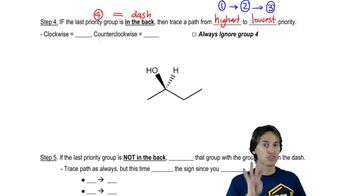
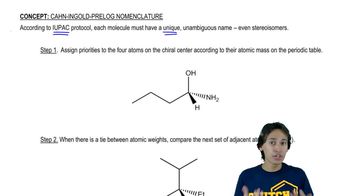
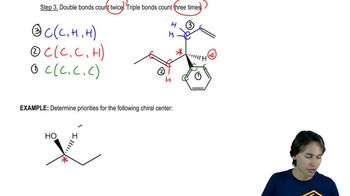
  • R and S Naming- Step 4
    03:07
  • Why stereoisomers need their own naming system.
    01:48
  • Determining Priorities
    01:19

Types of Stereoisomers

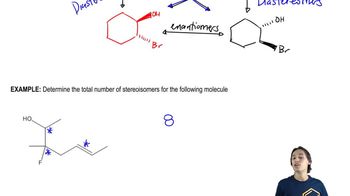
  • Determine total number of stereoisomers
    00:49
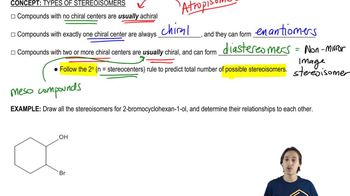
  • How to predict the total number of stereoisomers.
    01:03
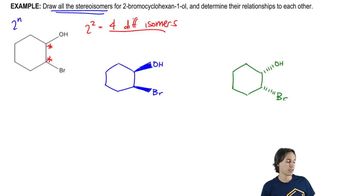
  • Draw stereoisomers and determine relationship
    07:41

Meso Compounds

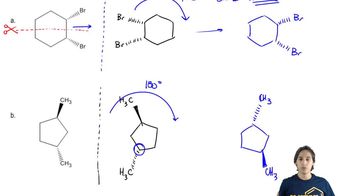
  • Defining meso compounds.
    01:40
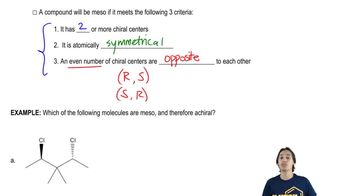
  • The 3 rules of meso compounds.
    04:10
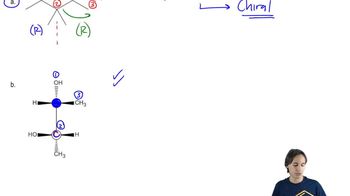
  • Which of the following molecules are meso?
    03:44