Back

Comprehensive Study Notes on Alkynes: Structure, Properties, and Reactions

Study Guide - Learn with Videos

Curated lessons matched to your uploaded material – learn every topic step by step.

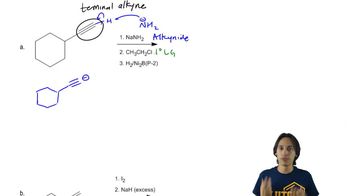
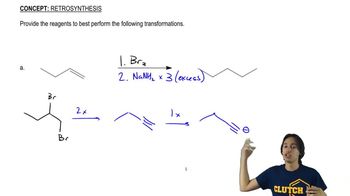
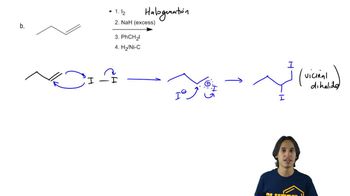
Alkynide Synthesis

  • Predict the major product.
    03:25
  • Provide the reagents needed
    04:17
  • Predict the major product.
    05:09

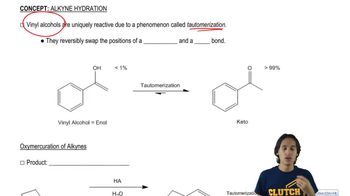
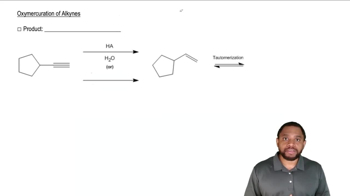
Alkyne Hydration

  • Vinyl alcohols yield tautomers.
    03:51
  • Markovnikov addition of alcohols yields ketones.
    03:29

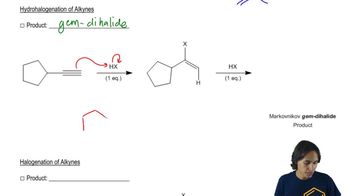
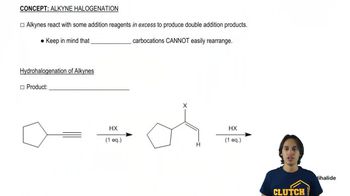
Alkyne Hydrohalogenation

  • Double hydrohalogenation of alkynes.
    02:20
  • General properties of double addition reactions to alkynes.
    01:01

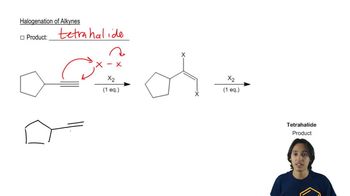
Alkyne Halogenation

  • Double halogenation of alkynes.
    02:15

Alkyne Oxidative Cleavage

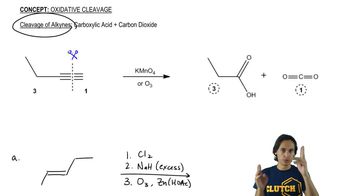
  • General features of alkyne cleavage.
    02:13
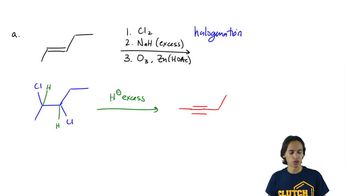
  • Predict the product of the following reaction.
    03:50

Hydrogenation of Alkynes

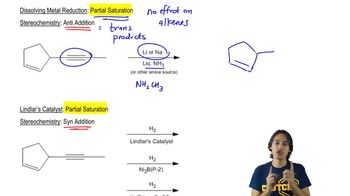
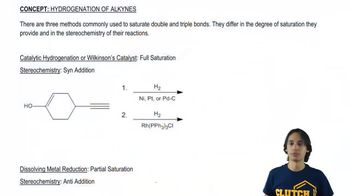
  • Using Dissolving Metal Reduction or Lindlar’s Catalyst to turn alkynes to alkenes.
    06:08
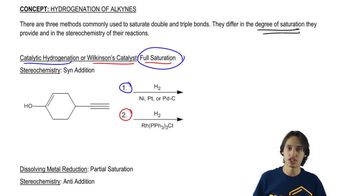
  • Using Catalytic hydrogenation or Wilkinson’s Catalyst to turn alkynes to alkanes.
    03:46
  • The definition of hydrogenation.
    00:48

Reaction Mechanism

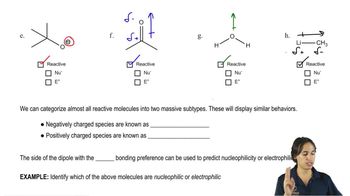
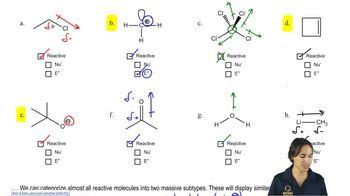
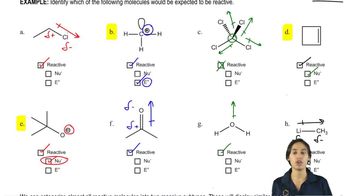
  • How to tell if charged molecules will react as nucleophiles or electrophiles.
    02:39
  • Nucleophile or Electrophile
    01:49
  • How to tell if uncharged molecules will react as nucleophiles or electrophiles.
    02:48

Acidity of Aromatic Hydrocarbons

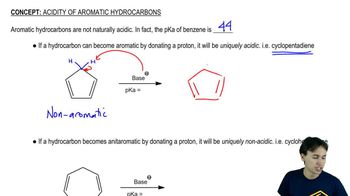
  • Aromatic hydrocarbon acidity
    05:39
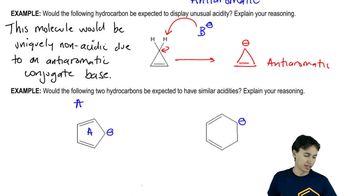
  • Comparing hydrocarbon acidity
    02:41
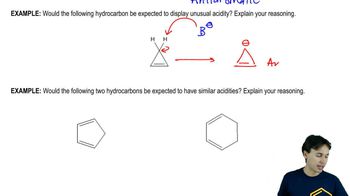
  • Determining hydrocarbon acitidy
    01:50

pKa Values

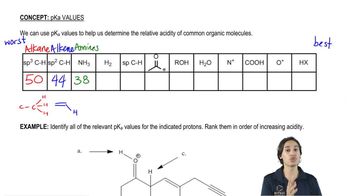
  • Identifying pKa values
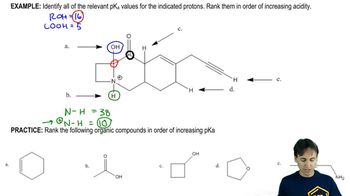
    07:45
  • The 12 pKa values you want to memorize (because they are important!).
    09:36

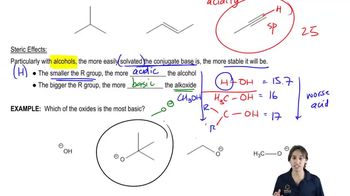
Factors Affecting Acidity

  • Which of the oxides is the most basic?
    00:30
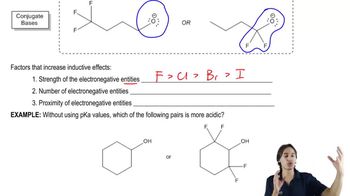
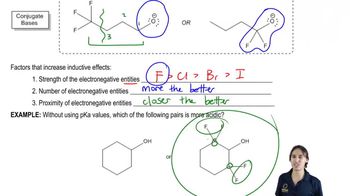
  • The 3 factors that determine the strength of inductive effects.
    03:09
  • Using Inductive Effect to determine acidity
    01:54

Introduction to Substitution

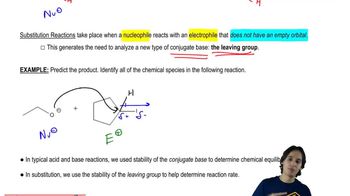
  • Predict the product
    05:55
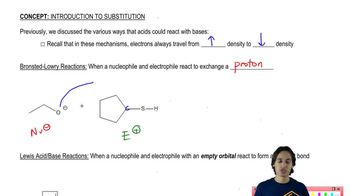
  • Nucleophiles and Electrophiles can react in Bronsted-Lowry Reactions.
    05:01
  • Nucleophiles and Electrophiles can react in Substitution Reactions.
    01:47

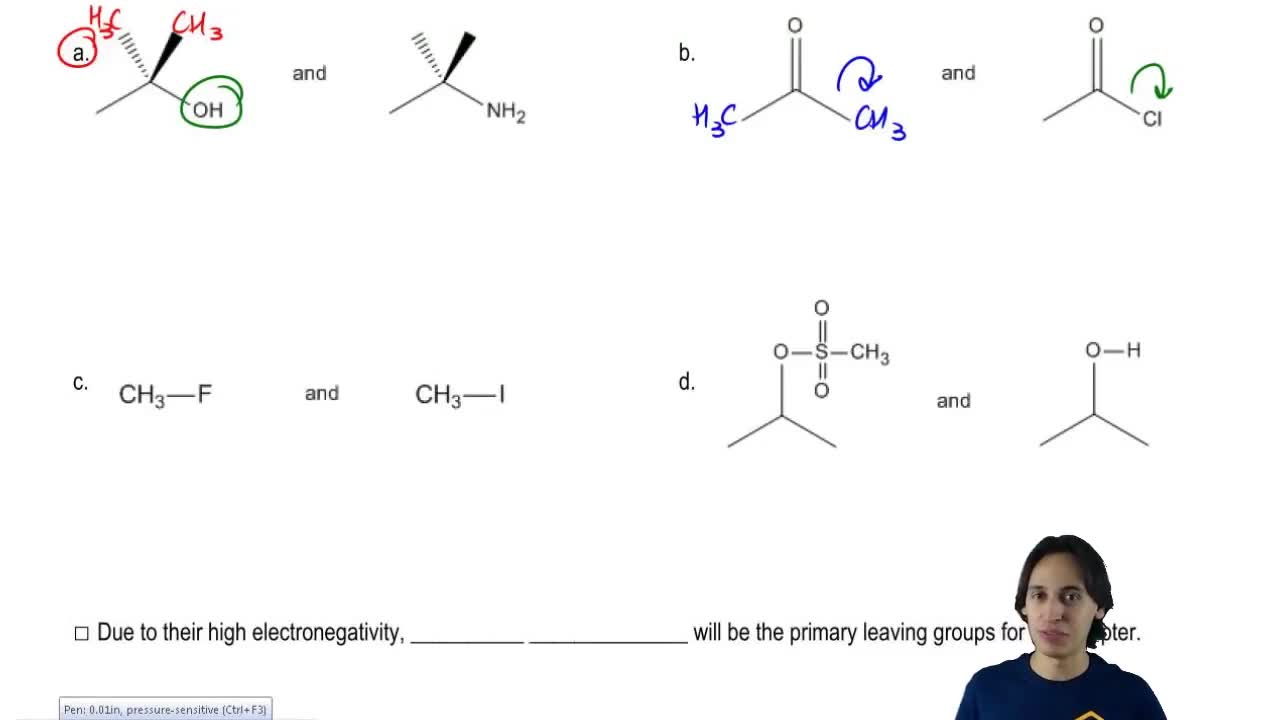
Leaving Groups

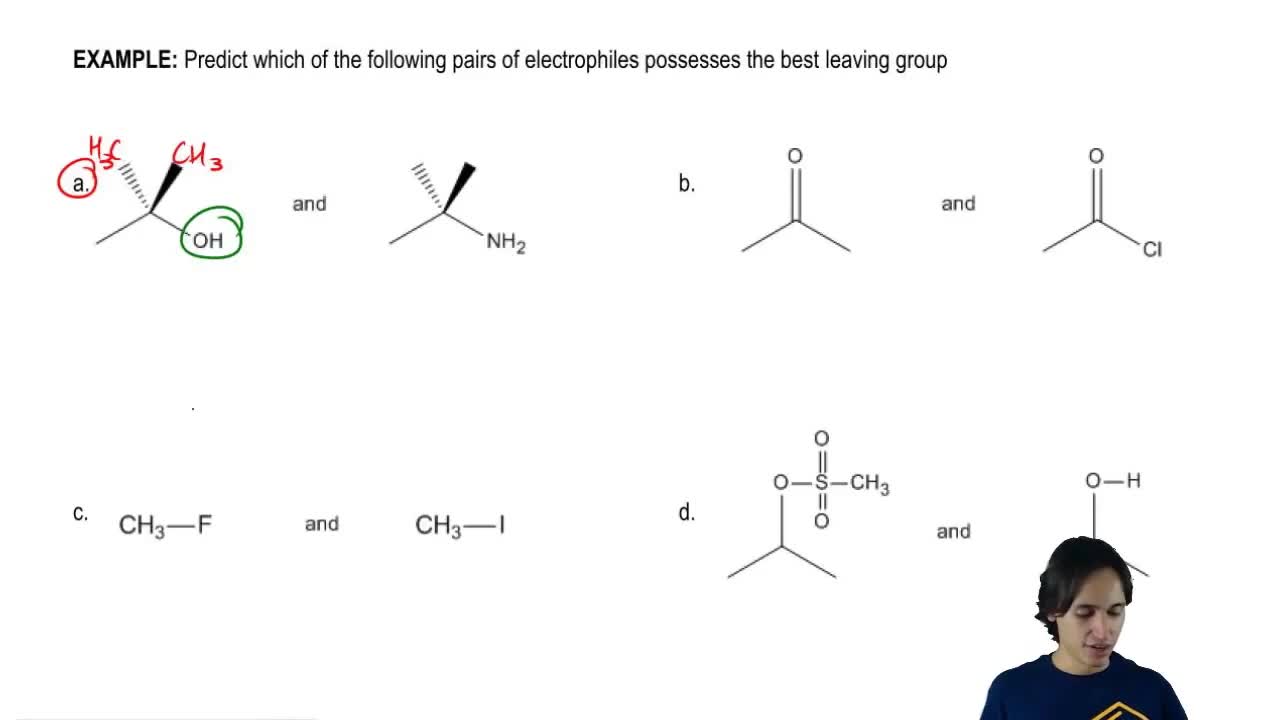
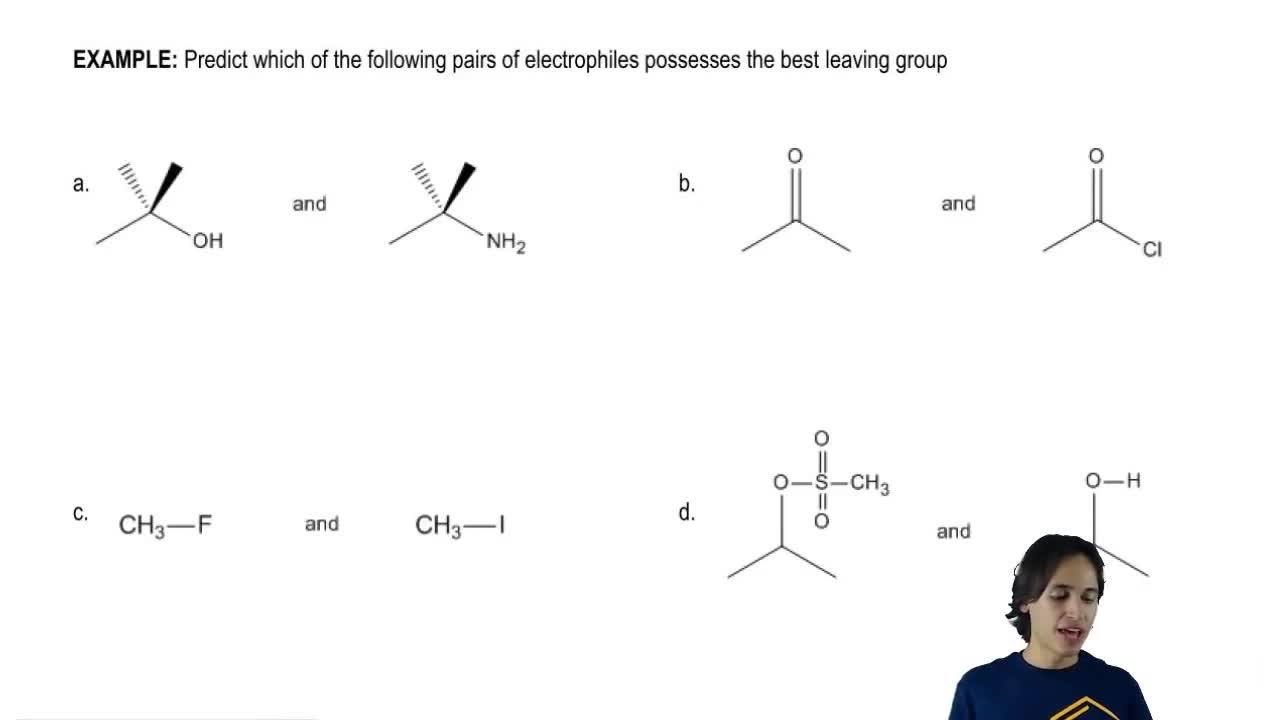
  • Predict the best leaving group
    00:50
  • Predict the best leaving group
    01:12
  • Predict the best leaving group
    00:36