 Back
BackDrawing Organic Molecules and Functional Groups: Foundations of Organic Chemistry
Study Guide - Smart Notes
 Tailored notes based on your materials, expanded with key definitions, examples, and context.
Anchoring Concept: Structure and Function
Introduction to Organic Structure
Organic molecules possess geometric structures that dictate their chemical and physical properties. Understanding how to represent these structures is foundational for predicting reactivity and function in organic chemistry.
Structure Representation: Organic molecules can be depicted using Lewis, condensed, and line structures. Each method offers a different balance of detail and simplicity.
Functional Groups: Specific arrangements of atoms, known as functional groups, determine the characteristic reactions of organic molecules.
Drawing Organic Molecules
Lewis and Condensed Structures
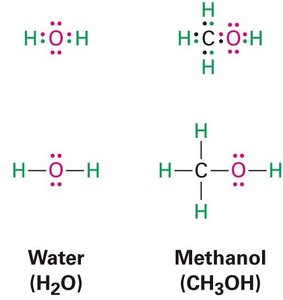
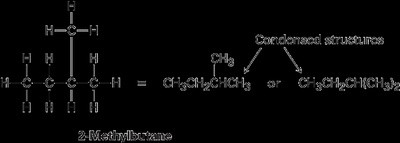
Lewis structures explicitly show all atoms, bonds, and lone pairs, making them useful for small molecules but inefficient for larger ones. Condensed structures omit C-H and C-C single bonds for brevity.
Lewis Structure: All atoms and bonds are shown; lone pairs are included.
Condensed Structure: Atoms are grouped; single bonds between carbons and hydrogens are not shown.
Line Structures
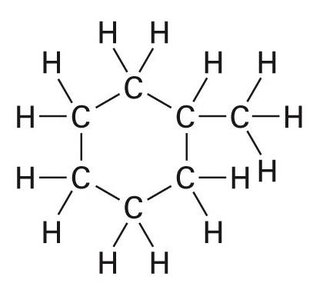
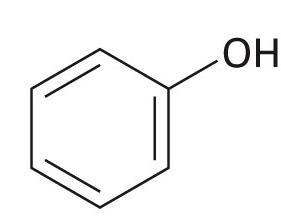
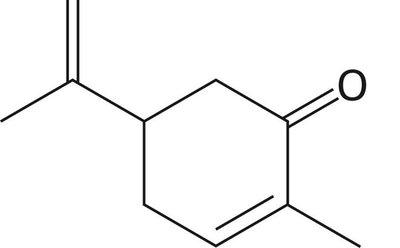
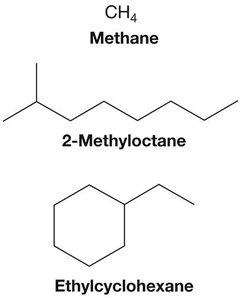
Line (skeletal) structures are the most common way to represent organic molecules, especially as molecules increase in size. They follow these conventions:
Carbon atoms are implied at each bond intersection or terminus.
Hydrogen atoms bonded to carbon are not shown; carbon is assumed to have four bonds.
Heteroatoms (atoms other than C or H) are explicitly shown.
Practice: Drawing Structures
Students should be able to convert between Lewis, condensed, and line structures, and recognize the importance of showing formal charges and lone pairs when necessary.
Three-Dimensional Representation and Conformational Analysis
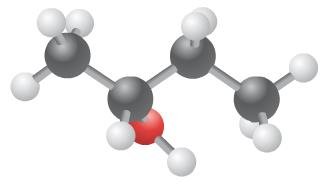
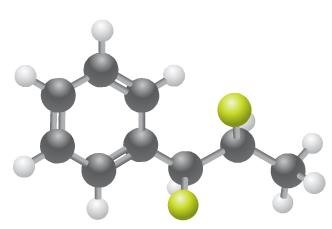
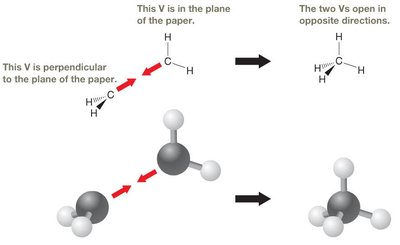
Organic molecules are three-dimensional. Dash/wedge notation is used to indicate bonds going into or out of the plane of the paper, which is essential for understanding stereochemistry and conformational changes.
Common Mistakes
Incorrectly drawn bonds can misrepresent molecular geometry and lead to misunderstanding of reactivity and properties.
Formal Charges and Resonance Structures
Assigning Formal Charges
Formal charges must be shown in line structures to avoid ambiguity. They are calculated as:
Resonance Structures
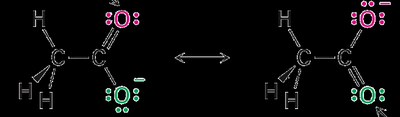
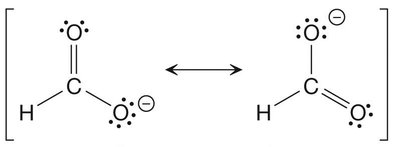
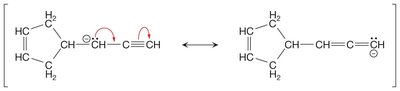
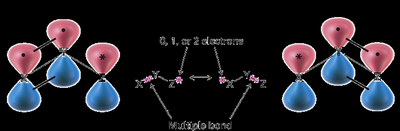
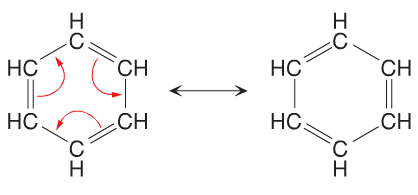
Some molecules can be represented by two or more valid Lewis structures that differ only in the placement of π-electrons and lone pairs. These are called resonance structures and are connected by double-headed arrows.
Atoms do not move; only electrons are shifted.
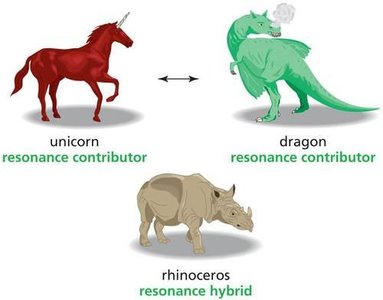
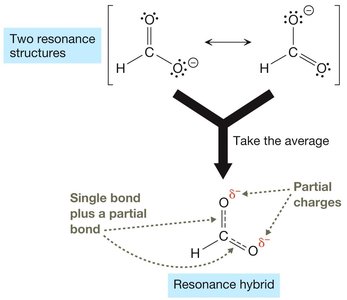
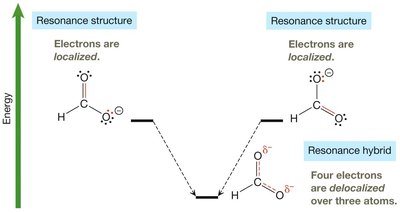
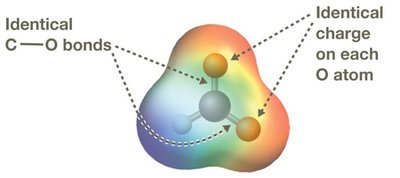
Resonance structures are imaginary; the actual molecule is a resonance hybrid.
Resonance Hybrid and Stability
The resonance hybrid is a weighted average of all resonance contributors. The most stable resonance structures contribute most to the hybrid. Stability is increased by:
More atoms with complete octets
Fewer formal charges
Charges matching electronegativities
Resonance in Aromatic Compounds
Benzene and other aromatic compounds are stabilized by resonance, with electrons delocalized over the ring structure.
r
Identifying Resonance Structures
Key features in a Lewis structure that suggest resonance:
Polar double or triple bonds
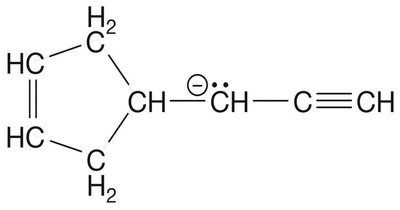
Lone pairs adjacent to atoms with incomplete octets or π-bonds
Carbocations adjacent to π-bonds
Rings with alternating single and double bonds
Functional Groups Overview
Definition and Importance
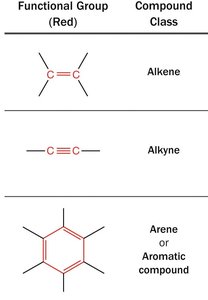
Functional groups are specific groupings of atoms within molecules that have characteristic properties and reactivity. The presence and identity of functional groups determine the chemistry of organic molecules.
Alkanes: Only C–C and C–H single bonds; unreactive.
Alkenes, Alkynes, Aromatics: Contain C–C π-bonds; more reactive.
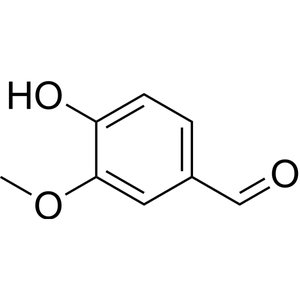
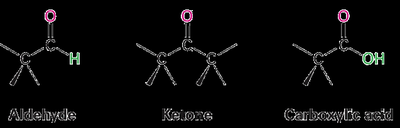
Oxygen-containing: Alcohols, ethers, ketones, esters, aldehydes, carboxylic acids.
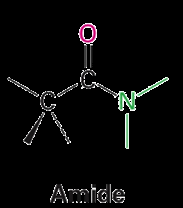
Nitrogen-containing: Amines, amides, nitriles.
Halogen-containing: Alkyl halides (F, Cl, Br, I).
Sulfur-containing: Thiols.

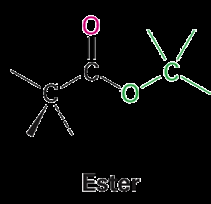
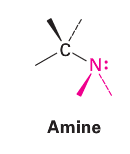
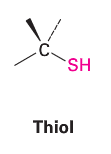
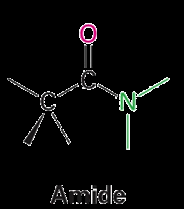
Functional Groups in Biomolecules
Major Classes of Biomolecules
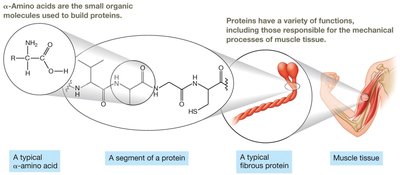
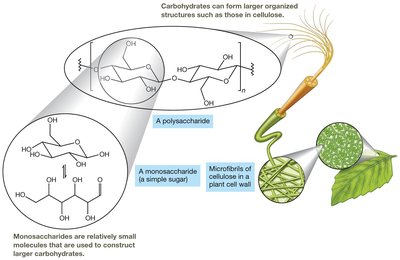
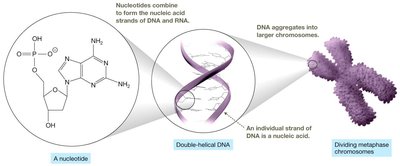
Biomolecules are organic compounds essential for life, classified into four major groups: proteins, carbohydrates, nucleic acids, and lipids. Each class contains characteristic functional groups that define their structure and function.
Proteins: Composed of amino acids (contain amine and carboxylic acid groups).
Carbohydrates: Contain multiple hydroxyl groups and either an aldehyde or ketone group.
Nucleic Acids: Built from nucleotides containing phosphate, sugar, and nitrogenous base functional groups.
Lipids: Often contain long hydrocarbon chains and carboxylic acid groups (fatty acids).
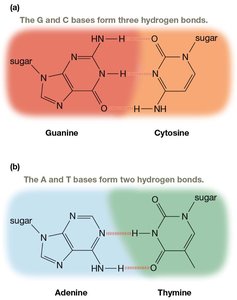
Hydrogen Bonding in DNA
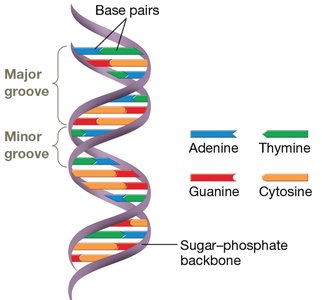
Hydrogen bonds between complementary base pairs hold the two strands of DNA together, contributing to the stability of the double helix.
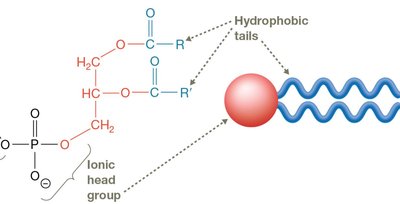
Fatty Acids and Soap Formation
Fatty acids, a type of lipid, can be hydrolyzed to form soap, which consists of a hydrophilic ionic head and a hydrophobic tail.
Additional info: Mastery of functional group identification and resonance concepts is essential for understanding organic reactivity, mechanisms, and the structure-function relationship in biomolecules.
