Back

E1 Reaction Mechanism, Carbocation Rearrangement, and Alcohols as Leaving Groups

Study Guide - Learn with Videos

Curated lessons matched to your uploaded material – learn every topic step by step.

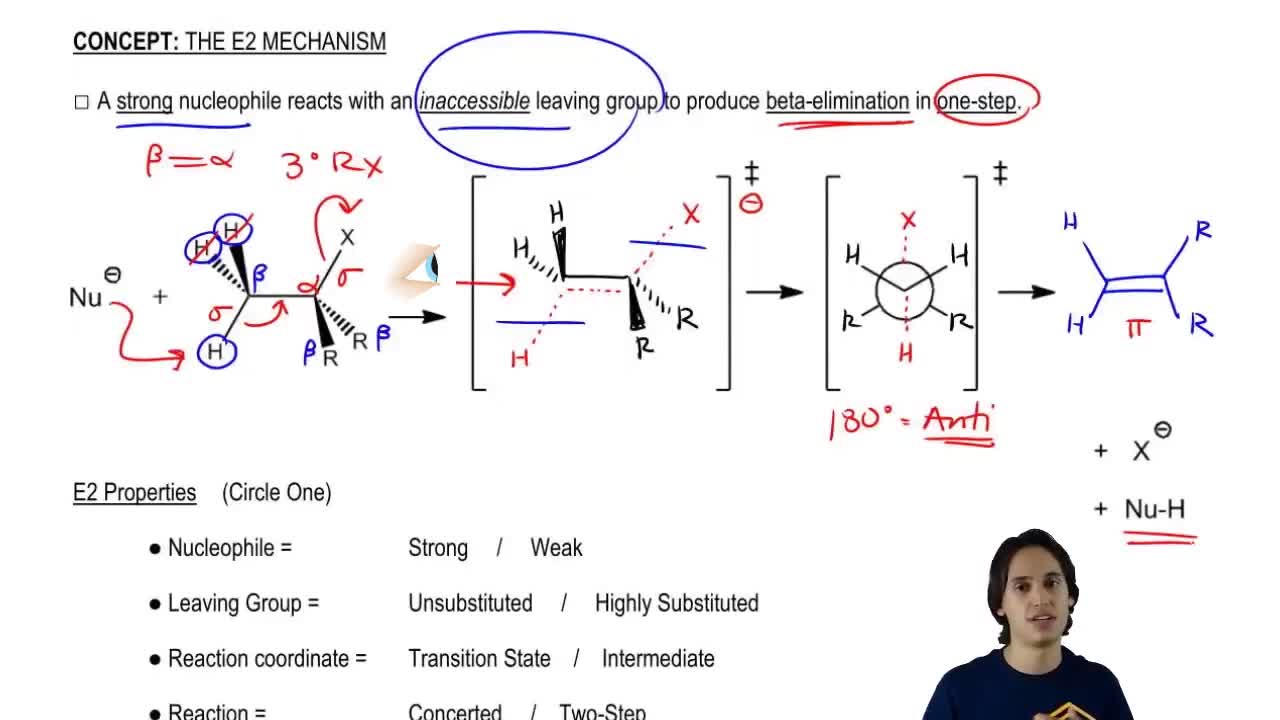
E2 Mechanism

  • Understanding the properties of E2.
    04:42
  • Drawing the E2 Mechanism.
    09:36
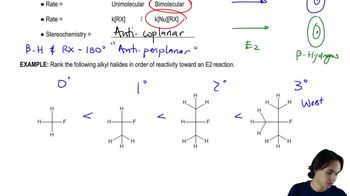
  • Rank reactivity toward E2
    02:03

Carbocation Intermediates – Stability

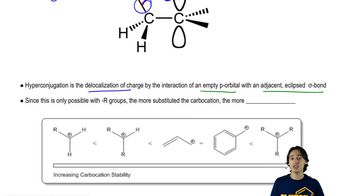
  • Determining Carbocation Stability
    05:58
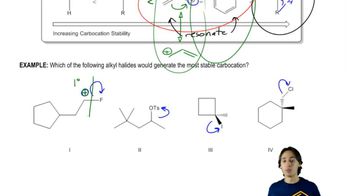
  • Predicting the most stable carbocation
    01:21

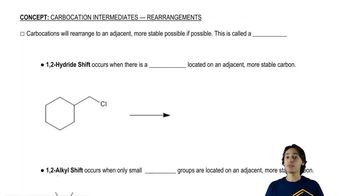
Carbocation Intermediate Rearrangements

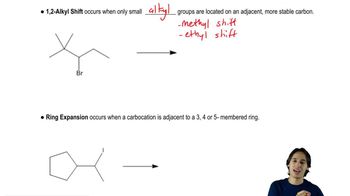
  • Alkyl Shift
    03:43
  • Understanding why carbocations shift.
    00:47
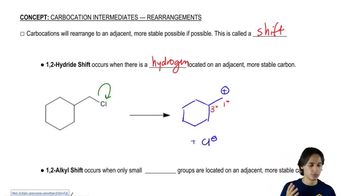
  • Hydride Shift
    03:34

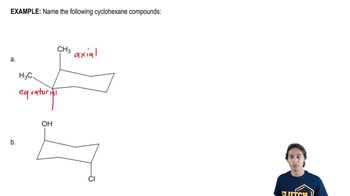
Cis vs Trans Conformations

  • Is the following cyclohexane cis or trans?
    00:44
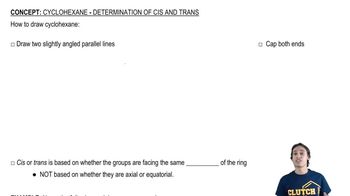
  • How to draw chairs.
    01:18
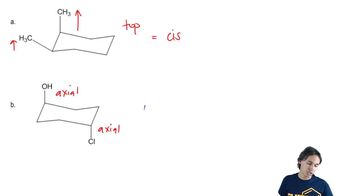
  • Is the following cyclohexane cis or trans?
    00:27

Functional Groups

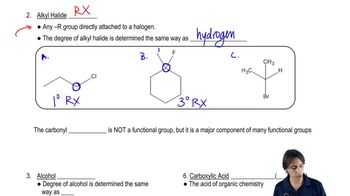
  • Assigning Degrees to Alkyl Halides
    01:30
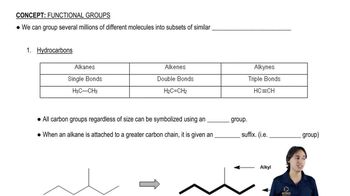
  • Why we need functional groups.
    01:49
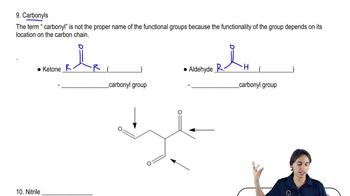
  • The difference between aldehydes and ketones.
    03:08

Leaving Group Conversions - Using HX

  • Why do we need to convert Alcohol into a good leaving group?
    02:03
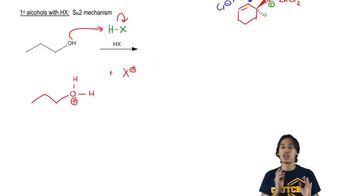
  • Using HX acids via SN2 reaction.
    02:16
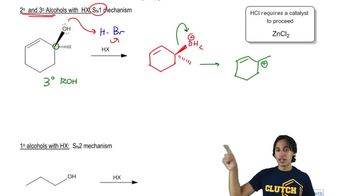
  • Using HX acids via SN1 reaction.
    07:20

Leaving Group Conversions - Sulfonyl Chlorides

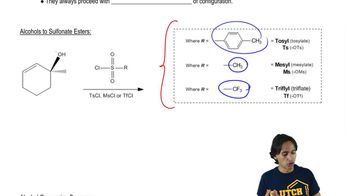
  • Learning the mechanism of Sulfonyl Chlorides.
    05:33

Leaving Group Conversions - SOCl2 and PBr3

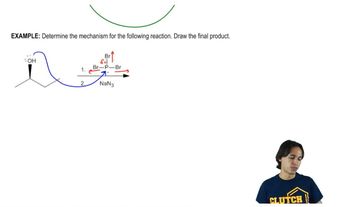
  • Predict the mechanism of PBr3, and draw the final product.
    06:01
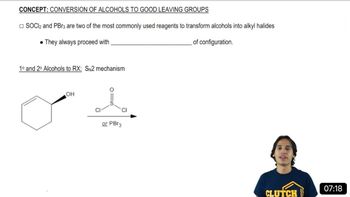
  • Learning the mechanism of SOCl2.
    07:18