Back

Hydrocarbons I: Structure, Properties, and Reaction Mechanisms

Study Guide - Learn with Videos

Curated lessons matched to your uploaded material – learn every topic step by step.

Skeletal Structure

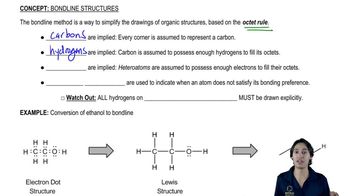
  • How bondline is different from Lewis Structures.
    04:03
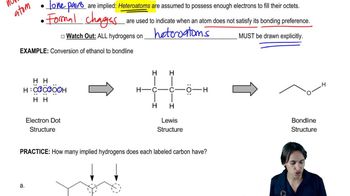
  • Conversion of ethanol from electron dot to bondline
    01:50

Molecular Orbital Theory

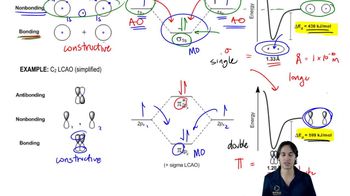
  • Sigma bond vs. pi bond, which is stronger?
    03:25
  • What’s the difference between sigma and pi bonds?
    02:19
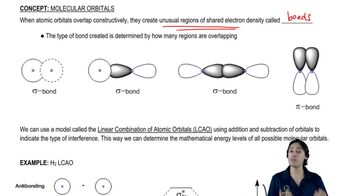
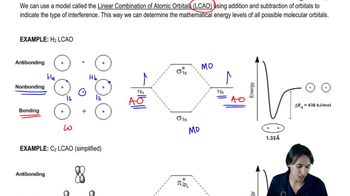
  • What’s the difference between atomic and molecular orbitals?
    11:25

Alkyl Groups

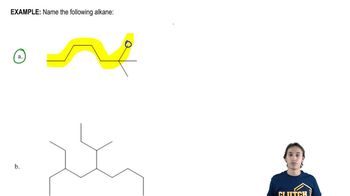
  • Name the following alkane
    02:33
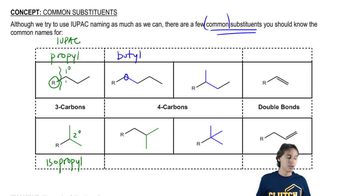
  • Understanding Non-IUPAC Substituents
    06:42
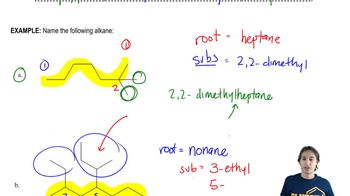
  • Name the following alkane
    03:56

Naming Alkenes

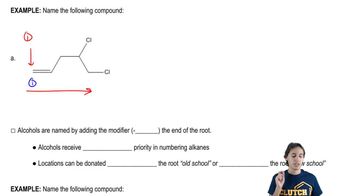
  • Name the following alkene
    02:04
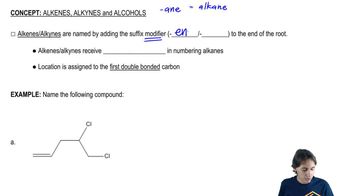
  • How to name alkenes and alkynes
    01:55

Acetylide

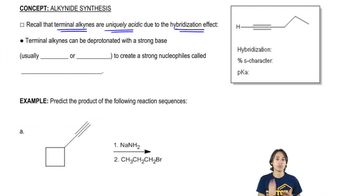
  • Understanding how to convert terminal alkynes to alkynides.
    04:19
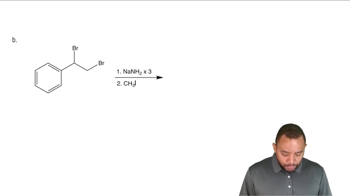
  • Predict the final product of the following reaction sequence.
    02:29
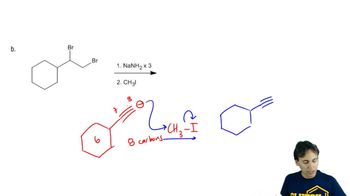
  • Using double dehydrohalogenation to perform alkynide synthesis.
    02:57

Intermolecular Forces

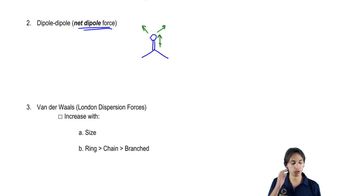
  • How dipole-dipole forces work.
    01:46
  • How IMFs are related to melting and boiling points.
    03:08
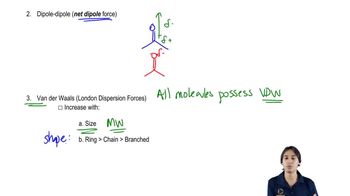
  • How Van der Waals forces work.
    03:01

Energy Diagram

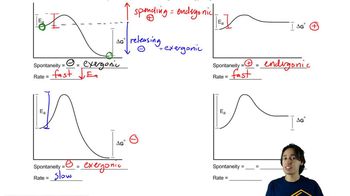
  • Favorability and rate of Free Energy Diagrams
    01:14
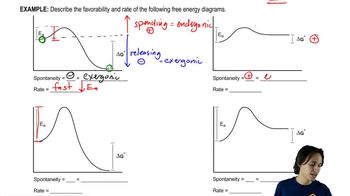
  • Favorability and rate of Free Energy Diagrams
    00:34
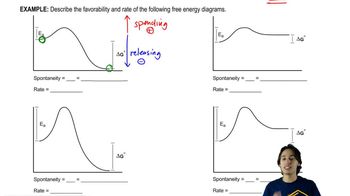
  • Favorability and rate of Free Energy Diagrams
    02:18

Reaction Mechanism

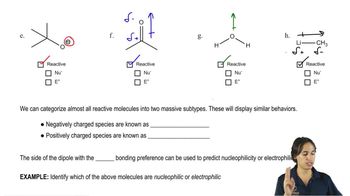
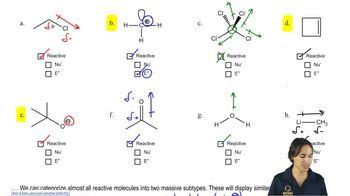
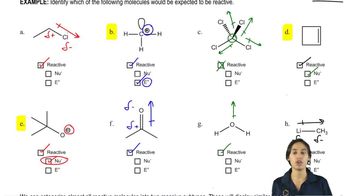
  • How to tell if charged molecules will react as nucleophiles or electrophiles.
    02:39
  • Nucleophile or Electrophile
    01:49
  • How to tell if uncharged molecules will react as nucleophiles or electrophiles.
    02:48

Reaction Mechanism

  • How to tell if charged molecules will react as nucleophiles or electrophiles.
    02:39
  • Nucleophile or Electrophile
    01:49
  • How to tell if uncharged molecules will react as nucleophiles or electrophiles.
    02:48

Radical Reaction

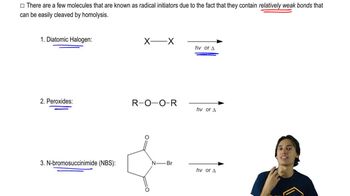
  • What are Radical Initiators?
    03:49
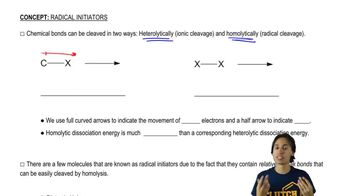
  • Heterolytic vs. Homolytic Bond Cleavage .
    04:39

Acid and Base Definitions

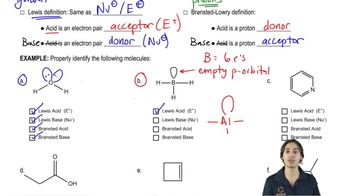
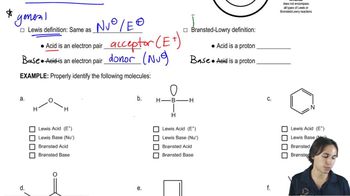
  • Lewis vs. Bronsted-Lowry Definition
    07:46
  • The Bronsted-Lowry definition of acids and bases.
    00:54
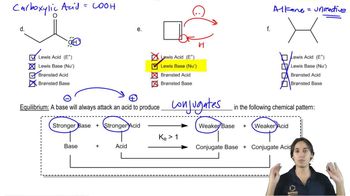
  • Equilibrium constant and conjugates.
    02:11

Introduction to Substitution

  • Predict the product
    05:55
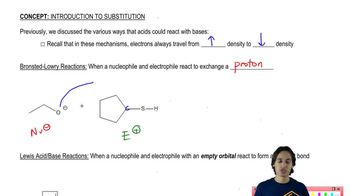
  • Nucleophiles and Electrophiles can react in Bronsted-Lowry Reactions.
    05:01
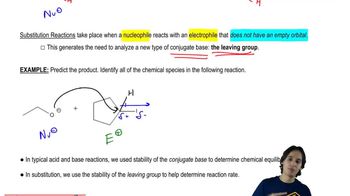
  • Nucleophiles and Electrophiles can react in Substitution Reactions.
    01:47

Nucleophiles and Basicity

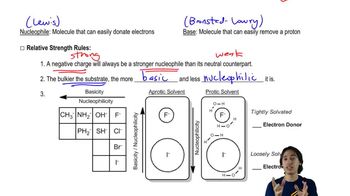
  • Understanding the difference between basicity and nucleophilicity.
    06:21

Electronegativity

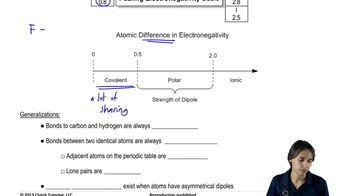
  • Differences between ionic, polar and covalent bonds
    11:33