Back

Molecular Orbital Theory and Reactivity in Organic Chemistry: Study Guide

Study Guide - Learn with Videos

Curated lessons matched to your uploaded material – learn every topic step by step.

Molecular Orbitals

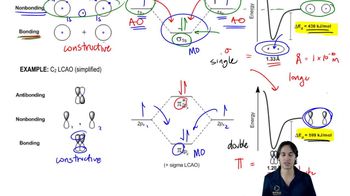
  • Sigma bond vs. pi bond, which is stronger?
    03:25
  • What’s the difference between sigma and pi bonds?
    02:19
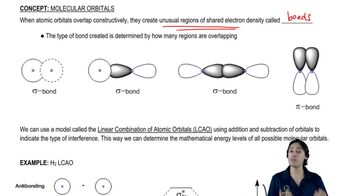
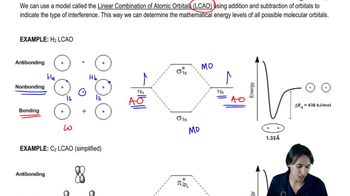
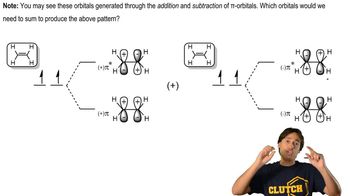
  • What’s the difference between atomic and molecular orbitals?
    11:25

HOMO LUMO

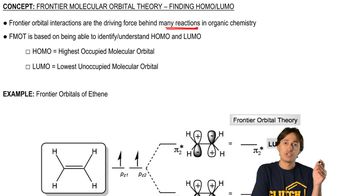
  • HOMO vs. LUMO
    02:35

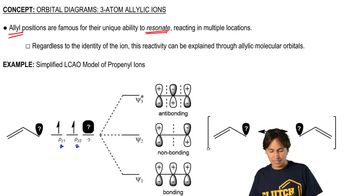
Orbital Diagram:3-atoms- Allylic Ions

  • Orbital Diagram
    04:39
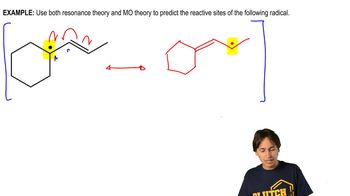
  • Explaining Resonance through MO Theory
    06:27

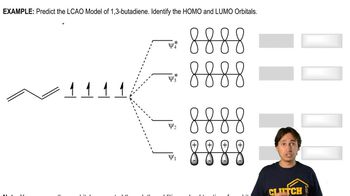
Orbital Diagram:4-atoms- 1,3-butadiene

  • Alternative MO Notation for Dienes
    06:20
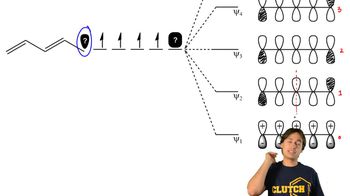
  • Drawing MO Diagram for Dienes
    04:43

Orbital Diagram:5-atoms- Allylic Ions

  • Drawing MO Diagram
    08:12

Orbital Diagram:6-atoms- 1,3,5-hexatriene

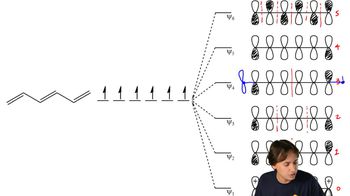
  • Drawing MO Diagrams
    13:25

Orbital Diagram:Excited States

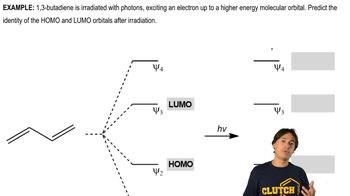
  • Ground vs. Excited States
    03:08

Reaction Mechanism

  • How to tell if charged molecules will react as nucleophiles or electrophiles.
    02:39
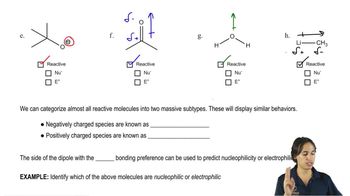
  • Nucleophile or Electrophile
    01:49
  • How to tell if uncharged molecules will react as nucleophiles or electrophiles.
    02:48

Carbocation Stability

  • Determining Carbocation Stability
    05:58
  • Predicting the most stable carbocation
    01:21

Acids and Bases

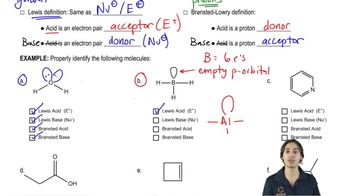
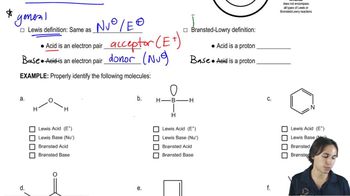
  • Lewis vs. Bronsted-Lowry Definition
    07:46
  • The Bronsted-Lowry definition of acids and bases.
    00:54
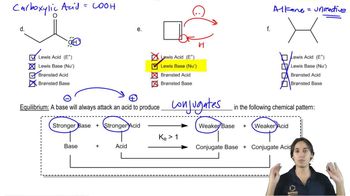
  • Equilibrium constant and conjugates.
    02:11

pKa

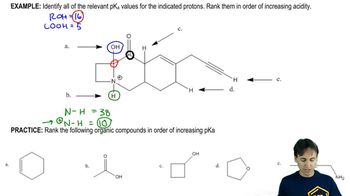
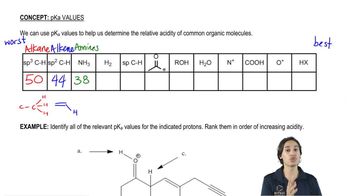
  • Identifying pKa values
    07:45
  • The 12 pKa values you want to memorize (because they are important!).
    09:36