Back

Nucleophilicity, Solvent Effects, and Substitution Mechanisms (SN1 & SN2)

Study Guide - Learn with Videos

Curated lessons matched to your uploaded material – learn every topic step by step.

Nucleophilic Substitution

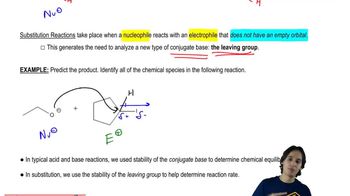
  • Predict the product
    05:55
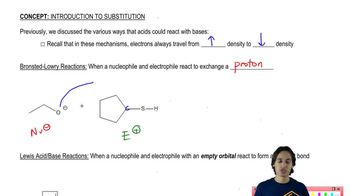
  • Nucleophiles and Electrophiles can react in Bronsted-Lowry Reactions.
    05:01
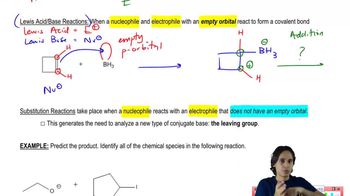
  • Nucleophiles and Electrophiles can react in Substitution Reactions.
    01:47

Good Leaving Groups

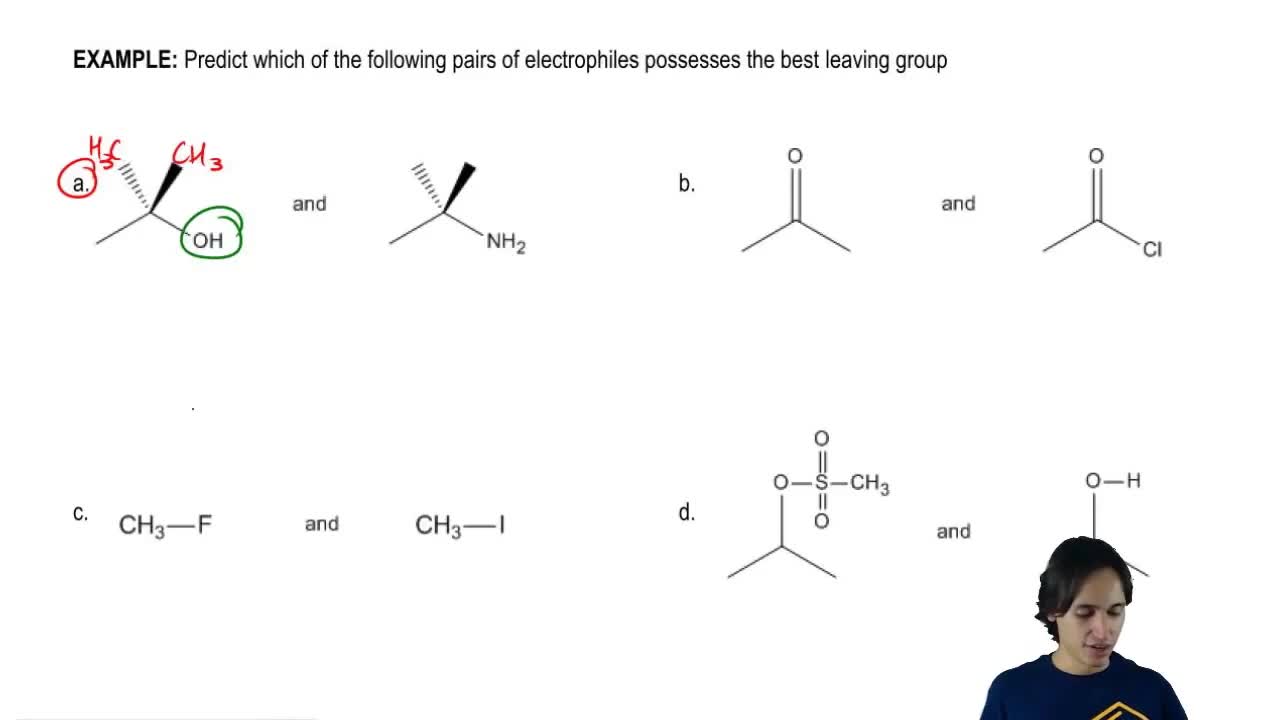
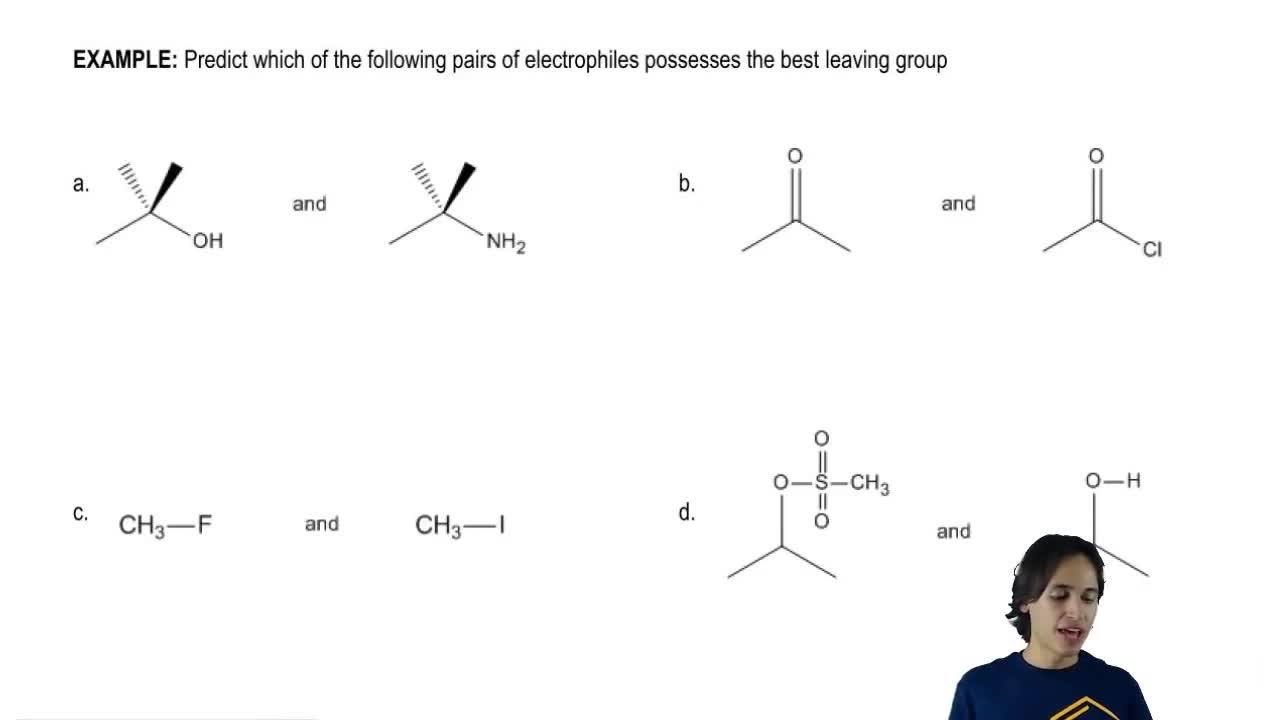
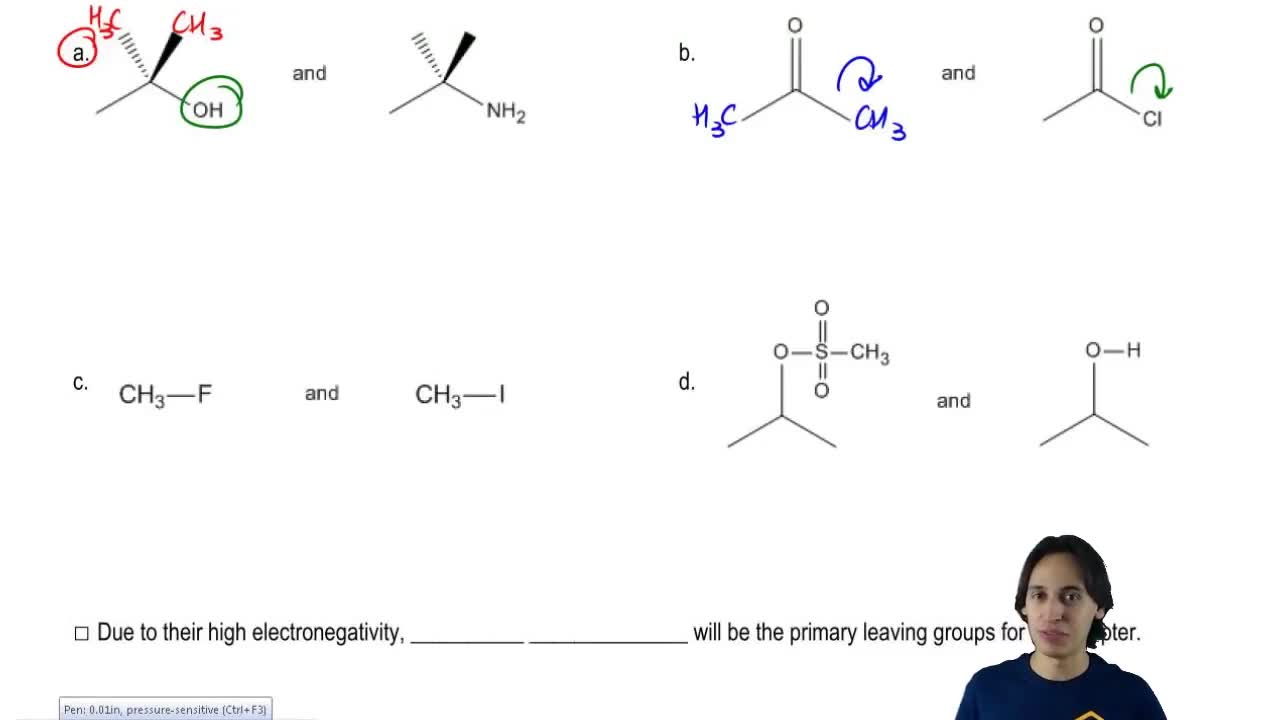
  • Predict the best leaving group
    00:50
  • Predict the best leaving group
    01:12
  • Predict the best leaving group
    00:36

SN2 Reaction

  • Ranking reactivity toward SN2
    04:03
  • Drawing the SN2 Mechanism
    08:33
  • Understanding the properties of SN2.
    11:57

SN1 Reaction

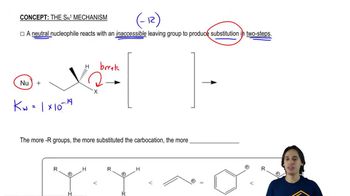
  • Drawing the SN1 Mechanism
    10:49
  • Why highly substituted leaving groups favor SN1.
    01:13
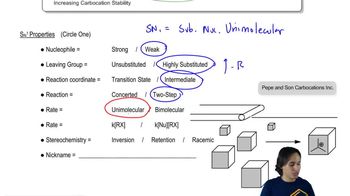
  • Understanding the properties of SN1.
    08:16

Solvents

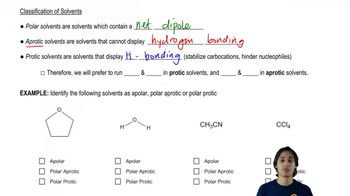
  • The difference between protic vs. aprotic solvents.
    03:57
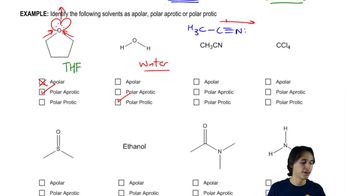
  • Identification of polarity in solvents
    01:16
  • Identification of polarity in solvents
    00:39

Leaving Groups

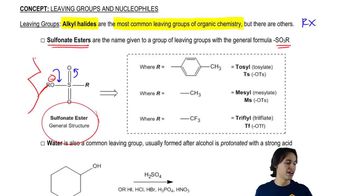
  • The 3 important leaving groups to know.
    07:22

Nucleophiles and Basicity

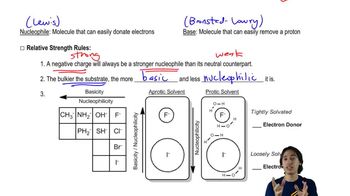
  • Understanding the difference between basicity and nucleophilicity.
    06:21

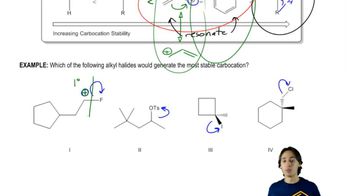
Carbocation Stability

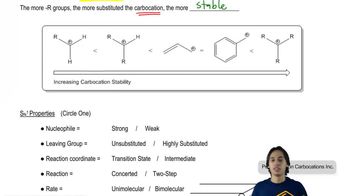
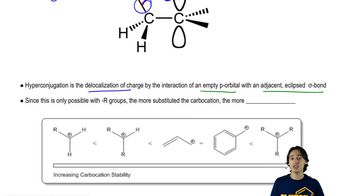
  • Determining Carbocation Stability
    05:58
  • Predicting the most stable carbocation
    01:21

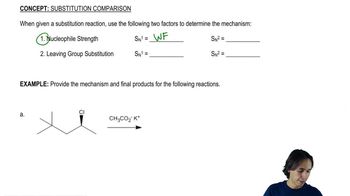
Substitution Comparison

  • How do we predict if the mechanism is SN1 or SN2?
    03:32