Back

Organic Chemistry and Biochemistry: Midterm Study Guide

Study Guide - Learn with Videos

Curated lessons matched to your uploaded material – learn every topic step by step.

Atomic Structure

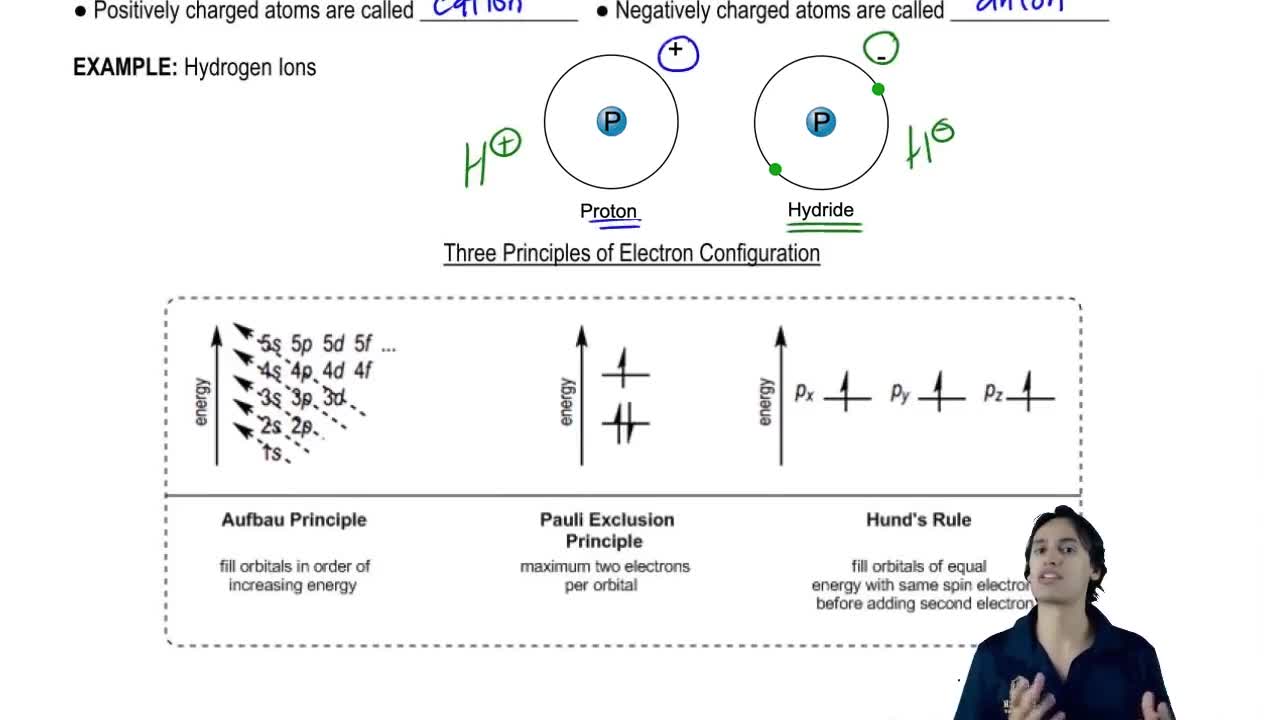
  • Three rules about orbitals you need to know.
    02:54
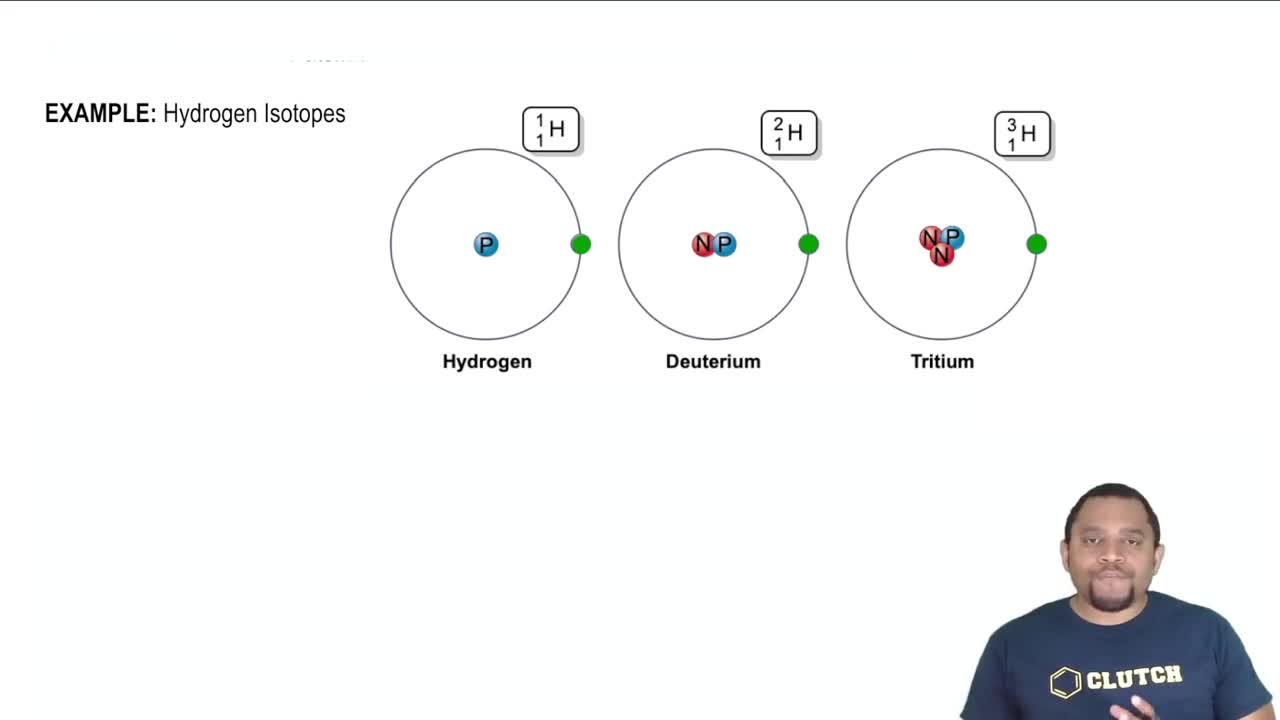
  • Understanding the hydrogen isotopes.
    03:06
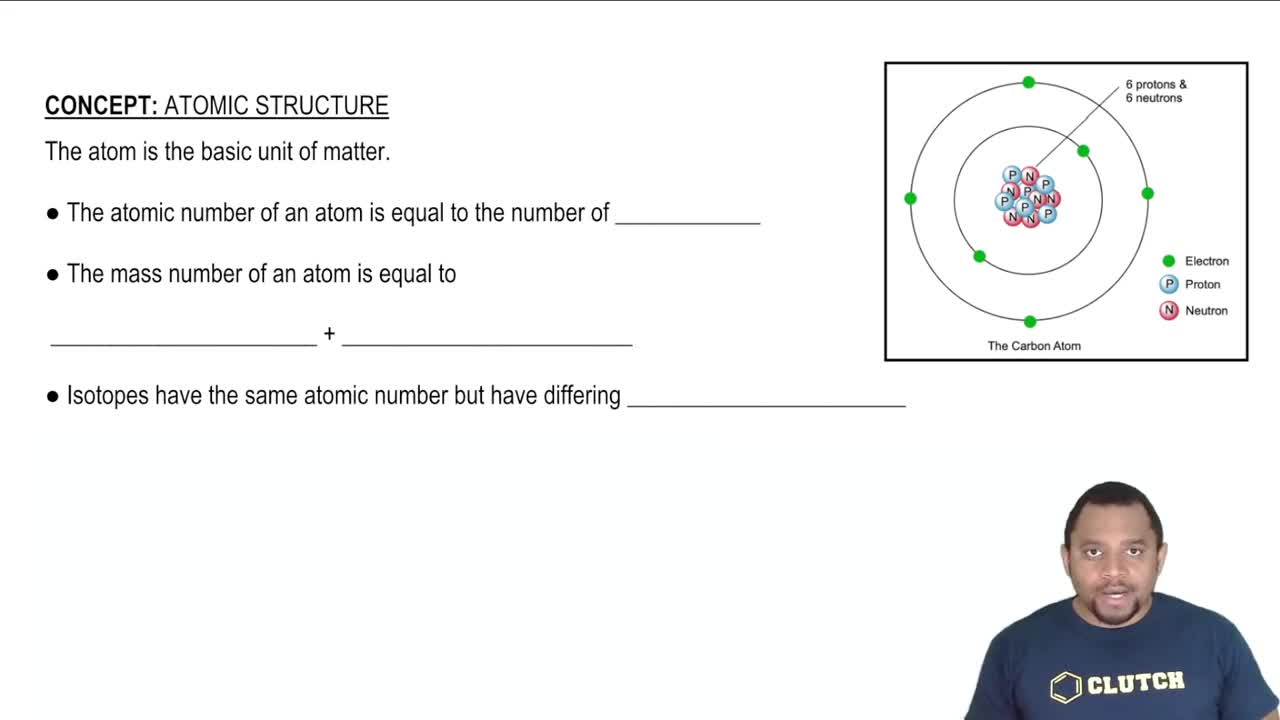
  • The difference between atomic numbers and atomic mass.
    01:44

Formal Charges

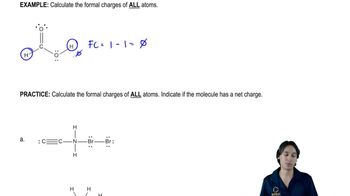
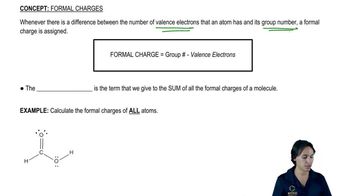
  • Calculate the formal charges of ALL atoms.
    02:21
  • Calculating formal and net charge.
    01:34

Lewis Structure

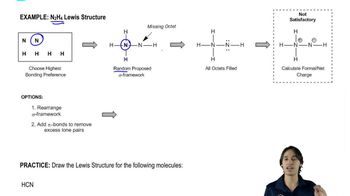
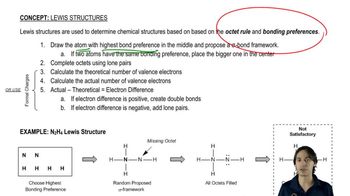
  • Drawing the Lewis Structure for N2H4.
    04:12
  • How to use Organic Chemistry to make Lewis Structures easier.
    03:49

Molecular Geometry

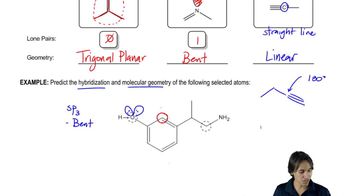
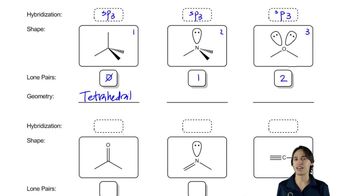
  • Predict the hybridization and molecular geometry
    01:54
  • Molecular Geometry Explained.
    07:44

Molecular Geometry

  • Predict the hybridization and molecular geometry
    01:54
  • Molecular Geometry Explained.
    07:44
Bonding Preferences

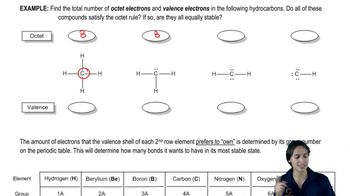
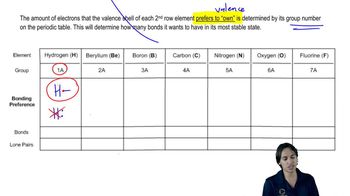
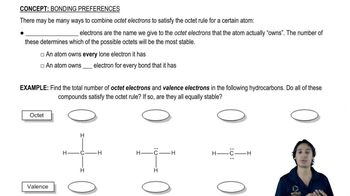
  • What is the difference between valence and octet electrons?
    02:04
  • Understanding the hydrogen isotopes.
    08:32
  • What is a valence electron?
    02:14

Sigma and Pi Bonds

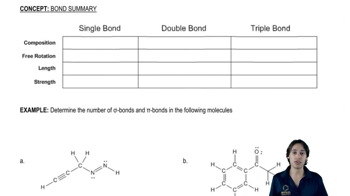
  • Single bonds, double bonds, and triple bonds.
    06:00
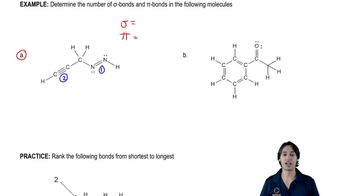
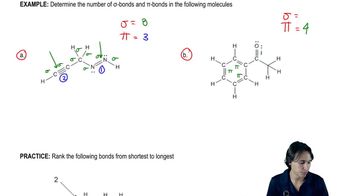
  • Sigma bonds and pi bonds
    01:05
  • Sigma bonds and pi bonds
    00:59

Organic Chemistry Reactions

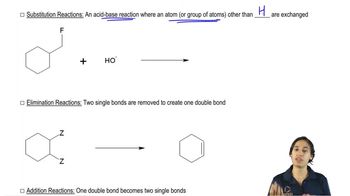
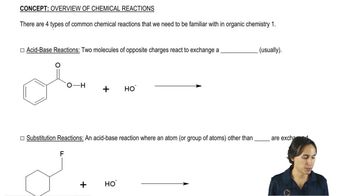
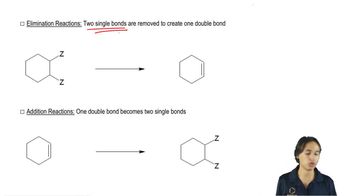
  • Recognizing Substitution Reactions.
    01:34
  • Recognizing Acid-Base Reactions.
    02:43
  • Recognizing Elimination Reactions.
    00:40

Reaction Mechanism

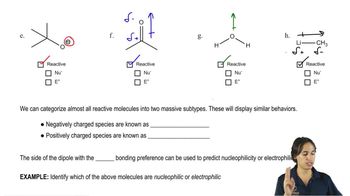
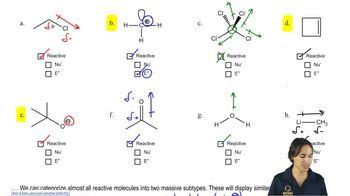
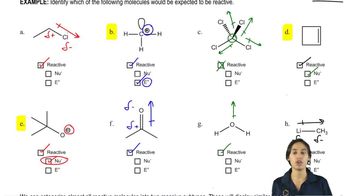
  • How to tell if charged molecules will react as nucleophiles or electrophiles.
    02:39
  • Nucleophile or Electrophile
    01:49
  • How to tell if uncharged molecules will react as nucleophiles or electrophiles.
    02:48

Acids and Bases

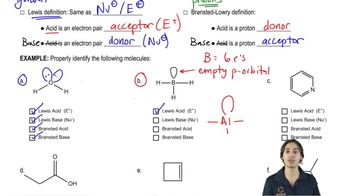
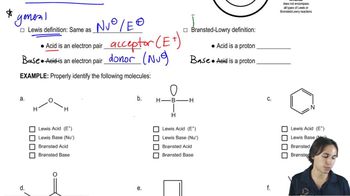
  • Lewis vs. Bronsted-Lowry Definition
    07:46
  • The Bronsted-Lowry definition of acids and bases.
    00:54
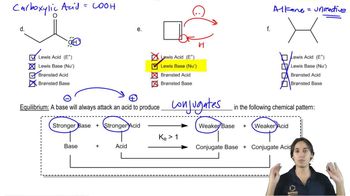
  • Equilibrium constant and conjugates.
    02:11

pKa

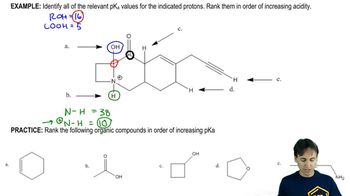
  • Identifying pKa values
    07:45
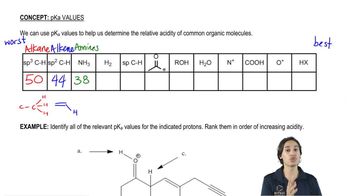
  • The 12 pKa values you want to memorize (because they are important!).
    09:36

Ranking Acidity

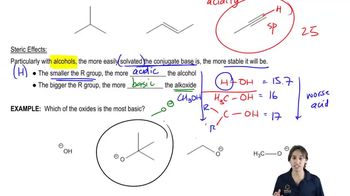
  • Which of the oxides is the most basic?
    00:30
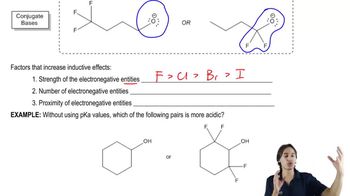
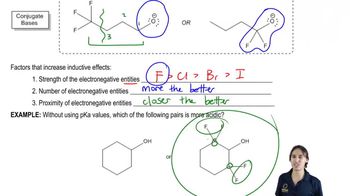
  • The 3 factors that determine the strength of inductive effects.
    03:09
  • Using Inductive Effect to determine acidity
    01:54

IUPAC Naming

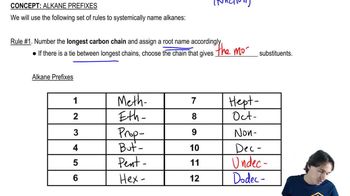
  • Naming the root chain
    01:02
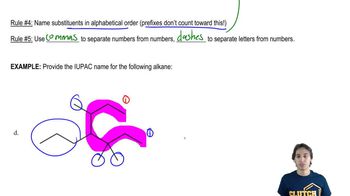
  • Provide the IUPAC name for the following alkane
    07:08
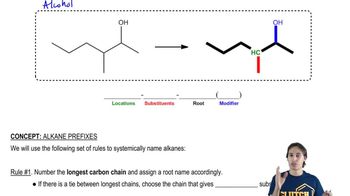
  • The different parts of an IUPAC name
    03:43

Functional Groups

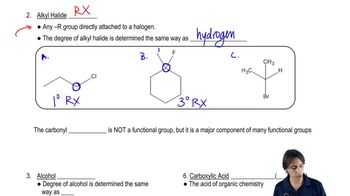
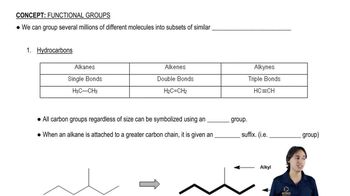
  • Assigning Degrees to Alkyl Halides
    01:30
  • Why we need functional groups.
    01:49
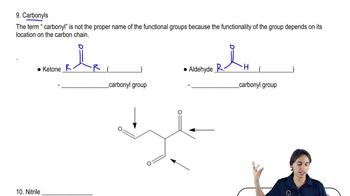
  • The difference between aldehydes and ketones.
    03:08

Degrees of Unsaturation

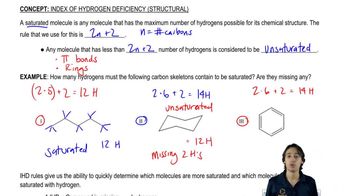
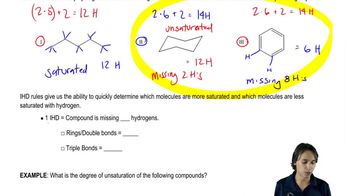
  • Is the following molecule saturated?
    00:30
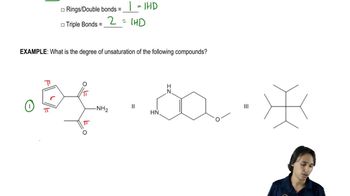
  • What is the IHD of the following molecule?
    00:45
  • What index of hydrogen deficiency is.
    01:15

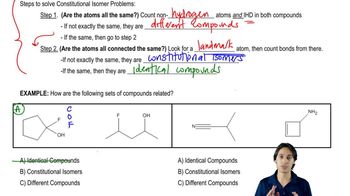
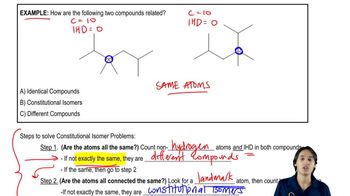
Constitutional Isomers

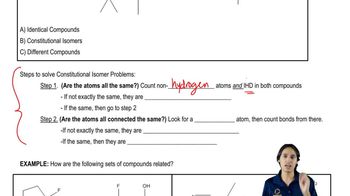
  • Isomeric Relationships
    03:28
  • Using the flowchart to determine isometric relationships.
    05:02
  • Isomeric Relationships
    02:56

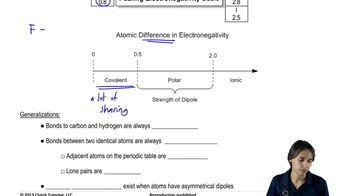
Electronegativity

  • Differences between ionic, polar and covalent bonds
    11:33

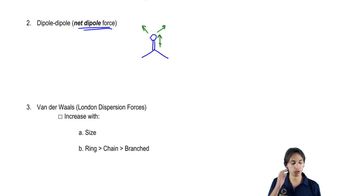
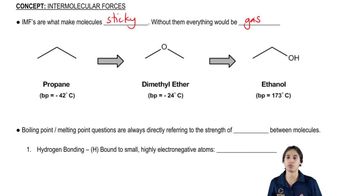
Intermolecular Forces

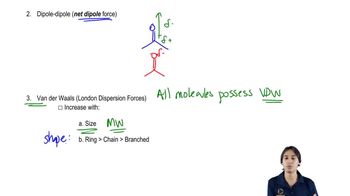
  • How dipole-dipole forces work.
    01:46
  • How IMFs are related to melting and boiling points.
    03:08
  • How Van der Waals forces work.
    03:01

How To Determine Solubility

  • Introducing common solvents and other molecules in organic chemistry.
    02:01
  • Understanding “like dissolves like”.
    01:47