Back

Organic Chemistry Final Exam Review: Key Concepts & Study Guide

Study Guide - Learn with Videos

Curated lessons matched to your uploaded material – learn every topic step by step.

Atomic Structure

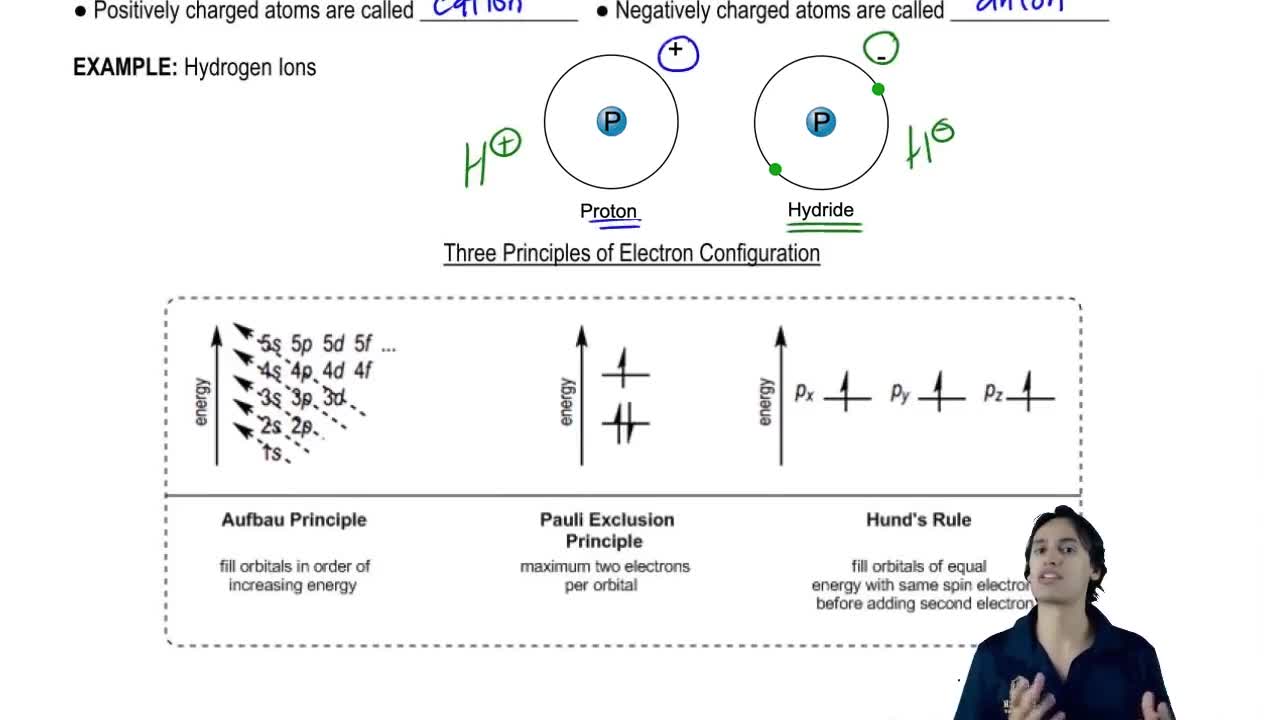
  • Three rules about orbitals you need to know.
    02:54
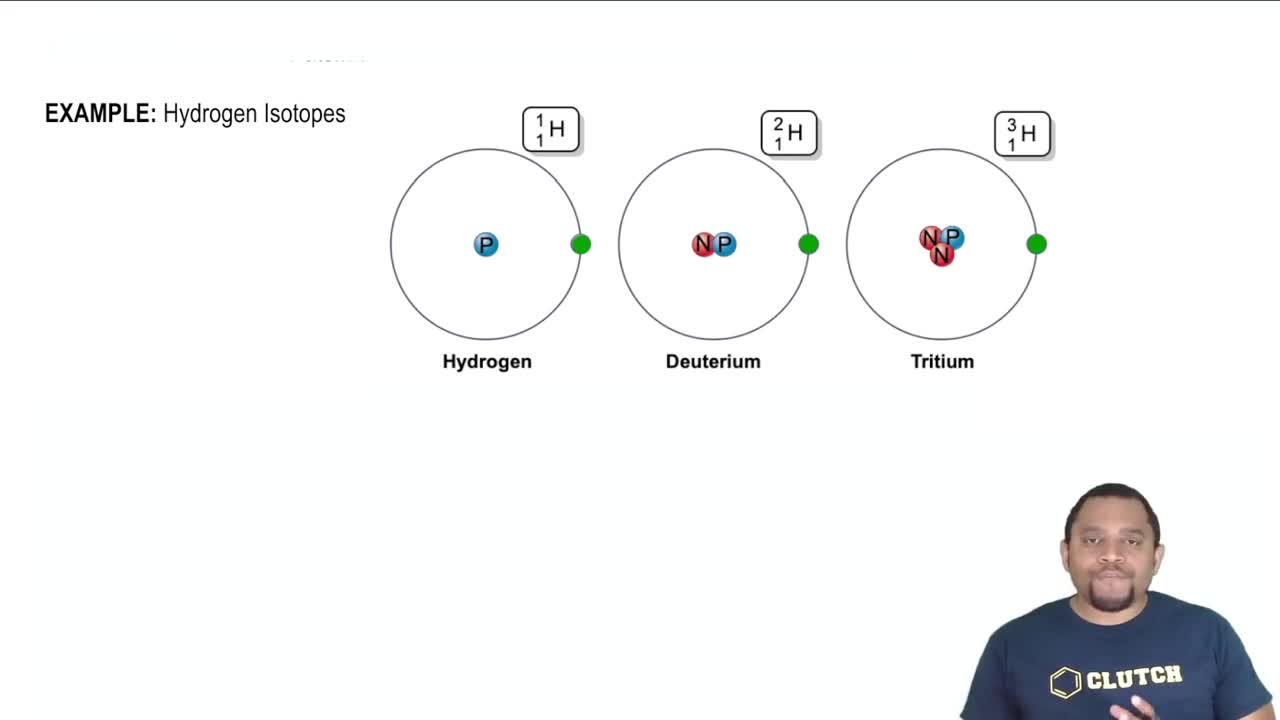
  • Understanding the hydrogen isotopes.
    03:06
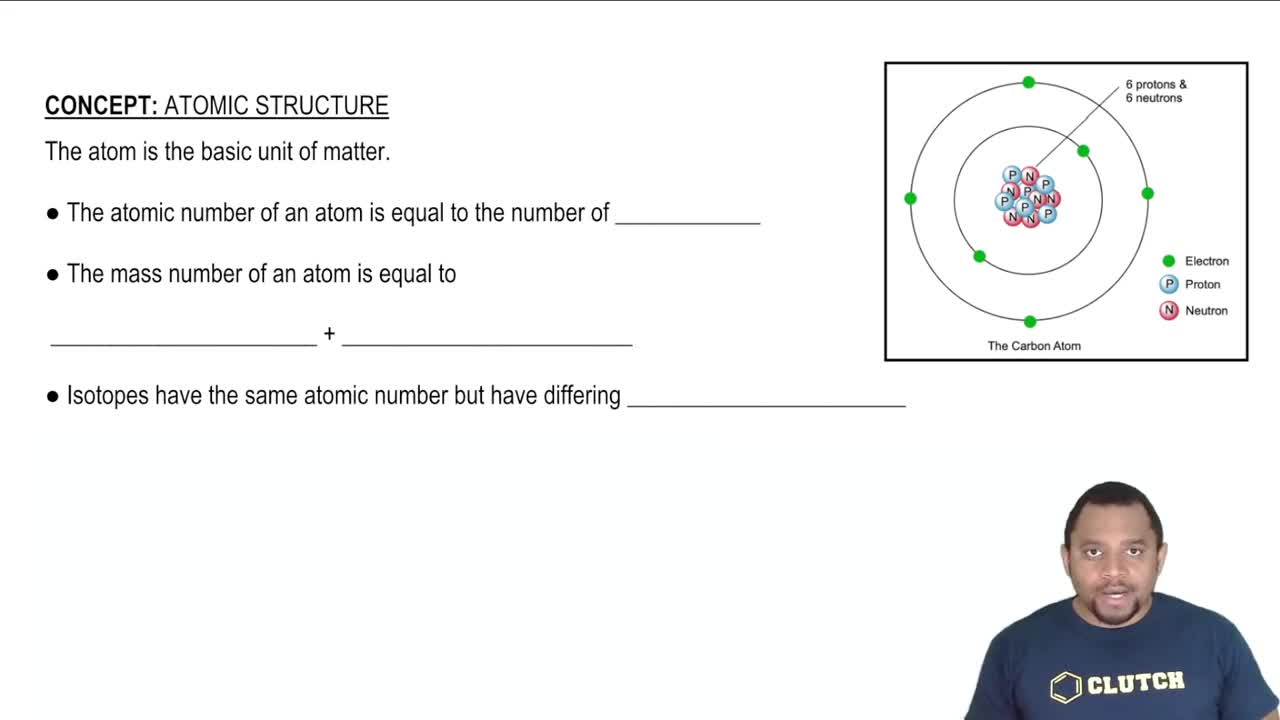
  • The difference between atomic numbers and atomic mass.
    01:44

Hybridization

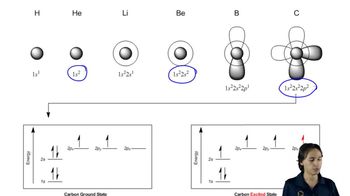
  • How carbon creates 4 partially-filled orbitals.
    02:53
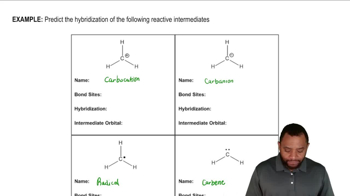
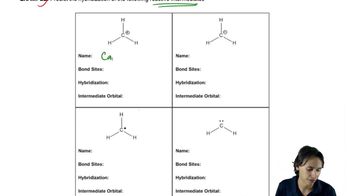
  • Bond sites, hybridization, and intermediate orbitals
    04:58
  • Introduction to the reactive intermediates.
    02:47

Molecular Geometry

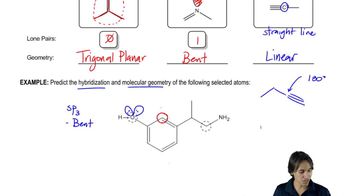
  • Predict the hybridization and molecular geometry
    01:54
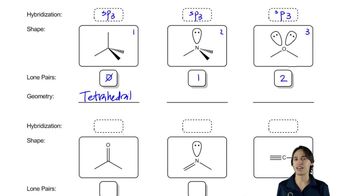
  • Molecular Geometry Explained.
    07:44

Lewis Structure

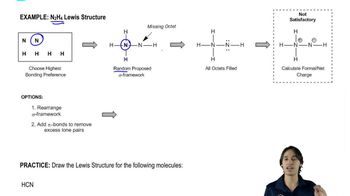
  • Drawing the Lewis Structure for N2H4.
    04:12
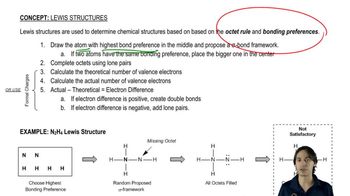
  • How to use Organic Chemistry to make Lewis Structures easier.
    03:49

Condensed Structural Formula

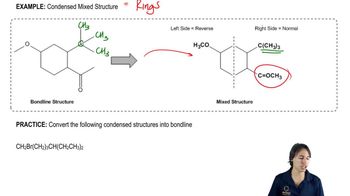
  • How to draw condensed mixed structures.
    05:21
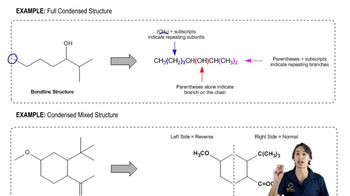
  • How to interpret condensed structures.
    06:06

Sigma and Pi Bonds

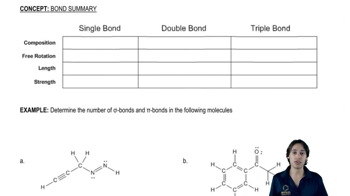
  • Single bonds, double bonds, and triple bonds.
    06:00
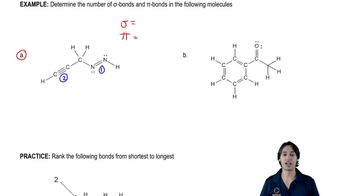
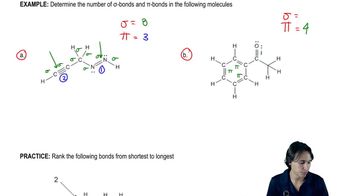
  • Sigma bonds and pi bonds
    01:05
  • Sigma bonds and pi bonds
    00:59

Alkane Nomenclature

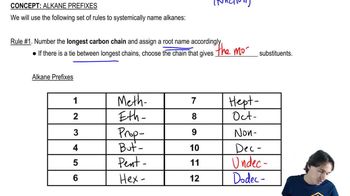
  • Naming the root chain
    01:02
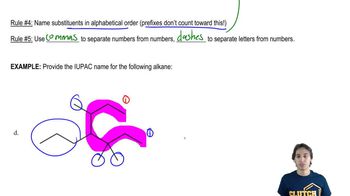
  • Provide the IUPAC name for the following alkane
    07:08
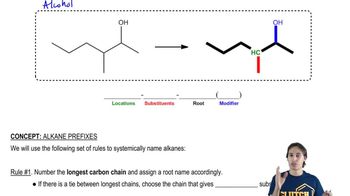
  • The different parts of an IUPAC name
    03:43

Functional Groups

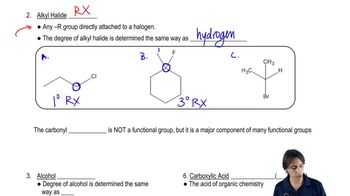
  • Assigning Degrees to Alkyl Halides
    01:30
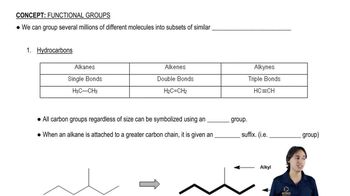
  • Why we need functional groups.
    01:49
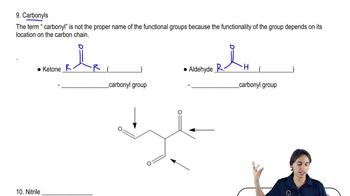
  • The difference between aldehydes and ketones.
    03:08

Constitutional Isomers

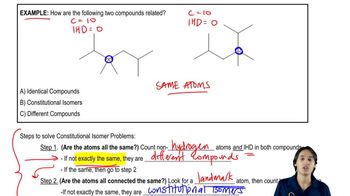
  • Isomeric Relationships
    03:28
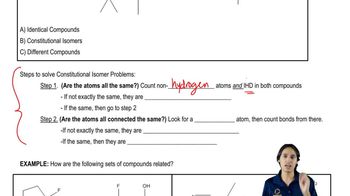
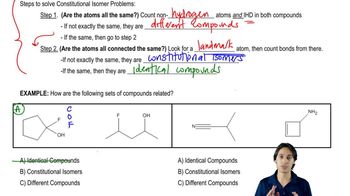
  • Using the flowchart to determine isometric relationships.
    05:02
  • Isomeric Relationships
    02:56

Resonance Structures

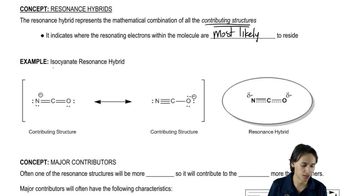
  • How to draw a resonance hybrid.
    03:24
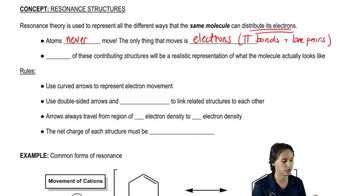
  • The rules you need for resonance:
    03:34
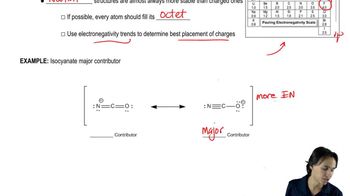
  • How to determine which structure is most stable.
    01:32

Cis vs Trans

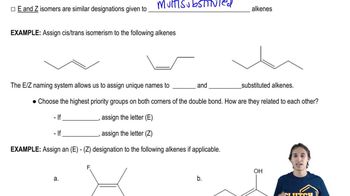
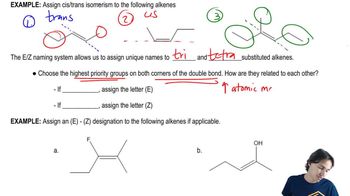
  • Why we need to use the E/Z naming system
    02:07
  • What does E and Z stand for?
    00:50
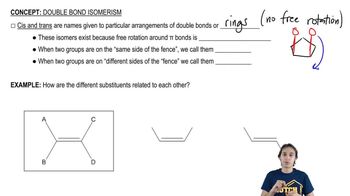
  • How to name different types of double bonds or rings
    04:28

Conformational Isomers

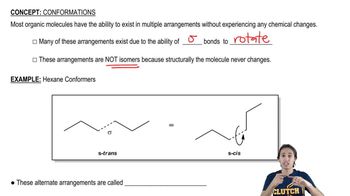
  • Understanding what a conformer is.
    03:29

Newman Projections

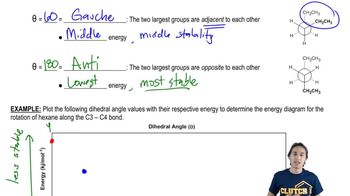
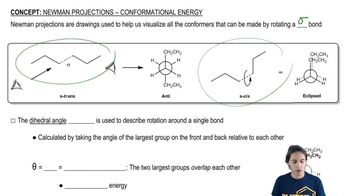
  • How to draw a Newman Projection Energy Diagram.
    07:27
  • How sigma bond rotation is visualized
    03:11
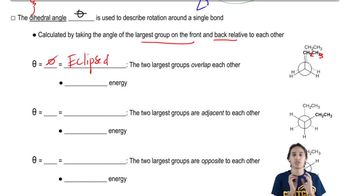
  • The energy states of 3 different Newman Projections.
    03:51

Ring Strain

  • Understanding Heat of Combustion
    01:11
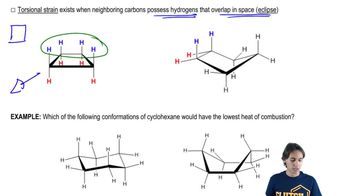
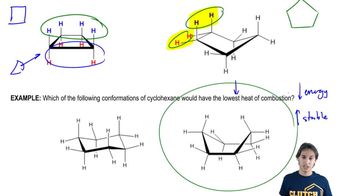
  • What is torsional strain?
    02:00
  • Lowest Heat of Combustion
    02:34

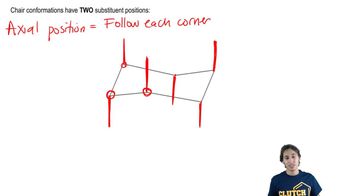
Axial vs Equatorial

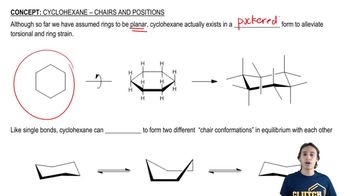
  • What is a chair conformation?
    01:05
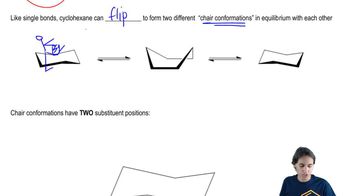
  • How chairs flip from one conformation to another
    02:22
  • How chairs flip from one conformation to another
    04:26

A-Values

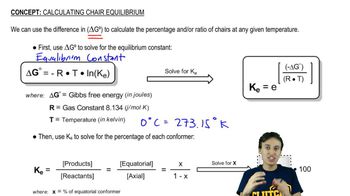
  • Calculating Chair Equilibrium
    06:27

Chirality

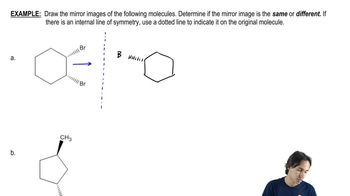
  • Drawing Mirror Images and Determining Chirality
    03:24
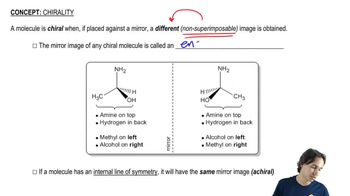
  • What is chirality?
    05:10
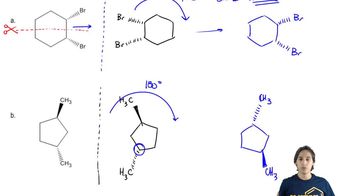
  • Drawing Mirror Images and Determining Chirality
    03:44

Cahn-Ingold-Prelog Nomenclature

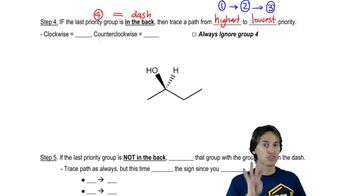
  • R and S Naming- Step 4
    03:07
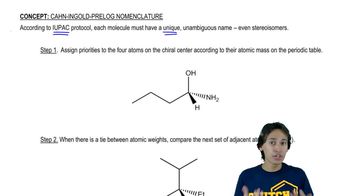
  • Why stereoisomers need their own naming system.
    01:48
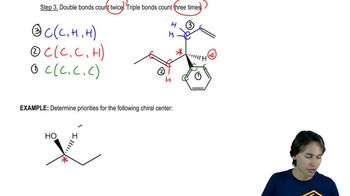
  • Determining Priorities
    01:19

Types of Stereoisomers

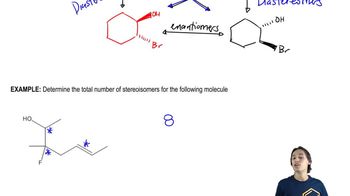
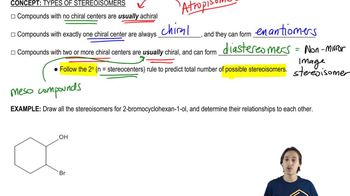
  • Determine total number of stereoisomers
    00:49
  • How to predict the total number of stereoisomers.
    01:03
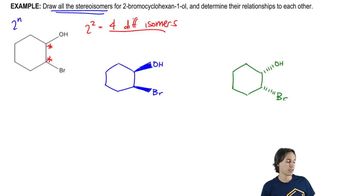
  • Draw stereoisomers and determine relationship
    07:41

Meso Compounds

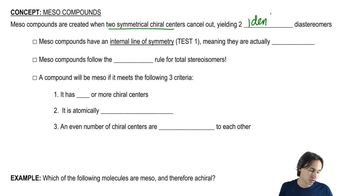
  • Defining meso compounds.
    01:40
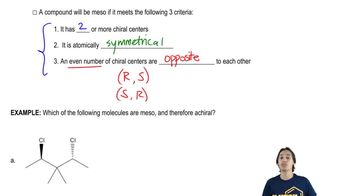
  • The 3 rules of meso compounds.
    04:10
  • Which of the following molecules are meso?
    03:44

Acid and Base Definitions

  • Lewis vs. Bronsted-Lowry Definition
    07:46
  • The Bronsted-Lowry definition of acids and bases.
    00:54
  • Equilibrium constant and conjugates.
    02:11

pKa Values

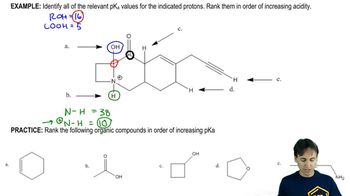
  • Identifying pKa values
    07:45
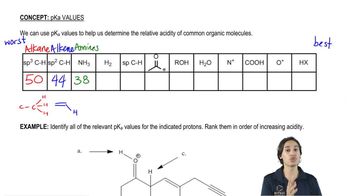
  • The 12 pKa values you want to memorize (because they are important!).
    09:36

Factors Affecting Acidity

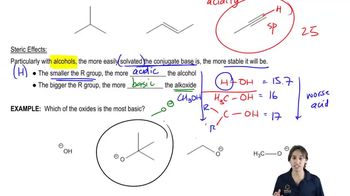
  • Which of the oxides is the most basic?
    00:30
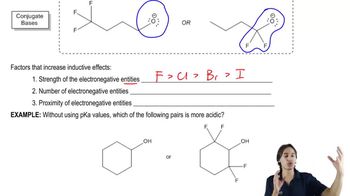
  • The 3 factors that determine the strength of inductive effects.
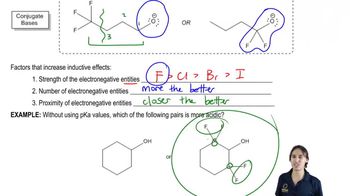
    03:09
  • Using Inductive Effect to determine acidity
    01:54

SN1 Reaction

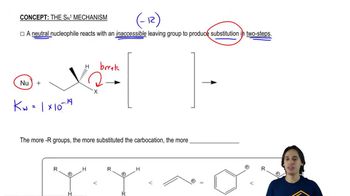
  • Drawing the SN1 Mechanism
    10:49
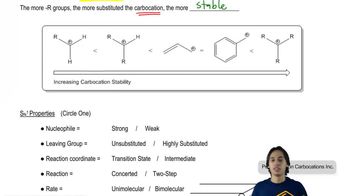
  • Why highly substituted leaving groups favor SN1.
    01:13
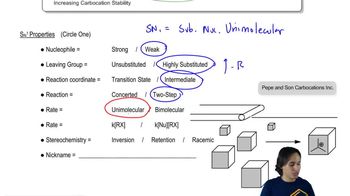
  • Understanding the properties of SN1.
    08:16

The SN2 Mechanism

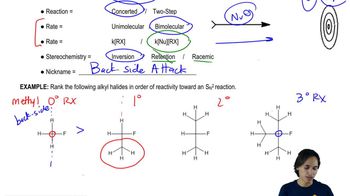
  • Ranking reactivity toward SN2
    04:03
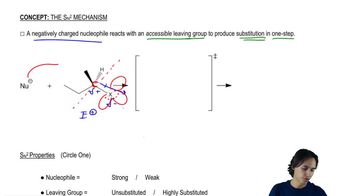
  • Drawing the SN2 Mechanism
    08:33
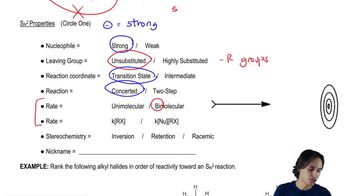
  • Understanding the properties of SN2.
    11:57

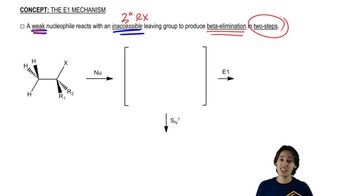
The E1 Mechanism

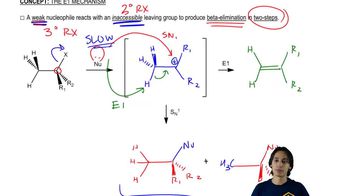
  • Understanding the properties of E1.
    03:32
  • Drawing the E1 Mechanism.
    08:09

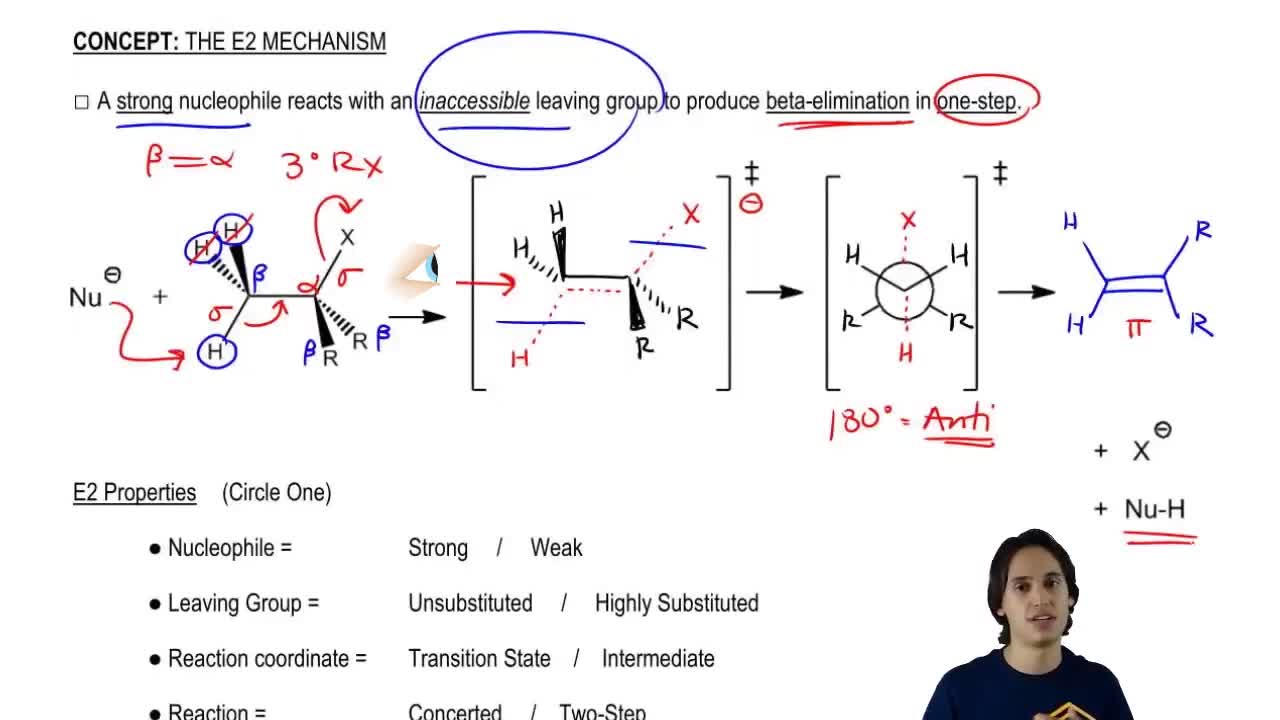
E2 Mechanism

  • Understanding the properties of E2.
    04:42
  • Drawing the E2 Mechanism.
    09:36
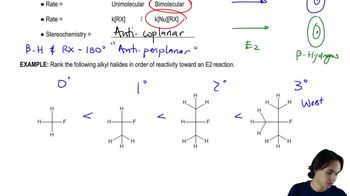
  • Rank reactivity toward E2
    02:03

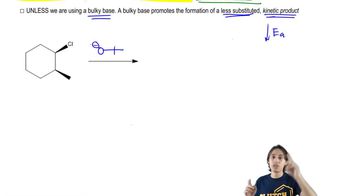
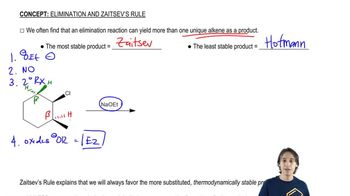
Zaitsev Rule

  • Hofmann product
    02:39
  • Defining Zaitsev’s Rule
    01:18
  • Zaitsev product
    07:01

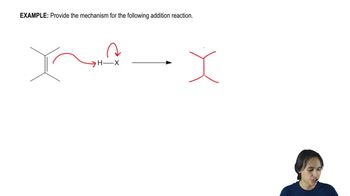
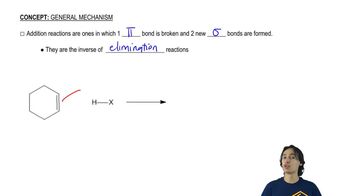
Addition Reaction

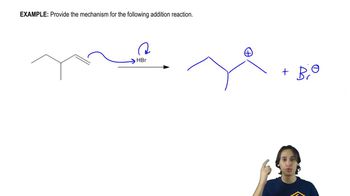
  • Provide the mechanism
    01:15
  • Features of Addition Mechanisms.
    05:39

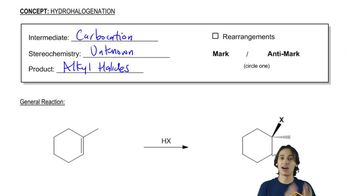
Hydrohalogenation

  • General properties of hydrohalogenation.
    04:07
  • Provide the mechanism
    02:24

Hydrogenation

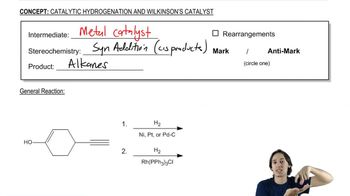
  • General properties of catalytic hydrogenation.
    05:21

Dehydration Reaction

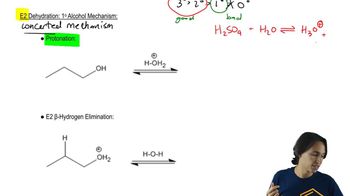
  • Dehydration of 1° alcohols:The E2 Mechanism
    05:20
  • An extra note of caution with 1° alcohols.
    01:06
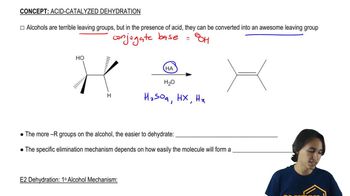
  • General features of acid-catalyzed dehydration.
    06:01

Infrared Spectroscopy

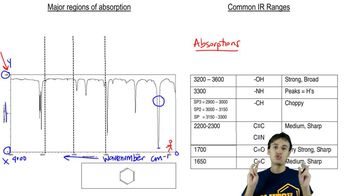
  • General Features of IR Spect
    16:04

NMR Spectroscopy

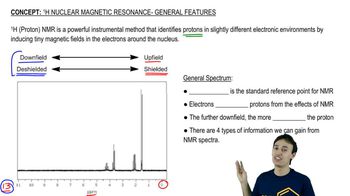
  • General NMR Features
    10:06

Index of Hydrogen Deficiency (Structural)

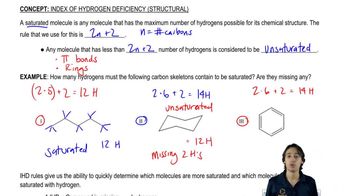
  • Is the following molecule saturated?
    00:30
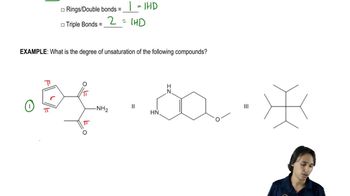
  • What is the IHD of the following molecule?
    00:45
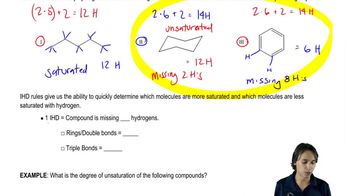
  • What index of hydrogen deficiency is.
    01:15