Back

Organic Chemistry Final Exam Study Guide: Key Concepts and Mechanisms

Study Guide - Learn with Videos

Curated lessons matched to your uploaded material – learn every topic step by step.

Formal Charges

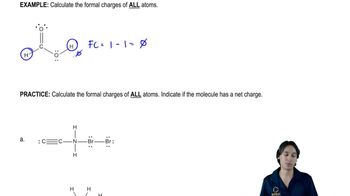
  • Calculate the formal charges of ALL atoms.
    02:21
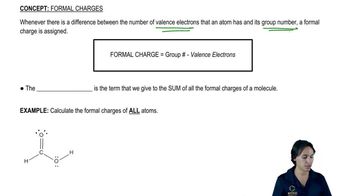
  • Calculating formal and net charge.
    01:34

Enantiomers vs. Diastereomers

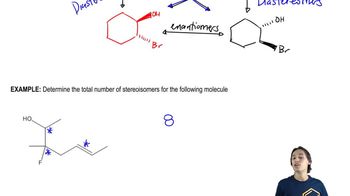
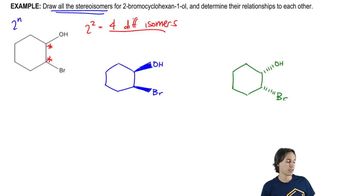
  • Determine total number of stereoisomers
    00:49
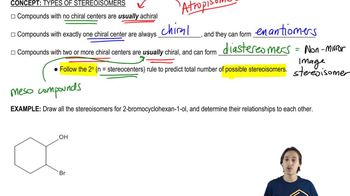
  • How to predict the total number of stereoisomers.
    01:03
  • Draw stereoisomers and determine relationship
    07:41

Optical Activity

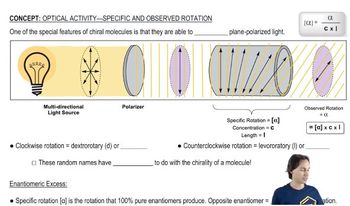
  • Specific rotation vs. observed rotation.
    05:43

Ranking Acidity

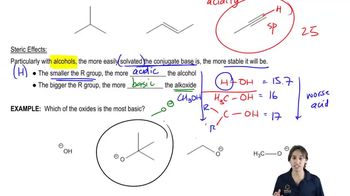
  • Which of the oxides is the most basic?
    00:30
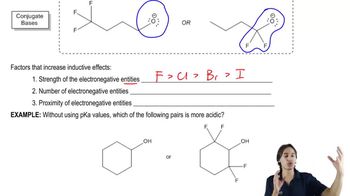
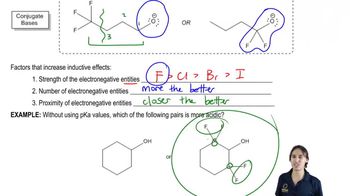
  • The 3 factors that determine the strength of inductive effects.
    03:09
  • Using Inductive Effect to determine acidity
    01:54

Alkene Stability

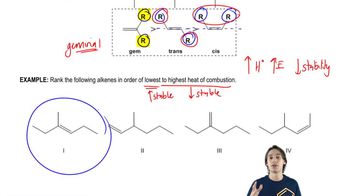
  • Heat of Combustion
    02:55
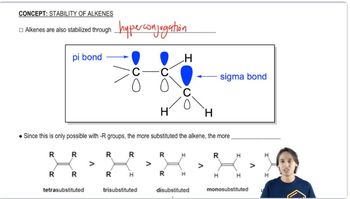
  • Understanding trends of alkene stability.
    04:28

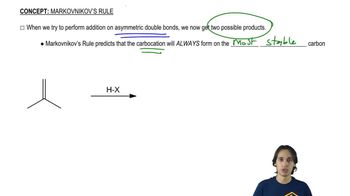
Markovnikov

  • Provide the mechanism
    01:26
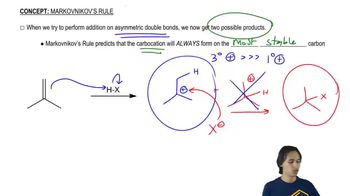
  • How to add to asymmetrical double bonds.
    03:38

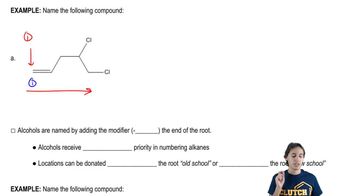
Naming Alkenes

  • Name the following alkene
    02:04
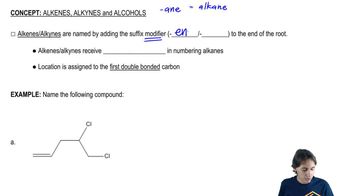
  • How to name alkenes and alkynes
    01:55

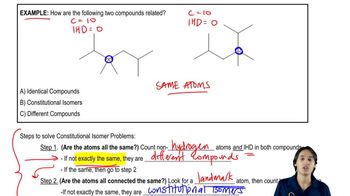
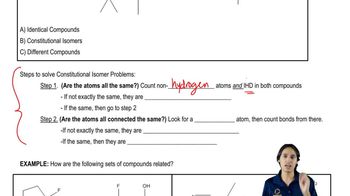
Constitutional Isomers

  • Isomeric Relationships
    03:28
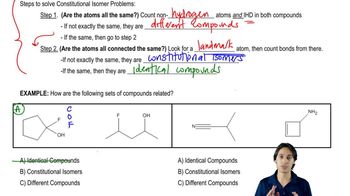
  • Using the flowchart to determine isometric relationships.
    05:02
  • Isomeric Relationships
    02:56

Conformational Isomers

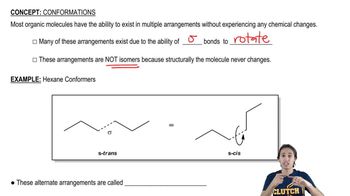
  • Understanding what a conformer is.
    03:29

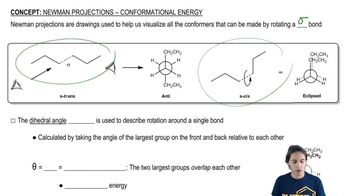
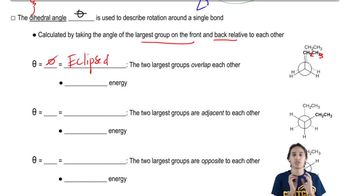
Newman Projections

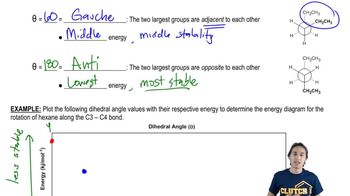
  • How to draw a Newman Projection Energy Diagram.
    07:27
  • How sigma bond rotation is visualized
    03:11
  • The energy states of 3 different Newman Projections.
    03:51

R and S Configuration

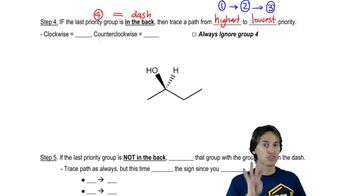
  • R and S Naming- Step 4
    03:07
  • Why stereoisomers need their own naming system.
    01:48
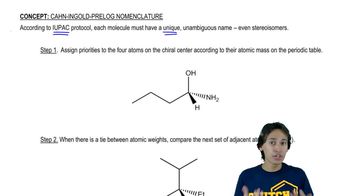
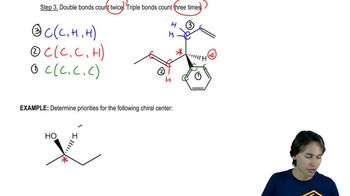
  • Determining Priorities
    01:19

Reaction Mechanism

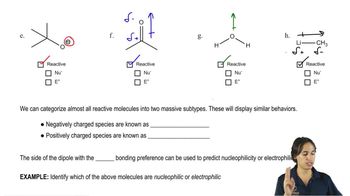
  • How to tell if charged molecules will react as nucleophiles or electrophiles.
    02:39
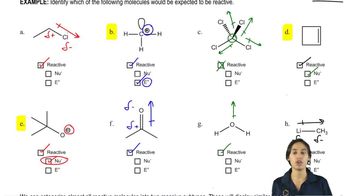
  • Nucleophile or Electrophile
    01:49
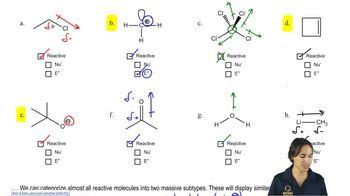
  • How to tell if uncharged molecules will react as nucleophiles or electrophiles.
    02:48

Nucleophilic Substitution

  • Predict the product
    05:55
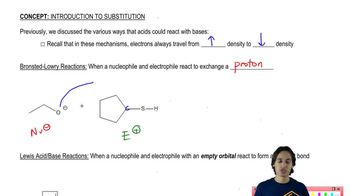
  • Nucleophiles and Electrophiles can react in Bronsted-Lowry Reactions.
    05:01
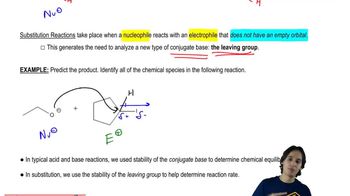
  • Nucleophiles and Electrophiles can react in Substitution Reactions.
    01:47

SN2 Reaction

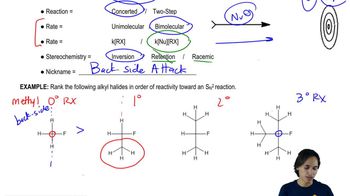
  • Ranking reactivity toward SN2
    04:03
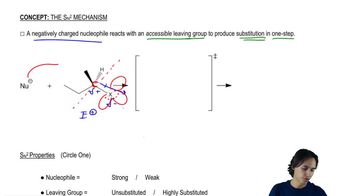
  • Drawing the SN2 Mechanism
    08:33
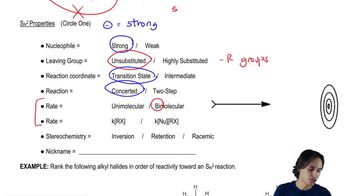
  • Understanding the properties of SN2.
    11:57

SN1 Reaction

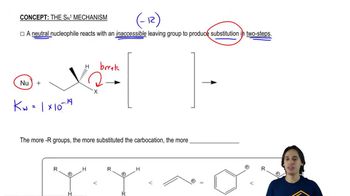
  • Drawing the SN1 Mechanism
    10:49
  • Why highly substituted leaving groups favor SN1.
    01:13
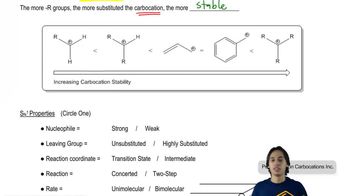
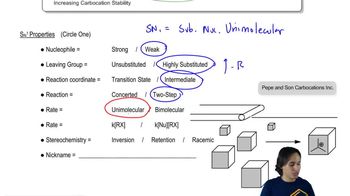
  • Understanding the properties of SN1.
    08:16

E2 Mechanism

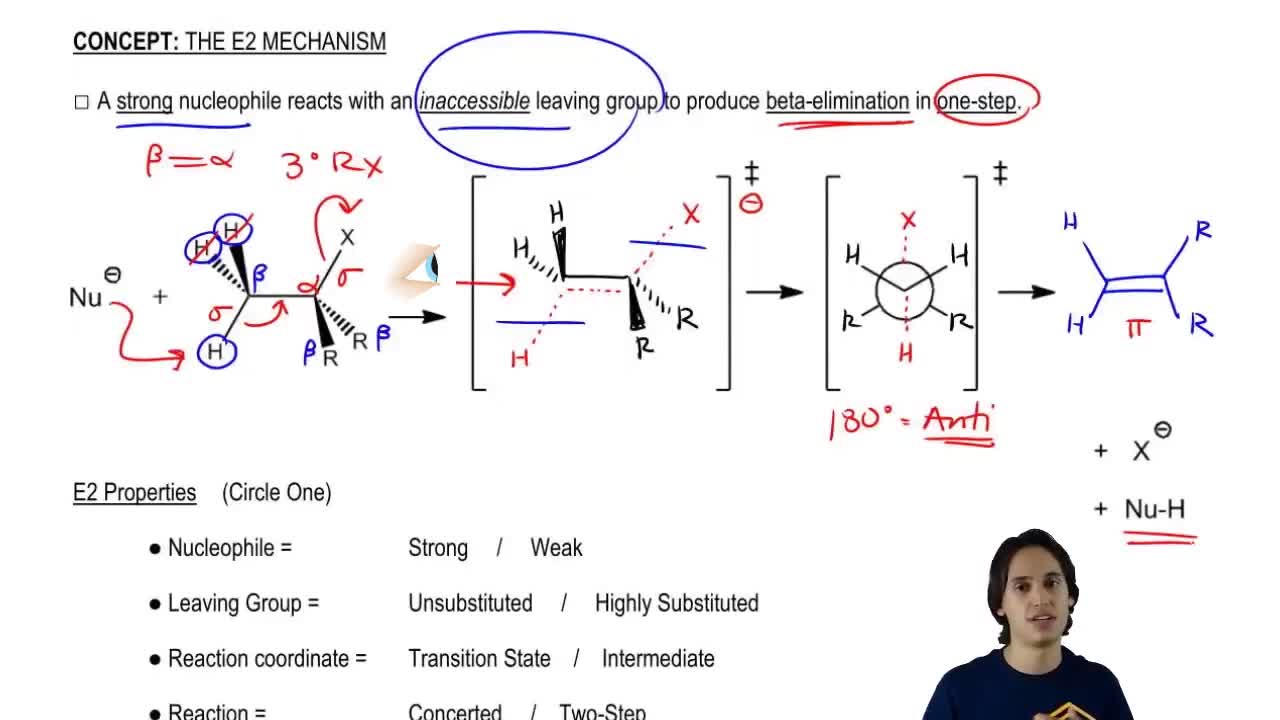
  • Understanding the properties of E2.
    04:42
  • Drawing the E2 Mechanism.
    09:36
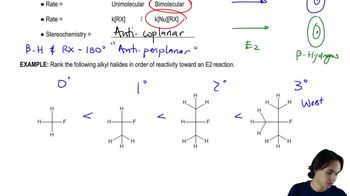
  • Rank reactivity toward E2
    02:03

E1 Reaction

  • Understanding the properties of E1.
    03:32
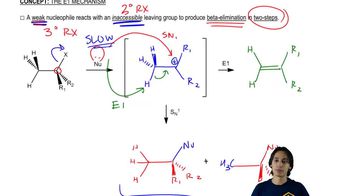
  • Drawing the E1 Mechanism.
    08:09

Solvents

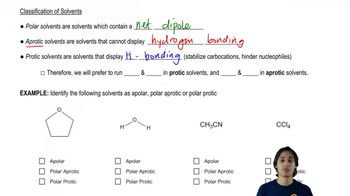
  • The difference between protic vs. aprotic solvents.
    03:57
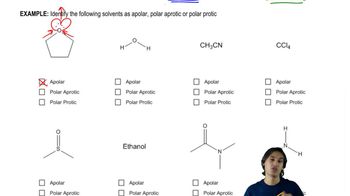
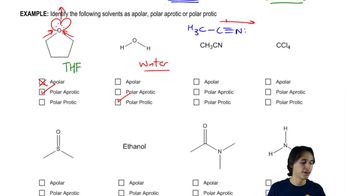
  • Identification of polarity in solvents
    01:16
  • Identification of polarity in solvents
    00:39

Leaving Groups

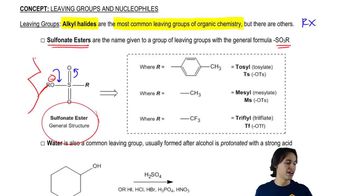
  • The 3 important leaving groups to know.
    07:22

Nucleophiles and Basicity

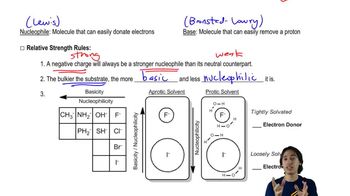
  • Understanding the difference between basicity and nucleophilicity.
    06:21