Back

Organic Chemistry Final Exam Study Guide: Key Concepts and Practice

Study Guide - Learn with Videos

Curated lessons matched to your uploaded material – learn every topic step by step.

Hybridization

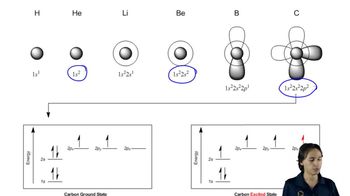
  • How carbon creates 4 partially-filled orbitals.
    02:53
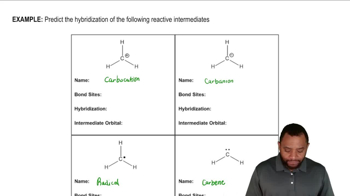
  • Bond sites, hybridization, and intermediate orbitals
    04:58
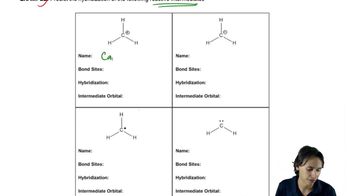
  • Introduction to the reactive intermediates.
    02:47

Degrees of Unsaturation

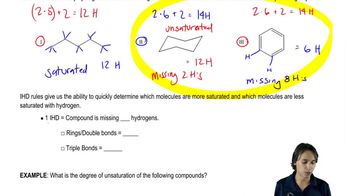
  • Is the following molecule saturated?
    00:30
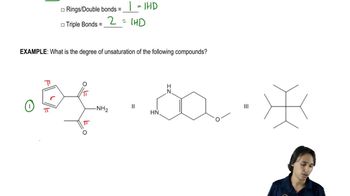
  • What is the IHD of the following molecule?
    00:45
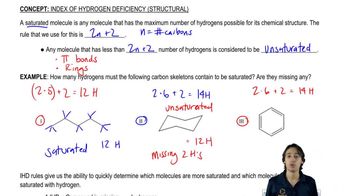
  • What index of hydrogen deficiency is.
    01:15

Acids and Bases

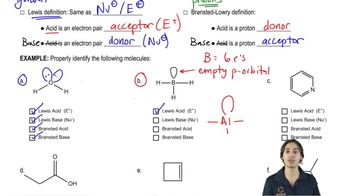
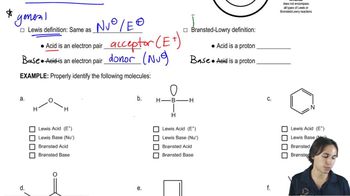
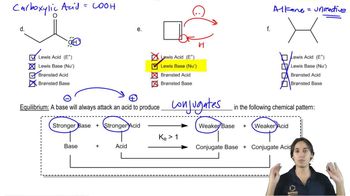
  • Lewis vs. Bronsted-Lowry Definition
    07:46
  • The Bronsted-Lowry definition of acids and bases.
    00:54
  • Equilibrium constant and conjugates.
    02:11

Ranking Acidity

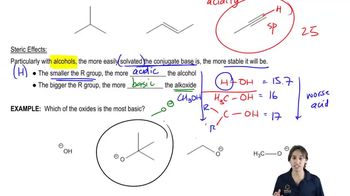
  • Which of the oxides is the most basic?
    00:30
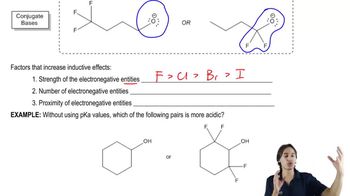
  • The 3 factors that determine the strength of inductive effects.
    03:09
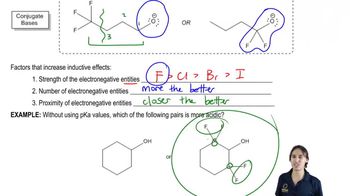
  • Using Inductive Effect to determine acidity
    01:54

Functional Groups

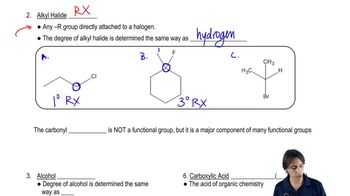
  • Assigning Degrees to Alkyl Halides
    01:30
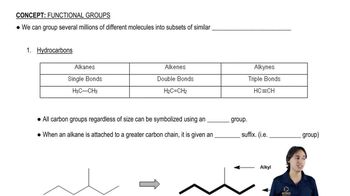
  • Why we need functional groups.
    01:49
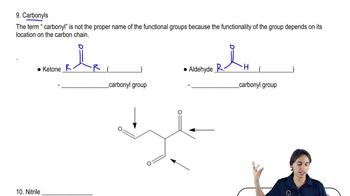
  • The difference between aldehydes and ketones.
    03:08

Nucleophilic Substitution

  • Predict the product
    05:55
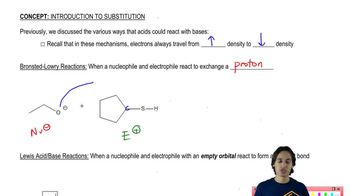
  • Nucleophiles and Electrophiles can react in Bronsted-Lowry Reactions.
    05:01
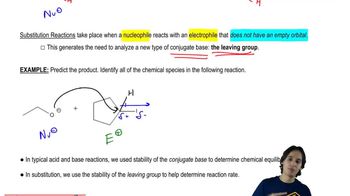
  • Nucleophiles and Electrophiles can react in Substitution Reactions.
    01:47

SN2 Reaction

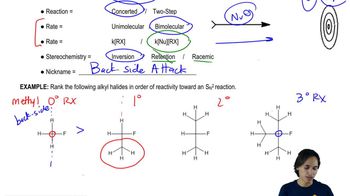
  • Ranking reactivity toward SN2
    04:03
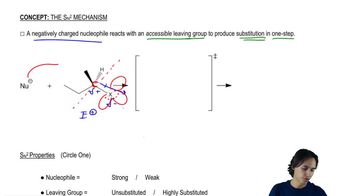
  • Drawing the SN2 Mechanism
    08:33
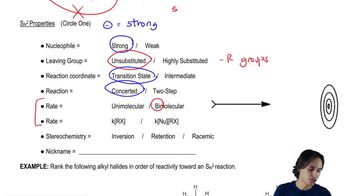
  • Understanding the properties of SN2.
    11:57

SN1 Reaction

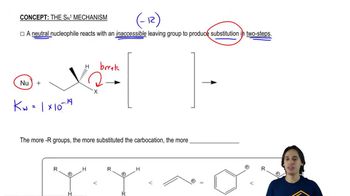
  • Drawing the SN1 Mechanism
    10:49
  • Why highly substituted leaving groups favor SN1.
    01:13
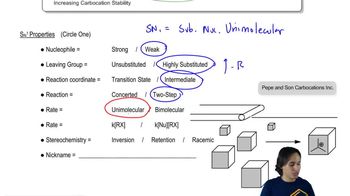
  • Understanding the properties of SN1.
    08:16

Carbocation Stability

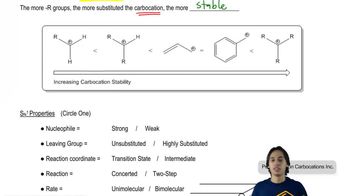
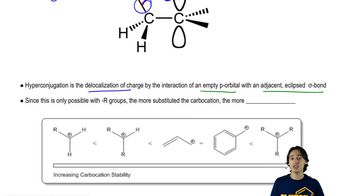
  • Determining Carbocation Stability
    05:58
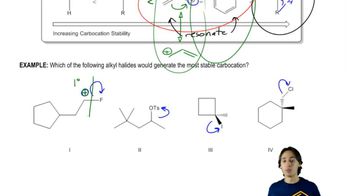
  • Predicting the most stable carbocation
    01:21

E2 Mechanism

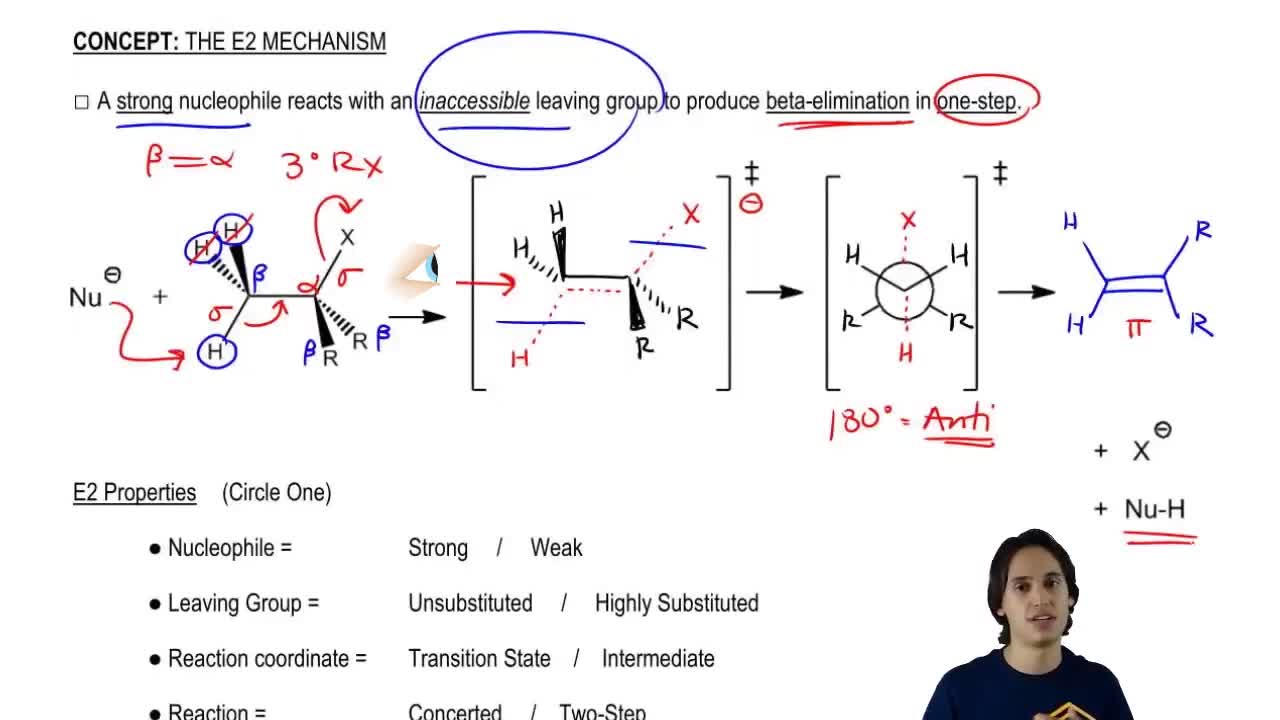
  • Understanding the properties of E2.
    04:42
  • Drawing the E2 Mechanism.
    09:36
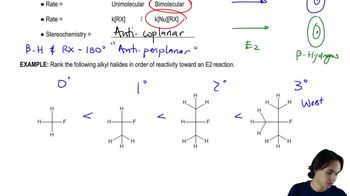
  • Rank reactivity toward E2
    02:03

E1 Reaction

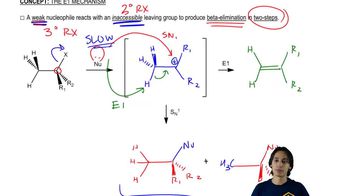
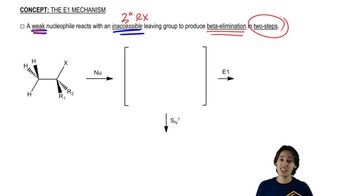
  • Understanding the properties of E1.
    03:32
  • Drawing the E1 Mechanism.
    08:09

Leaving Groups

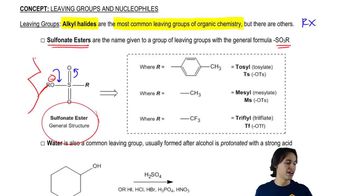
  • The 3 important leaving groups to know.
    07:22

Nucleophiles and Basicity

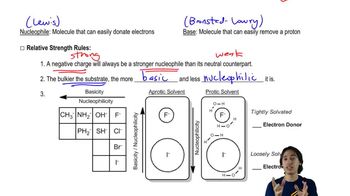
  • Understanding the difference between basicity and nucleophilicity.
    06:21

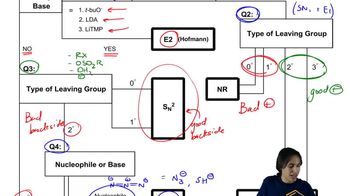
SN1 SN2 E1 E2 Chart (Big Daddy Flowchart)

  • How to predict SN2 and E2 mechanisms.
    09:52
  • How to predict SN1 and E1 mechanisms.
    06:30
  • Overview of the flowchart.
    02:27

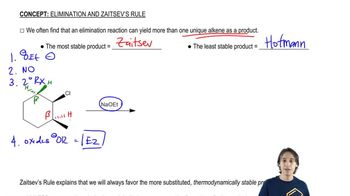
Zaitsev Rule

  • Hofmann product
    02:39
  • Defining Zaitsev’s Rule
    01:18
  • Zaitsev product
    07:01

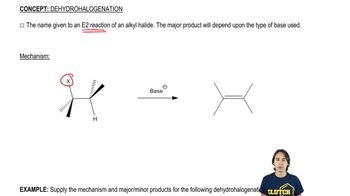
Dehydrohalogenation

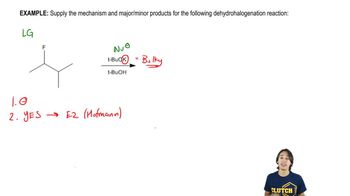
  • The dehydrohalogenation mechanism.
    03:02
  • Dehydrohalogenation mechanism and products
    04:35

Oxidizing and Reducing Agents

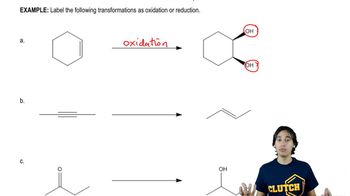
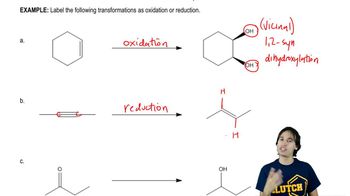
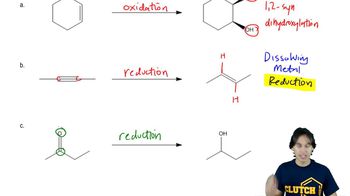
  • Distinguishing between Oxidation and Reduction
    00:54
  • Distinguishing between Oxidation and Reduction
    01:18
  • Distinguishing between Oxidation and Reduction
    00:54

Alcohol Synthesis

  • Forming alcohols through SN2 reactions.
    01:44
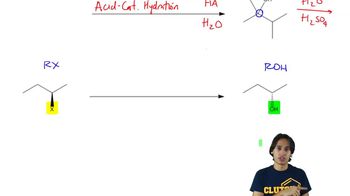
  • Forming alcohols through Acid-Catalyzed Hydration.
    02:02
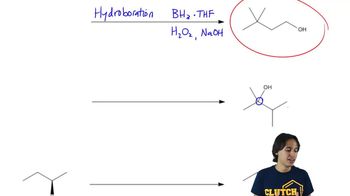
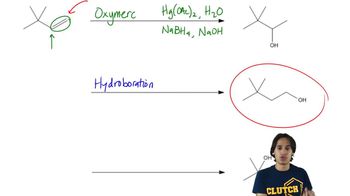
  • Forming alcohols through Hydroboration-Oxidation.
    01:37

Oxidation of Alcohols

  • Reagents
    01:52
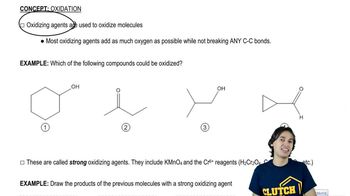
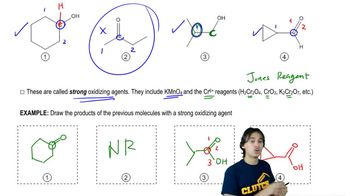
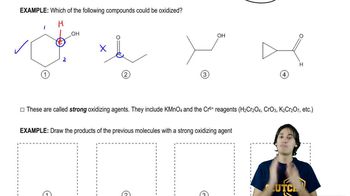
  • Strong oxidizing agents
    05:53
  • Strong oxidizing agents
    03:40

Reaction Mechanism

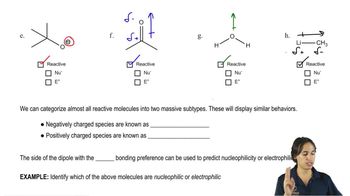
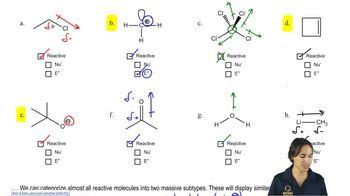
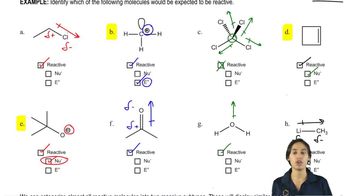
  • How to tell if charged molecules will react as nucleophiles or electrophiles.
    02:39
  • Nucleophile or Electrophile
    01:49
  • How to tell if uncharged molecules will react as nucleophiles or electrophiles.
    02:48

Energy Diagram

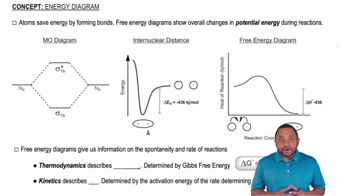
  • Introduction to free energy diagrams.
    08:30
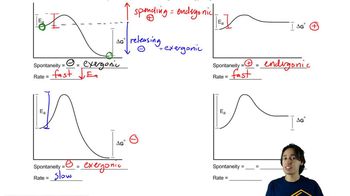
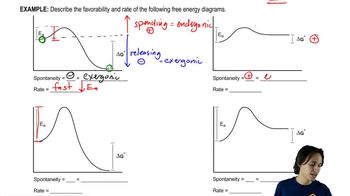
  • Favorability and rate of Free Energy Diagrams
    01:14
  • Favorability and rate of Free Energy Diagrams
    00:34

Gibbs Free Energy

  • Intermediates vs. Transition States
    06:55
  • Breaking down the different terms of the Gibbs Free Energy equation.
    05:02