Back

Organic Chemistry I: Comprehensive Study Checklist and Topic Guide

Study Guide - Learn with Videos

Curated lessons matched to your uploaded material – learn every topic step by step.

What is Organic Chemistry?

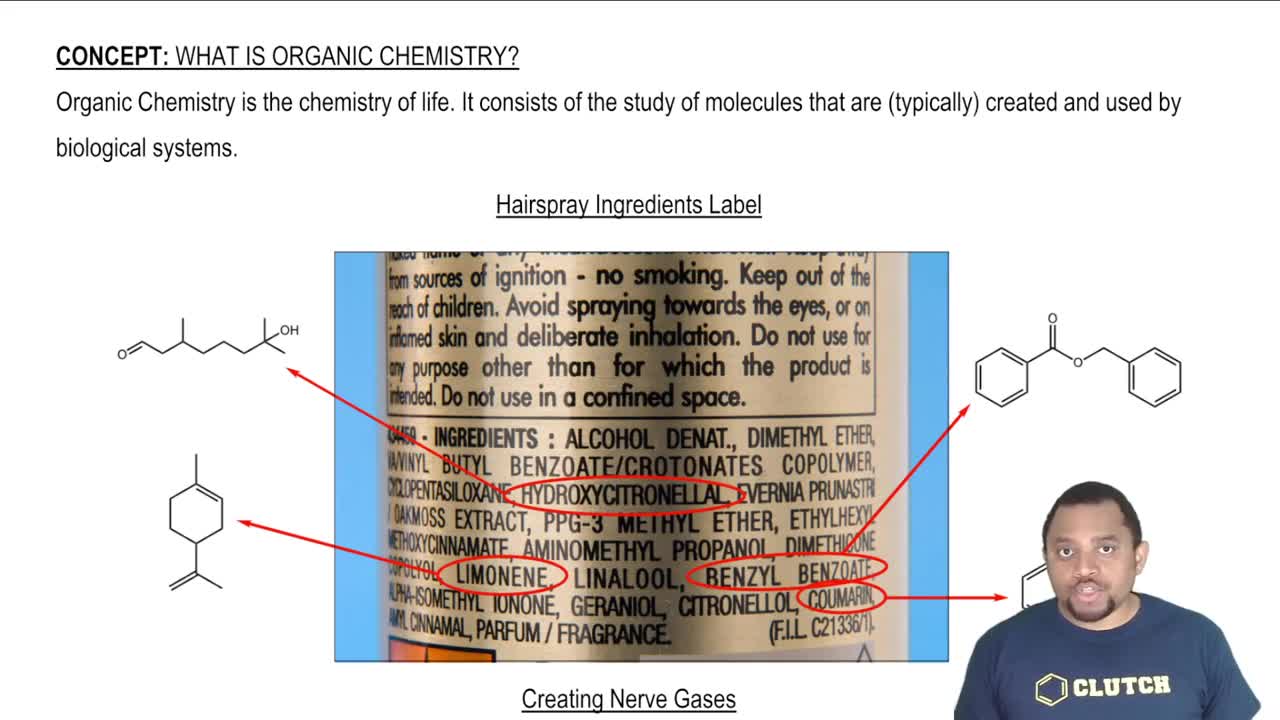
  • Organic molecules in your everyday life.
    02:08
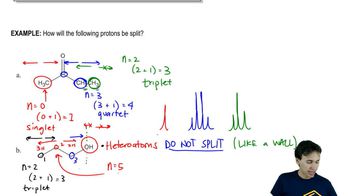
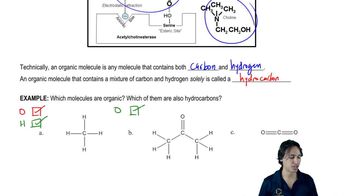
  • Identifying organic molecules
    02:17

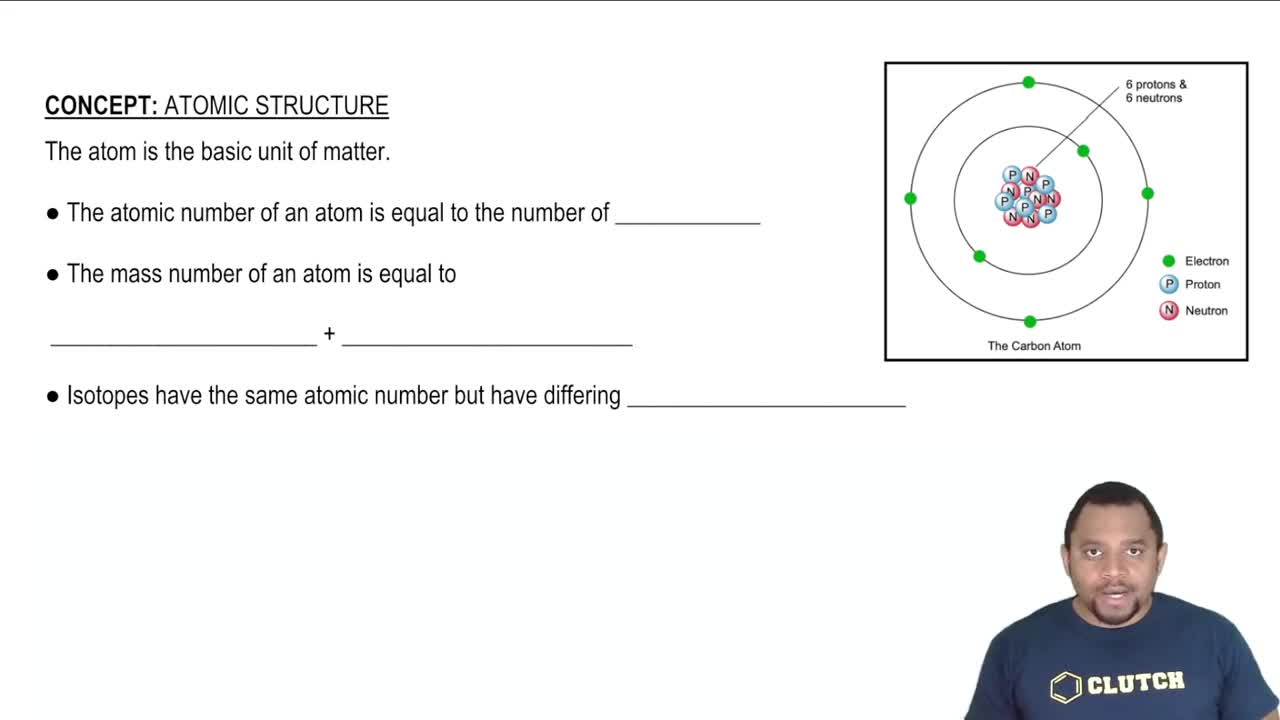
Atomic Structure

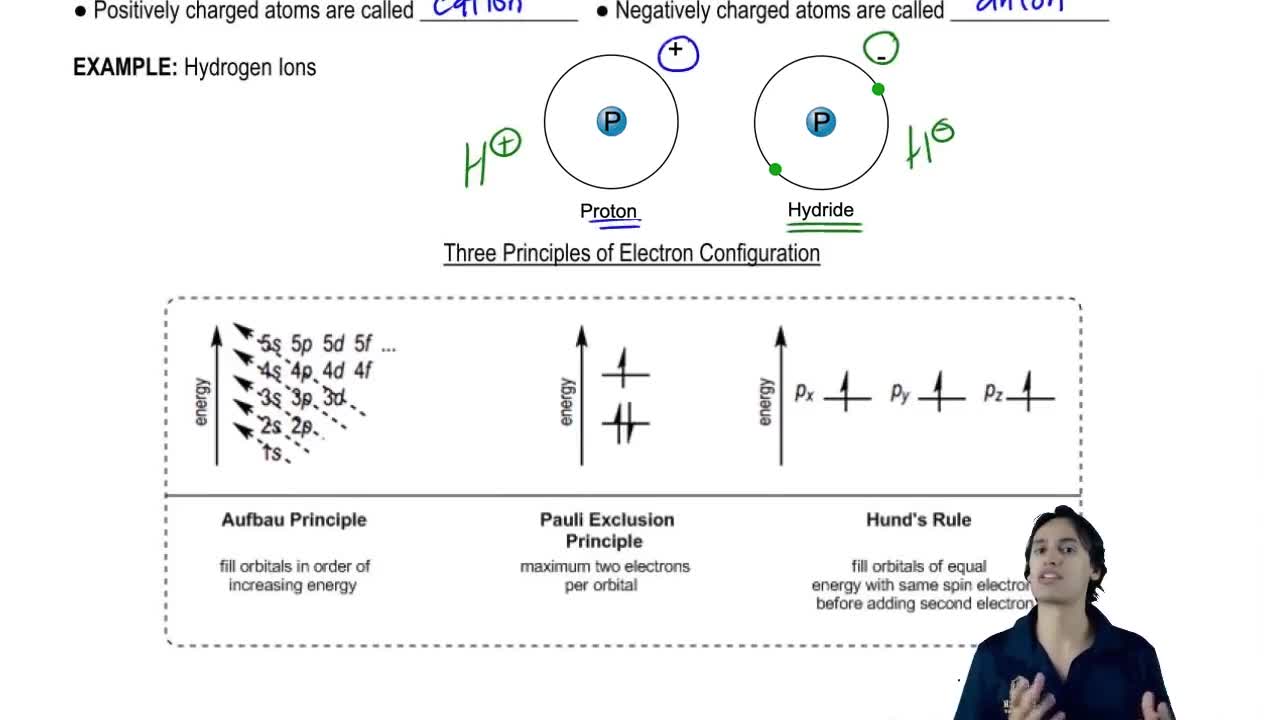
  • Three rules about orbitals you need to know.
    02:54
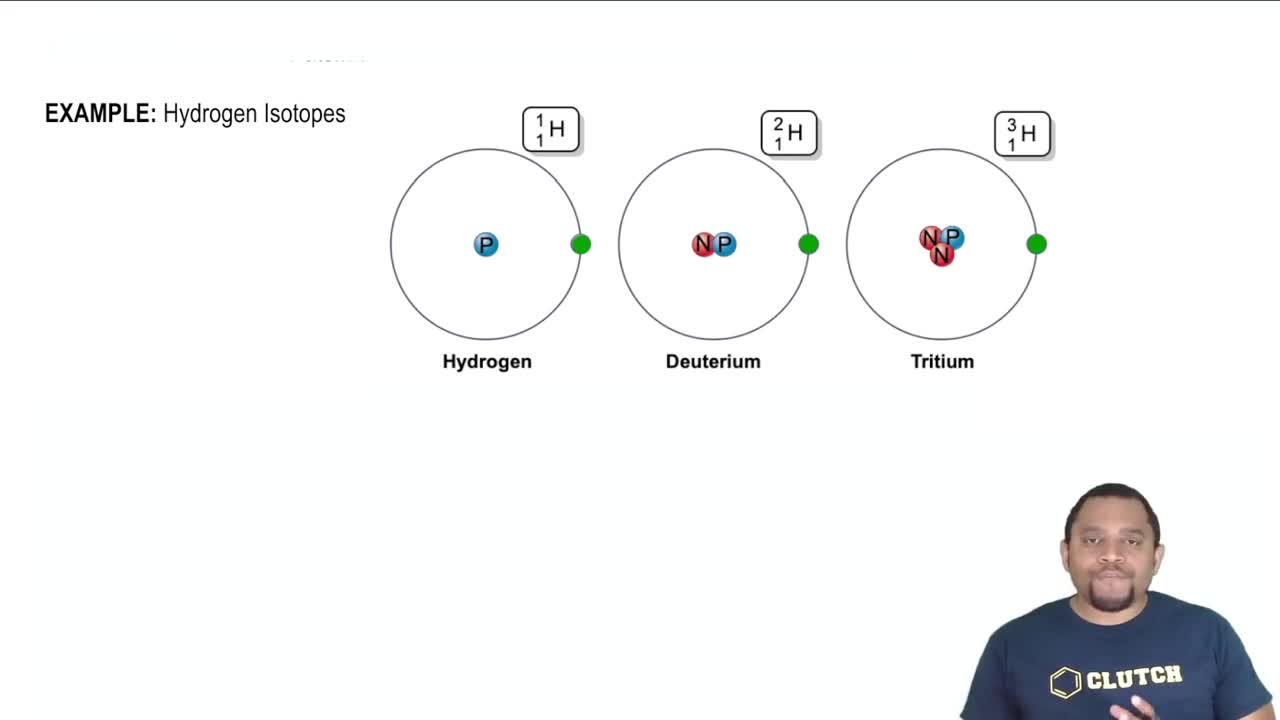
  • Understanding the hydrogen isotopes.
    03:06
  • The difference between atomic numbers and atomic mass.
    01:44

Formal Charges

  • Calculate the formal charges of ALL atoms.
    02:21
  • Calculating formal and net charge.
    01:34

Lewis Structure

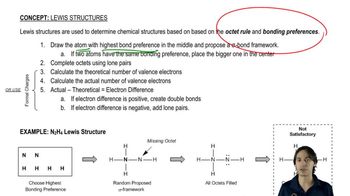
  • Drawing the Lewis Structure for N2H4.
    04:12
  • How to use Organic Chemistry to make Lewis Structures easier.
    03:49

Resonance Structures

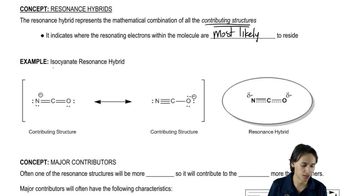
  • How to draw a resonance hybrid.
    03:24
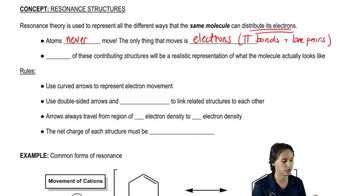
  • The rules you need for resonance:
    03:34
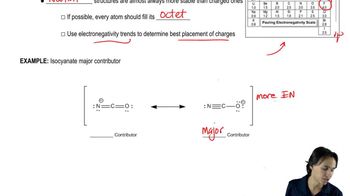
  • How to determine which structure is most stable.
    01:32

Hybridization

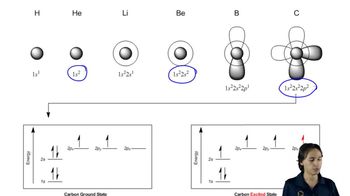
  • How carbon creates 4 partially-filled orbitals.
    02:53
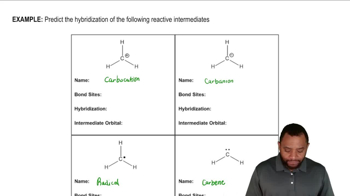
  • Bond sites, hybridization, and intermediate orbitals
    04:58
  • Introduction to the reactive intermediates.
    02:47

Molecular Geometry

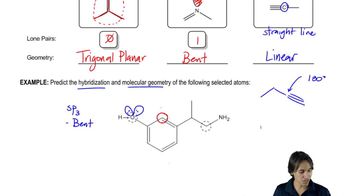
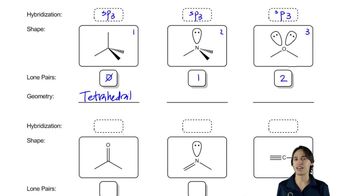
  • Predict the hybridization and molecular geometry
    01:54
  • Molecular Geometry Explained.
    07:44

Functional Groups

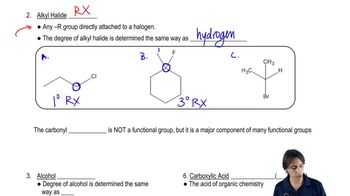
  • Assigning Degrees to Alkyl Halides
    01:30
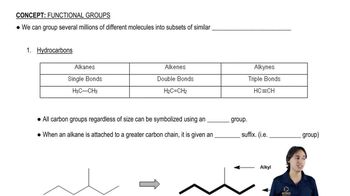
  • Why we need functional groups.
    01:49
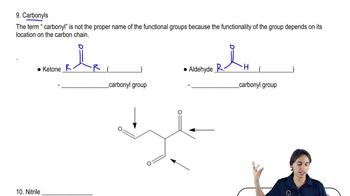
  • The difference between aldehydes and ketones.
    03:08
Conformational Isomers

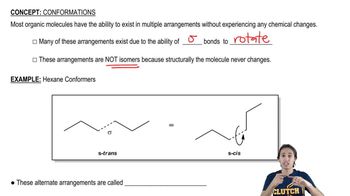
  • Understanding what a conformer is.
    03:29

Newman Projections

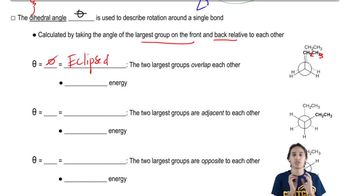
  • How to draw a Newman Projection Energy Diagram.
    07:27
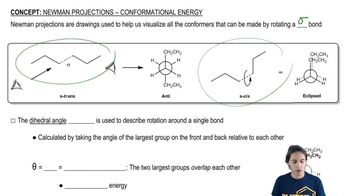
  • How sigma bond rotation is visualized
    03:11
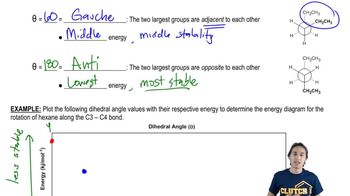
  • The energy states of 3 different Newman Projections.
    03:51

Cis vs Trans Conformations

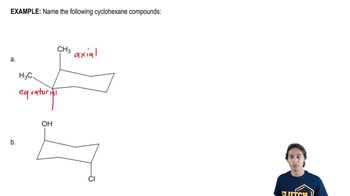
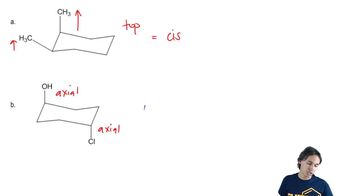
  • Is the following cyclohexane cis or trans?
    00:44
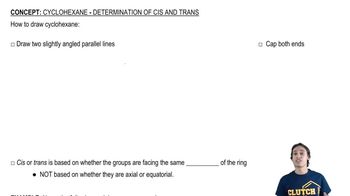
  • How to draw chairs.
    01:18
  • Is the following cyclohexane cis or trans?
    00:27

Infrared Spectroscopy

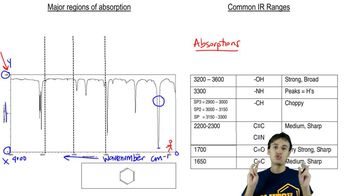
  • General Features of IR Spect
    16:04

NMR Spectroscopy

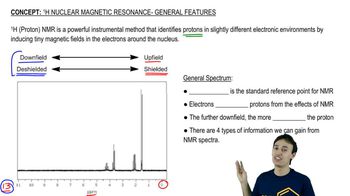
  • General NMR Features
    10:06

1H NMR:Number of Signals

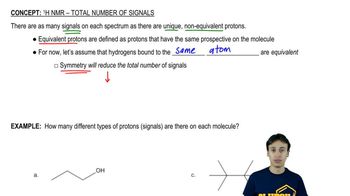
  • General Assumption for 1H NMR Signals
    04:35
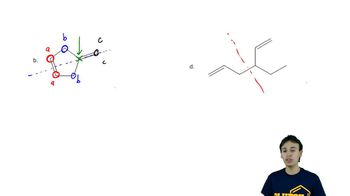
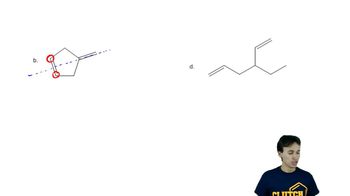
  • Identifying Proton Signals
    02:02
  • Identifying Proton Signals
    01:55

1H NMR:Spin-Splitting (N + 1) Rule

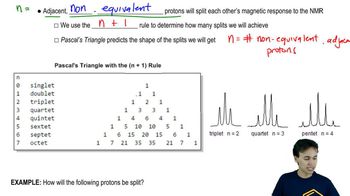
  • Splitting without J-values
    12:21
  • Proton Splitting
    03:

NMR Integration

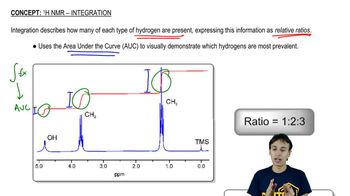
  • 1H NMR Integration
    06:46
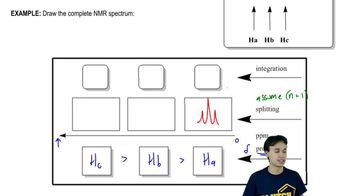
  • Draw Complete NMR Spectrum
    04:29

Enthalpy

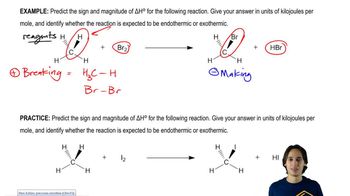
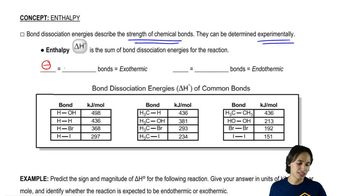
  • How to calculate enthalpy using bond dissociation energies.
    04:09
  • Calculating Enthalpies
    04:38

Naming Alkyl Halides

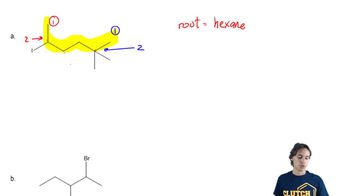
  • How to name alkyl halides
    01:52
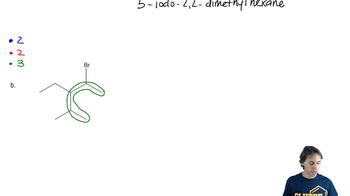
  • Name the following alkyl halide
    01:58
  • Name the following alkyl halide
    03:53

Alkene Stability

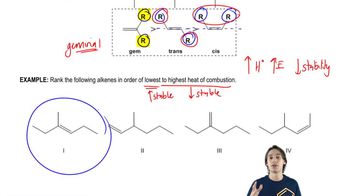
  • Heat of Combustion
    02:55
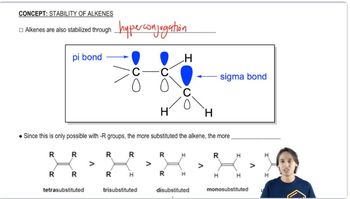
  • Understanding trends of alkene stability.
    04:28

Naming Alkenes

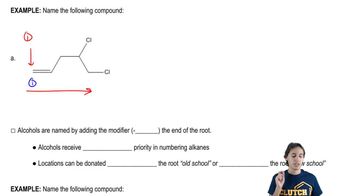
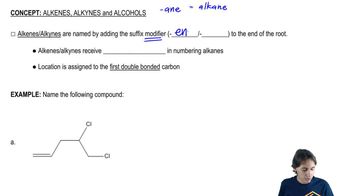
  • Name the following alkene
    02:04
  • How to name alkenes and alkynes
    01:55

Reaction Mechanism

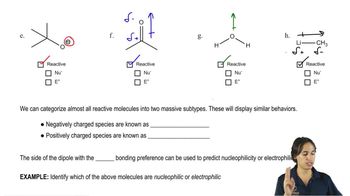
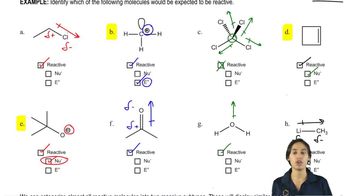
  • How to tell if charged molecules will react as nucleophiles or electrophiles.
    02:39
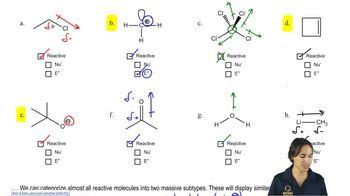
  • Nucleophile or Electrophile
    01:49
  • How to tell if uncharged molecules will react as nucleophiles or electrophiles.
    02:48

Carbocation Intermediates – Stability

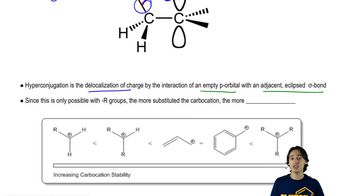
  • Determining Carbocation Stability
    05:58
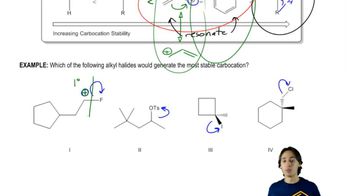
  • Predicting the most stable carbocation
    01:21

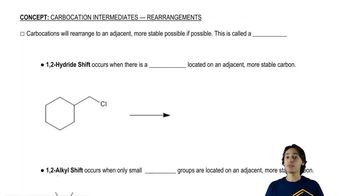
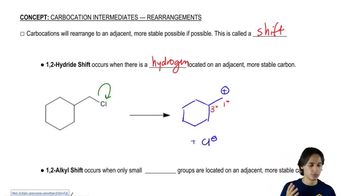
Carbocation Intermediate Rearrangements

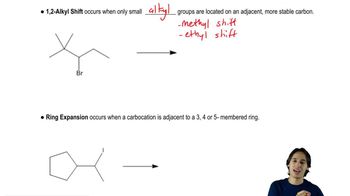
  • Alkyl Shift
    03:43
  • Understanding why carbocations shift.
    00:47
  • Hydride Shift
    03:34

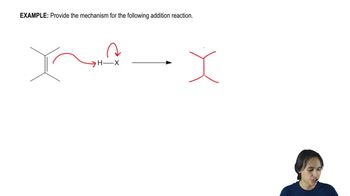
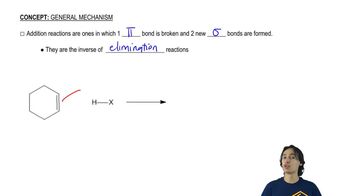
Addition Reaction

  • Provide the mechanism
    01:15
  • Features of Addition Mechanisms.
    05:39

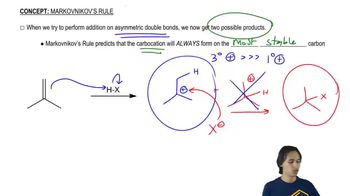
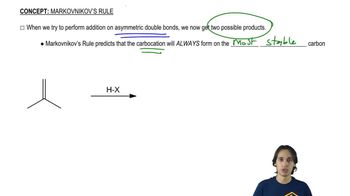
Markovnikov

  • Provide the mechanism
    01:26
  • How to add to asymmetrical double bonds.
    03:38

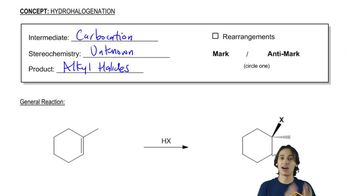
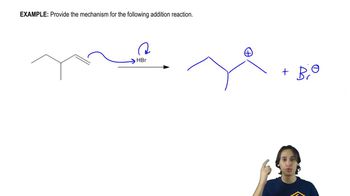
Hydrohalogenation

  • General properties of hydrohalogenation.
    04:07
  • Provide the mechanism
    02:24

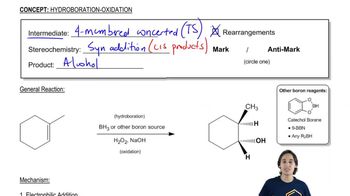
Hydroboration

  • General properties of hydroboration-oxidation.
    06:38
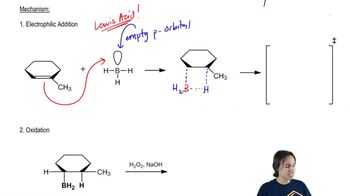
  • Acid-catalyzed hydroboration-oxidation mechanism
    06:14

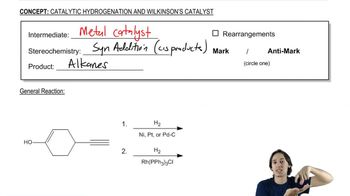
Hydrogenation

  • General properties of catalytic hydrogenation.
    05:21

Halogenation

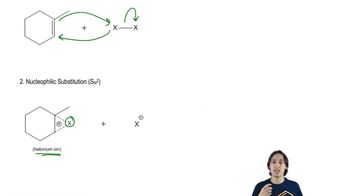
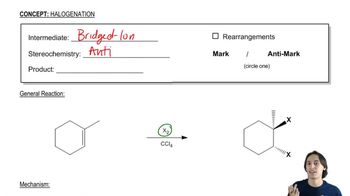
  • Halogenation Mechanism
    03:45
  • General properties of halogenation.
    02:27

Alkyl Groups

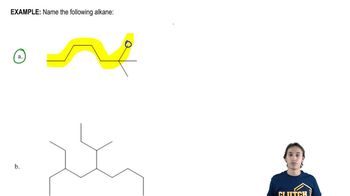
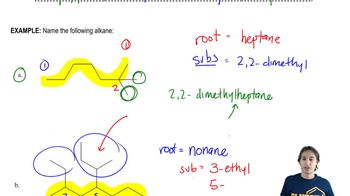
  • Name the following alkane
    02:33
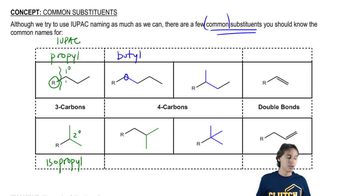
  • Understanding Non-IUPAC Substituents
    06:42
  • Name the following alkane
    03:56

Alkene Stability

  • Heat of Combustion
    02:55
  • Understanding trends of alkene stability.
    04:28

Alkyne Hydration

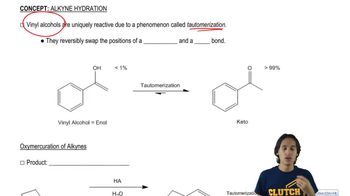
  • Vinyl alcohols yield tautomers.
    03:51
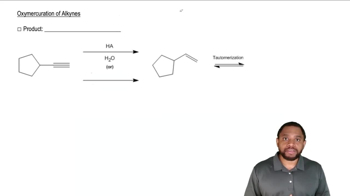
  • Markovnikov addition of alcohols yields ketones.
    03:29