Back

Organic Chemistry I: Course Syllabus and Topic Overview

Study Guide - Learn with Videos

Curated lessons matched to your uploaded material – learn every topic step by step.

Lewis Structure

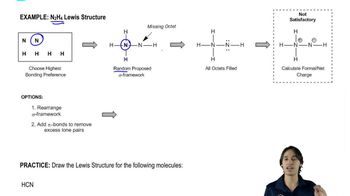
  • Drawing the Lewis Structure for N2H4.
    04:12
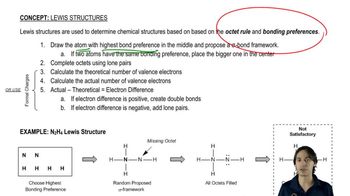
  • How to use Organic Chemistry to make Lewis Structures easier.
    03:49

Acids and Bases

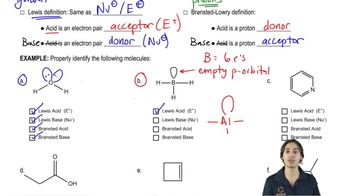
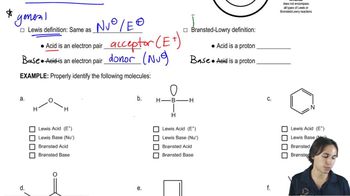
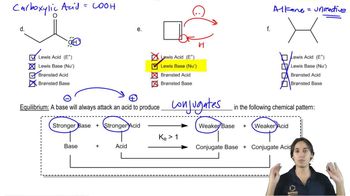
  • Lewis vs. Bronsted-Lowry Definition
    07:46
  • The Bronsted-Lowry definition of acids and bases.
    00:54
  • Equilibrium constant and conjugates.
    02:11

Acid Base Equilibrium

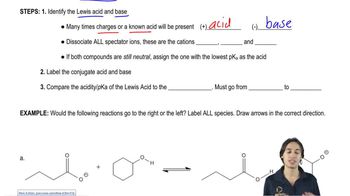
  • The 3 steps for determining the direction of acid and base equilibrium.
    05:11
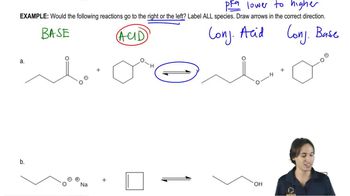
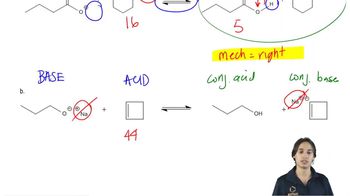
  • Determining Acid/Base Equilibrium
    04:00
  • Determining Acid/Base Equilibrium
    02:34

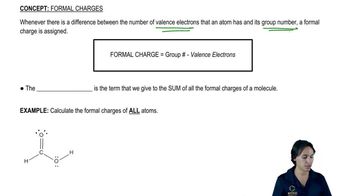
Formal Charges

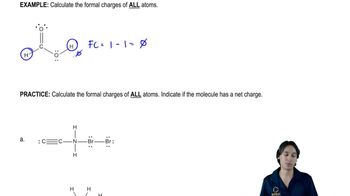
  • Calculate the formal charges of ALL atoms.
    02:21
  • Calculating formal and net charge.
    01:34

Chair Flip

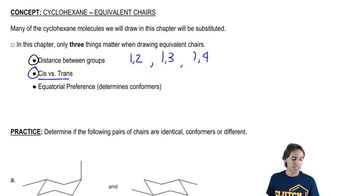
  • The 3 important factors when drawing chairs
    05:12
Chirality

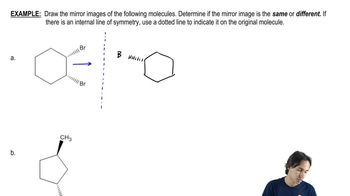
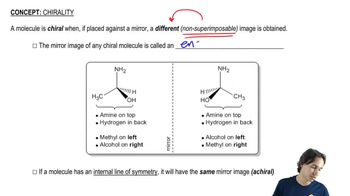
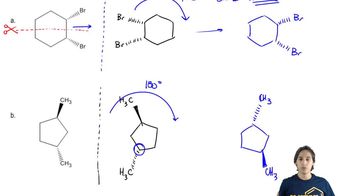
  • Drawing Mirror Images and Determining Chirality
    03:24
  • What is chirality?
    05:10
  • Drawing Mirror Images and Determining Chirality
    03:44

Chirality

  • Drawing Mirror Images and Determining Chirality
    03:24
  • What is chirality?
    05:10
  • Drawing Mirror Images and Determining Chirality
    03:44

Enantiomers vs. Diastereomers

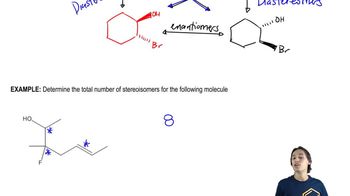
  • Determine total number of stereoisomers
    00:49
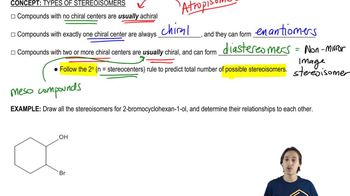
  • How to predict the total number of stereoisomers.
    01:03
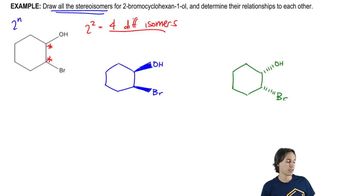
  • Draw stereoisomers and determine relationship
    07:41

Meso Compound

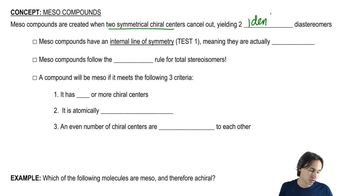
  • Defining meso compounds.
    01:40
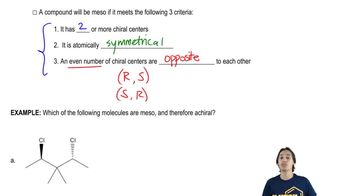
  • The 3 rules of meso compounds.
    04:10
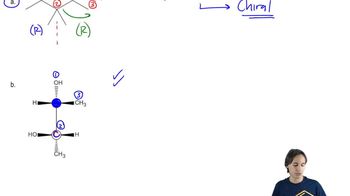
  • Which of the following molecules are meso?
    03:44

Energy Diagram

  • Introduction to free energy diagrams.
    08:30
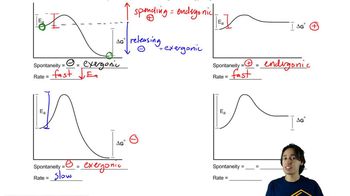
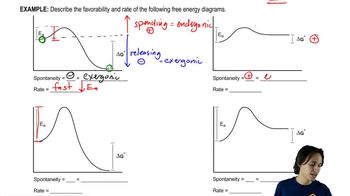
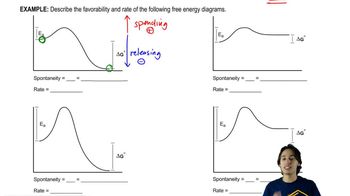
  • Favorability and rate of Free Energy Diagrams
    01:14
  • Favorability and rate of Free Energy Diagrams
    00:34

Benzene Reactions

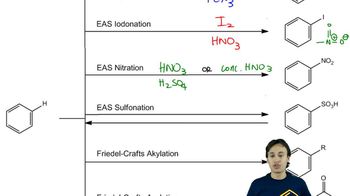
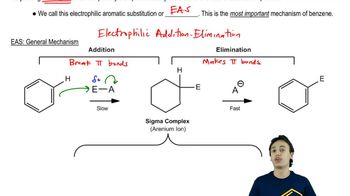
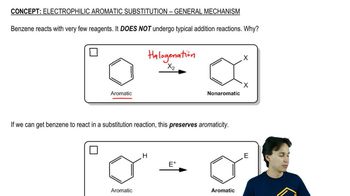
  • EAS Reactions Overview
    11:50

Hydrogenation of Alkynes

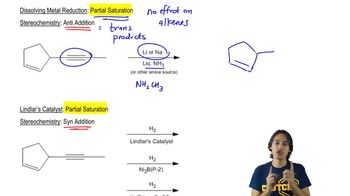
  • Using Dissolving Metal Reduction or Lindlar’s Catalyst to turn alkynes to alkenes.
    06:08
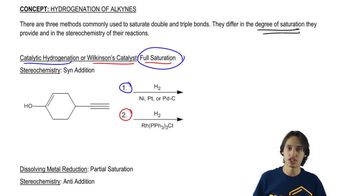
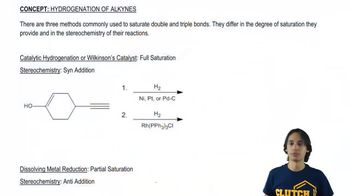
  • Using Catalytic hydrogenation or Wilkinson’s Catalyst to turn alkynes to alkanes.
    03:46
  • The definition of hydrogenation.
    00:48

Constitutional Isomers vs. Stereoisomers

  • Determining when molecules are conformers.
    01:39
  • Determining when molecules are different.
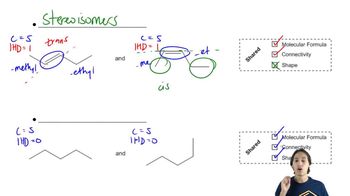
    03:51
  • Determining when molecules are constitutional isomers.
    01:33

Retrosynthesis

  • Intro
    01:07

SN1 Reaction

  • Drawing the SN1 Mechanism
    10:49
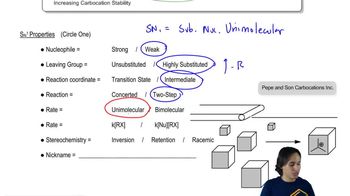
  • Why highly substituted leaving groups favor SN1.
    01:13
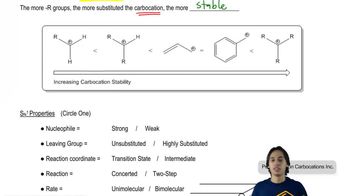
  • Understanding the properties of SN1.
    08:16

SN2 Reaction
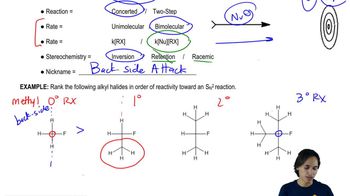
  • Ranking reactivity toward SN2
    04:03
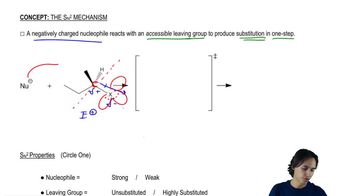
  • Drawing the SN2 Mechanism
    08:33
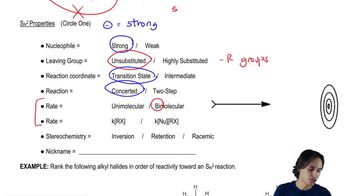
  • Understanding the properties of SN2.
    11:57

E1 Reaction

  • Understanding the properties of E1.
    03:32
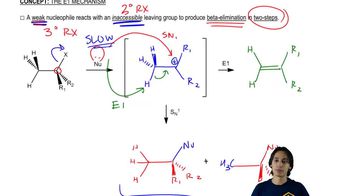
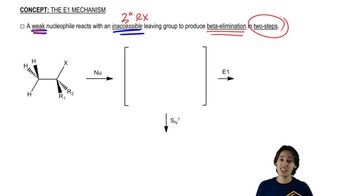
  • Drawing the E1 Mechanism.
    08:09

E2 Mechanism

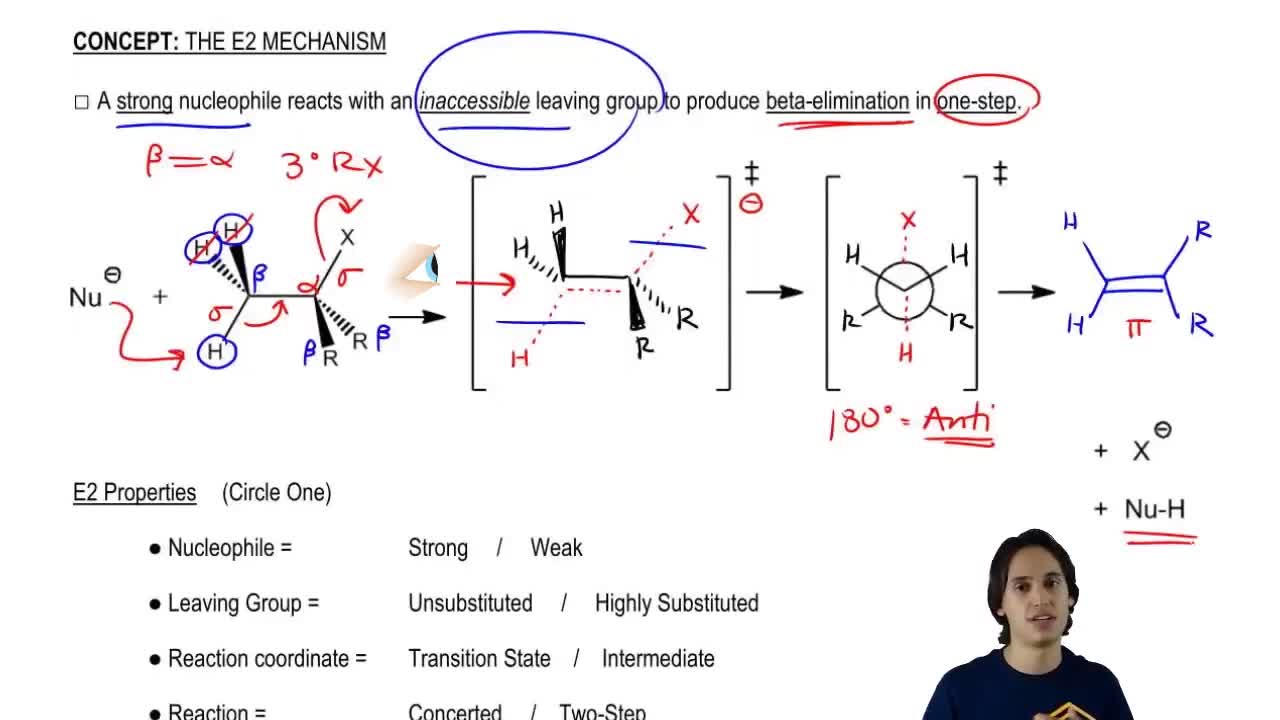
  • Understanding the properties of E2.
    04:42
  • Drawing the E2 Mechanism.
    09:36
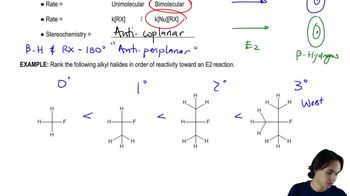
  • Rank reactivity toward E2
    02:03

Diels-Alder Reaction

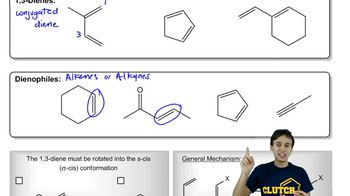
  • General Features
    09:48

Electrophilic Aromatic Substitution

  • EAS General Mechanism
    06:52
  • EAS Review
    03:07