 Back
Organic Chemistry I: Structure, Bonding, Resonance, Hybridization, Acids/Bases, and Molecular Representations
Study Guide - Smart Notes
 Tailored notes based on your materials, expanded with key definitions, examples, and context.
Structure and Bonding
Quantum Numbers and Electron Configuration
Quantum numbers describe the arrangement and properties of electrons in atoms, which is foundational for understanding chemical bonding. - Principal Quantum Number (n): Indicates the main energy level or shell. - Azimuthal Quantum Number (l): Describes the subshell and shape of the orbital (s, p, d, f). - Magnetic Quantum Number (ml): Specifies the orientation of the orbital. - Magnetic Spin Quantum Number (ms): Indicates the spin direction of the electron. Example: Electron configuration for Fluorine: Boron: Oxygen: Potassium:
Empirical Formula Calculation
The empirical formula represents the simplest whole-number ratio of elements in a compound. - Step 1: Convert mass percentages to moles by dividing by atomic mass. - Step 2: Divide each by the smallest number of moles to get the ratio. - Step 3: Write the formula using these ratios. Example: For a compound with 40.0% C, 6.7% H, 53.3% O: 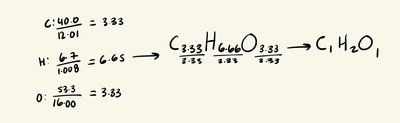
Structure and Bonding
Lewis Structures
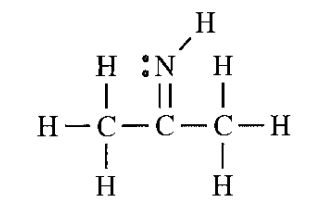
Lewis structures show the arrangement of atoms, bonds, and lone pairs in molecules. - Key Points: Each atom's valence electrons are represented as dots. Bonds are shown as lines. Formal charges are indicated where necessary. Examples: 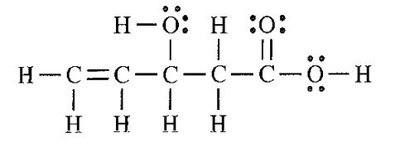
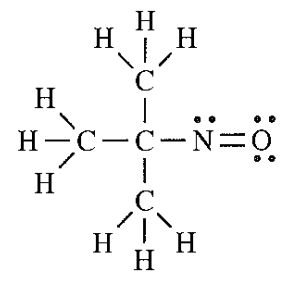
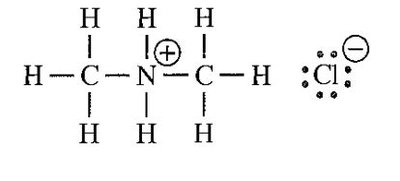
Formal Charge Calculation
Formal charge helps identify the most stable Lewis structure. - Formula: Example: BF4- 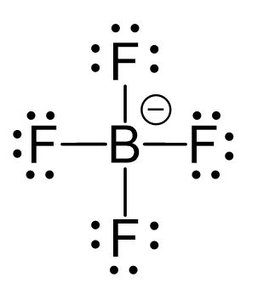
Resonance
Resonance Structures
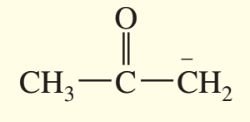
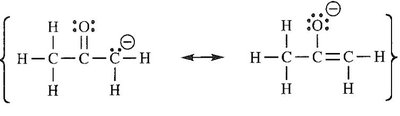
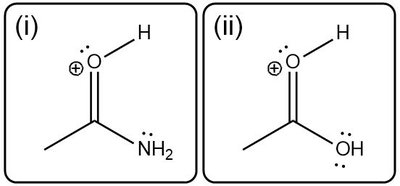
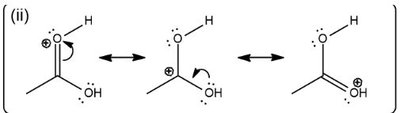
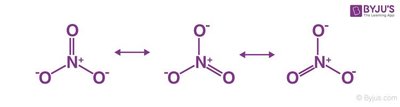
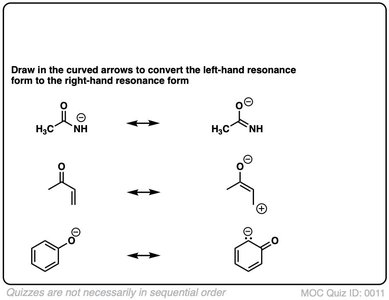
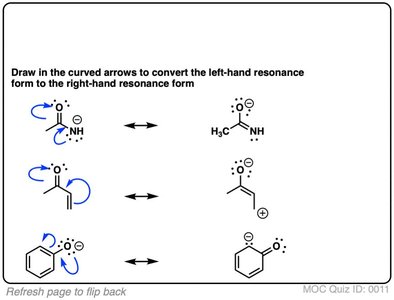
Resonance structures represent delocalization of electrons within molecules, stabilizing the molecule. - Key Points: Resonance forms differ only in the placement of electrons, not atoms. The true structure is a hybrid of all resonance forms. Examples: 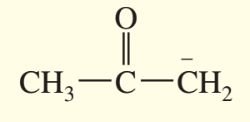
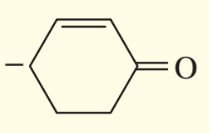
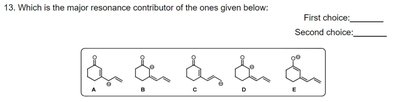
Resonance in Carbonyl Compounds
Resonance is especially important in carbonyl compounds, affecting their reactivity and stability. Example: 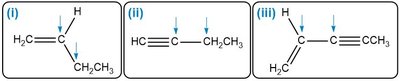
Hybridization
Hybridization Types
Hybridization describes the mixing of atomic orbitals to form new hybrid orbitals suitable for bonding. - sp3: Tetrahedral geometry, 109.5° bond angles. - sp2: Trigonal planar geometry, 120° bond angles. - sp: Linear geometry, 180° bond angles. Example: 

Acids and Bases
Acid-Base Reactions
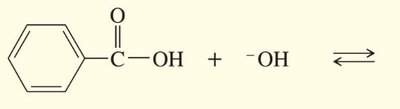
Acid-base reactions involve the transfer of protons (H+) between molecules. - Acid: Proton donor. - Base: Proton acceptor. - Equilibrium: Favors the side with the weaker acid/base. Example: 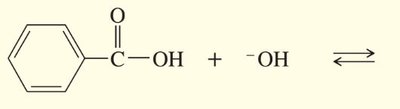

Ranking Acidity
Acidity is ranked by pKa values; lower pKa means stronger acid. Example: 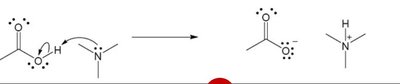

Compound | pKa |
|---|---|
NH3 | 33 (or 36) |
H2O | 15.7 |
CH3OH | 15.5 |
CH3COOH | 4.74 |
HF | 3.2 |
H3O+ | -1.7 |
H2SO4 | -5 |
pH Calculations
pH is calculated using the concentration of acids/bases and their pKa values. - Formula: Example: For 1M CH3COONa (pKa=4.74): For 1M weak acid (pKa=3.18):
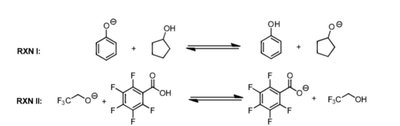
Predicting Equilibrium Direction
The equilibrium of acid-base reactions favors the formation of the weaker acid and base. Example: 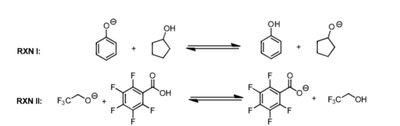
Structure and Stereochemistry of Alkanes
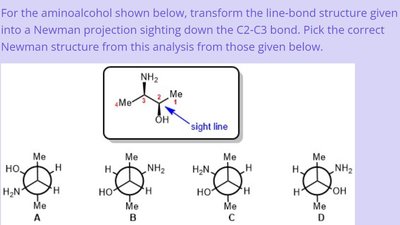
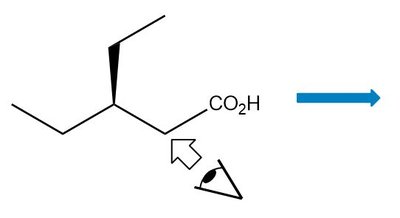
Newman Projections
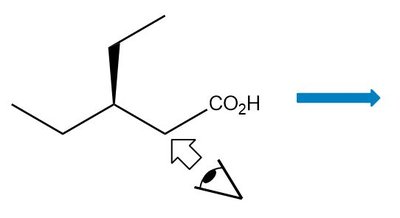
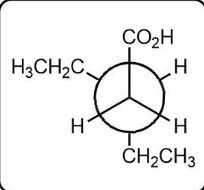
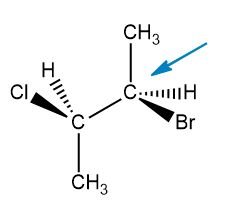
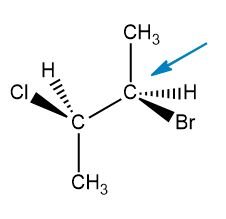
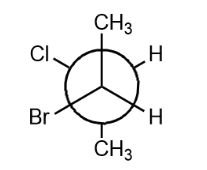
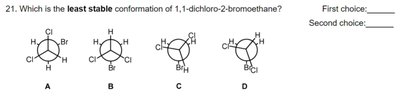
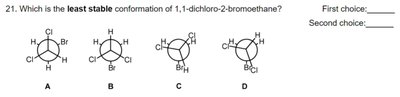
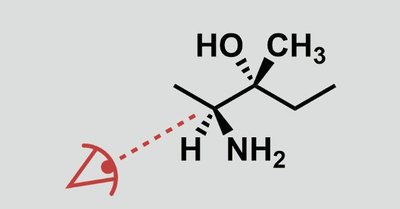
Newman projections are used to visualize the spatial arrangement of atoms around a single bond, important for understanding conformational isomerism. - Key Points: Staggered conformations are more stable than eclipsed. - Applications: Used to analyze steric interactions and predict stability. Example: 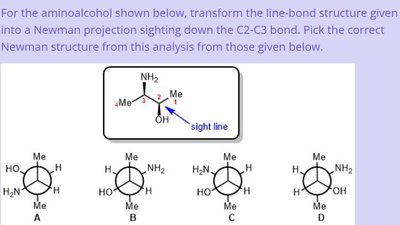
Nomenclature
Organic Molecule Naming
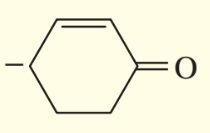
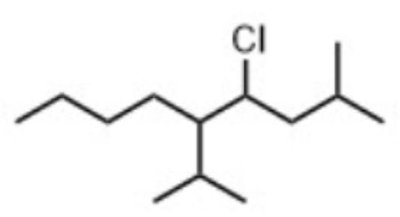
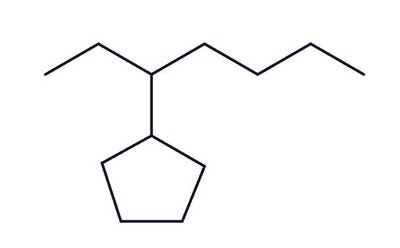
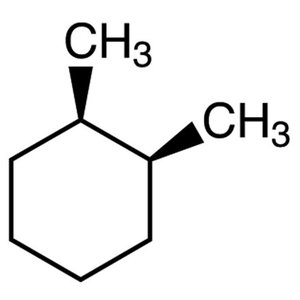
Nomenclature is the systematic naming of organic compounds based on IUPAC rules. - Key Points: Identify the longest carbon chain, number the chain, name substituents, and assign locants. Examples: 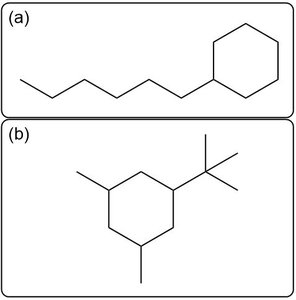
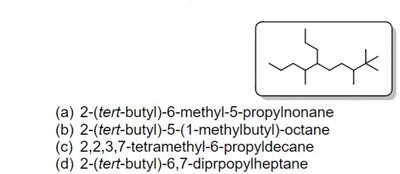
Stereochemistry and Chair Conformations
Chair Conformations of Cyclohexane
Chair conformations are the most stable forms of cyclohexane due to minimized steric strain. - Key Points: Axial and equatorial positions alternate around the ring. Bulky groups prefer equatorial positions for stability. Examples:
Summary
These notes cover foundational concepts in Organic Chemistry I, including atomic structure, bonding, resonance, hybridization, acid-base chemistry, molecular representations, nomenclature, and stereochemistry. Mastery of these topics is essential for understanding more advanced organic reactions and mechanisms. Additional info: Some images and examples were inferred to provide complete academic context and reinforce key concepts.
