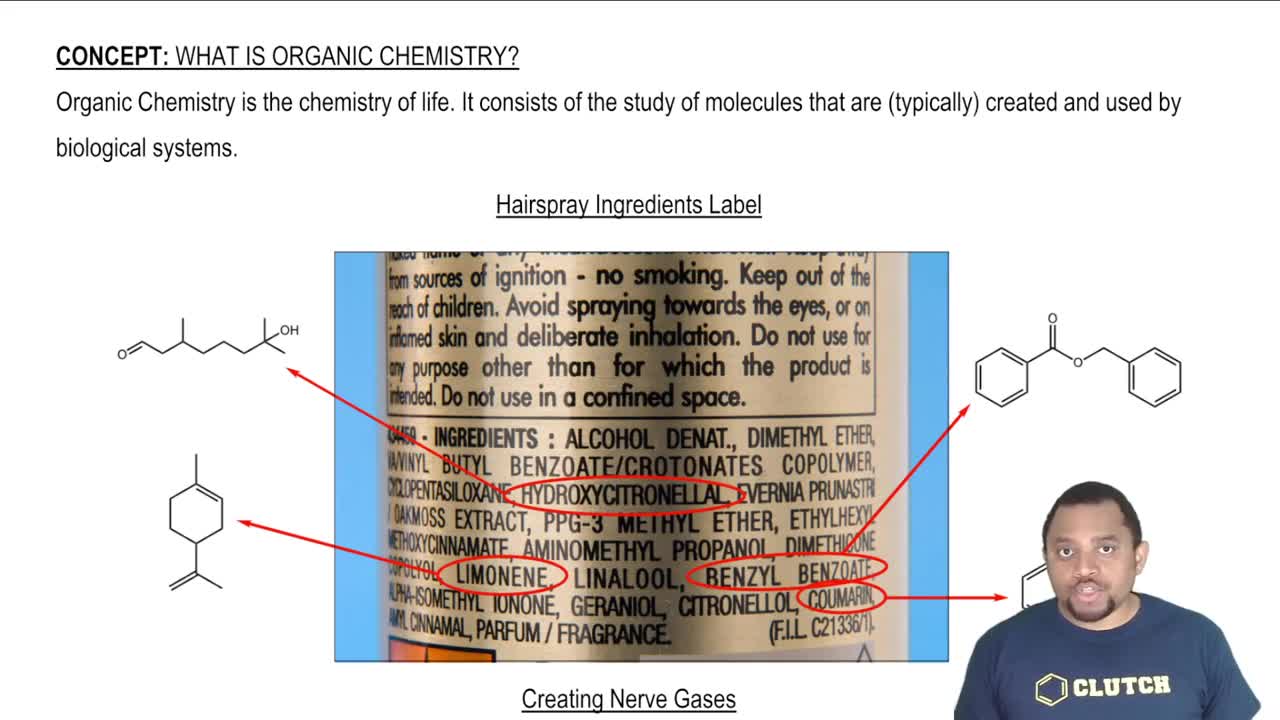
What is Organic Chemistry?
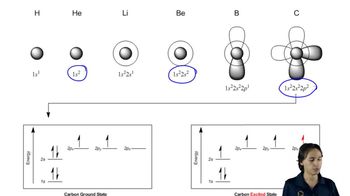
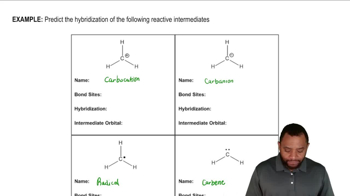
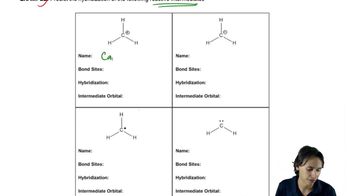
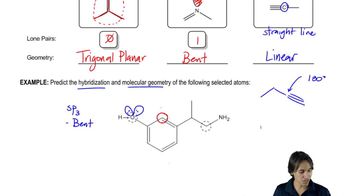
Hybridization
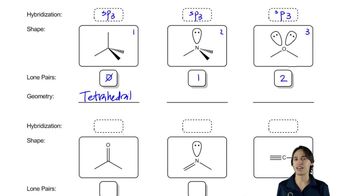
Molecular Geometry
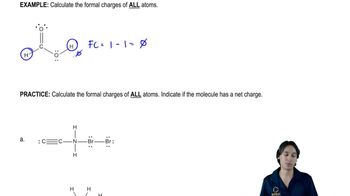
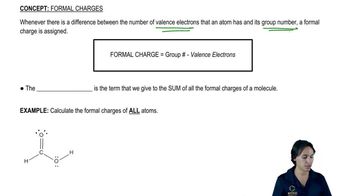
Formal Charges
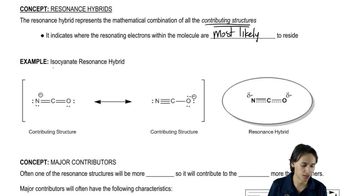
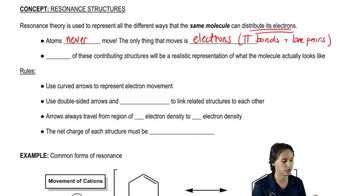
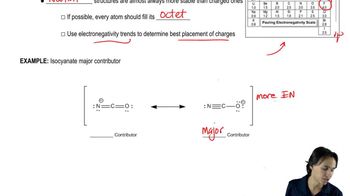
Resonance Structures
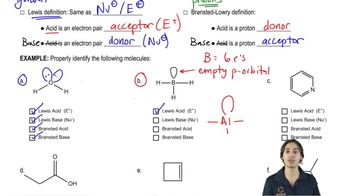
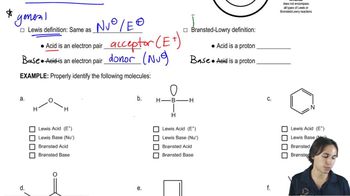
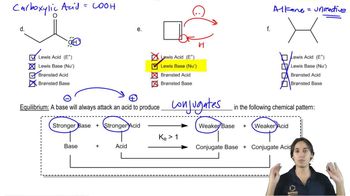
Acid and Base Definitions
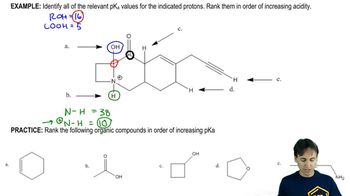
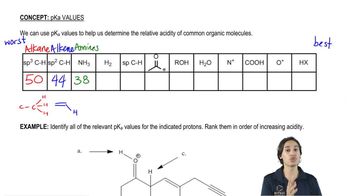
pKa Values
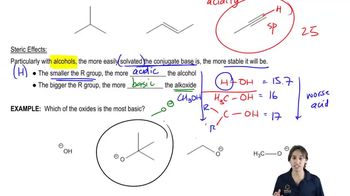
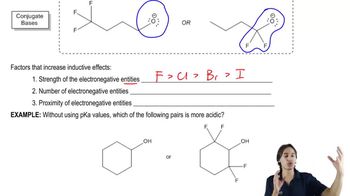
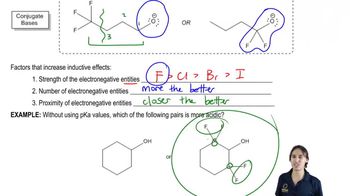
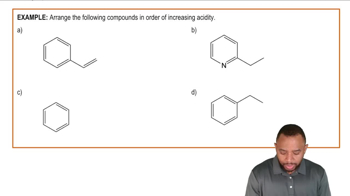
Factors Affecting Acidity
Reaction Mechanism
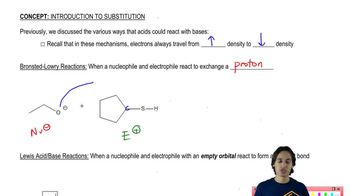
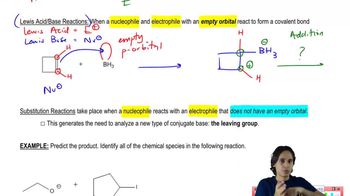
Introduction to Substitution
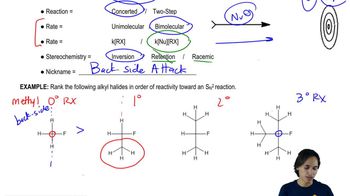
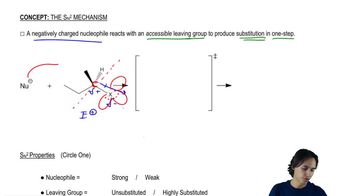
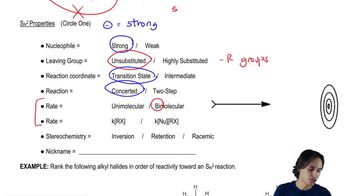
The SN2 Mechanism
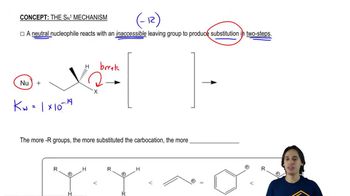
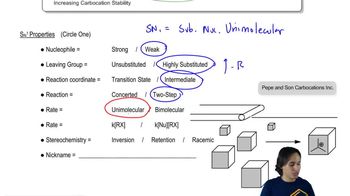
SN1 Reaction
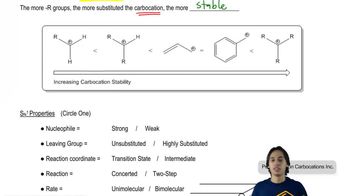
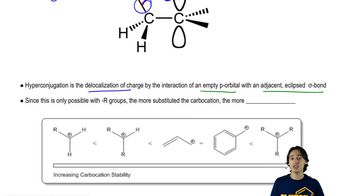
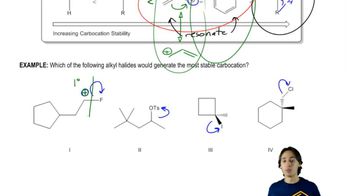
Carbocation Intermediates – Stability
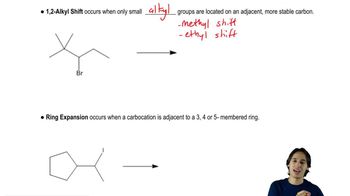
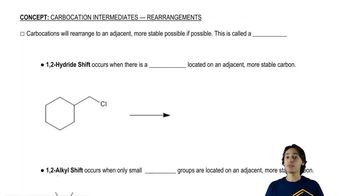
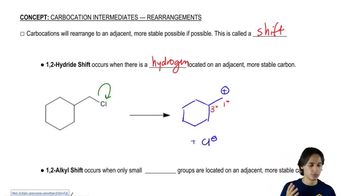
Carbocation Intermediate Rearrangements
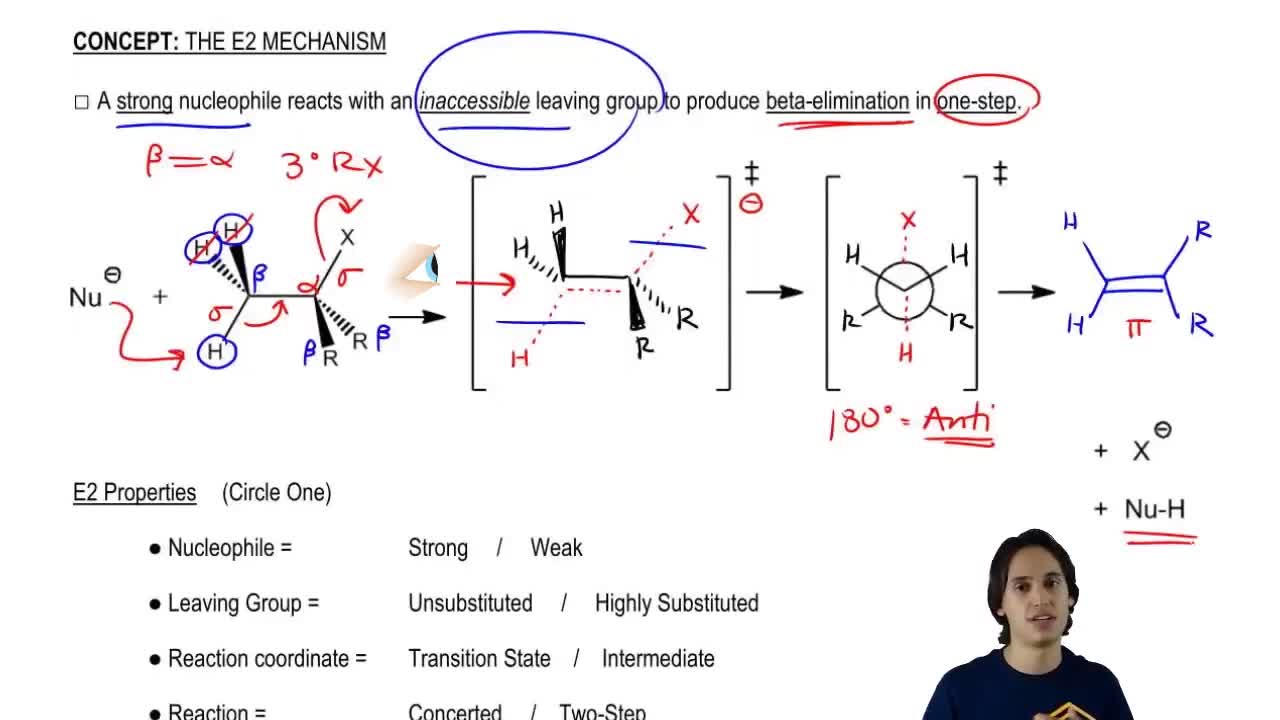
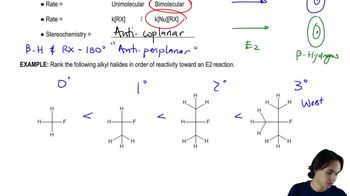
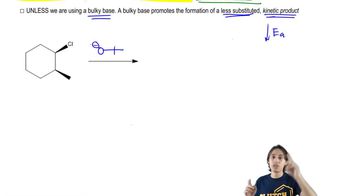
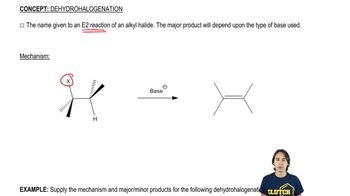
E2 Mechanism
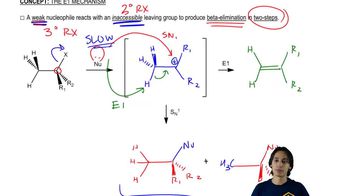
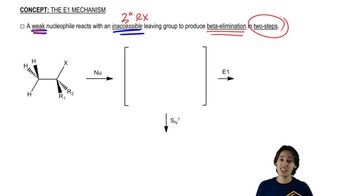
The E1 Mechanism
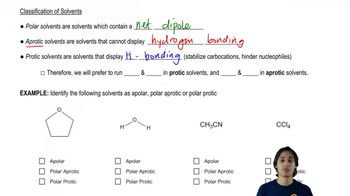
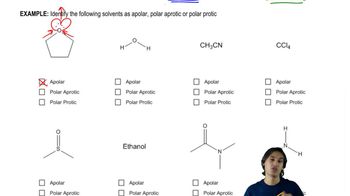
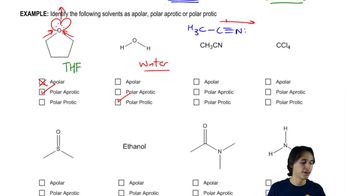
Solvents
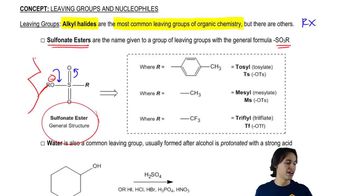
Leaving Groups
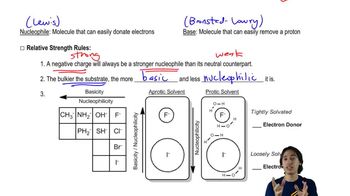
Nucleophiles and Basicity
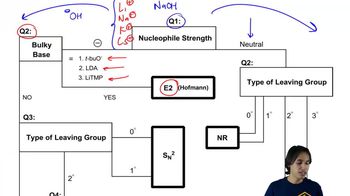
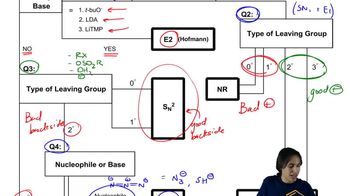
SN1 SN2 E1 E2 Chart (Big Daddy Flowchart)
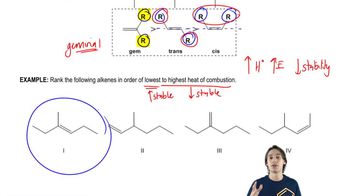
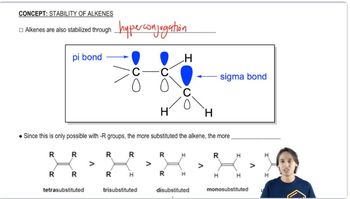
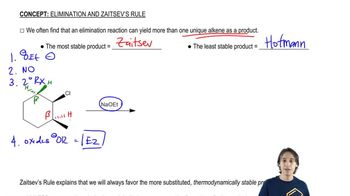
Alkene Stability
Zaitsev Rule
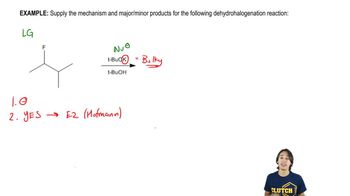
Dehydrohalogenation
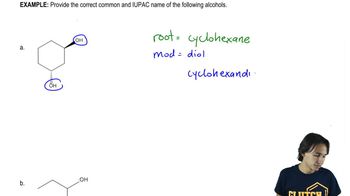
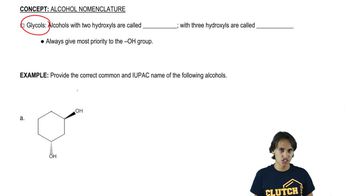
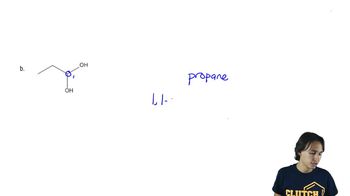
Alcohol Nomenclature
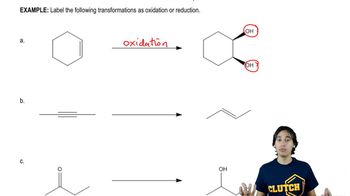
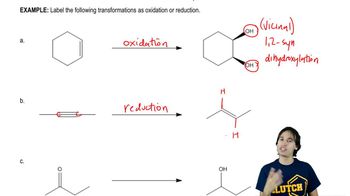
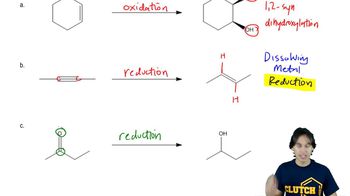
Oxidizing and Reducing Agents
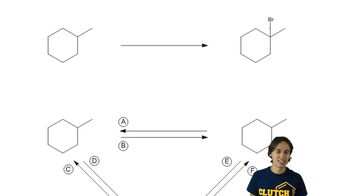
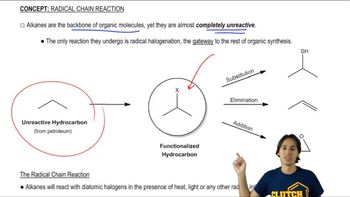
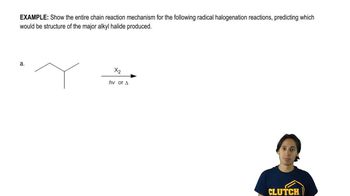
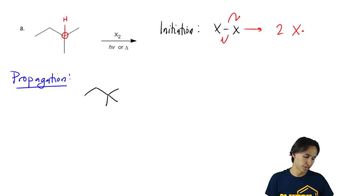
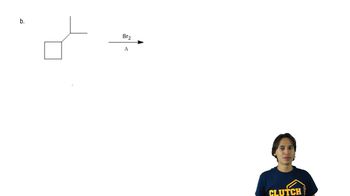
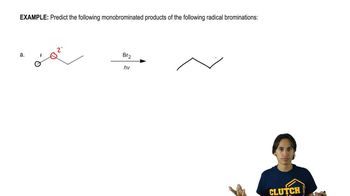
Alkane Halogenation
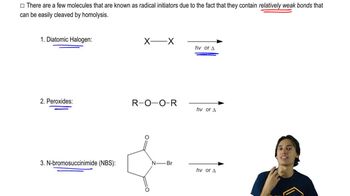
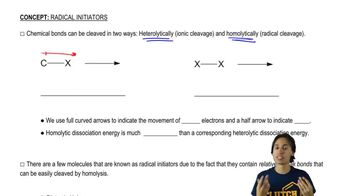
Radical Reaction
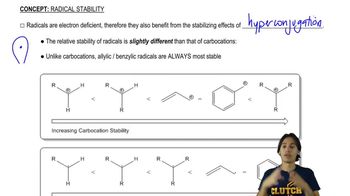
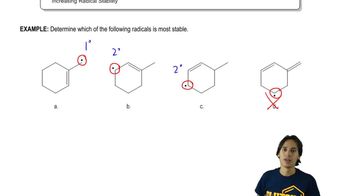
Radical Stability
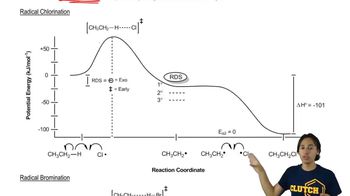
Free Radical Halogenation
Radical Selectivity
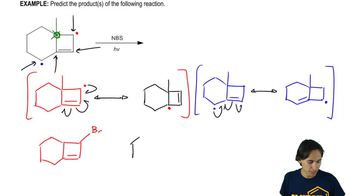
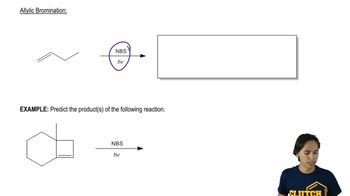
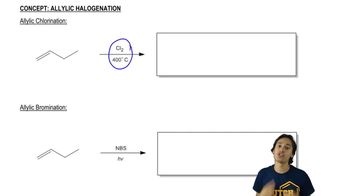
Allylic Bromination
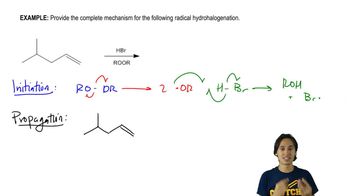
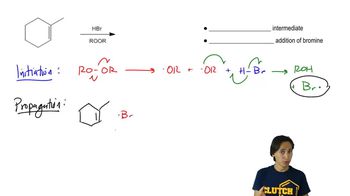
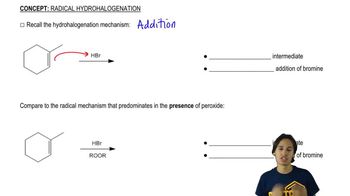
Anti Markovnikov Addition of Br
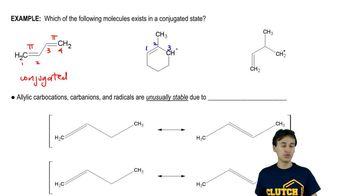
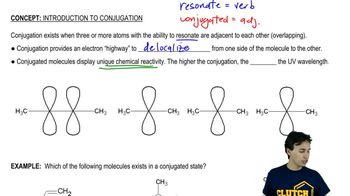
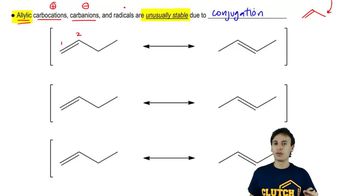
Conjugation Chemistry
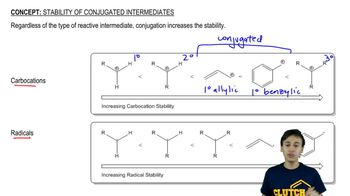
Stability of Conjugated Intermediates
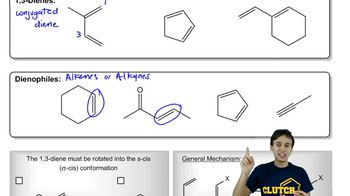
Diels-Alder Reaction
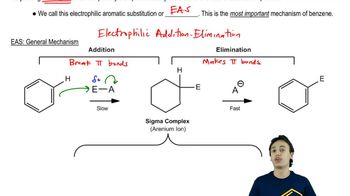
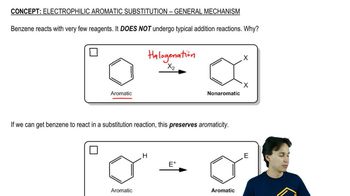
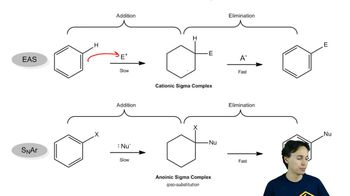
Electrophilic Aromatic Substitution
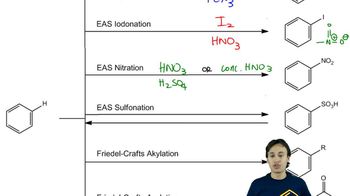
Benzene Reactions
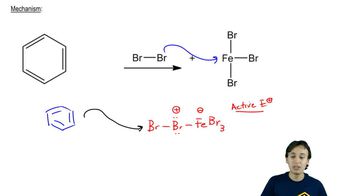
EAS:Halogenation Mechanism
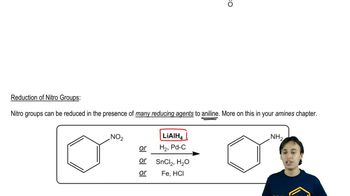
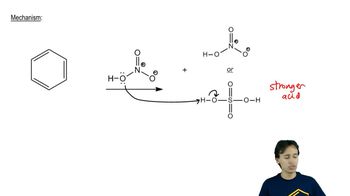
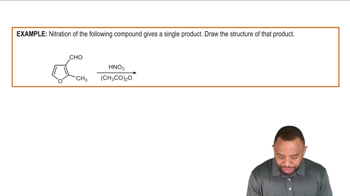
EAS:Nitration Mechanism
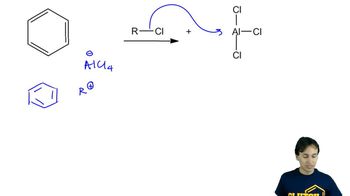
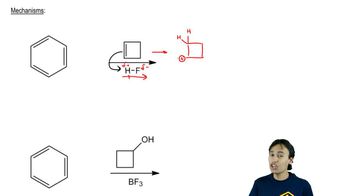
EAS:Friedel-Crafts Alkylation Mechanism
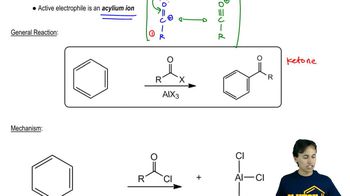
EAS:Friedel-Crafts Acylation Mechanism
EAS:Any Carbocation Mechanism
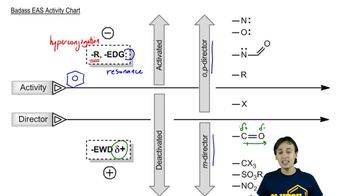
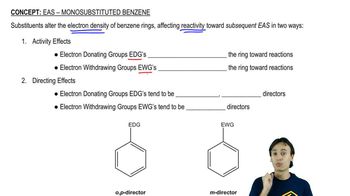
Electron Withdrawing Groups
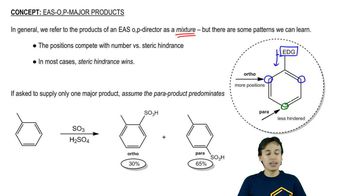
EAS:Ortho vs. Para Positions
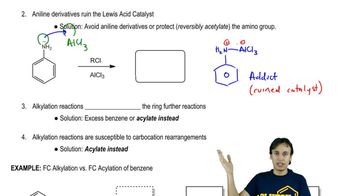
Limitations of Friedel-Crafts Alkyation
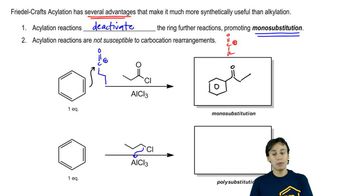
Advantages of Friedel-Crafts Acylation
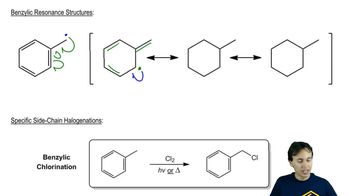
Side-Chain Halogenation
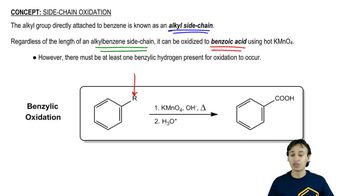
Side-Chain Oxidation
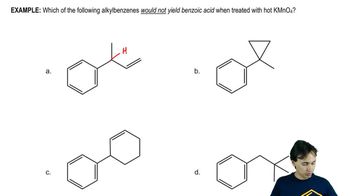
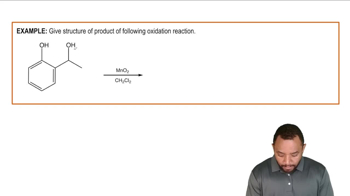
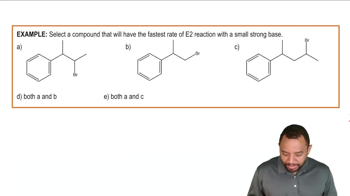
Reactions at Benzylic Positions
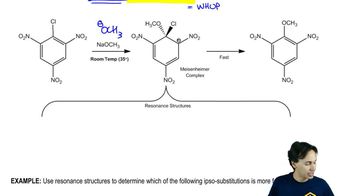
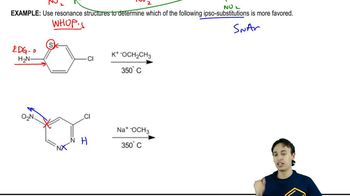
Nucleophilic Aromatic Substitution
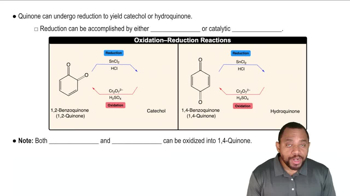
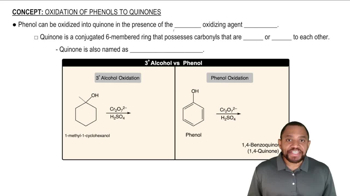
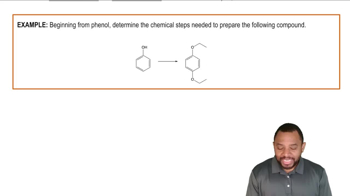
Oxidation of Phenols to Quinones
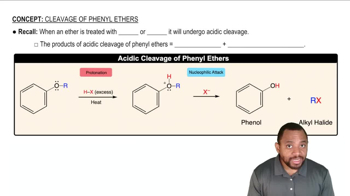
Cleavage of Phenyl Ethers
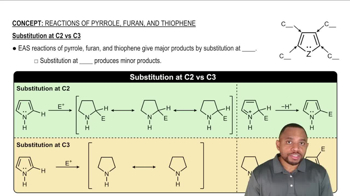
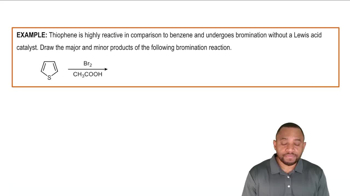
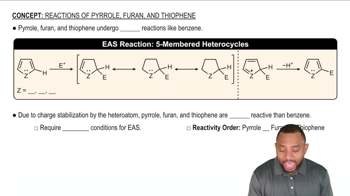
Reactions of Pyrrole, Furan, and Thiophene
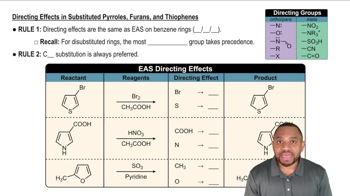
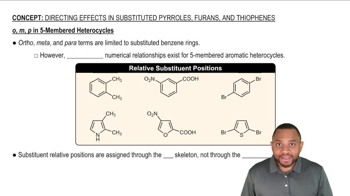
Directing Effects in Substituted Pyrroles, Furans, and Thiophenes
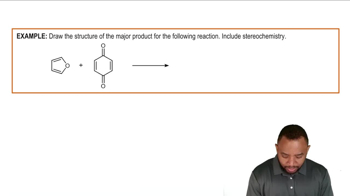
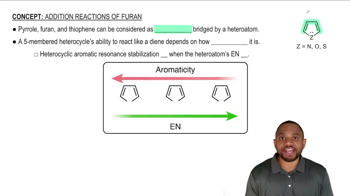
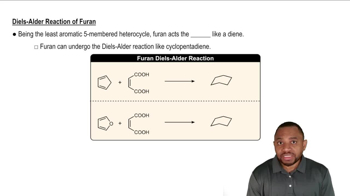
Addition Reactions of Furan
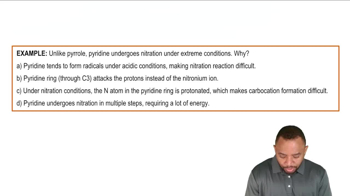
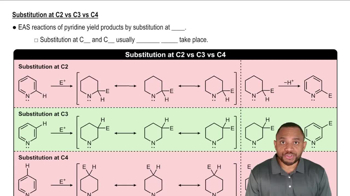
EAS Reactions of Pyridine
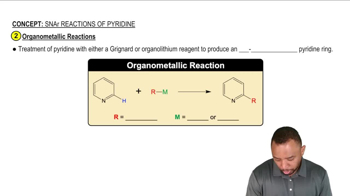
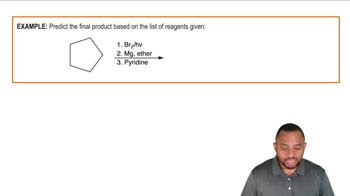
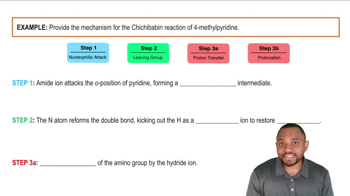
SNAr Reactions of Pyridine
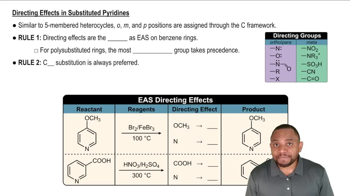
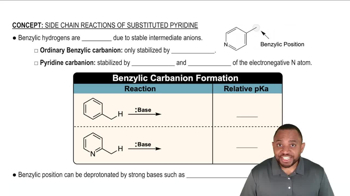
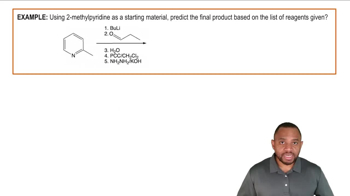
Side-Chain Reactions of Substituted Pyridines
 Back
Back Curated lessons matched to your uploaded material – learn every topic step by step.
 02:08
02:08