Back

Organic Chemistry II: Midterm Exam Study Guide – Mechanisms, Synthesis, and Reactivity

Study Guide - Learn with Videos

Curated lessons matched to your uploaded material – learn every topic step by step.

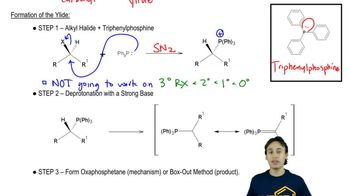
Wittig Reaction

  • Box-Out Method and Full-Mechanism
    15:39

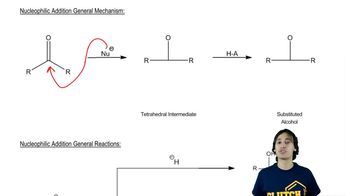
Nucleophilic Addition

  • Nucleophilic Addition
    08:27

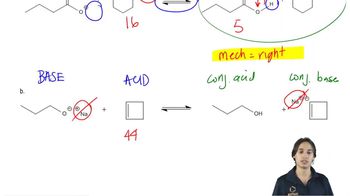
Acid Base Equilibrium

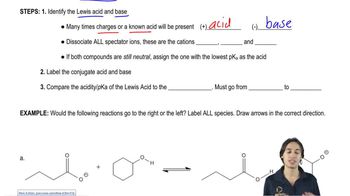
  • The 3 steps for determining the direction of acid and base equilibrium.
    05:11
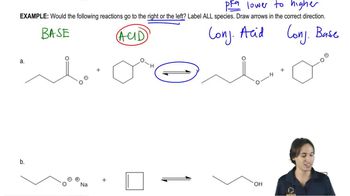
  • Determining Acid/Base Equilibrium
    04:00
  • Determining Acid/Base Equilibrium
    02:34

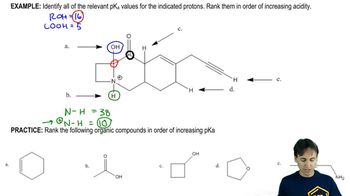
pKa Values

  • Identifying pKa values
    07:45
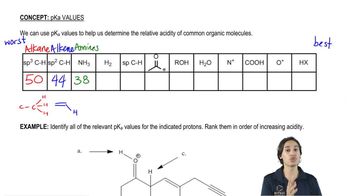
  • The 12 pKa values you want to memorize (because they are important!).
    09:36

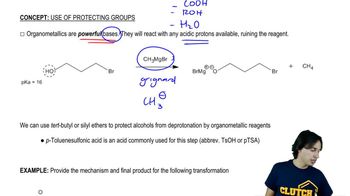
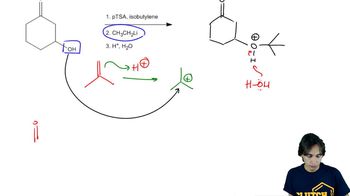
Protecting Alcohols from Organometallics

  • Use of Protecting Groups
    04:34
  • Provide mechanism and final product of transformation.
    04:45

Grignard Reaction

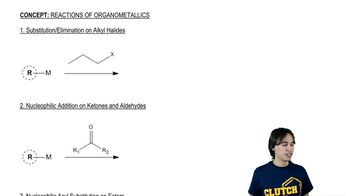
  • Reactions of Organometallics
    13:40

Types of Stereoisomers

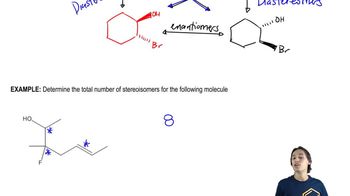
  • Determine total number of stereoisomers
    00:49
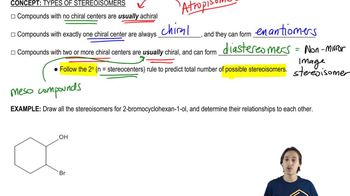
  • How to predict the total number of stereoisomers.
    01:03
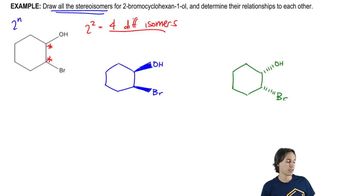
  • Draw stereoisomers and determine relationship
    07:41

Cahn-Ingold-Prelog Nomenclature

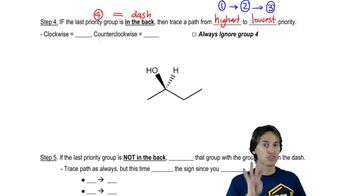
  • R and S Naming- Step 4
    03:07
  • Why stereoisomers need their own naming system.
    01:48
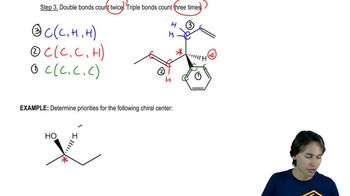
  • Determining Priorities
    01:19

Epoxide Reactions

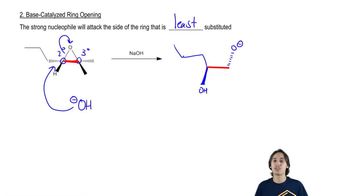
  • Base-Catalyzed Epoxide Ring-Opening
    04:44
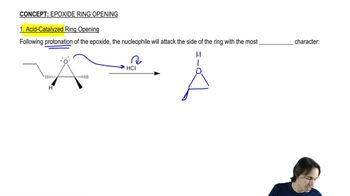
  • Acid-Catalyzed Epoxide Ring-Opening
    04:34

Introduction to Substitution

  • Predict the product
    05:55
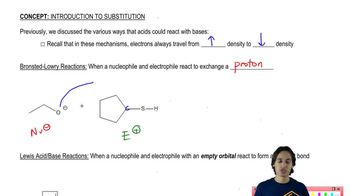
  • Nucleophiles and Electrophiles can react in Bronsted-Lowry Reactions.
    05:01
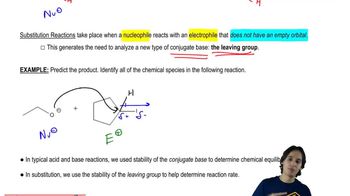
  • Nucleophiles and Electrophiles can react in Substitution Reactions.
    01:47

Leaving Groups

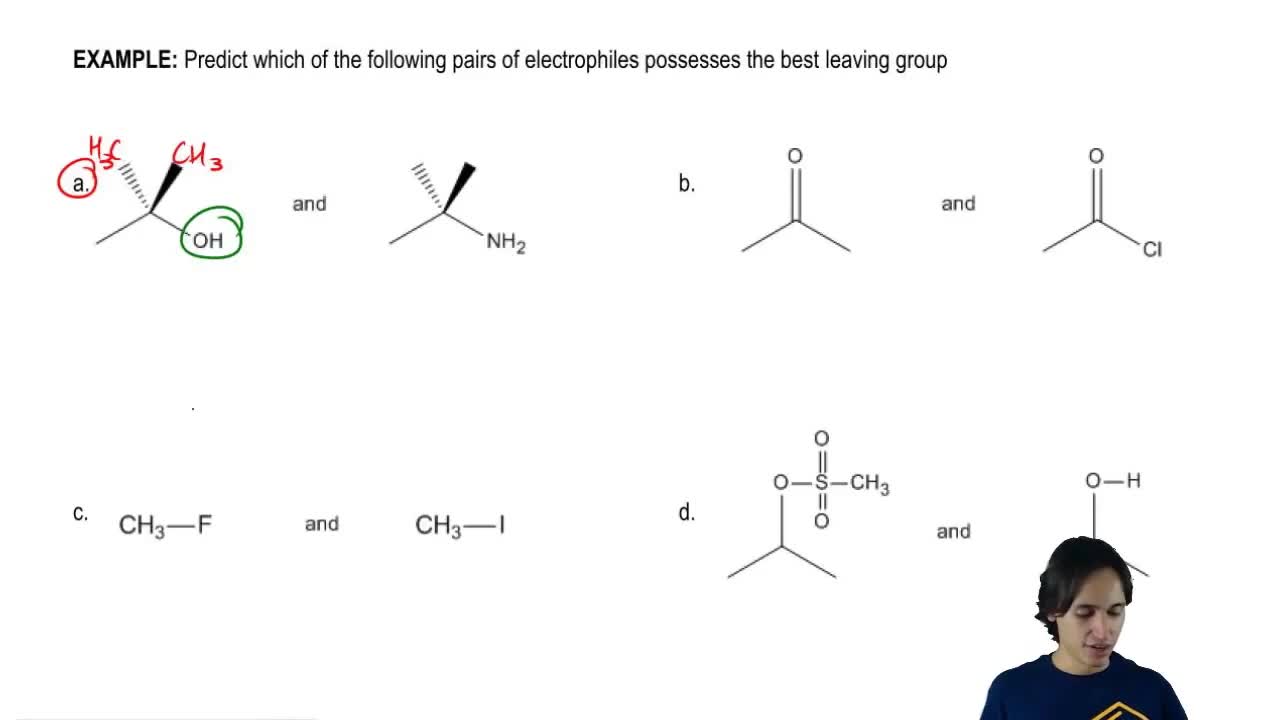
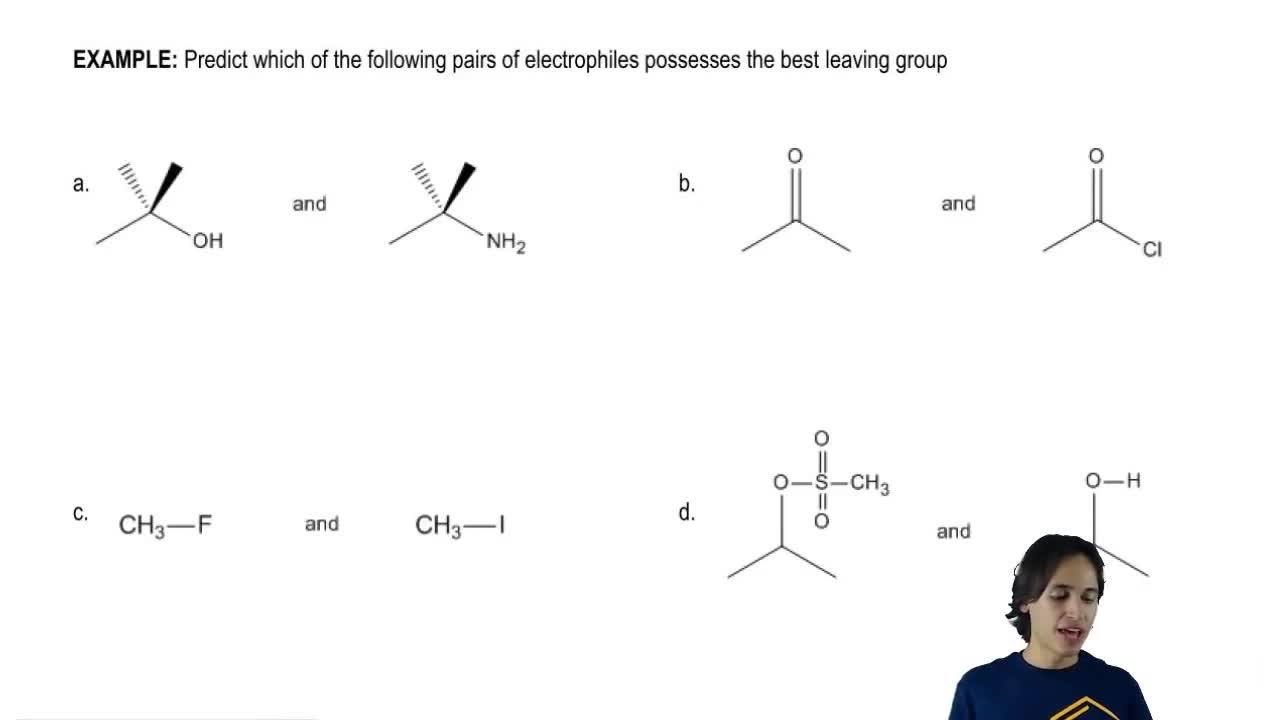
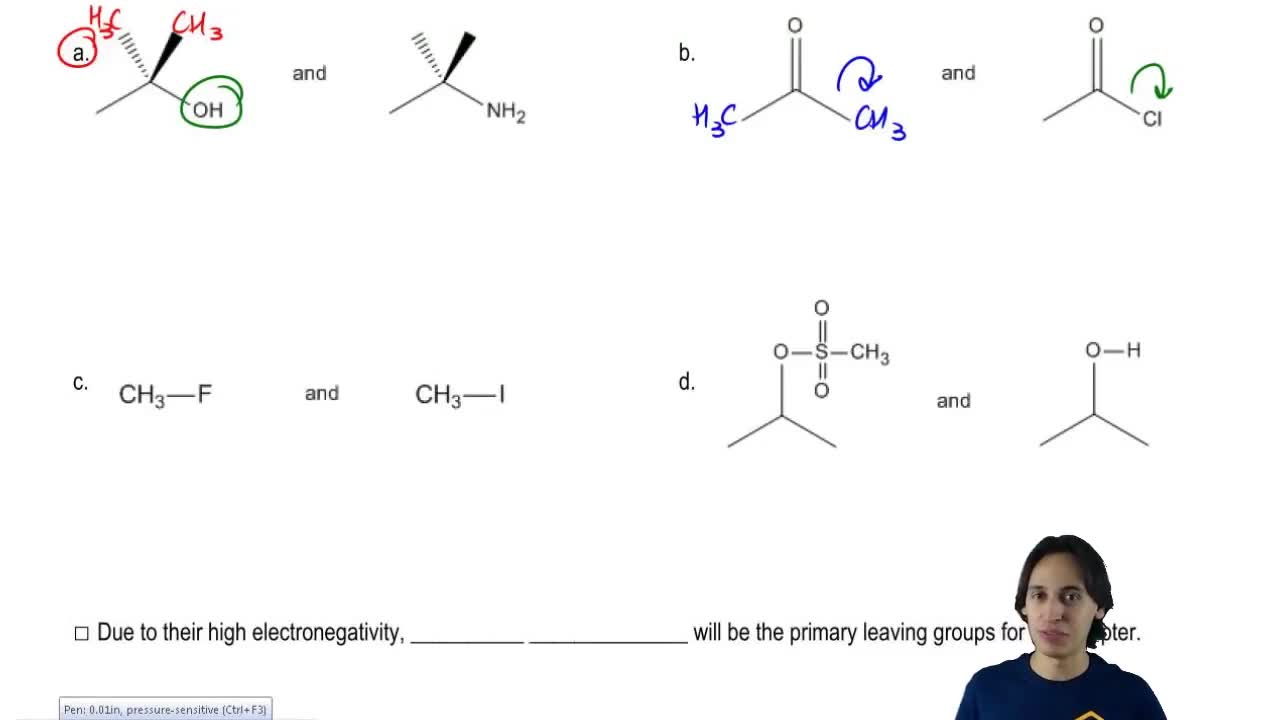
  • Predict the best leaving group
    00:50
  • Predict the best leaving group
    01:12
  • Predict the best leaving group
    00:36

The SN2 Mechanism

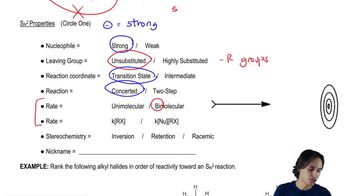
  • Ranking reactivity toward SN2
    04:03
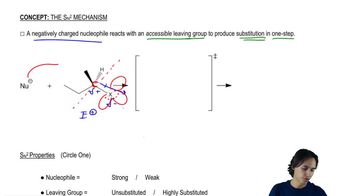
  • Drawing the SN2 Mechanism
    08:33
  • Understanding the properties of SN2.
    11:57

SN1 Reaction

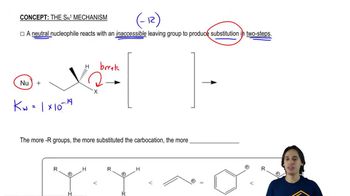
  • Drawing the SN1 Mechanism
    10:49
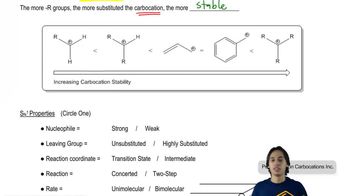
  • Why highly substituted leaving groups favor SN1.
    01:13
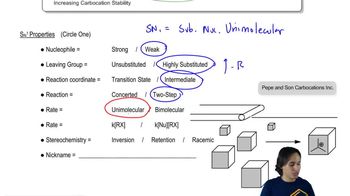
  • Understanding the properties of SN1.
    08:16