Back

Organic Chemistry: Isomers, Alkenes, and Alkynes – Key Concepts and Mechanisms

Study Guide - Learn with Videos

Curated lessons matched to your uploaded material – learn every topic step by step.

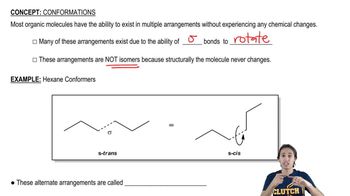
Conformational Isomers

  • Understanding what a conformer is.
    03:29

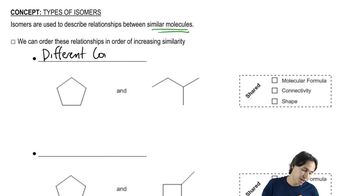
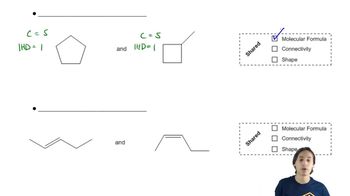
Types of Isomers

  • Determining when molecules are conformers.
    01:39
  • Determining when molecules are different.
    03:51
  • Determining when molecules are constitutional isomers.
    01:33

Chirality

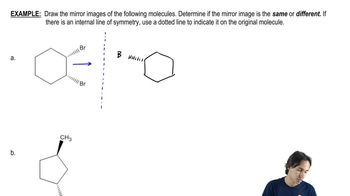
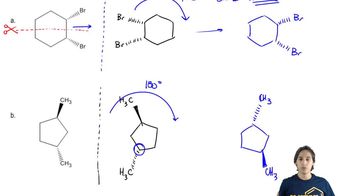
  • Drawing Mirror Images and Determining Chirality
    03:24
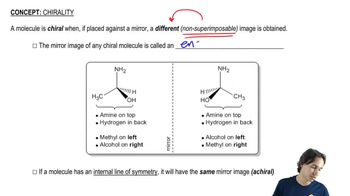
  • What is chirality?
    05:10
  • Drawing Mirror Images and Determining Chirality
    03:44

Chirality Test 1 - Internal Line of Symmetry

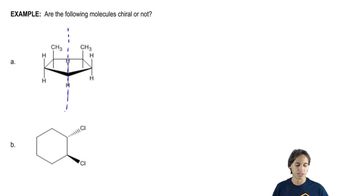
  • Determining Chirality with Plane of Symmetry
    00:25
  • Determining Chirality with Plane of Symmetry
    01:10
  • How and when to use the internal line of symmetry test.
    01:25

Chirality Test 2 - Stereocenters

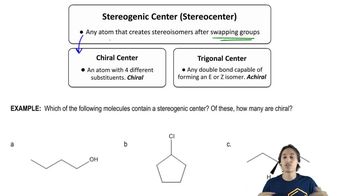
  • Determining Chirality using Stereocenter
    02:25
  • Determining Chirality using Stereocenter
    00:36
  • The difference between chiral and trigonal centers.
    02:38

Cahn-Ingold-Prelog Nomenclature

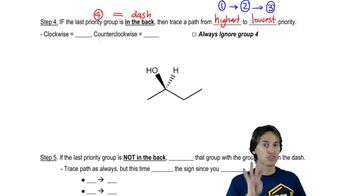
  • R and S Naming- Step 4
    03:07
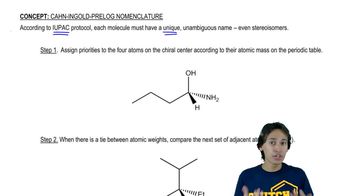
  • Why stereoisomers need their own naming system.
    01:48
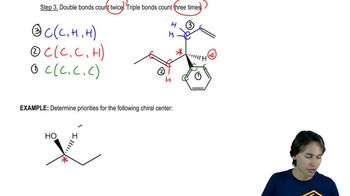
  • Determining Priorities
    01:19

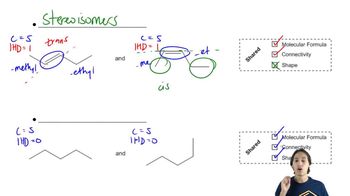
Types of Stereoisomers

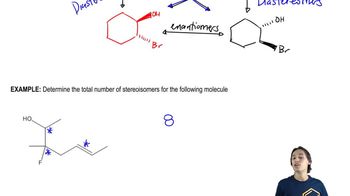
  • Determine total number of stereoisomers
    00:49
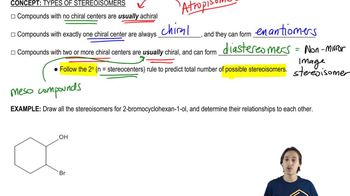
  • How to predict the total number of stereoisomers.
    01:03
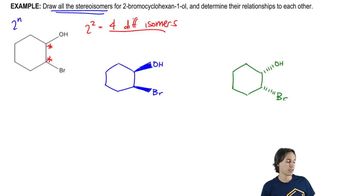
  • Draw stereoisomers and determine relationship
    07:41

Meso Compounds

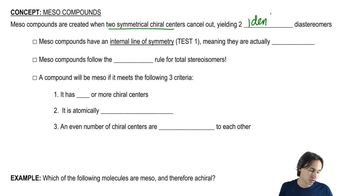
  • Defining meso compounds.
    01:40
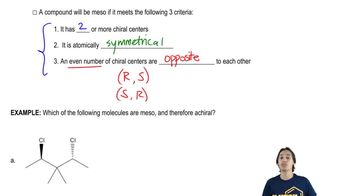
  • The 3 rules of meso compounds.
    04:10
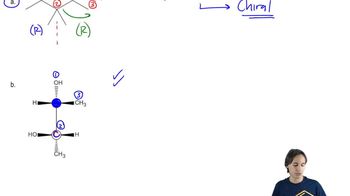
  • Which of the following molecules are meso?
    03:44

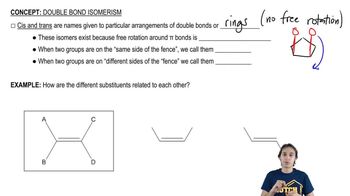
Cis vs Trans

  • Why we need to use the E/Z naming system
    02:07
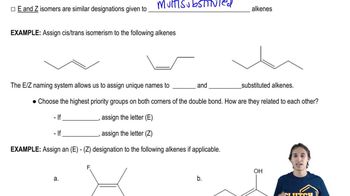
  • What does E and Z stand for?
    00:50
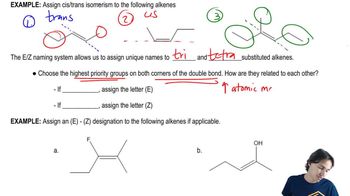
  • How to name different types of double bonds or rings
    04:28

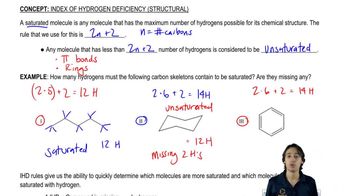
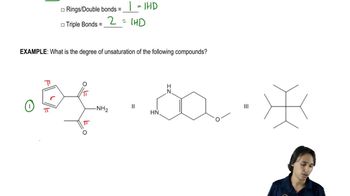
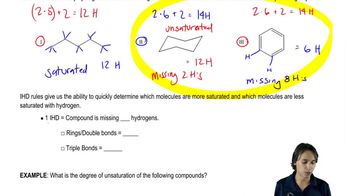
Index of Hydrogen Deficiency (Structural)

  • Is the following molecule saturated?
    00:30
  • What is the IHD of the following molecule?
    00:45
  • What index of hydrogen deficiency is.
    01:15

Naming Alkenes

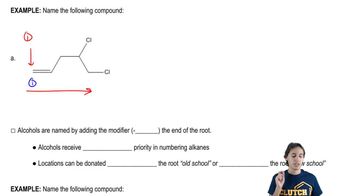
  • Name the following alkene
    02:04
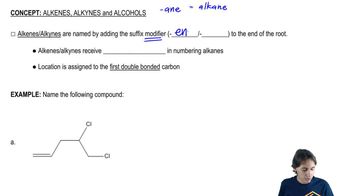
  • How to name alkenes and alkynes
    01:55

Addition Reaction

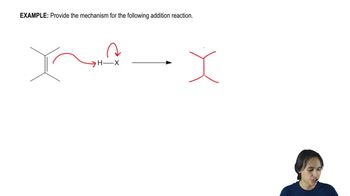
  • Provide the mechanism
    01:15
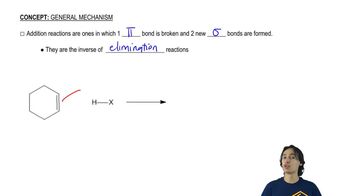
  • Features of Addition Mechanisms.
    05:39

Hydrohalogenation

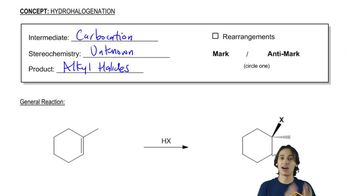
  • General properties of hydrohalogenation.
    04:07
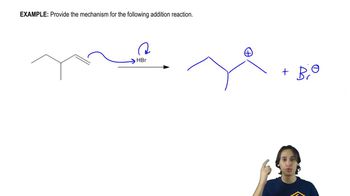
  • Provide the mechanism
    02:24

Markovnikov

  • Provide the mechanism
    01:26
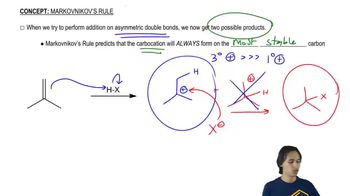
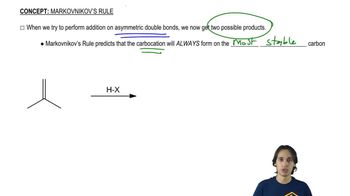
  • How to add to asymmetrical double bonds.
    03:38

Carbocation Intermediate Rearrangements

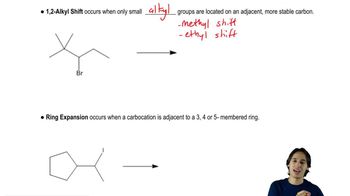
  • Alkyl Shift
    03:43
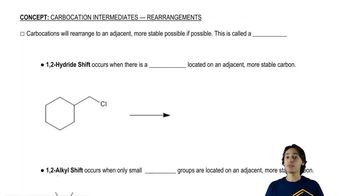
  • Understanding why carbocations shift.
    00:47
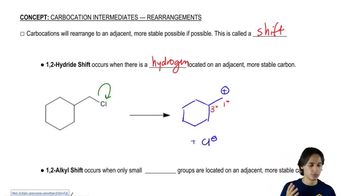
  • Hydride Shift
    03:34

Carbocation Intermediates – Stability

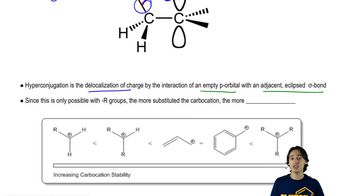
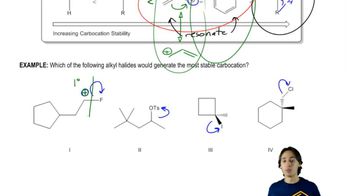
  • Determining Carbocation Stability
    05:58
  • Predicting the most stable carbocation
    01:21

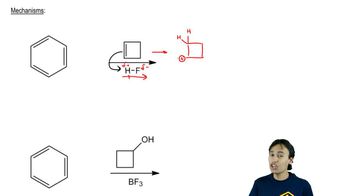
EAS:Any Carbocation Mechanism

  • Any Carbocation
    07:21

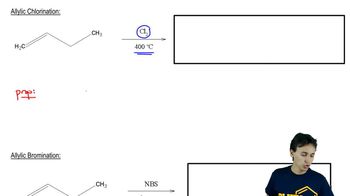
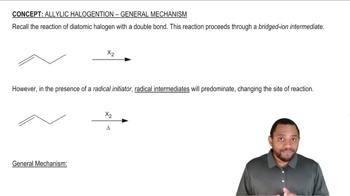
Allylic Halogenation

  • Specific Reactions - Allylic Chlorination
    03:
  • Allylic Halogentation - General Mechanism
    07:50
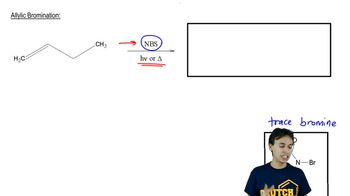
  • Specific Reactions - Allylic Bromination
    03:20

Conjugated Hydrohalogenation (1,2 vs 1,4 addition)

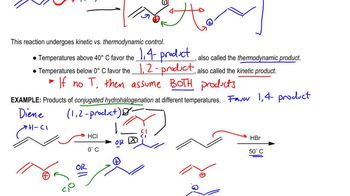
  • 1,2 vs. 1,4 products
    03:06
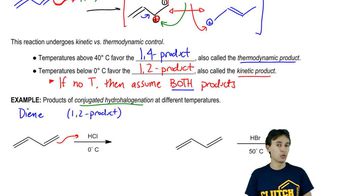
  • 1,2 vs. 1,4 products
    02:13
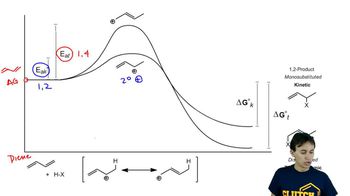
  • Kinetic vs. Thermodynamic Control
    08:51