Back

Organic Chemistry Mechanisms for Test Preparation

Study Guide - Learn with Videos

Curated lessons matched to your uploaded material – learn every topic step by step.

Acid Base Equilibrium

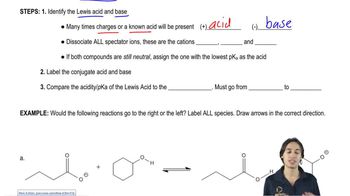
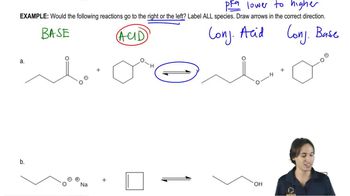
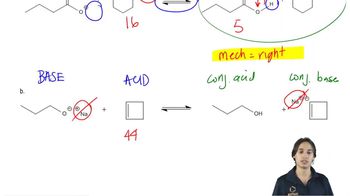
  • The 3 steps for determining the direction of acid and base equilibrium.
    05:11
  • Determining Acid/Base Equilibrium
    04:00
  • Determining Acid/Base Equilibrium
    02:34

pKa

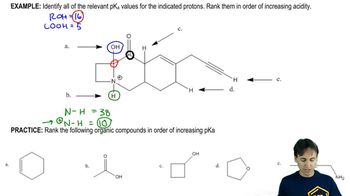
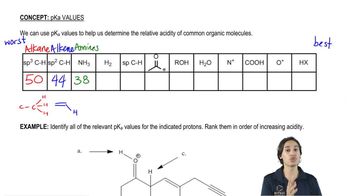
  • Identifying pKa values
    07:45
  • The 12 pKa values you want to memorize (because they are important!).
    09:36

Acid-Base Properties of Amino Acids

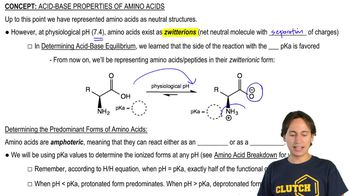
  • Why Amino Acids Exist as Zwitterions
    04:41
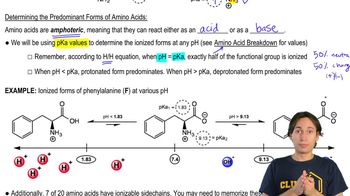
  • Determining Predominant Forms
    07:57
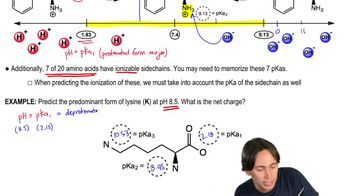
  • Predicting Predominant Form of Lysine
    03:57

Enolate

  • General Reactions
    02:28
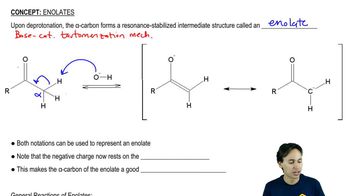
  • Formation of Enolates
    02:26

Aldol Condensation

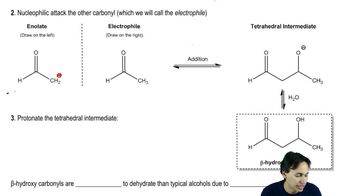
  • General Features
    11:07

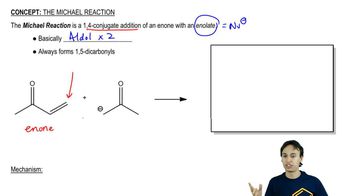
Michael Addition

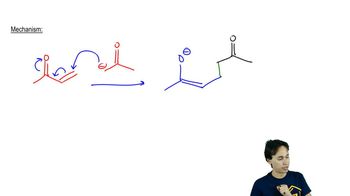
  • General Mechanism
    03:27
  • General Reaction
    02:34

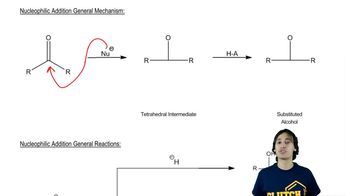
Nucleophilic Addition

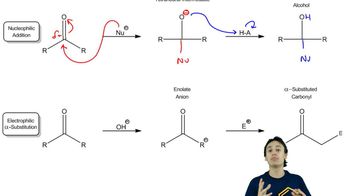
  • Nucleophilic Addition
    08:27

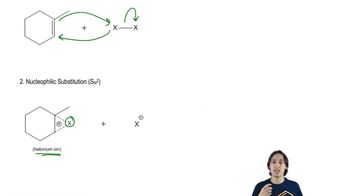
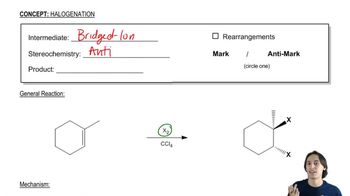
Halogenation

  • Halogenation Mechanism
    03:45
  • General properties of halogenation.
    02:27

Radical Reaction

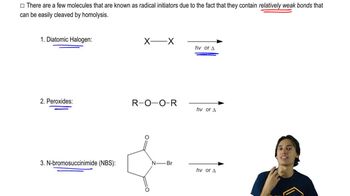
  • What are Radical Initiators?
    03:49
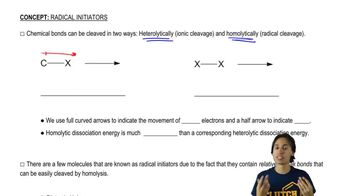
  • Heterolytic vs. Homolytic Bond Cleavage .
    04:39

Radical Stability

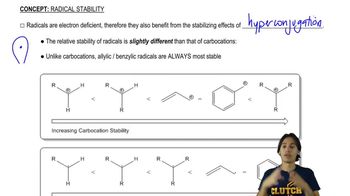
  • The radical stability trend.
    03:43
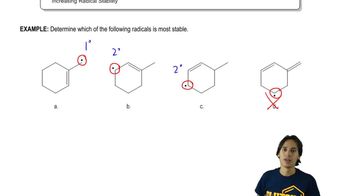
  • Determine which of the following radicals is the most stable.
    03:25

Radical Selectivity

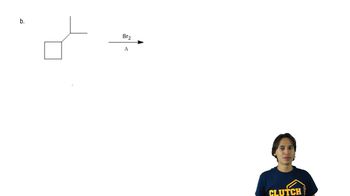
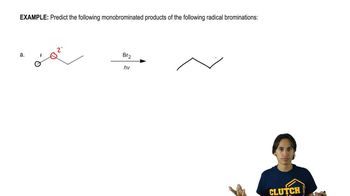
  • Predict the Product.
    00:48
  • Predict the Product.
    01:02
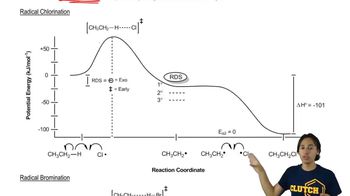
  • Using the Hammond Postulate to describe radical chlorination.
    03:03

Alkyl Groups

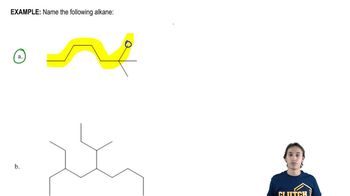
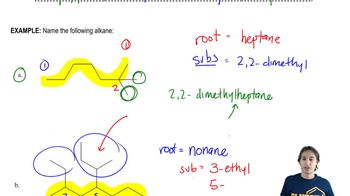
  • Name the following alkane
    02:33
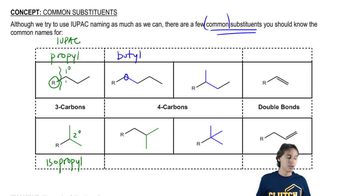
  • Understanding Non-IUPAC Substituents
    06:42
  • Name the following alkane
    03:56

Grignard Reaction

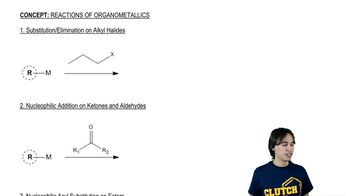
  • Reactions of Organometallics
    13:40

Protecting Alcohols from Organometallics

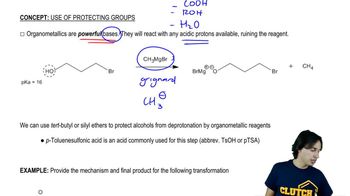
  • Use of Protecting Groups
    04:34
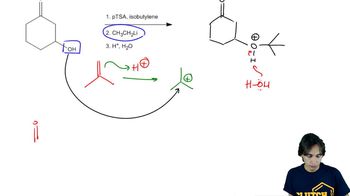
  • Provide mechanism and final product of transformation.
    04:45

Wittig Reaction

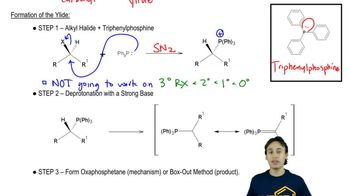
  • Box-Out Method and Full-Mechanism
    15:39