Back

Organic Chemistry: Mechanisms, Reactions, and Synthesis Study Guide

Study Guide - Learn with Videos

Curated lessons matched to your uploaded material – learn every topic step by step.

Reaction Mechanism

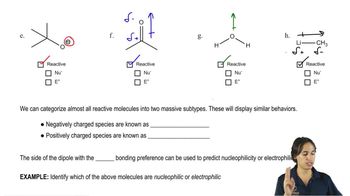
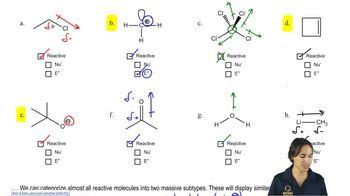
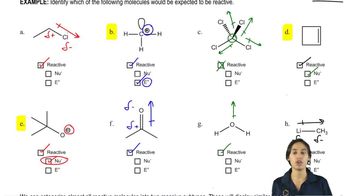
  • How to tell if charged molecules will react as nucleophiles or electrophiles.
    02:39
  • Nucleophile or Electrophile
    01:49
  • How to tell if uncharged molecules will react as nucleophiles or electrophiles.
    02:48

Resonance Structures

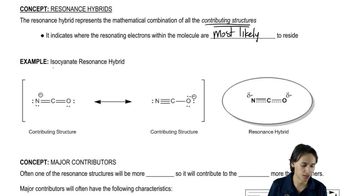
  • How to draw a resonance hybrid.
    03:24
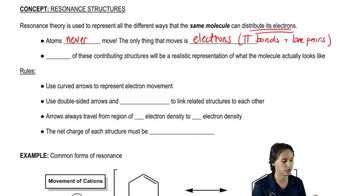
  • The rules you need for resonance:
    03:34
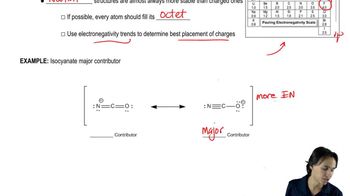
  • How to determine which structure is most stable.
    01:32

Addition Reaction

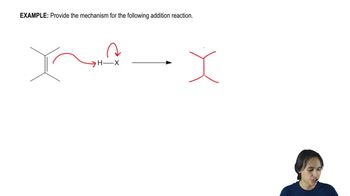
  • Provide the mechanism
    01:15
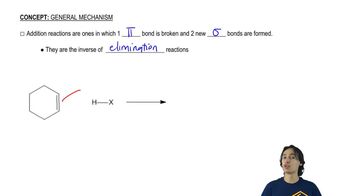
  • Features of Addition Mechanisms.
    05:39

Hydrohalogenation

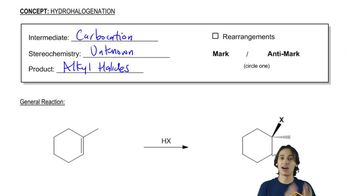
  • General properties of hydrohalogenation.
    04:07
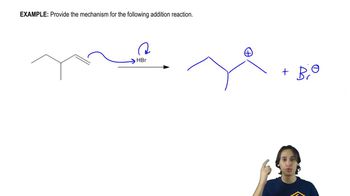
  • Provide the mechanism
    02:24

Markovnikov

  • Provide the mechanism
    01:26
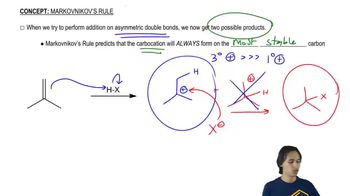
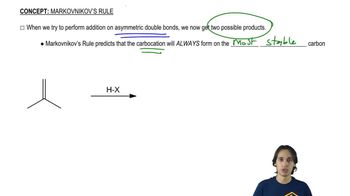
  • How to add to asymmetrical double bonds.
    03:38

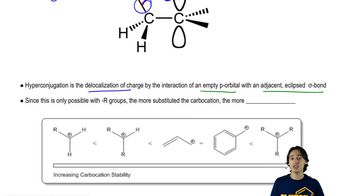
Carbocation Intermediates – Stability

  • Determining Carbocation Stability
    05:58
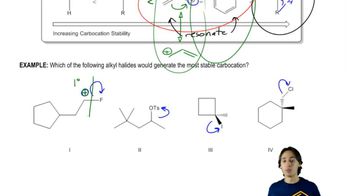
  • Predicting the most stable carbocation
    01:21

Alkyne Hydrohalogenation

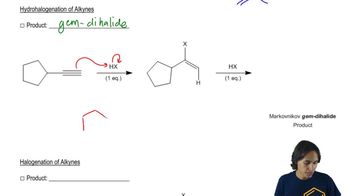
  • Double hydrohalogenation of alkynes.
    02:20
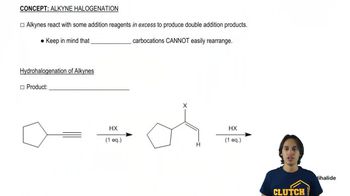
  • General properties of double addition reactions to alkynes.
    01:01

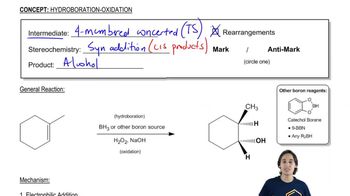
Hydroboration

  • General properties of hydroboration-oxidation.
    06:38
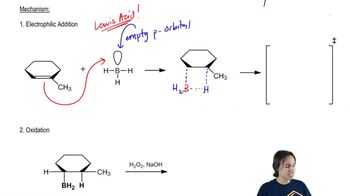
  • Acid-catalyzed hydroboration-oxidation mechanism
    06:14

Nucleophilic Addition

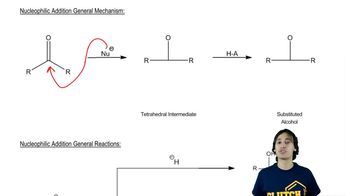
  • Nucleophilic Addition
    08:27