Back

Organic Chemistry: Nucleophilic Reactions, Aromaticity, and Radical Chemistry Study Guide

Study Guide - Learn with Videos

Curated lessons matched to your uploaded material – learn every topic step by step.

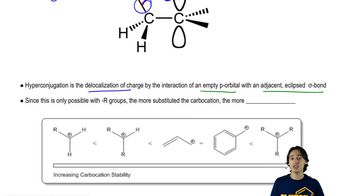
Carbocation Intermediates – Stability

  • Determining Carbocation Stability
    05:58
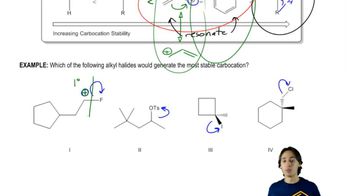
  • Predicting the most stable carbocation
    01:21

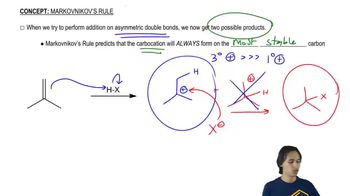
Markovnikov

  • Provide the mechanism
    01:26
  • How to add to asymmetrical double bonds.
    03:38

Dehydration Reaction

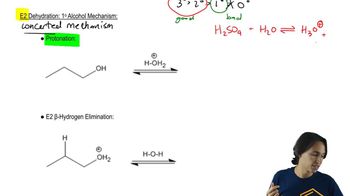
  • Dehydration of 1° alcohols:The E2 Mechanism
    05:20
  • An extra note of caution with 1° alcohols.
    01:06
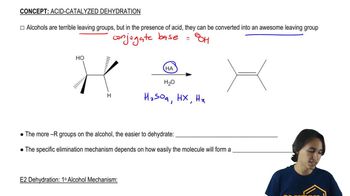
  • General features of acid-catalyzed dehydration.
    06:01

Addition Reaction

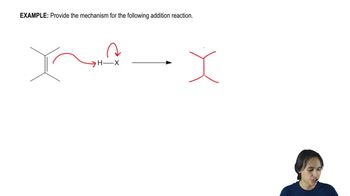
  • Provide the mechanism
    01:15
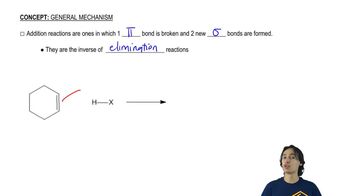
  • Features of Addition Mechanisms.
    05:39

Electrophilic Aromatic Substitution

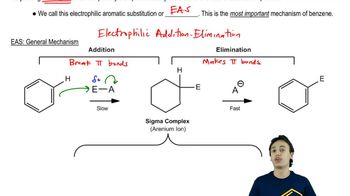
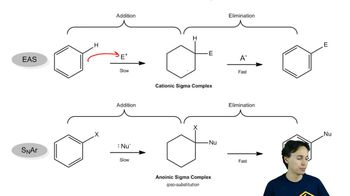
  • EAS General Mechanism
    06:52
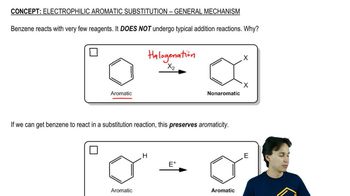
  • EAS Review
    03:07

Nucleophilic Aromatic Substitution

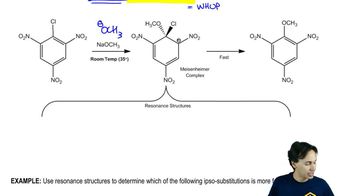
  • The Meisenheimer Complex
    06:23
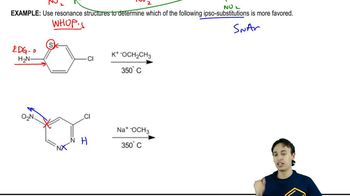
  • Which ipso-substitution is more favored
    03:30
  • General Mechanism
    06:45

Diels-Alder Reaction

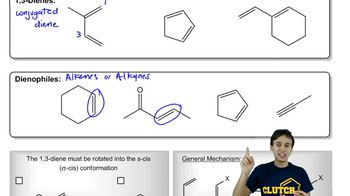
  • General Features
    09:48

Diels-Alder Retrosynthesis

  • Retrosynthesis
    01:22
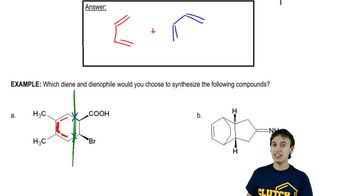
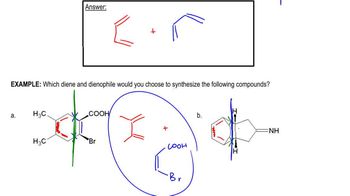
  • Diels-Alder Retrosynthesis
    04:02
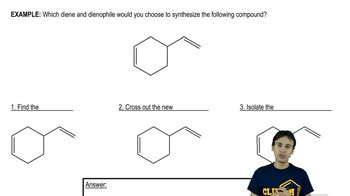
  • Retrosynthesis
    02:37

Oxidative Cleavage

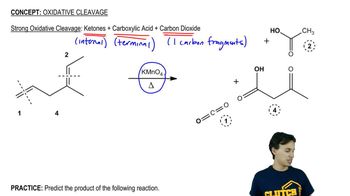
  • General properties of strong oxidative cleavage.
    06:00

Ozonolysis

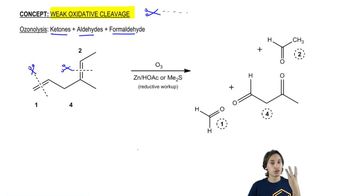
  • General properties of ozonolysis.
    06:30

Radical Reaction

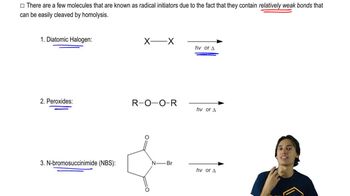
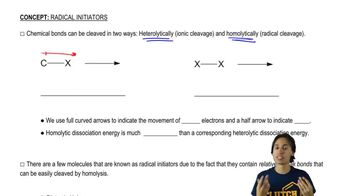
  • What are Radical Initiators?
    03:49
  • Heterolytic vs. Homolytic Bond Cleavage .
    04:39

Radical Stability

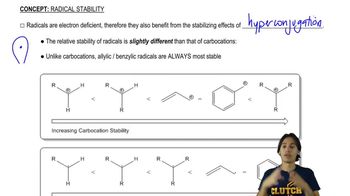
  • The radical stability trend.
    03:43
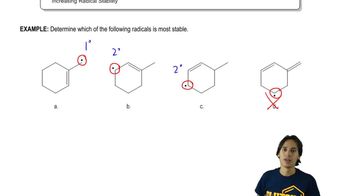
  • Determine which of the following radicals is the most stable.
    03:25