Back

Organic Chemistry 3rd Exam Study Guide

Study Guide - Learn with Videos

Curated lessons matched to your uploaded material – learn every topic step by step.

Alkynide Synthesis

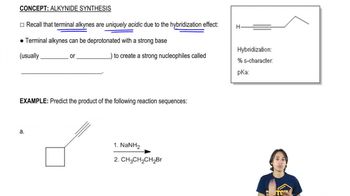
  • Understanding how to convert terminal alkynes to alkynides.
    04:19
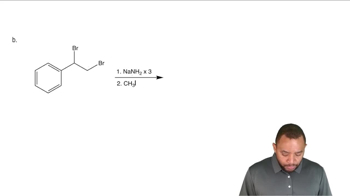
  • Using double dehydrohalogenation to perform alkynide synthesis.
    02:57
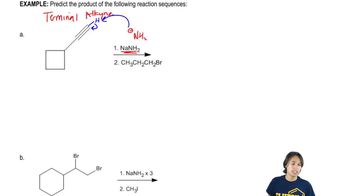
  • The mechanism of alkynide synthesis.
    03:48

Alkyne Halogenation

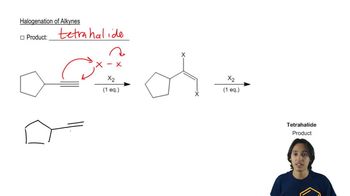
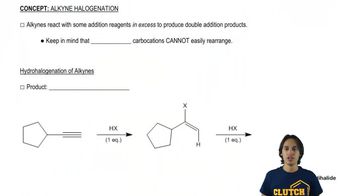
  • Double halogenation of alkynes.
    02:15

Alkyne Hydrohalogenation

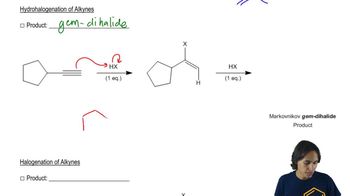
  • Double hydrohalogenation of alkynes.
    02:20
  • General properties of double addition reactions to alkynes.
    01:01

Hydrogenation of Alkynes

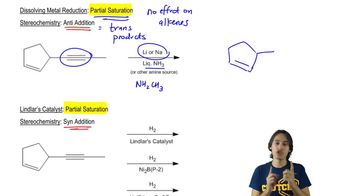
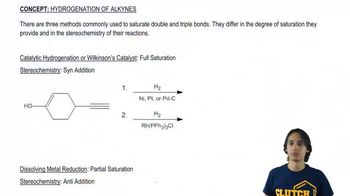
  • Using Dissolving Metal Reduction or Lindlar’s Catalyst to turn alkynes to alkenes.
    06:08
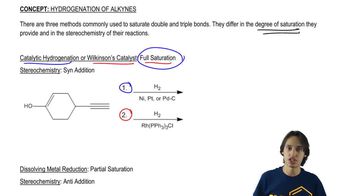
  • Using Catalytic hydrogenation or Wilkinson’s Catalyst to turn alkynes to alkanes.
    03:46
  • The definition of hydrogenation.
    00:48

Alkyne Hydration

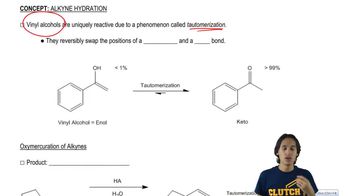
  • Vinyl alcohols yield tautomers.
    03:51
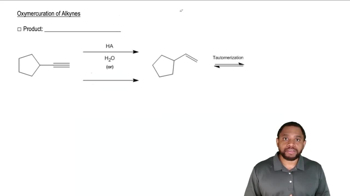
  • Markovnikov addition of alcohols yields ketones.
    03:29

Alkyne Hydroboration

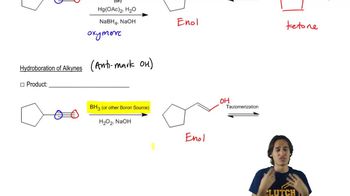
  • Anti-Markovnikov addition of alcohols to terminal alkynes yields aldehydes
    02:43

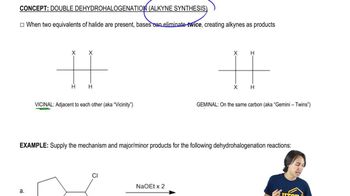
Double Dehydrohalogenation (Alkyne Synthesis)

  • General features of double dehydrohalogenation.
    02:20
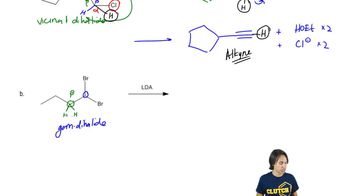
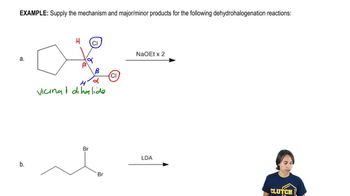
  • Supply the mechanism and product for the following reaction.
    02:26
  • The double dehydrohalogenation mechanism.
    04:03

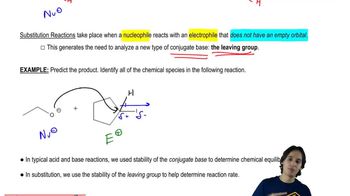
Introduction to Substitution

  • Predict the product
    05:55
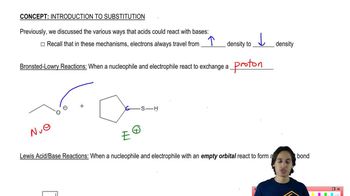
  • Nucleophiles and Electrophiles can react in Bronsted-Lowry Reactions.
    05:01
  • Nucleophiles and Electrophiles can react in Substitution Reactions.
    01:47

The SN2 Mechanism

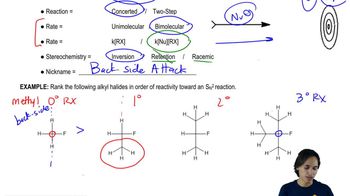
  • Ranking reactivity toward SN2
    04:03
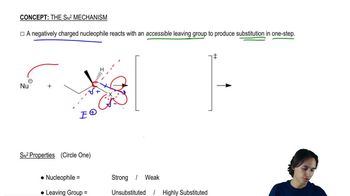
  • Drawing the SN2 Mechanism
    08:33
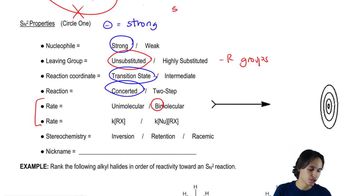
  • Understanding the properties of SN2.
    11:57

The SN1 Mechanism

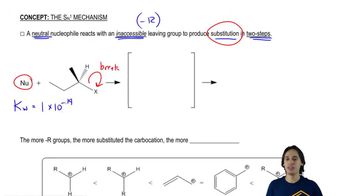
  • Drawing the SN1 Mechanism
    10:49
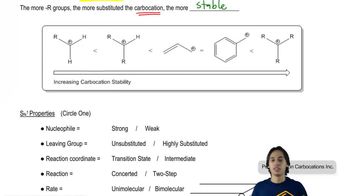
  • Why highly substituted leaving groups favor SN1.
    01:13
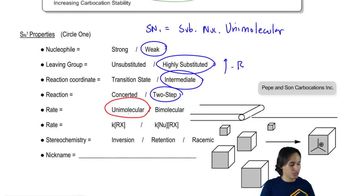
  • Understanding the properties of SN1.
    08:16

E2 Mechanism

  • Understanding the properties of E2.
    04:42
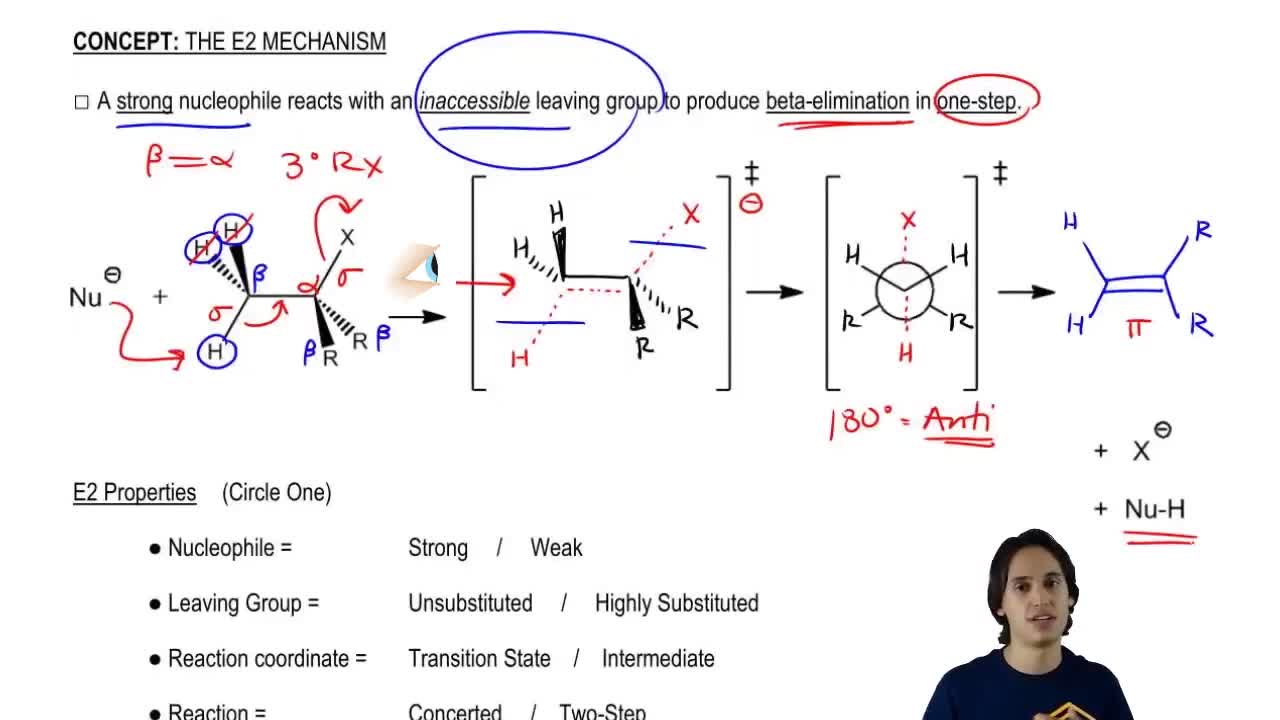
  • Drawing the E2 Mechanism.
    09:36
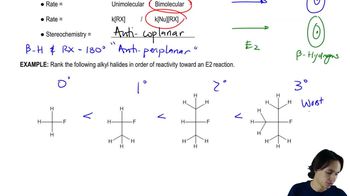
  • Rank reactivity toward E2
    02:03

The E1 Mechanism

  • Understanding the properties of E1.
    03:32
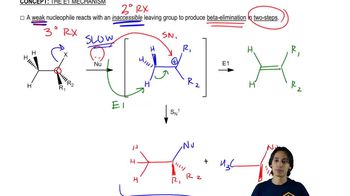
  • Drawing the E1 Mechanism.
    08:09

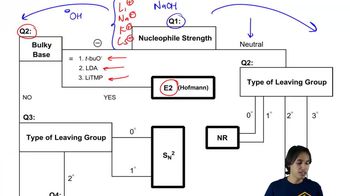
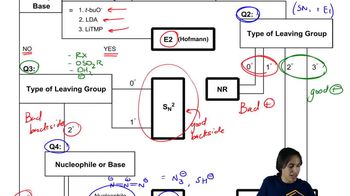
SN1 SN2 E1 E2 Chart (Big Daddy Flowchart)

  • How to predict SN2 and E2 mechanisms.
    09:52
  • How to predict SN1 and E1 mechanisms.
    06:30
  • Overview of the flowchart.
    02:27

Chirality

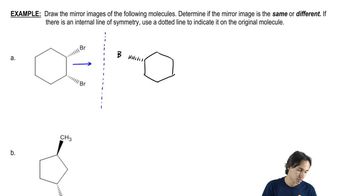
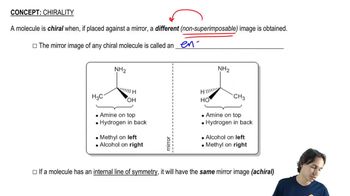
  • Drawing Mirror Images and Determining Chirality
    03:24
  • What is chirality?
    05:10
  • Drawing Mirror Images and Determining Chirality
    03:44

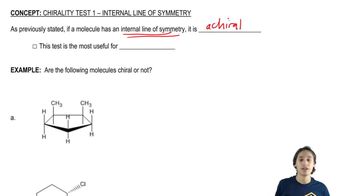
Chirality Test 1 - Internal Line of Symmetry

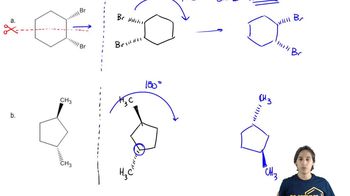
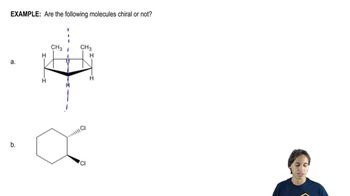
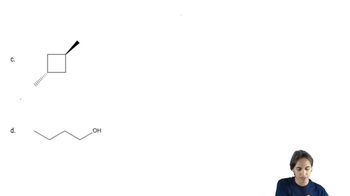
  • Determining Chirality with Plane of Symmetry
    00:25
  • Determining Chirality with Plane of Symmetry
    01:10
  • How and when to use the internal line of symmetry test.
    01:25

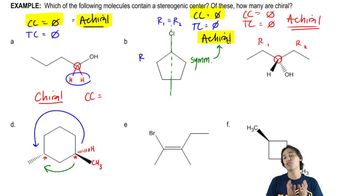
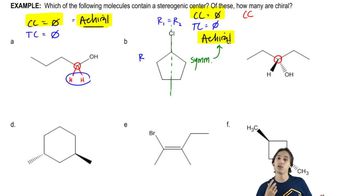
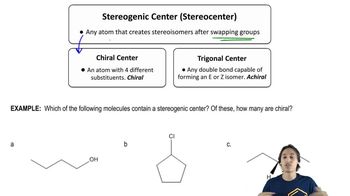
Chirality Test 2 - Stereocenters

  • Determining Chirality using Stereocenter
    02:25
  • Determining Chirality using Stereocenter
    00:36
  • The difference between chiral and trigonal centers.
    02:38

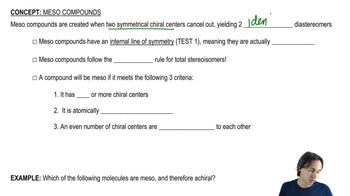
Meso Compounds

  • Defining meso compounds.
    01:40
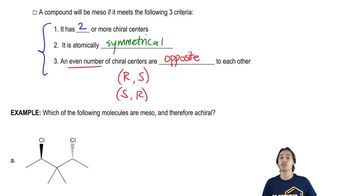
  • The 3 rules of meso compounds.
    04:10
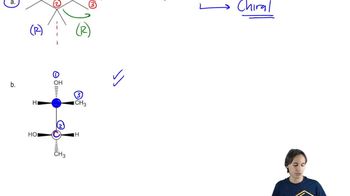
  • Which of the following molecules are meso?
    03:44

Cahn-Ingold-Prelog Nomenclature

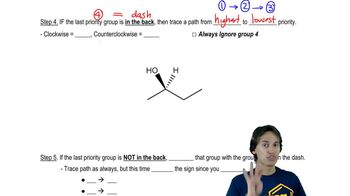
  • R and S Naming- Step 4
    03:07
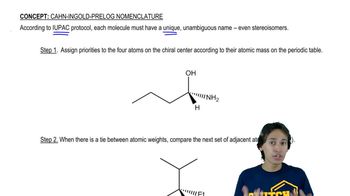
  • Why stereoisomers need their own naming system.
    01:48
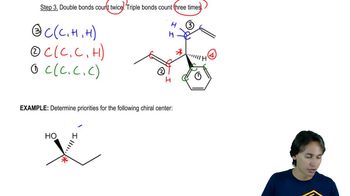
  • Determining Priorities
    01:19

Optical Activity

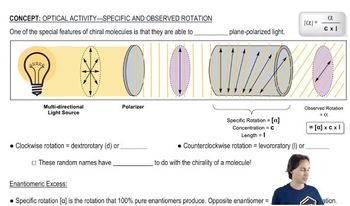
  • Specific rotation vs. observed rotation.
    05:43

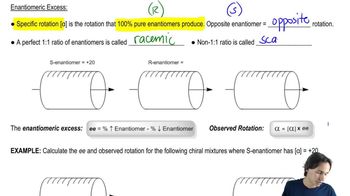
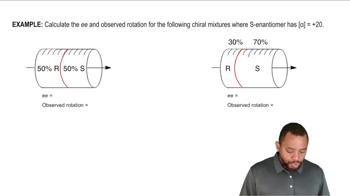
Enantiomeric Excess

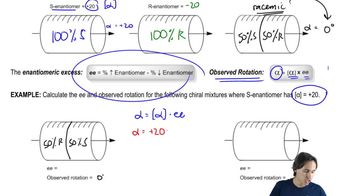
  • Calculating Enantiomeric Excess and Observed Rotation
    00:50
  • How to calculate enantiomeric excess.
    04:21
  • Calculating Enantiomeric Excess and Observed Rotation
    03:59

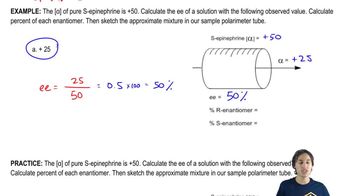
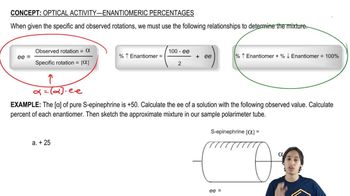
Calculations with Enantiomeric Percentages

  • Calculating EE, percent of each enantiomer, and sketching mixture
    03:08
  • How to solve for the percentage of each enantiomer.
    03:23