Back

Organic Chemistry Study Guide: Electronegativity, Bonding, Acids/Bases, and Molecular Structure

Study Guide - Learn with Videos

Curated lessons matched to your uploaded material – learn every topic step by step.

Hybridization

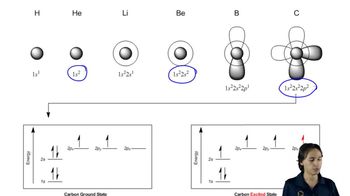
  • How carbon creates 4 partially-filled orbitals.
    02:53
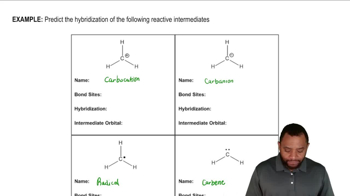
  • Bond sites, hybridization, and intermediate orbitals
    04:58
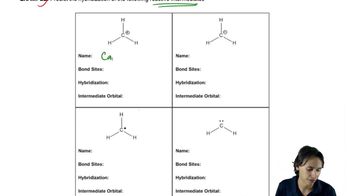
  • Introduction to the reactive intermediates.
    02:47

Molecular Geometry

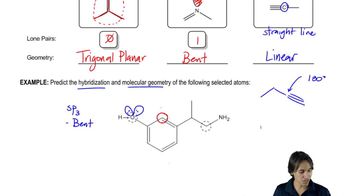
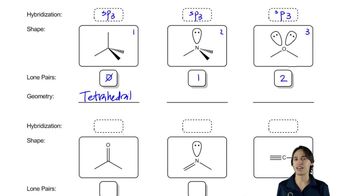
  • Predict the hybridization and molecular geometry
    01:54
  • Molecular Geometry Explained.
    07:44

Electronegativity

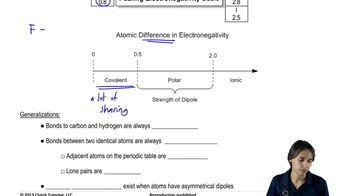
  • Differences between ionic, polar and covalent bonds
    11:33

Formal Charges

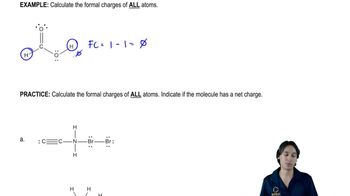
  • Calculate the formal charges of ALL atoms.
    02:21
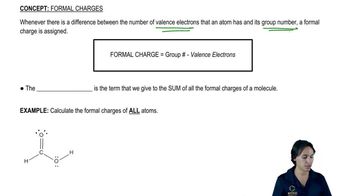
  • Calculating formal and net charge.
    01:34

Intermolecular Forces

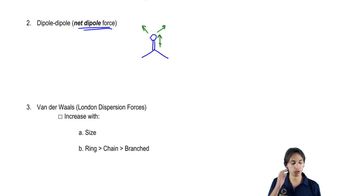
  • How dipole-dipole forces work.
    01:46
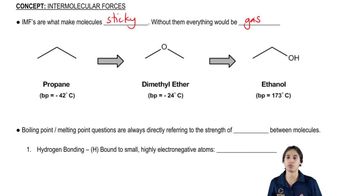
  • How IMFs are related to melting and boiling points.
    03:08
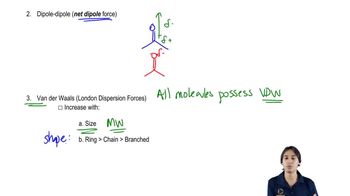
  • How Van der Waals forces work.
    03:01

Bonding Preferences

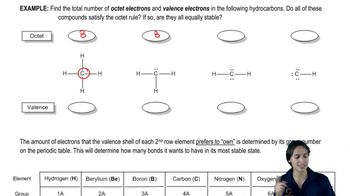
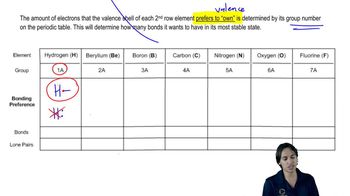
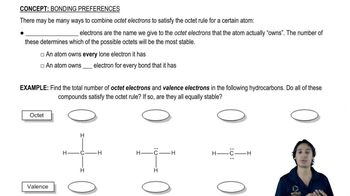
  • What is the difference between valence and octet electrons?
    02:04
  • Understanding the hydrogen isotopes.
    08:32
  • What is a valence electron?
    02:14

Naming Cycloalkanes

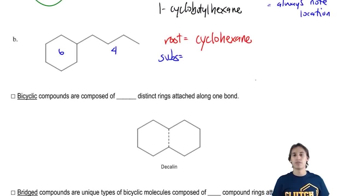
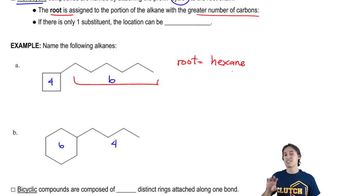
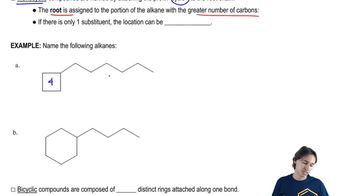
  • Name the following alkane
    00:53
  • Determining Root Name
    00:18
  • Determining Root Name
    00:34

Skeletal Structure

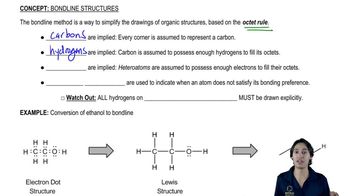
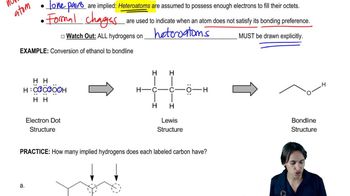
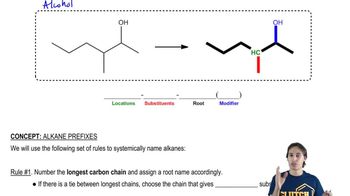
  • How bondline is different from Lewis Structures.
    04:03
  • Conversion of ethanol from electron dot to bondline
    01:50

Alkane Nomenclature

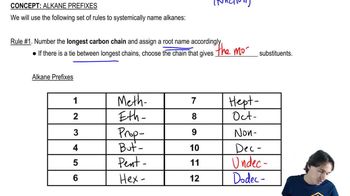
  • Naming the root chain
    01:02
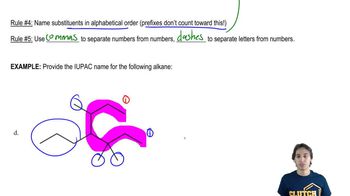
  • Provide the IUPAC name for the following alkane
    07:08
  • The different parts of an IUPAC name
    03:43

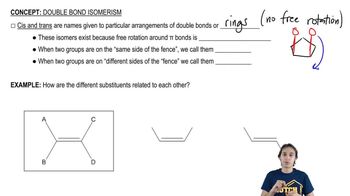
Cis vs Trans

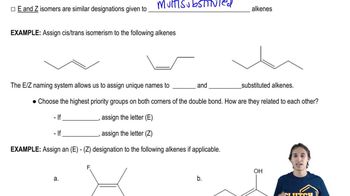
  • Why we need to use the E/Z naming system
    02:07
  • What does E and Z stand for?
    00:50
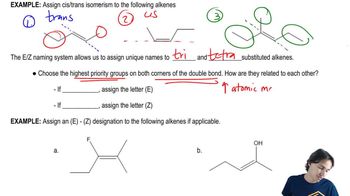
  • How to name different types of double bonds or rings
    04:28

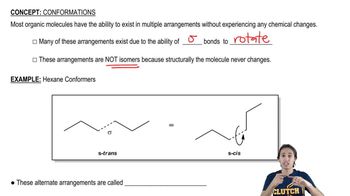
Conformational Isomers

  • Understanding what a conformer is.
    03:29

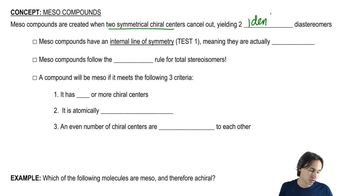
Meso Compounds

  • Defining meso compounds.
    01:40
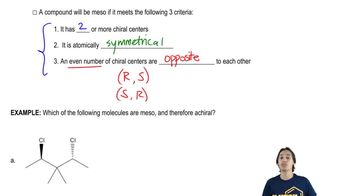
  • The 3 rules of meso compounds.
    04:10
  • Which of the following molecules are meso?
    03:44

Optical Activity

  • Specific rotation vs. observed rotation.
    05:43