Back

Organic Chemistry Study Notes: Substitution, Elimination, and Addition Reactions (Chapters 6–8)

Study Guide - Learn with Videos

Curated lessons matched to your uploaded material – learn every topic step by step.

Carbocation Intermediate Rearrangements

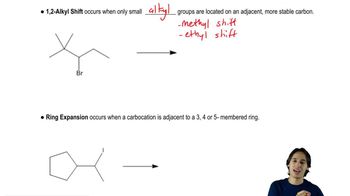
  • Alkyl Shift
    03:43
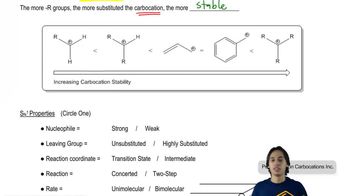
  • Understanding why carbocations shift.
    00:47
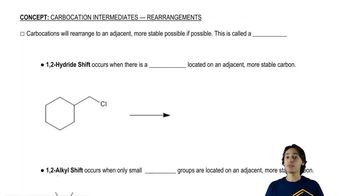
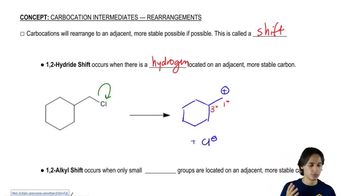
  • Hydride Shift
    03:34

SN1 Reaction

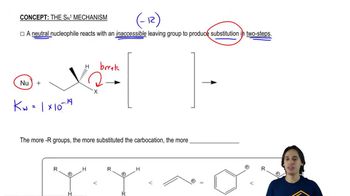
  • Drawing the SN1 Mechanism
    10:49
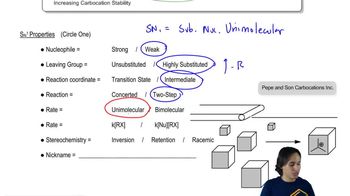
  • Why highly substituted leaving groups favor SN1.
    01:13
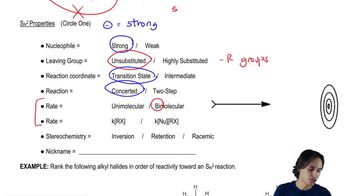
  • Understanding the properties of SN1.
    08:16

SN2 Reaction

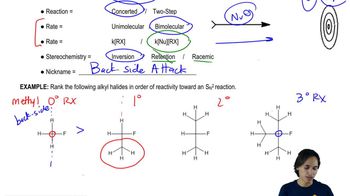
  • Ranking reactivity toward SN2
    04:03
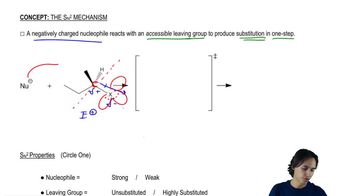
  • Drawing the SN2 Mechanism
    08:33
  • Understanding the properties of SN2.
    11:57

Substitution Comparison

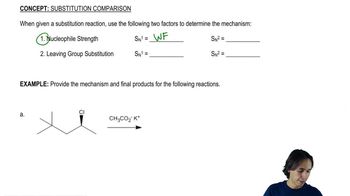
  • How do we predict if the mechanism is SN1 or SN2?
    03:32

Nucleophiles and Basicity

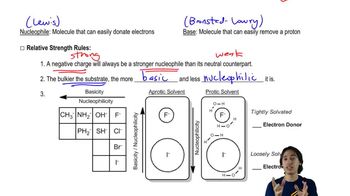
  • Understanding the difference between basicity and nucleophilicity.
    06:21

Solvents

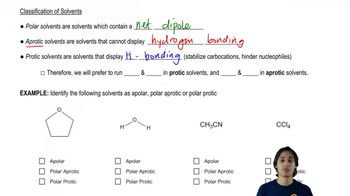
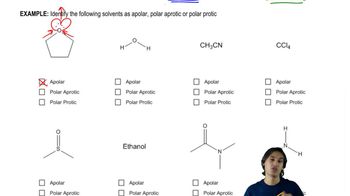
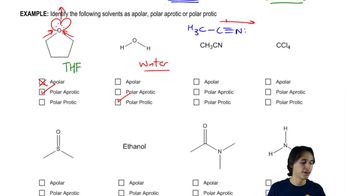
  • The difference between protic vs. aprotic solvents.
    03:57
  • Identification of polarity in solvents
    01:16
  • Identification of polarity in solvents
    00:39

Solvents

  • The difference between protic vs. aprotic solvents.
    03:57
  • Identification of polarity in solvents
    01:16
  • Identification of polarity in solvents
    00:39

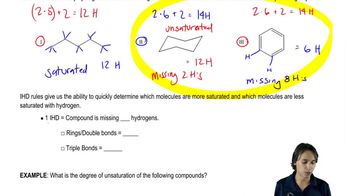
Degrees of Unsaturation

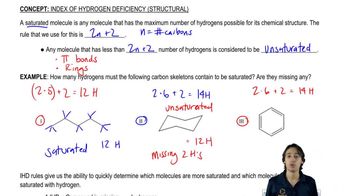
  • Is the following molecule saturated?
    00:30
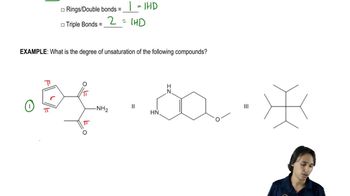
  • What is the IHD of the following molecule?
    00:45
  • What index of hydrogen deficiency is.
    01:15

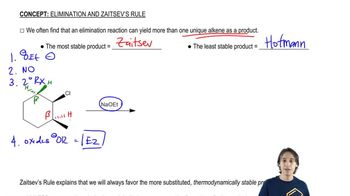
Zaitsev Rule

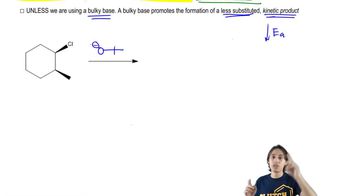
  • Hofmann product
    02:39
  • Defining Zaitsev’s Rule
    01:18
  • Zaitsev product
    07:01

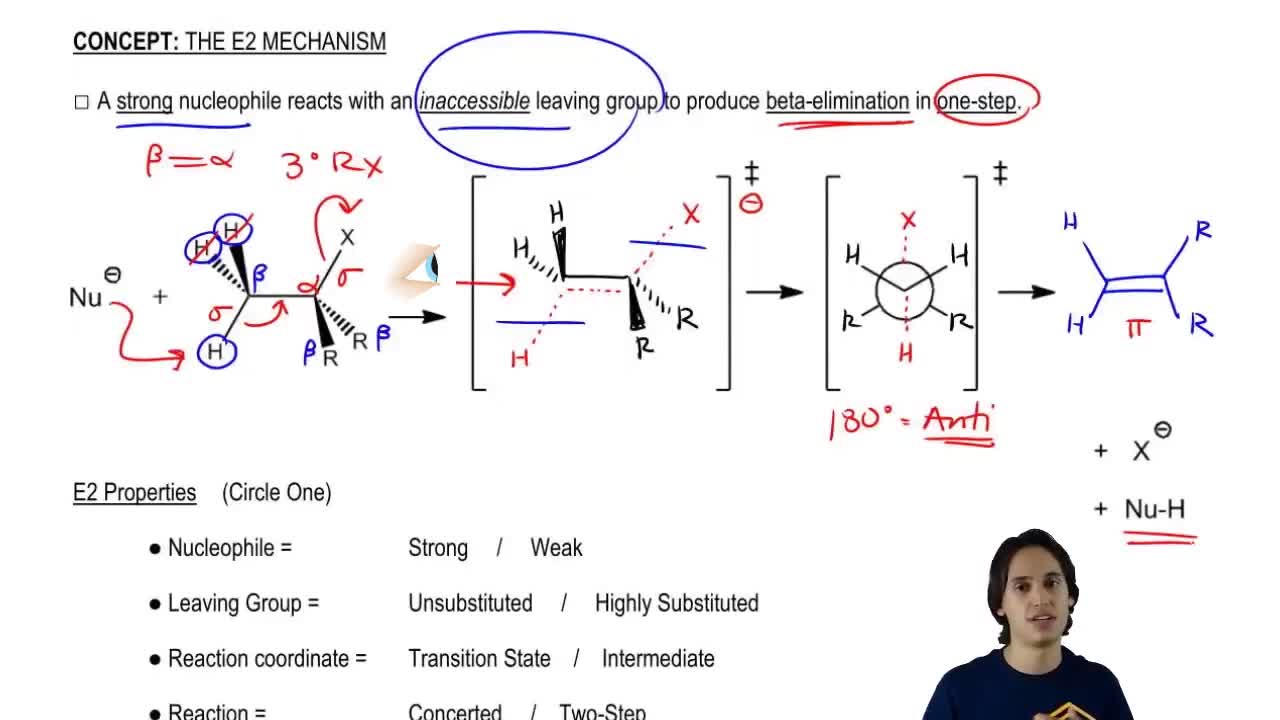
E2 Mechanism

  • Understanding the properties of E2.
    04:42
  • Drawing the E2 Mechanism.
    09:36
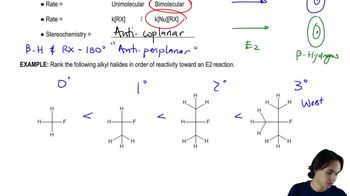
  • Rank reactivity toward E2
    02:03

E1 Reaction

  • Understanding the properties of E1.
    03:32
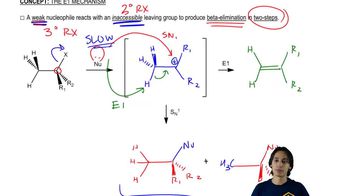
  • Drawing the E1 Mechanism.
    08:09

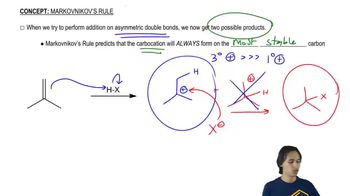
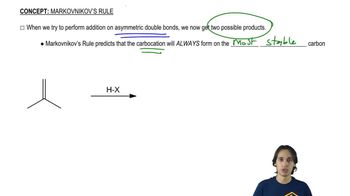
Markovnikov

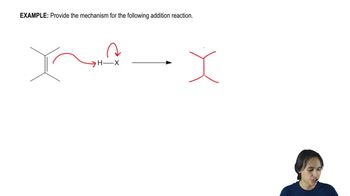
  • Provide the mechanism
    01:26
  • How to add to asymmetrical double bonds.
    03:38

Anti Markovnikov Addition of Br

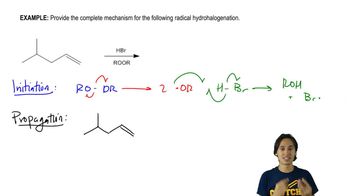
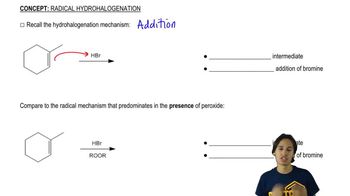
  • Provide the complete mechanism for the following radical hydrohalogenation.
    02:53
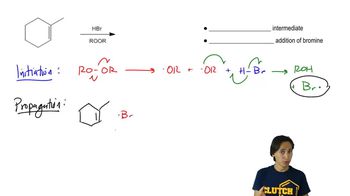
  • How Radical Hydrohalogenation is different from typical Hydrohalogenation.
    07:13
  • Overview of Hydrohalogention.
    01:18

Addition Reaction

  • Provide the mechanism
    01:15
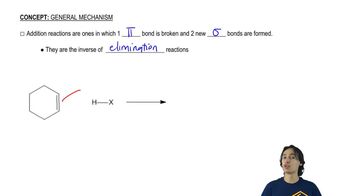
  • Features of Addition Mechanisms.
    05:39

Free Radical Halogenation

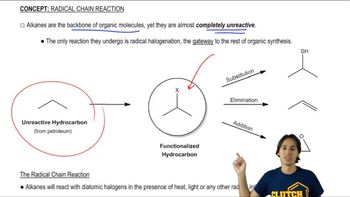
  • The one reaction that alkanes will actually undergo.
    02:05
  • Explaining the following problem.
    00:34
  • Show the entire chain reaction mechanism.
    04:08

Radical Reaction

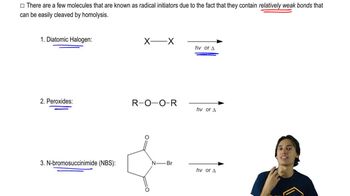
  • What are Radical Initiators?
    03:49
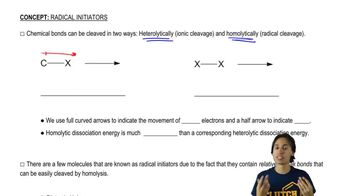
  • Heterolytic vs. Homolytic Bond Cleavage .
    04:39

Radical Stability

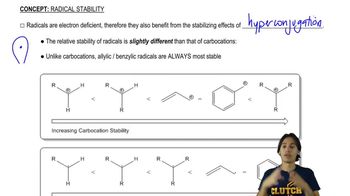
  • The radical stability trend.
    03:43
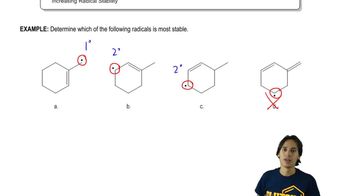
  • Determine which of the following radicals is the most stable.
    03:25

Radical Selectivity

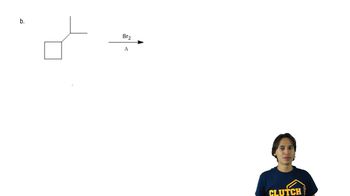
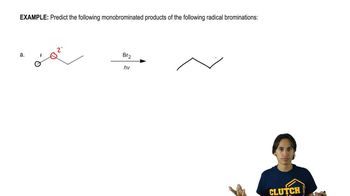
  • Predict the Product.
    00:48
  • Predict the Product.
    01:02
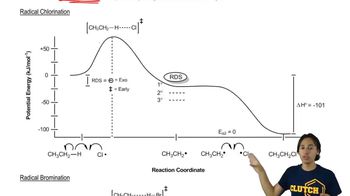
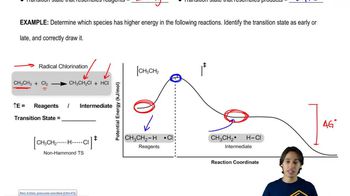
  • Using the Hammond Postulate to describe radical chlorination.
    03:03
Hammond Postulate

  • Defining the Hammond Postulate.
    01:30
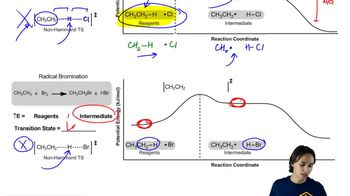
  • Bromination explains the Hammond Postulate.
    02:58
  • Chlorination explains the Hammond Postulate.
    05:23

Alcohol Synthesis

  • Forming alcohols through SN2 reactions.
    01:44
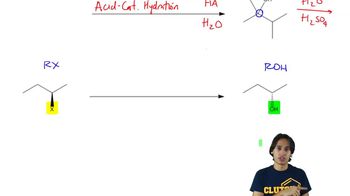
  • Forming alcohols through Acid-Catalyzed Hydration.
    02:02
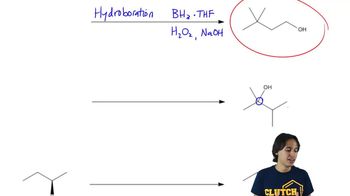
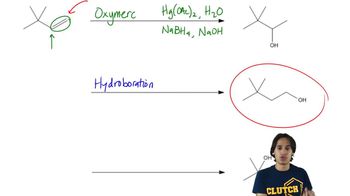
  • Forming alcohols through Hydroboration-Oxidation.
    01:37

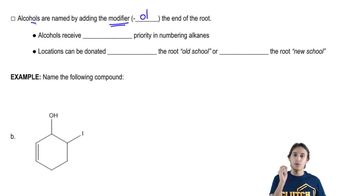
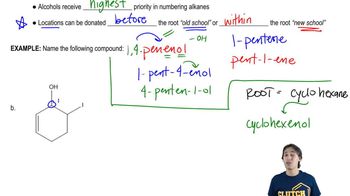
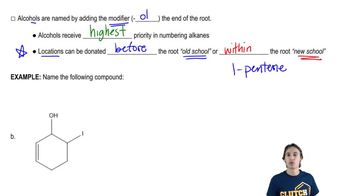
Naming Alcohols

  • How to name alcohols
    01:01
  • Name the following compound
    03:59
  • Old school vs. new school naming
    03:03

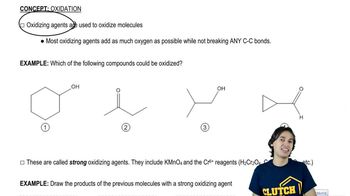
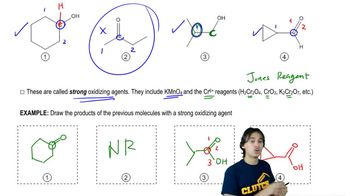
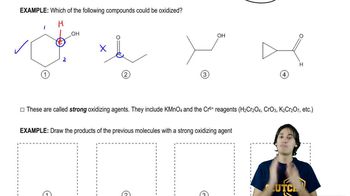
Oxidation of Alcohols

  • Reagents
    01:52
  • Strong oxidizing agents
    05:53
  • Strong oxidizing agents
    03:40

Grignard Reaction

  • Reactions of Organometallics
    13:40

Nucleophilic Substitution

  • Predict the product
    05:55
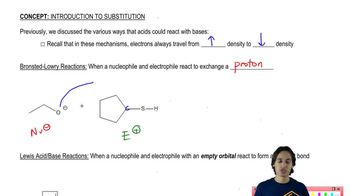
  • Nucleophiles and Electrophiles can react in Bronsted-Lowry Reactions.
    05:01
  • Nucleophiles and Electrophiles can react in Substitution Reactions.
    01:47

Leaving Groups

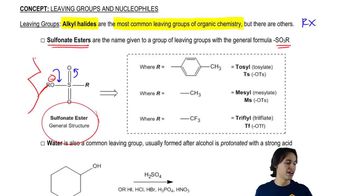
  • The 3 important leaving groups to know.
    07:22

Leaving Group Conversions - Using HX

  • Why do we need to convert Alcohol into a good leaving group?
    02:03
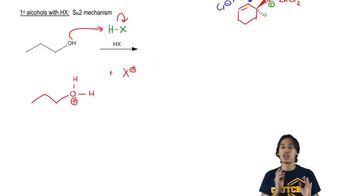
  • Using HX acids via SN2 reaction.
    02:16
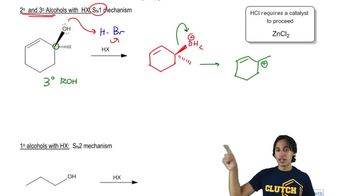
  • Using HX acids via SN1 reaction.
    07:20

Leaving Group Conversions - SOCl2 and PBr3

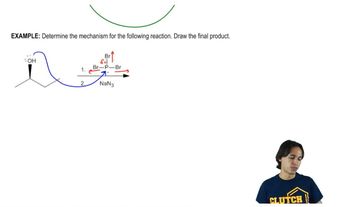
  • Predict the mechanism of PBr3, and draw the final product.
    06:01
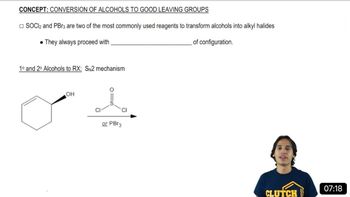
  • Learning the mechanism of SOCl2.
    07:18

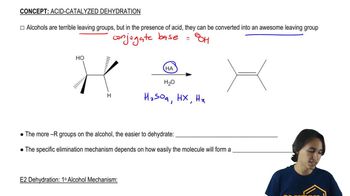
Dehydration Reaction

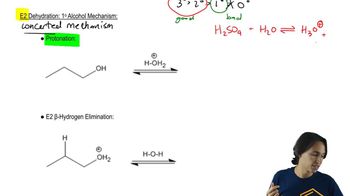
  • Dehydration of 1° alcohols:The E2 Mechanism
    05:20
  • An extra note of caution with 1° alcohols.
    01:06
  • General features of acid-catalyzed dehydration.
    06:01