Back

Organic Compounds and Structures: Foundations of Organic Chemistry

Study Guide - Learn with Videos

Curated lessons matched to your uploaded material – learn every topic step by step.

What is Organic Chemistry?

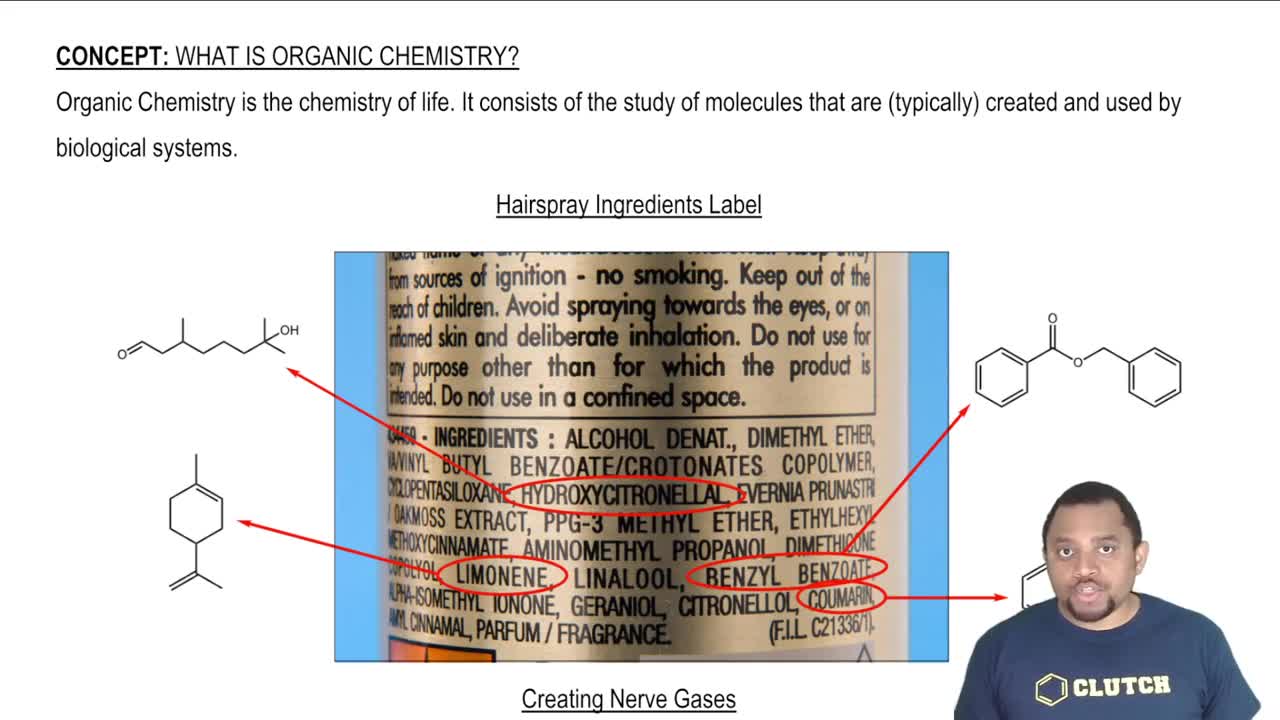
  • Organic molecules in your everyday life.
    02:08
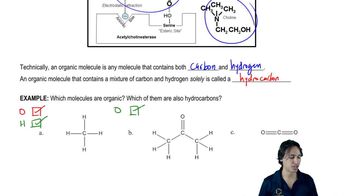
  • Identifying organic molecules
    02:17

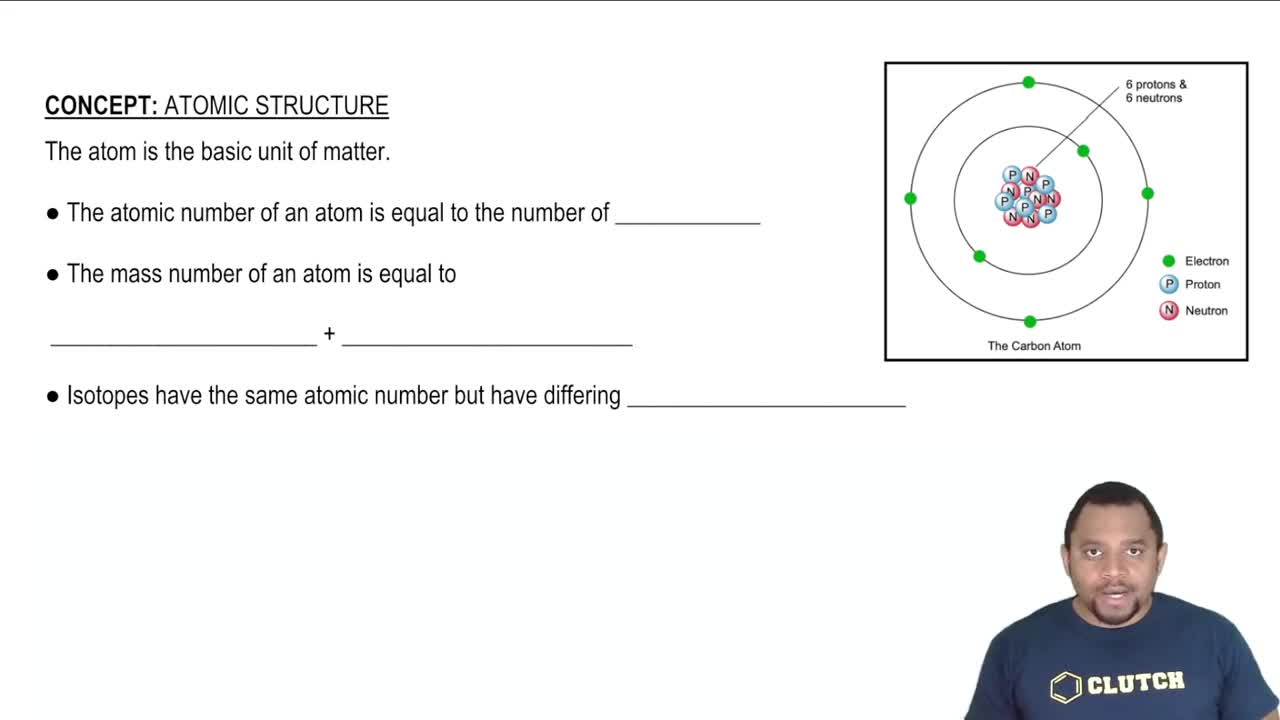
Atomic Structure

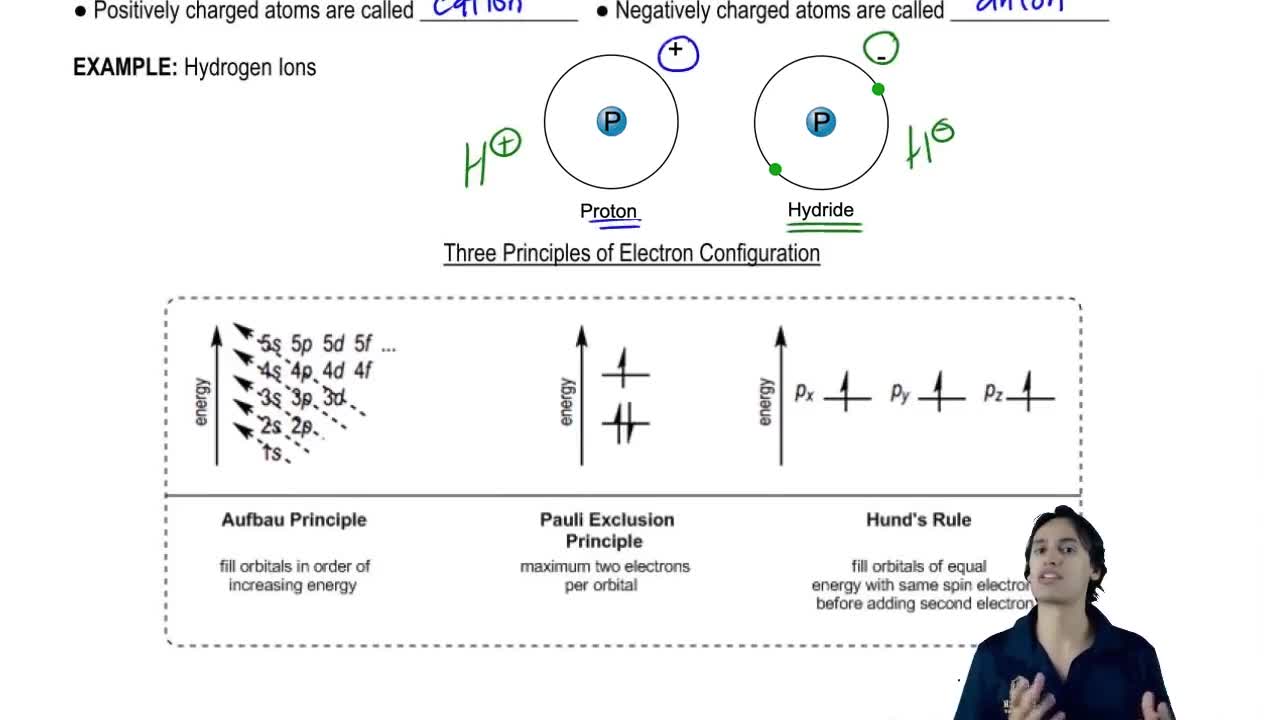
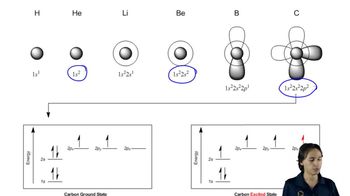
  • Three rules about orbitals you need to know.
    02:54
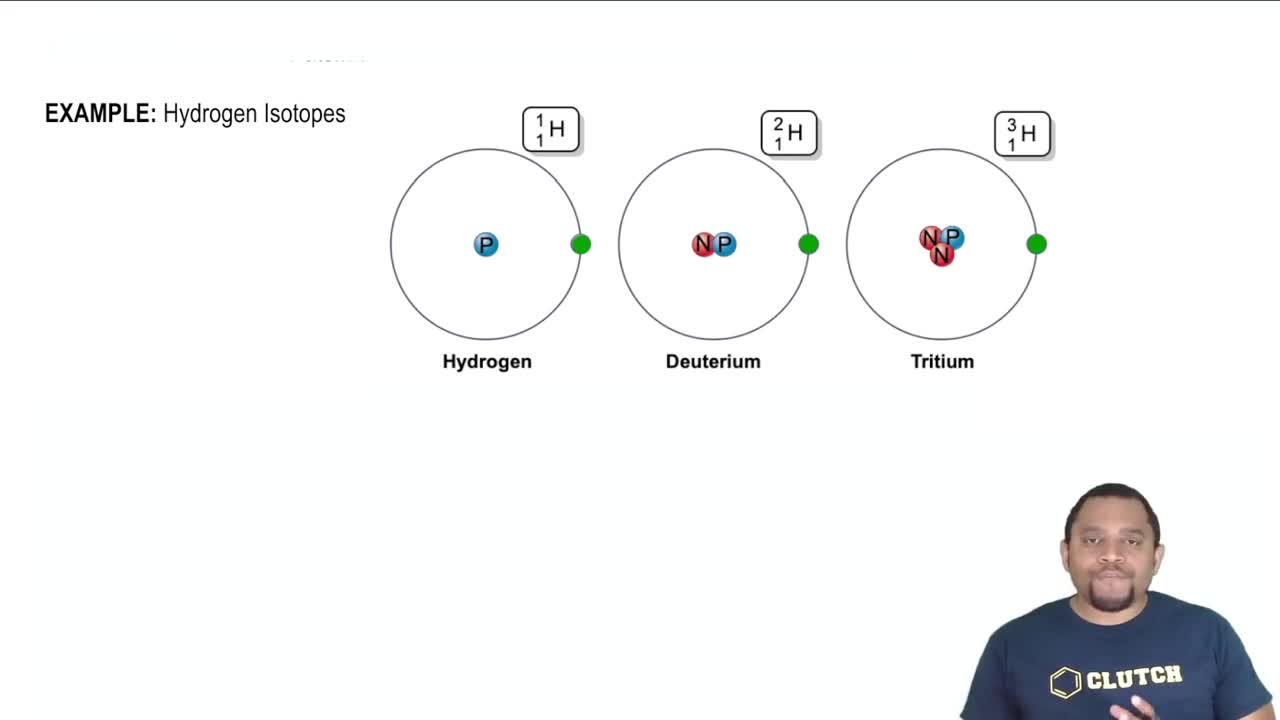
  • Understanding the hydrogen isotopes.
    03:06
  • The difference between atomic numbers and atomic mass.
    01:44

Sigma and Pi Bonds

  • Single bonds, double bonds, and triple bonds.
    06:00
  • Sigma bonds and pi bonds
    01:05
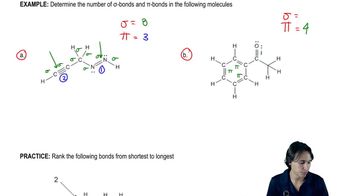
  • Sigma bonds and pi bonds
    00:59

Hybridization

  • How carbon creates 4 partially-filled orbitals.
    02:53
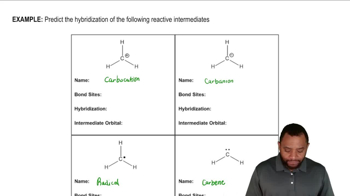
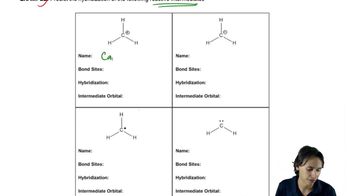
  • Bond sites, hybridization, and intermediate orbitals
    04:58
  • Introduction to the reactive intermediates.
    02:47

Functional Groups

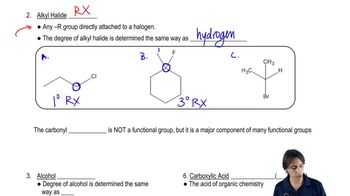
  • Assigning Degrees to Alkyl Halides
    01:30
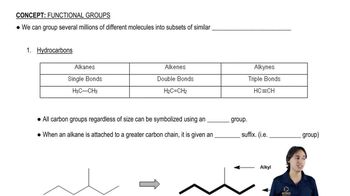
  • Why we need functional groups.
    01:49
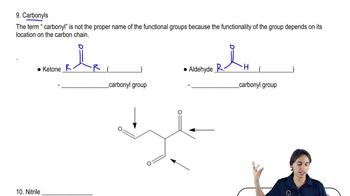
  • The difference between aldehydes and ketones.
    03:08
Lewis Structure

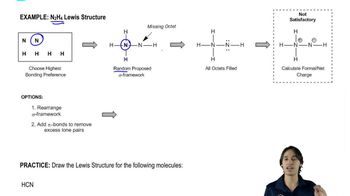
  • Drawing the Lewis Structure for N2H4.
    04:12
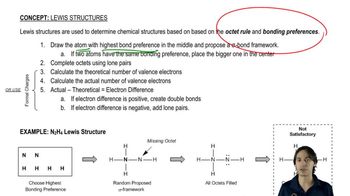
  • How to use Organic Chemistry to make Lewis Structures easier.
    03:49

Constitutional Isomers

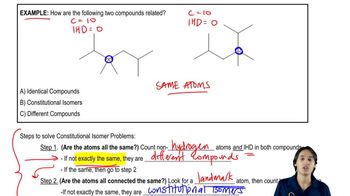
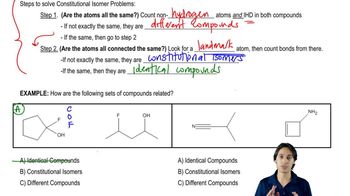
  • Isomeric Relationships
    03:28
  • Using the flowchart to determine isometric relationships.
    05:02
  • Isomeric Relationships
    02:56

Alkane Nomenclature

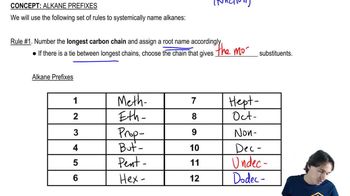
  • Naming the root chain
    01:02
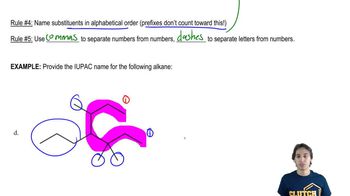
  • Provide the IUPAC name for the following alkane
    07:08
  • The different parts of an IUPAC name
    03:43

Alkyl Groups

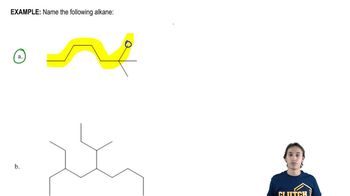
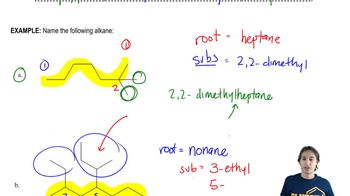
  • Name the following alkane
    02:33
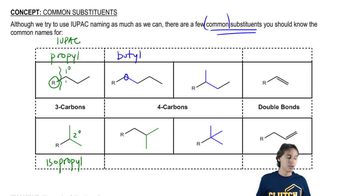
  • Understanding Non-IUPAC Substituents
    06:42
  • Name the following alkane
    03:56

Skeletal Structure

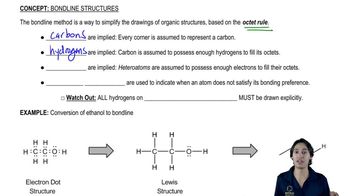
  • How bondline is different from Lewis Structures.
    04:03
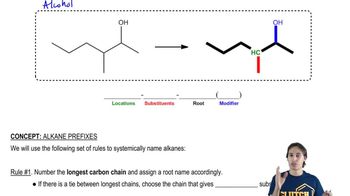
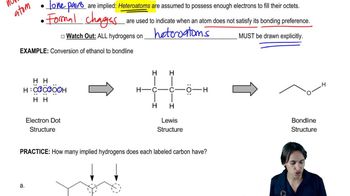
  • Conversion of ethanol from electron dot to bondline
    01:50

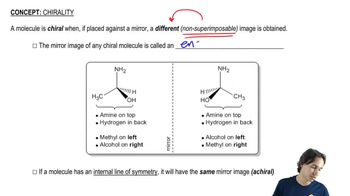
Chirality

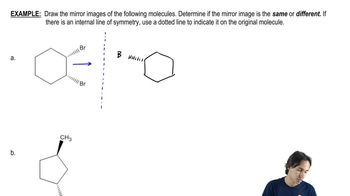
  • Drawing Mirror Images and Determining Chirality
    03:24
  • What is chirality?
    05:10
  • Drawing Mirror Images and Determining Chirality
    03:44

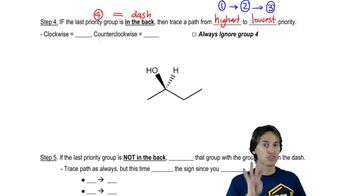
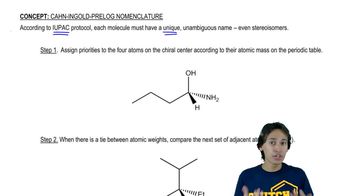
Cahn-Ingold-Prelog Nomenclature

  • R and S Naming- Step 4
    03:07
  • Why stereoisomers need their own naming system.
    01:48
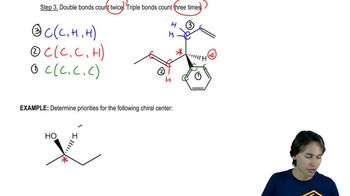
  • Determining Priorities
    01:19

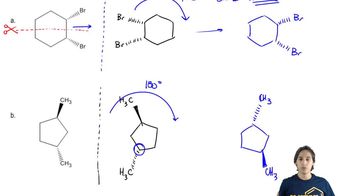
Meso Compounds

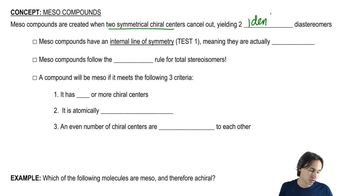
  • Defining meso compounds.
    01:40
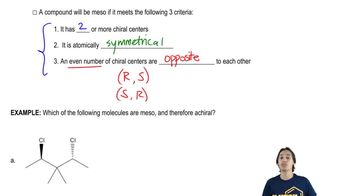
  • The 3 rules of meso compounds.
    04:10
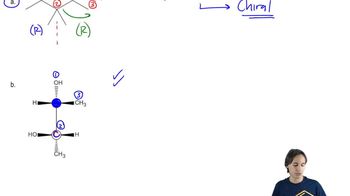
  • Which of the following molecules are meso?
    03:44

Cis vs Trans

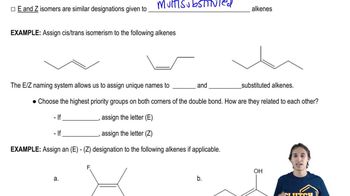
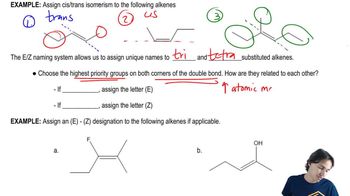
  • Why we need to use the E/Z naming system
    02:07
  • What does E and Z stand for?
    00:50
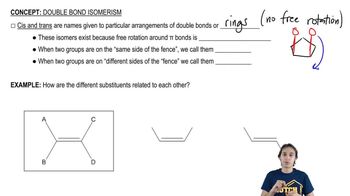
  • How to name different types of double bonds or rings
    04:28