Back

Spectroscopy, Conjugation, and Aromatic Chemistry: Exam 1 Study Guide

Study Guide - Learn with Videos

Curated lessons matched to your uploaded material – learn every topic step by step.

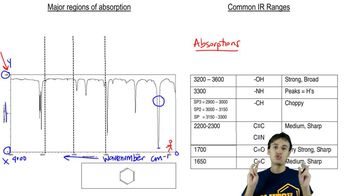
Infrared Spectroscopy

  • General Features of IR Spect
    16:04
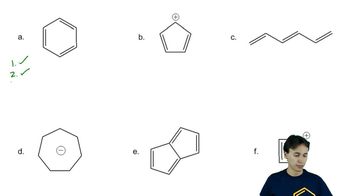
Mass Spectrometry

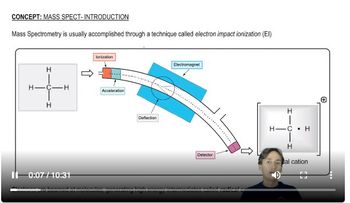
  • Equipment and Theory
    10:48
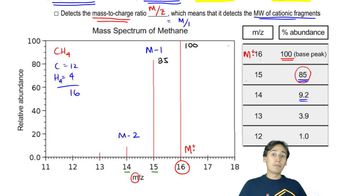
  • How to Read a Mass Spectrum
    01:25

Mass Spect:Fragmentation

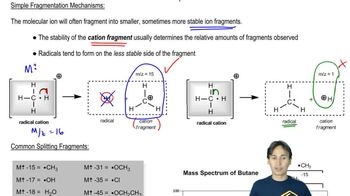
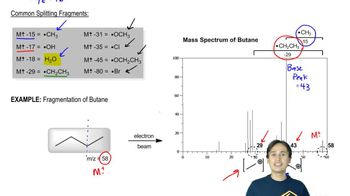
  • Simple Fragmentation Mechanisms
    12:08
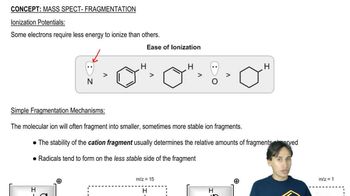
  • Ionization Potentials
    04:28
  • Clarification on the Base Peak
    01:27

Mass Spect:Isotopes

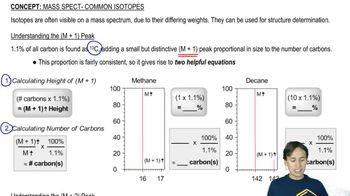
  • The (M + 1) Peak
    09:26
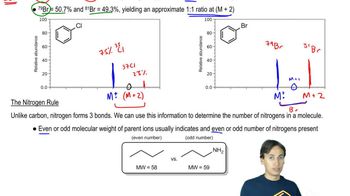
  • The Nitrogen Rule
    03:32
  • The (M + 2) Peak
    05:23

NMR Spectroscopy

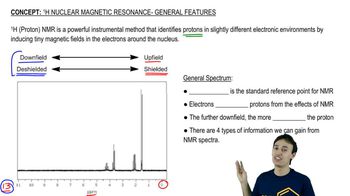
  • General NMR Features
    10:06

1H NMR:Number of Signals

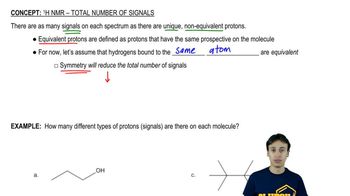
  • General Assumption for 1H NMR Signals
    04:35
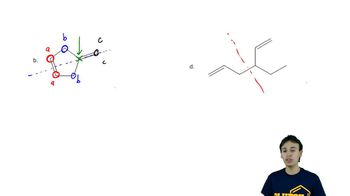
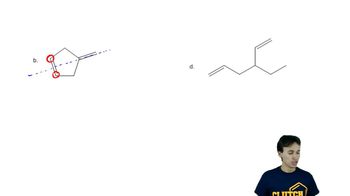
  • Identifying Proton Signals
    02:02
  • Identifying Proton Signals
    01:55

1H NMR:Spin-Splitting (N + 1) Rule

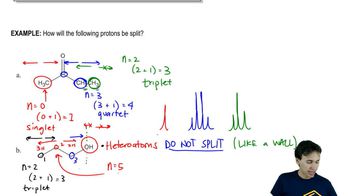
  • Splitting without J-values
    12:21
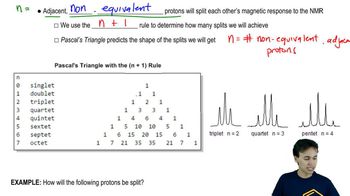
  • Proton Splitting
    03:

NMR Integration

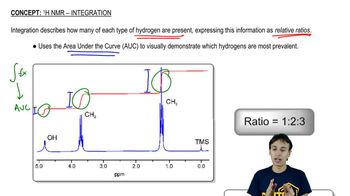
  • 1H NMR Integration
    06:46
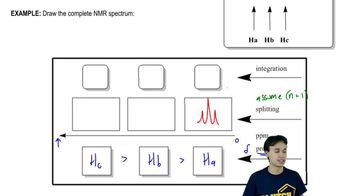
  • Draw Complete NMR Spectrum
    04:29

Conjugation Chemistry

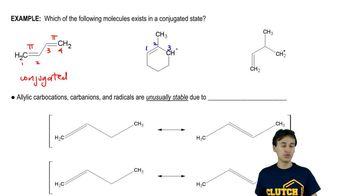
  • Conjugated states
    03:27
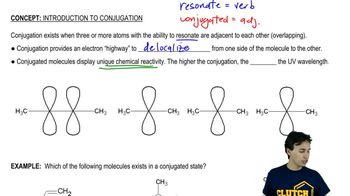
  • Definition of Conjugation
    05:29
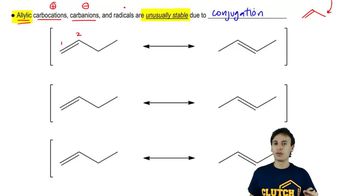
  • Review of Common Resonance Structures
    04:50

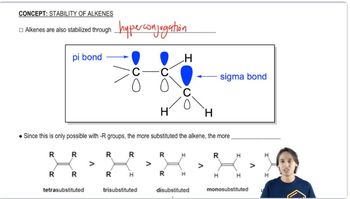
Alkene Stability

  • Heat of Combustion
    02:55
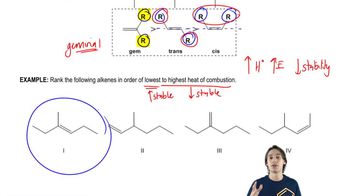
  • Understanding trends of alkene stability.
    04:28

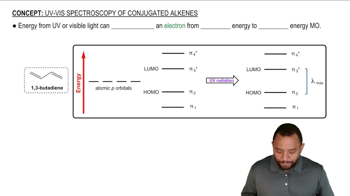
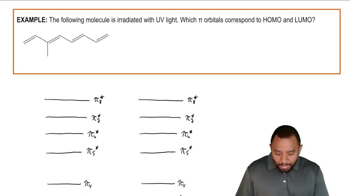
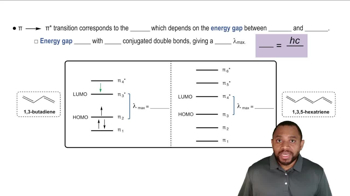
UV-Vis Spectroscopy of Conjugated Alkenes

  • Guided course
    UV-Vis Spectroscopy of  Conjugated Alkenes Concept 1
    1:56
  • Guided course
    UV-Vis Spectroscopy of  Conjugated Alkenes Example 1
    1:33
  • Guided course
    UV-Vis Spectroscopy of  Conjugated Alkenes Concept 2
    3:17

Addition Reaction

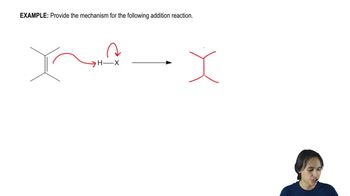
  • Provide the mechanism
    01:15
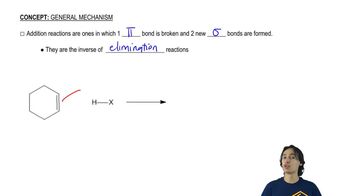
  • Features of Addition Mechanisms.
    05:39

Aromaticity

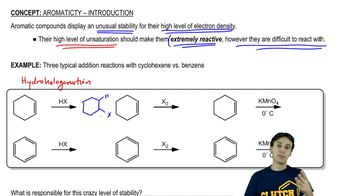
  • Intro to Aromaticity
    08:19

Naming Benzene Rings

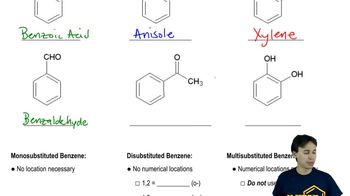
  • Benzene Nomenclature
    09:04
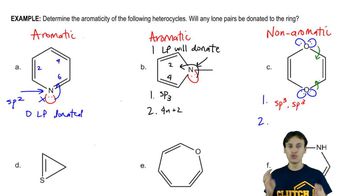
Huckel's Rule

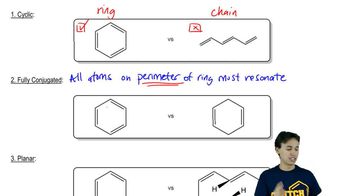
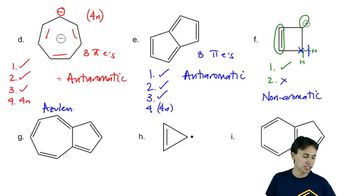
  • Four tests
    10:23

Pi Electrons

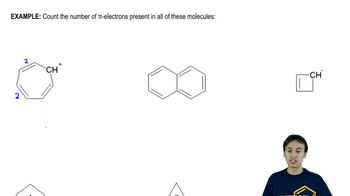
  • Count the pi electrons present
    00:19
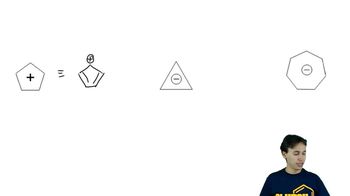
  • Count the pi electrons present
    00:12
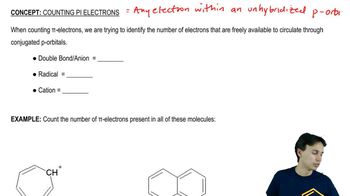
  • Counting pi electrons
    01:33

Aromatic Hydrocarbons

  • Determine the aromaticity
    00:39
  • Determine the aromaticity
    01:06
  • Determine the aromaticity
    02:58

Aromatic Heterocycles

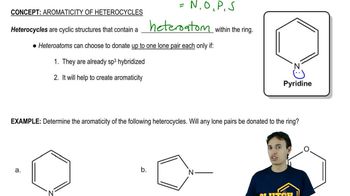
  • Determine heterocycle aromaticity
    03:21
  • Heteroatoms
    03:21
  • Determine heterocycle aromaticity
    00:56

Nomenclature of Heterocycles

  • Guided course
    Nomenclature of Heterocycles Concept 1
    2:06
  • Guided course
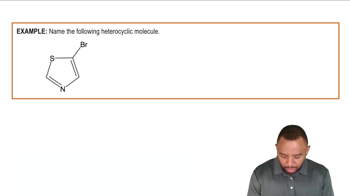
    Nomenclature of Heterocycles Example 1
    0:50
  • Guided course
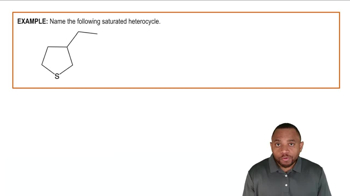
    Nomenclature of Heterocycles Example 2
    1:13

Electrophilic Aromatic Substitution

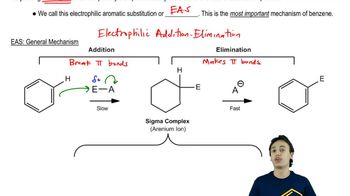
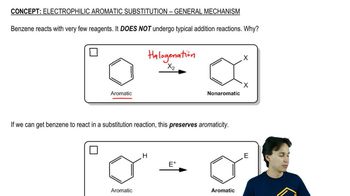
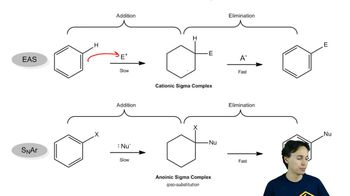
  • EAS General Mechanism
    06:52
  • EAS Review
    03:07

EAS:Halogenation Mechanism

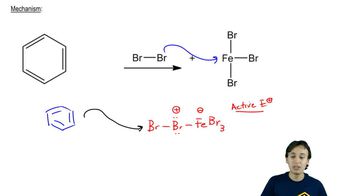
  • EAS Halogenation
    06:26

EAS:Nitration Mechanism

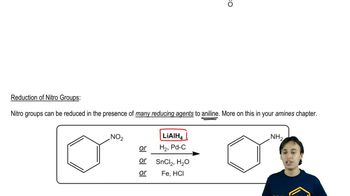
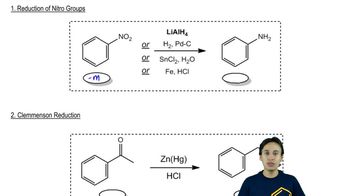
  • Reduction of Nitro Groups
    03:23
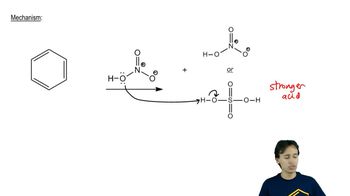
  • EAS Nitration
    06:09

EAS:Friedel-Crafts Alkylation Mechanism

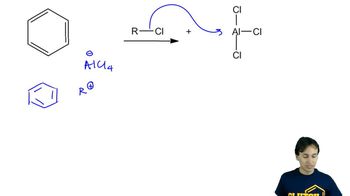
  • Friedel-Crafts Alkylation
    06:30

EAS:Friedel-Crafts Acylation Mechanism

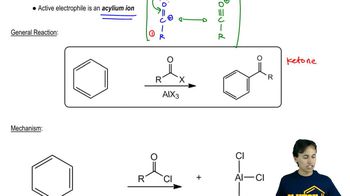
  • Friedel-Crafts Acylation
    05:20

EAS:Any Carbocation Mechanism

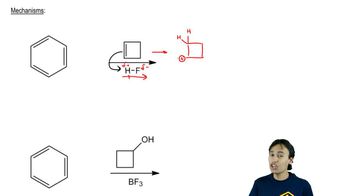
  • Any Carbocation
    07:21

Electron Withdrawing Groups

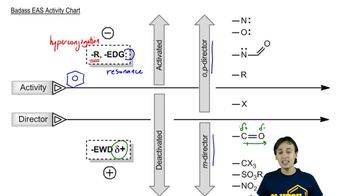
  • Badass Activity Chart
    11:55
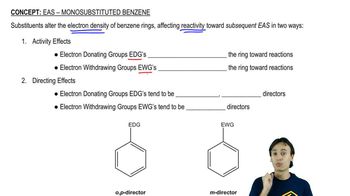
  • Activity and Directing Effects
    04:29

EAS:Ortho vs. Para Positions

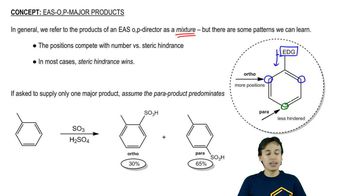
  • Ortho, Para major products
    04:42

Acylation of Aniline

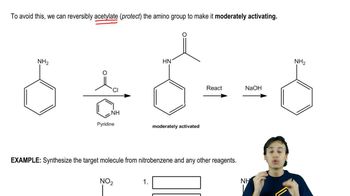
  • Protection of Aniline Derivatives
    05:15
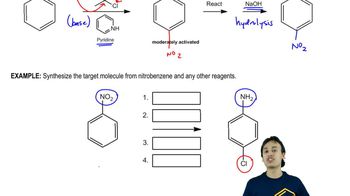
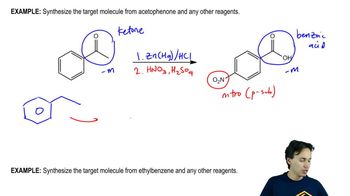
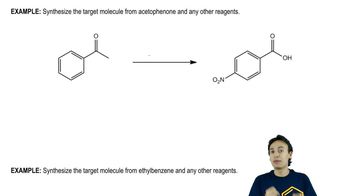
  • Synthesize the target molecule
    03:46

Limitations of Friedel-Crafts Alkyation

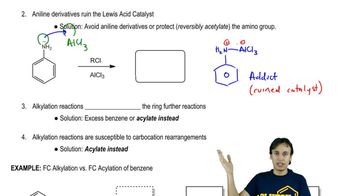
  • Limitations
    10:14
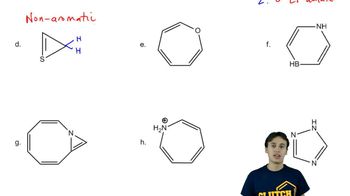
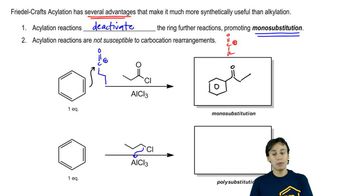
Advantages of Friedel-Crafts Acylation

  • Advantages
    06:05

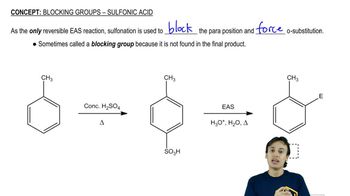
Blocking Groups - Sulfonic Acid

  • Forcing Ortho substitution
    04:33
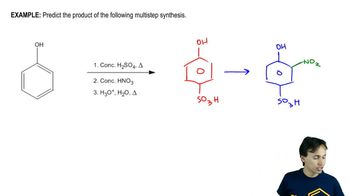
  • Multistep Synthesis
    02:15

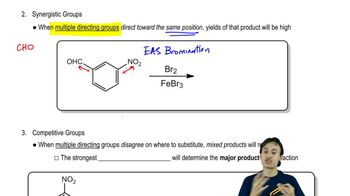
EAS:Synergistic and Competitive Groups

  • EAS with Polysubstituted Benzene
    08:48

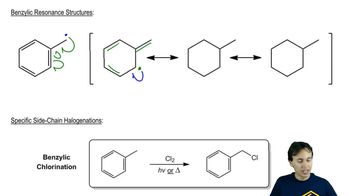
Side-Chain Halogenation

  • Side-Chain Halogenations
    06:14

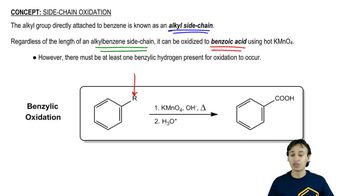
Side-Chain Oxidation

  • Benzylic Oxidation
    03:20
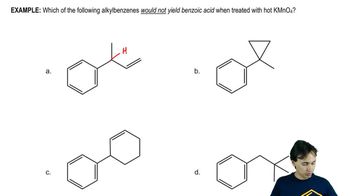
  • Which alkylbenzene would NOT yield benzoic acid, treated with KMnO4
    00:49

Reactions at Benzylic Positions

  • Guided course
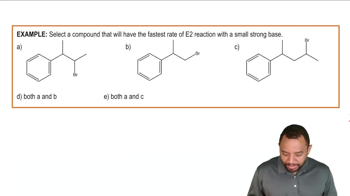
    Reactions at Benzylic Positions Example 3
    1:12
  • Guided course
    Reactions at Benzylic Positions Example 2
    2:03
  • Guided course
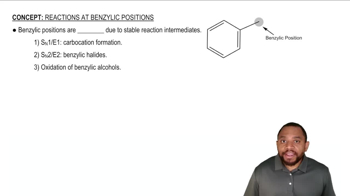
    Reactions at Benzylic Positions Concept 1
    1:01

EAS:Sequence Groups

  • Sequence Groups
    04:42

EAS:Retrosynthesis

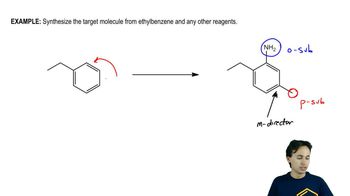
  • Synthesize the target molecule
    02:45
  • Aromatic synthesis starting with benzene/benzene derivatives
    02:49
  • Synthesize the target molecule
    05:21

Nucleophilic Aromatic Substitution

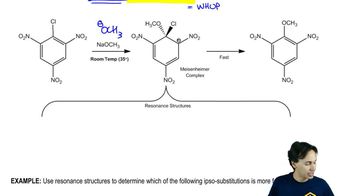
  • The Meisenheimer Complex
    06:23
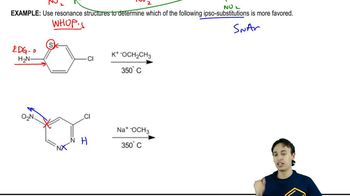
  • Which ipso-substitution is more favored
    03:30
  • General Mechanism
    06:45

Benzyne

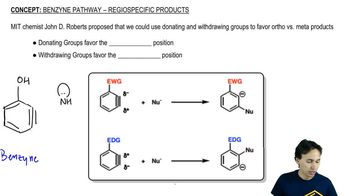
  • Regiospecificity
    03:20
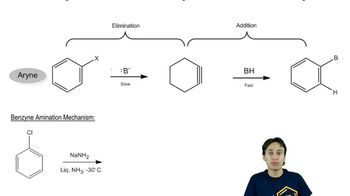
  • General Mechanism
    06:06
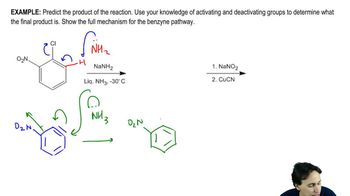
  • Activating and deactivating groups
    03:27