Back

Summary of Key Organic Chemistry Reactions: Substitution, Elimination, Addition, and Radical Mechanisms

Study Guide - Learn with Videos

Curated lessons matched to your uploaded material – learn every topic step by step.

Summary

  • Resonance Structures
    3:09
  • Hybridization
    3:24
  • Introduction to General Chemistry Review
    00:28

Nucleophilic Substitution

  • Predict the product
    05:55
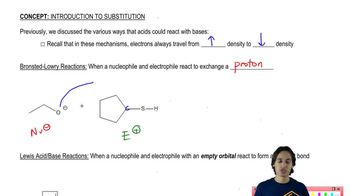
  • Nucleophiles and Electrophiles can react in Bronsted-Lowry Reactions.
    05:01
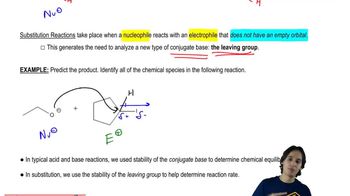
  • Nucleophiles and Electrophiles can react in Substitution Reactions.
    01:47

E2 Mechanism

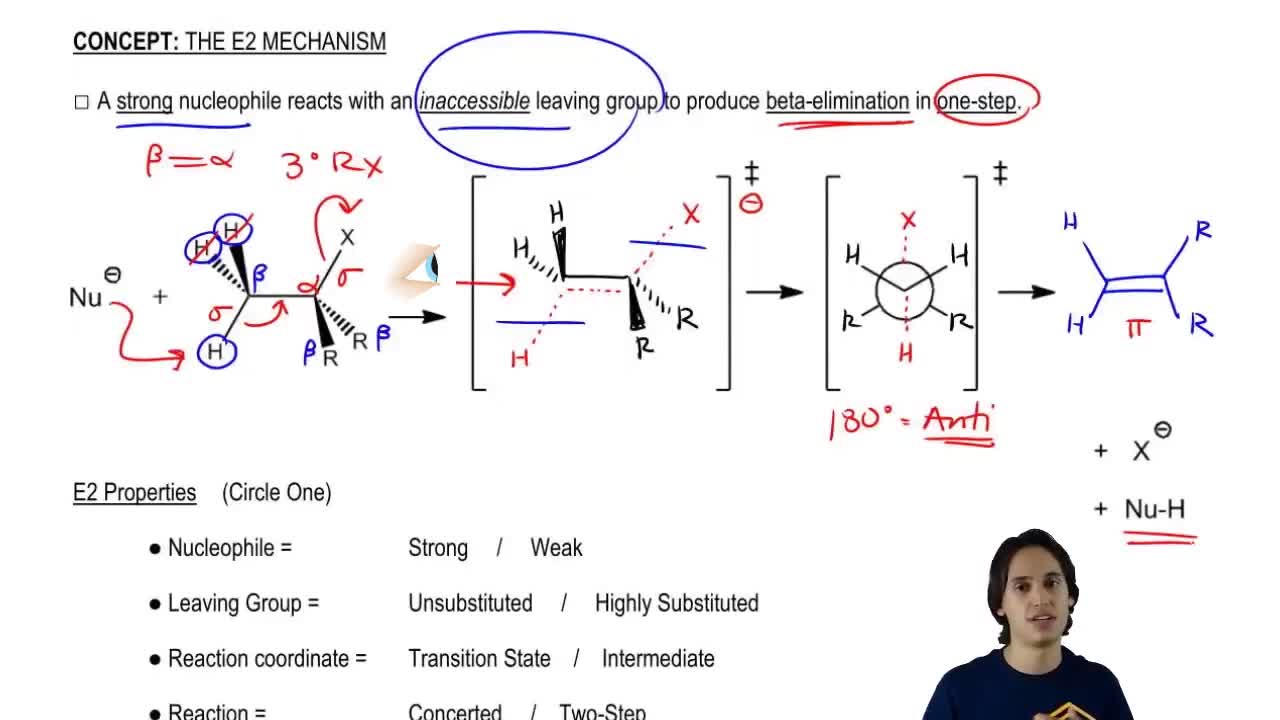
  • Understanding the properties of E2.
    04:42
  • Drawing the E2 Mechanism.
    09:36
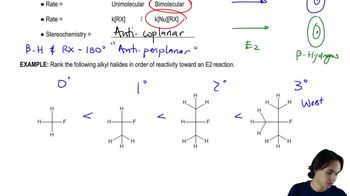
  • Rank reactivity toward E2
    02:03

Addition Reaction

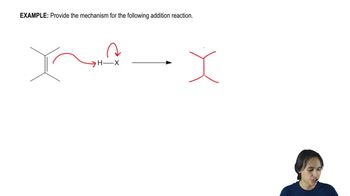
  • Provide the mechanism
    01:15
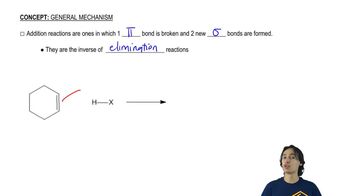
  • Features of Addition Mechanisms.
    05:39

Markovnikov

  • Provide the mechanism
    01:26
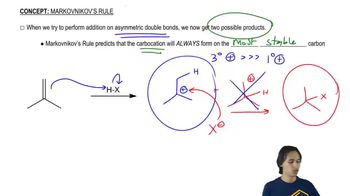
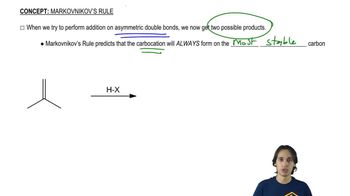
  • How to add to asymmetrical double bonds.
    03:38

Hydrohalogenation

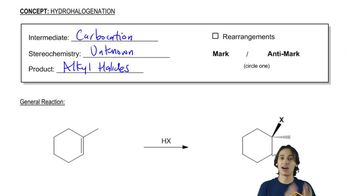
  • General properties of hydrohalogenation.
    04:07
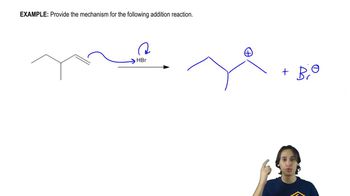
  • Provide the mechanism
    02:24

Acid-Catalyzed Hydration

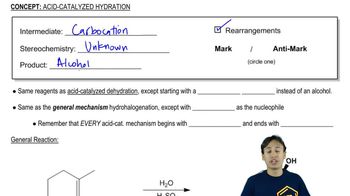
  • General properties of acid-catalyzed hydration.
    06:32
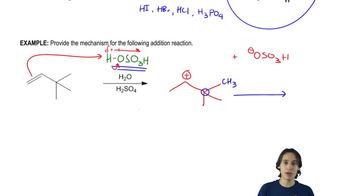
  • Acid-catalyzed hydration mechanism
    06:34

Hydroboration

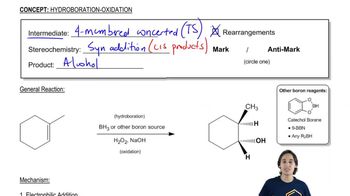
  • General properties of hydroboration-oxidation.
    06:38
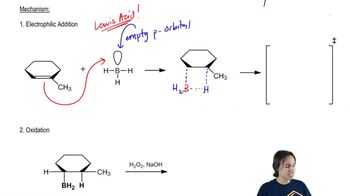
  • Acid-catalyzed hydroboration-oxidation mechanism
    06:14

Hydrogenation

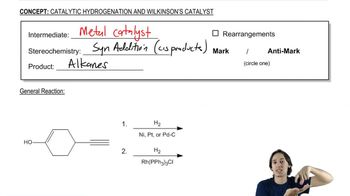
  • General properties of catalytic hydrogenation.
    05:21

Halogenation

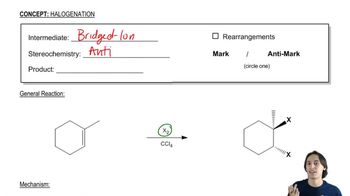
  • Halogenation Mechanism
    03:45
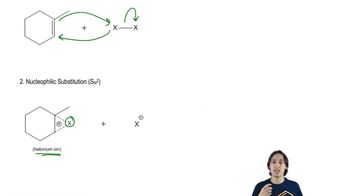
  • General properties of halogenation.
    02:27

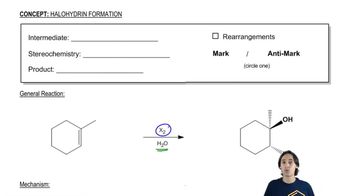
Halohydrin

  • Halohydrin Mechanism
    04:48
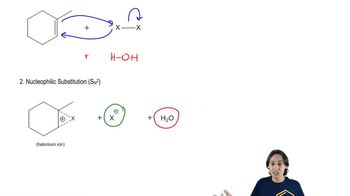
  • General properties of halohydrin formation.
    01:44

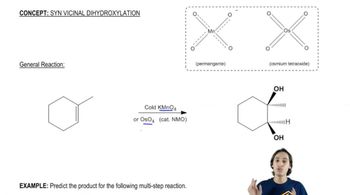
Dihydroxylation

  • General properties of syn vicinal dihydroxylation.
    03:50
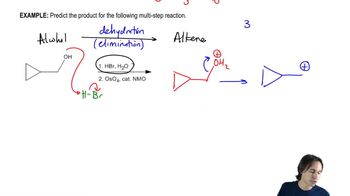
  • Predict the product for the following multi-step reaction.
    04:42

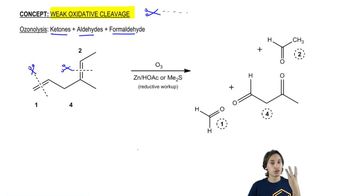
Ozonolysis

  • General properties of ozonolysis.
    06:30

Radical Reaction

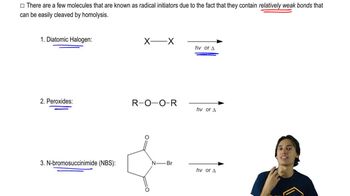
  • What are Radical Initiators?
    03:49
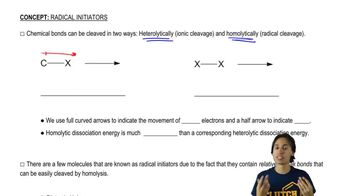
  • Heterolytic vs. Homolytic Bond Cleavage .
    04:39

Free Radical Halogenation

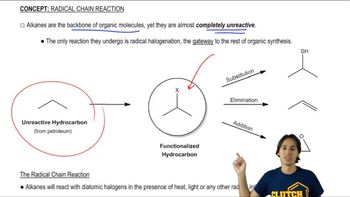
  • The one reaction that alkanes will actually undergo.
    02:05
  • Explaining the following problem.
    00:34
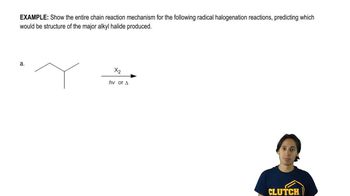
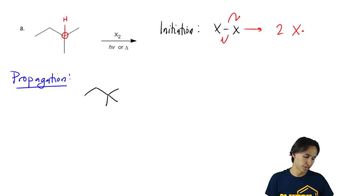
  • Show the entire chain reaction mechanism.
    04:08

Radical Selectivity

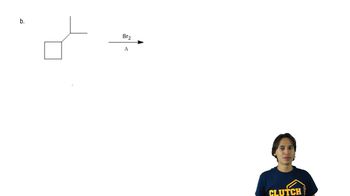
  • Predict the Product.
    00:48
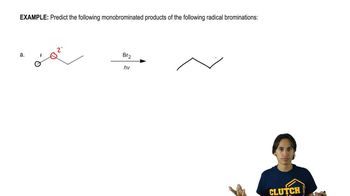
  • Predict the Product.
    01:02
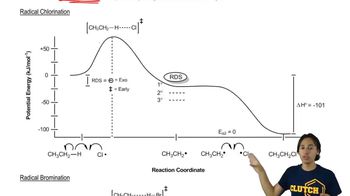
  • Using the Hammond Postulate to describe radical chlorination.
    03:03