
Pearson+ LogoPearson+ Logo
Ch. 12 DNA Technology and Genomics
Taylor - Campbell Biology: Concepts & Connections 10th Edition
Taylor, Simon, Dickey, Hogan10th EditionCampbell Biology: Concepts & ConnectionsISBN: 9780136538783Not the one you use?Change textbook
Chapter 12, Problem 14

In the not-too-distant future, gene therapy may be an option for the treatment and cure of some inherited disorders. What do you think are the most serious ethical issues that must be dealt with before human gene therapy is used on a large scale? Why do you think these issues are important?

Verified step by step guidance
1
Identify the potential risks and benefits of gene therapy. Consider how gene therapy can potentially cure genetic disorders but also the risks it may pose to the patient's health due to unforeseen side effects or immune reactions.
Consider the issue of consent. It's crucial to ensure that patients or guardians are fully informed about the gene therapy process, risks, benefits, and alternatives before consenting to treatment.
Discuss the potential for genetic inequality. Reflect on how access to gene therapy might be limited to certain socio-economic groups, potentially leading to increased health disparities.
Evaluate the potential for unintended long-term effects and germline transmission. Consider how changes made to an individual's genome could be passed on to future generations, potentially affecting the gene pool.
Address the moral and ethical implications of 'playing God' with human genetics. Deliberate on the ethical considerations of altering human genetics and how this power should be regulated to prevent misuse.

Verified video answer for a similar problem:

This video solution was recommended by our tutors as helpful for the problem above.
Video duration:
1m
Was this helpful?

Key Concepts

Here are the essential concepts you must grasp in order to answer the question correctly.

Gene Therapy

Gene therapy involves the alteration of genes within an individual's cells to treat or prevent disease. This can include replacing, inactivating, or introducing genes to correct genetic disorders. Understanding the mechanisms and potential applications of gene therapy is crucial for evaluating its ethical implications.
Recommended video:
Guided course
05:02
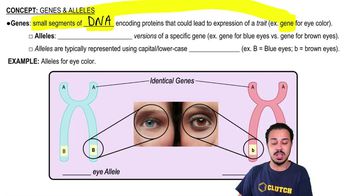
Genes & Alleles

Ethical Considerations

Ethical considerations in gene therapy encompass issues such as consent, equity, and the potential for unintended consequences. These concerns arise from the profound implications of altering human genetics, including the risk of exacerbating social inequalities or creating 'designer babies.' Addressing these ethical dilemmas is essential to ensure responsible use of this technology.

Regulatory Framework

A regulatory framework is necessary to govern the research, development, and application of gene therapy. This includes guidelines for clinical trials, safety assessments, and post-treatment monitoring. A robust regulatory system helps to ensure that gene therapy is conducted ethically and safely, protecting patients and society from potential risks.
Recommended video:
Guided course
01:09
Introduction to Population Growth Models
Related Practice
Textbook Question

Explain how you might engineer E. coli to produce human growth hormone (HGH) using the following: E. coli containing a plasmid, DNA carrying the gene for HGH, DNA ligase, a restriction enzyme, equipment for manipulating and growing bacteria, a method for extracting and purifying the hormone, and an appropriate DNA probe. (Assume that the human HGH gene lacks introns.)

1768
views
Textbook Question
What is left for genetic researchers to do now that the Human Genome Project has determined nearly complete nucleotide sequences for all of the human chromosomes? Explain.
794
views
Textbook Question
Today, it is fairly easy to make transgenic plants and animals. What are some important safety and ethical issues raised by this use of recombinant DNA technology? What are some of the possible dangers of introducing genetically engineered organisms into the environment? What are some reasons for and against leaving decisions in these areas to scientists? To business owners and executives? What are some reasons for and against more public involvement? How might these decisions affect you? How do you think these decisions should be made?
1266
views
Textbook Question

The possibility of extensive genetic testing raises questions about how personal genetic information should be used. For example, should employers or potential employers have access to such information?

874
views
Textbook Question

The possibility of extensive genetic testing raises questions about how personal genetic information should be used. Should the information be available to insurance companies? Why or why not?

817
views
Textbook Question

The possibility of extensive genetic testing raises questions about how personal genetic information should be used. Is there any reason for the government to keep genetic files?

735
views