
Pearson+ LogoPearson+ Logo
Ch. 12 DNA Technology and Genomics
Taylor - Campbell Biology: Concepts & Connections 10th Edition
Taylor, Simon, Dickey, Hogan10th EditionCampbell Biology: Concepts & ConnectionsISBN: 9780136538783Not the one you use?Change textbook
Chapter 12, Problem 18

The fruits of wild species of tomato are tiny compared with the giant beefsteak tomatoes available today. This difference in fruit size is almost entirely due to the larger number of cells in the domesticated fruits. Plant biologists have recently discovered genes that are responsible for controlling cell division in tomatoes.
Why would such a discovery be important to producers of other kinds of fruits and vegetables?
To the study of human development and disease?
To our basic understanding of biology?

Verified step by step guidance
1
Understand the context: The problem highlights the discovery of genes responsible for controlling cell division in tomatoes, which has implications for agriculture, human biology, and basic biological research. The goal is to explore why this discovery is significant in these areas.
Step 1: Relate the discovery to agricultural production. Explain that understanding the genes controlling cell division can help producers of other fruits and vegetables manipulate cell division to increase fruit or vegetable size, improve yield, and potentially enhance nutritional value.
Step 2: Connect the discovery to human development and disease. Discuss how studying genes that regulate cell division in plants can provide insights into similar processes in humans, as cell division is a fundamental biological process. Abnormal cell division is a hallmark of diseases like cancer, so this research could contribute to understanding and treating such conditions.
Step 3: Highlight the importance to basic biology. Emphasize that studying cell division in plants enhances our understanding of fundamental biological mechanisms, such as how cells grow, divide, and differentiate. These principles are universal and apply across many organisms, including humans.
Step 4: Discuss the broader implications. Explain that this discovery could lead to biotechnological advancements, such as genetically engineering crops for better productivity or developing medical therapies targeting cell division-related diseases. It also underscores the interconnectedness of plant and human biology.

Verified video answer for a similar problem:

This video solution was recommended by our tutors as helpful for the problem above.
Video duration:
1m
Was this helpful?

Key Concepts

Here are the essential concepts you must grasp in order to answer the question correctly.

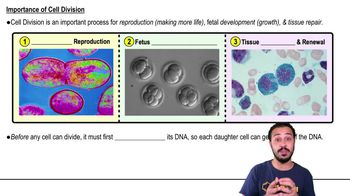
Cell Division

Cell division is the process by which a parent cell divides into two or more daughter cells. It is crucial for growth, development, and tissue repair in multicellular organisms. Understanding the mechanisms that regulate cell division can help explain how certain traits, such as fruit size in tomatoes, are inherited and can be manipulated in agricultural practices.
Recommended video:
Guided course
03:19
Importance of Cell Division

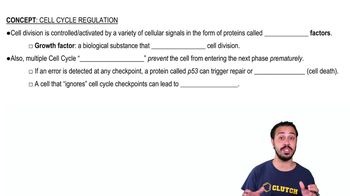
Genetic Regulation

Genetic regulation refers to the mechanisms that control the expression of genes, determining when and how much of a gene product is made. Discovering genes that influence cell division in tomatoes can lead to advancements in breeding techniques for other fruits and vegetables, allowing producers to enhance desirable traits such as size, yield, and disease resistance.
Recommended video:
Guided course
03:31
Cell Cycle Regulation

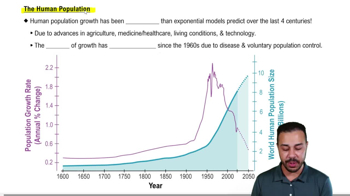
Applications in Human Biology

Research in plant biology, particularly in understanding cell division and genetic regulation, has implications for human biology. Insights gained can inform studies on human development, cancer, and genetic diseases, as similar cellular processes and regulatory mechanisms are often conserved across species, providing a model for understanding complex biological systems.
Recommended video:
Guided course
02:58
The Human Population