Pearson+ LogoPearson+ Logo
Ch. 48 - The Immune System in Animals
Freeman - Biological Science 7th Edition
Freeman7th EditionBiological ScienceISBN: 9783584863285Not the one you use?Change textbook
Chapter 48, Problem 11

<Image>
In developed countries, an enormous change has occurred within the human body over the past century—the loss of parasitic worms. Due to improvements in sanitation, roundworms that have inhabited human intestines (such as the hookworm above) and challenged our immune system for millions of years are no longer a threat. Does the end of this long-term relationship come at a cost?
What is the hygiene hypothesis? What correlation does it attempt to explain?

Verified step by step guidance
1
The hygiene hypothesis is a theory that suggests a lack of early childhood exposure to infectious agents, symbiotic microorganisms, and parasites increases susceptibility to allergic diseases by suppressing the natural development of the immune system.
This hypothesis attempts to explain the correlation between improved hygiene and the rise in autoimmune and allergic diseases in developed countries.
According to the hygiene hypothesis, exposure to certain infections and microorganisms during early childhood is crucial for the proper development of the immune system.
The hypothesis posits that without these exposures, the immune system may not learn to differentiate between harmful and harmless agents, leading to an increased risk of allergies and autoimmune diseases.
The hygiene hypothesis highlights the potential cost of improved sanitation and hygiene practices, suggesting that while they reduce the prevalence of infectious diseases, they may inadvertently contribute to the rise of immune-related conditions.

Verified video answer for a similar problem:

This video solution was recommended by our tutors as helpful for the problem above.
Video duration:
3m
Was this helpful?

Key Concepts

Here are the essential concepts you must grasp in order to answer the question correctly.

Hygiene Hypothesis

The hygiene hypothesis suggests that a lack of early childhood exposure to infectious agents, symbiotic microorganisms, and parasites increases susceptibility to allergic diseases by suppressing the natural development of the immune system. It posits that the modern emphasis on cleanliness and sanitation has reduced the diversity of microorganisms that the immune system encounters, potentially leading to an increase in autoimmune and allergic conditions.
Recommended video:
Guided course
08:22
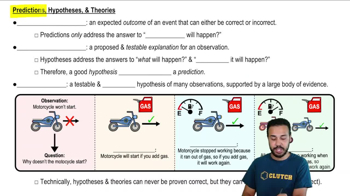
Predictions, Hypotheses, & Theories

Immune System Development

The immune system is a complex network of cells and proteins that defends the body against infection. Its development is influenced by exposure to various pathogens and microorganisms, which help train the immune system to distinguish between harmful and harmless agents. A lack of exposure to these agents, as suggested by the hygiene hypothesis, may lead to an improperly trained immune system, increasing the risk of allergies and autoimmune diseases.
Recommended video:
Guided course
09:19
Immune System

Parasitic Worms and Human Health

Parasitic worms, or helminths, have coexisted with humans for millions of years, playing a role in modulating the immune system. Their presence can help regulate immune responses, potentially reducing the incidence of autoimmune and allergic diseases. The loss of these parasites due to improved sanitation in developed countries may disrupt this balance, leading to an increase in such conditions, as the immune system may overreact to non-threatening substances.
Recommended video:
Guided course
02:58
The Human Population
Related Practice
Textbook Question

What would a vaccine have to contain to protect a patient from chicken pox? Explain why we don't have vaccines for HIV.

813
views
Textbook Question

Which of the following outcomes would be expected if somatic hypermutation did not occur?

a. The diversity of pattern-recognition receptors would be significantly lowered.

b. B and T lymphocytes would not be able to produce receptors that recognize antigens.

c. The adaptive immune response would not be activated by pathogens.

d. The secondary immune response to a repeat infection would produce the same antibodies as those made in the primary immune response.

715
views
Textbook Question

Propose a hypothesis to explain how self-reactive B cells are identified and eliminated during maturation.

614
views
Textbook Question

<Image>

In developed countries, an enormous change has occurred within the human body over the past century—the loss of parasitic worms. Due to improvements in sanitation, roundworms that have inhabited human intestines (such as the hookworm above) and challenged our immune system for millions of years are no longer a threat. Does the end of this long-term relationship come at a cost?

Explain how the adaptive and innate immune responses work together to defend the human body against infection by parasitic worms.

878
views
Textbook Question

<Image>

In developed countries, an enormous change has occurred within the human body over the past century—the loss of parasitic worms. Due to improvements in sanitation, roundworms that have inhabited human intestines (such as the hookworm above) and challenged our immune system for millions of years are no longer a threat. Does the end of this long-term relationship come at a cost?

Pattern-recognition receptors have been identified that recognize worm products. Explain how these receptors are used to activate the adaptive immune response most appropriate for worm infection.

963
views
Textbook Question

<Image>

In developed countries, an enormous change has occurred within the human body over the past century—the loss of parasitic worms. Due to improvements in sanitation, roundworms that have inhabited human intestines (such as the hookworm above) and challenged our immune system for millions of years are no longer a threat. Does the end of this long-term relationship come at a cost?

Parasitic worms modulate their host's immune response by inducing the proliferation of regulatory T cells. What role do these cells play in the adaptive immune response? How could this effect on regulatory T cells be linked to the hygiene hypothesis?

733
views