 Back
Cloning: Concepts, Methods, and Applications in Genetics
Study Guide - Smart Notes
 Tailored notes based on your materials, expanded with key definitions, examples, and context.
Cloning in Genetics
Introduction to Cloning
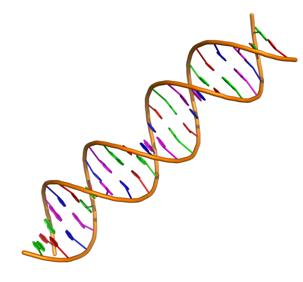
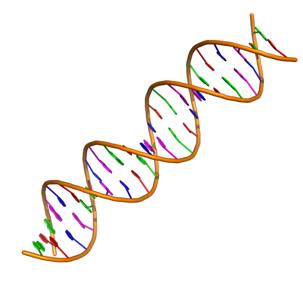
Cloning refers to a set of processes used to produce genetically identical copies of a biological entity. In genetics, cloning can involve organisms, cells, or genes, each with distinct methods and implications. The resulting copy, known as a clone, shares the same genetic makeup as the original.

Types of Cloning
Organism Cloning: Producing a whole organism genetically identical to the donor.
Cell Cloning: Creating populations of cells with identical genetic material.
Gene (DNA) Cloning: Making multiple copies of a specific gene or DNA segment.
Reproductive Cloning
Process of Reproductive Cloning
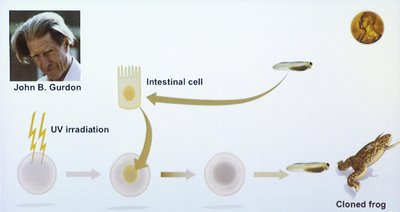
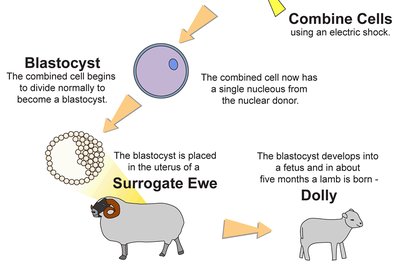
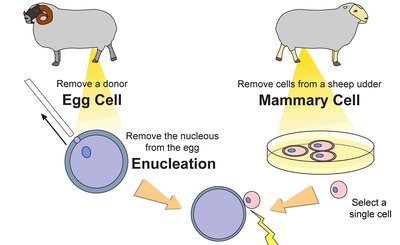
Reproductive cloning involves creating a genetically identical organism through somatic cell nuclear transfer (SCNT). This process was used to clone the first vertebrate and later mammals, such as Dolly the sheep.
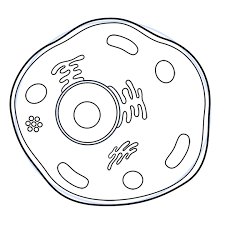
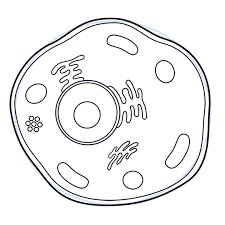
Somatic Cell Nuclear Transfer (SCNT): The nucleus from a somatic cell is transferred into an enucleated egg cell.
Development: The reconstructed egg develops into an embryo, which is implanted into a surrogate mother.
Result: The offspring is genetically identical to the nuclear donor.






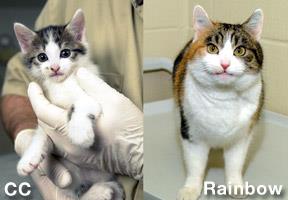
Examples of Reproductive Cloning
Frog (1952): First vertebrate cloned from somatic cells.
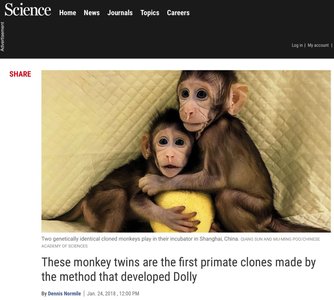
Sheep (1996): Dolly, the first mammal cloned from an adult cell.
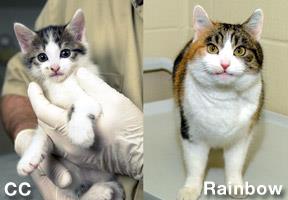
Other animals: Mouse, cow, goat, cat, rabbit, horse, rat, dog, primate.
Epigenetics and Cloning Outcomes
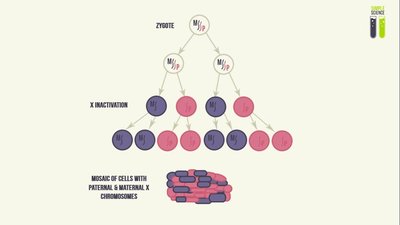
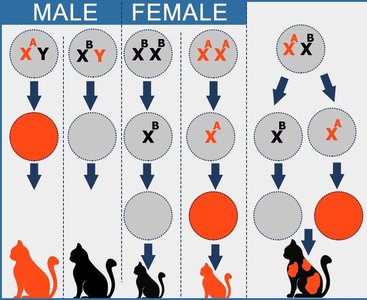
Even genetically identical clones can exhibit differences due to epigenetic processes, such as X-inactivation in female mammals. This can result in phenotypic variation, as seen in calico cats.
Epigenetics: Heritable changes in phenotype not caused by DNA sequence alterations.
X-inactivation: Random inactivation of one X chromosome in female mammals, leading to mosaicism.
Ethical Issues in Reproductive Cloning
Reproductive cloning of humans raises significant ethical concerns, including high rates of embryo loss, health problems in clones, and the impact on individual uniqueness. Most countries prohibit human reproductive cloning.
Embryo loss and deformities: Many embryos fail to develop or result in unhealthy offspring.
Health issues: Clones may suffer from premature aging and other health problems.
Ethical debate: Concerns about individuality and the value of human life.
Therapeutic Cloning
Process and Applications
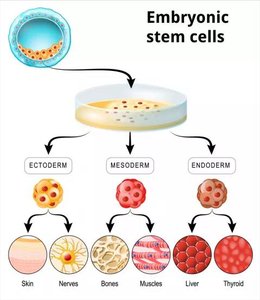
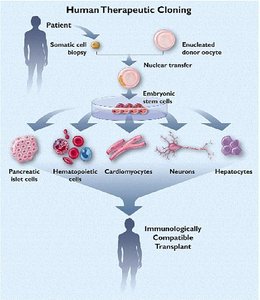
Therapeutic cloning aims to produce embryonic stem cells for medical treatments. These cells are pluripotent and can differentiate into any cell type, offering potential for regenerative medicine.
Stem cell therapy: Used to treat diseases such as diabetes, spinal cord injuries, and heart failure.
Immune compatibility: Using patient-derived stem cells reduces risk of immune rejection.
Ethical Issues in Therapeutic Cloning
Destruction of embryos: The process requires the destruction of early-stage embryos, raising moral concerns.
Legal restrictions: Some states and countries ban all forms of cloning, including therapeutic cloning.
Gene (DNA) Cloning
Overview and Steps
Gene cloning, or DNA cloning, is a molecular biology technique used to make many identical copies of a specific DNA segment. This is essential for gene analysis, diagnosis, and treatment.
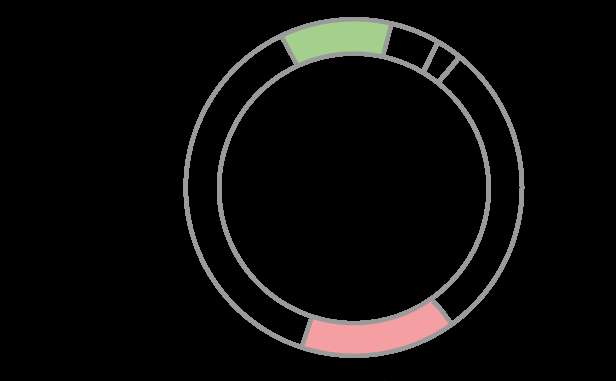
Insertion: The target gene is inserted into a plasmid vector.
Transformation: The plasmid is introduced into bacteria, which are selected using antibiotics.
Amplification: Bacteria with the plasmid replicate, producing more plasmid DNA.
Restriction Enzymes and Ligation
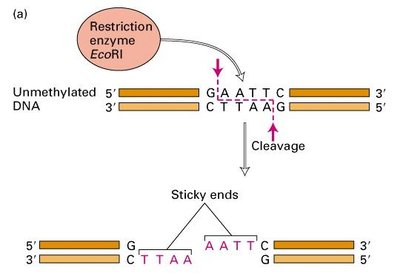
Restriction enzymes are proteins that cleave DNA at specific sequences, known as restriction sites. DNA ligase catalyzes the formation of phosphodiester bonds, joining DNA fragments.
Restriction site: Short DNA sequence recognized and cut by a restriction enzyme.
Sticky ends: Overhanging DNA ends that facilitate ligation.
Vector: Carrier DNA (often a plasmid) with restriction sites and selection markers.
Applications of DNA Cloning
Biopharmaceuticals: Production of insulin, human growth hormones, and mRNA vaccines.
Gene analysis: Studying gene function and regulation.
Gene therapy: Introducing fixed copies of genes to treat genetic disorders.
Basic research: Essential technique in molecular biology laboratories.
Summary Table: Types of Cloning
Type | Purpose | Method | Example |
|---|---|---|---|
Organism Cloning | Produce genetically identical animals | Somatic cell nuclear transfer | Dolly the sheep |
Therapeutic Cloning | Generate stem cells for treatment | Embryonic stem cell extraction | Stem cell therapy for diabetes |
Gene (DNA) Cloning | Copy specific genes for research/therapy | Plasmid insertion and bacterial amplification | Insulin production |
Key Terms and Concepts
Clone: A genetically identical copy of an organism, cell, or gene.
Somatic Cell Nuclear Transfer (SCNT): Method for organism cloning.
Epigenetics: Heritable changes in gene expression not due to DNA sequence.
X-inactivation: Random inactivation of one X chromosome in female mammals.
Plasmid: Circular DNA used as a vector in gene cloning.
Restriction Enzyme: Protein that cuts DNA at specific sites.
DNA Ligase: Enzyme that joins DNA fragments.
Stem Cell: Undifferentiated cell with potential to become various cell types.
Relevant Equations
Phosphodiester Bond Formation:
Restriction Enzyme Cleavage:
Sticky Ends:
Gene Cloning Steps:
Stem Cell Differentiation:
Additional info: Expanded explanations and context were added to clarify technical terms and processes for Genetics students. Images were included only when directly relevant to the adjacent content, as per instructions.
