 Back
BackDevelopmental Genetics: Gene Regulation, Stem Cells, and Pattern Formation
Study Guide - Smart Notes
 Tailored notes based on your materials, expanded with key definitions, examples, and context.
Developmental Genetics: Overview
Developmental genetics explores how genes control the growth, differentiation, and organization of cells into tissues and organisms. It highlights conserved mechanisms across species and investigates the genetic and epigenetic regulation of development, stem cell biology, and the consequences of gene defects.
Gene Regulation in Development
Spatiotemporal Gene Expression
Gene regulation determines which genes are expressed in specific tissues, at what times, and under what conditions. This regulation is crucial for proper development and differentiation.
Transcriptional Regulation: Involves transcription factors (TFs), enhancers, repressors, and chromatin structure.
Post-transcriptional, Translational, and Post-translational Regulation: Includes mRNA processing, stability, translation efficiency, and protein modifications.
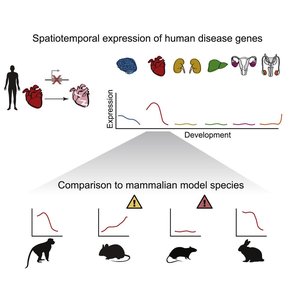
Spatiotemporal Expression: Genes are expressed at different levels in different tissues and developmental stages, often compared across model organisms to understand disease mechanisms.
Mechanisms of Tissue-Specific Gene Expression
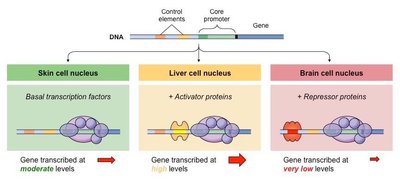
Basal Transcription Factors: Present in all cells, allow moderate gene expression.
Activator Proteins: Bind to enhancers in specific tissues (e.g., liver), increasing gene expression.
Repressor Proteins: Inhibit gene expression in tissues where the gene should be silent (e.g., brain).
Stem Cells and Differentiation
Types of Stem Cells
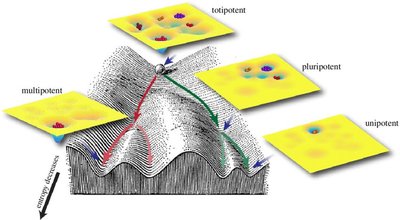
Stem cells are undifferentiated cells with the capacity for self-renewal and differentiation into specialized cell types. Their potency decreases as development progresses:
Totipotent: Can give rise to all cell types, including extraembryonic tissues (e.g., zygote).
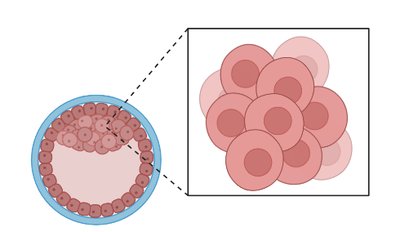
Pluripotent: Can form all cell types of the body but not extraembryonic tissues (e.g., embryonic stem cells).
Multipotent: Differentiate into a limited range of cell types within a tissue (e.g., hematopoietic stem cells).
Unipotent: Can produce only one cell type but retain self-renewal (e.g., epidermal stem cells).
Stem Cell Differentiation and Lineage Commitment
During development, stem cells undergo a series of fate decisions, leading to the formation of specialized cells and tissues. This process is regulated by intrinsic (lineage) and extrinsic (positional) signals.
Specification: The fate of embryonic cells is determined by inherited or environmental cues.
Determination: Cells commit to a specific developmental pathway.
Differentiation: Cells acquire specialized structures and functions.
Developmental Potency Landscape
The Waddington epigenetic landscape illustrates how cell potency decreases as cells differentiate, moving from totipotency to unipotency.
Maternal-Zygotic Transition (MZT) and Embryonic Genome Activation (EGA)
Transition from Maternal to Zygotic Control
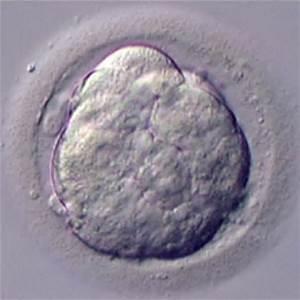
Early embryonic development is initially controlled by maternal mRNAs and proteins stored in the egg. The maternal-zygotic transition (MZT) marks the point when the embryonic genome becomes transcriptionally active.
Timing: Mouse (2-cell), Human (4-cell), Bovine (4-8 cell).
Developmental Arrest: Can occur if transcription is inhibited during this transition.
Germ Layer Formation and Cell Fate
Three Primary Germ Layers
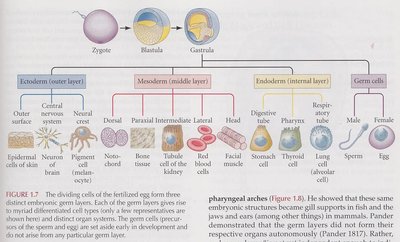
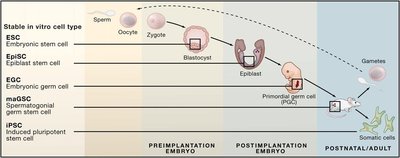
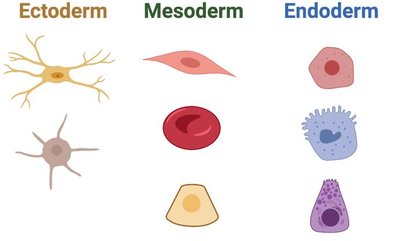
During gastrulation, the embryo forms three germ layers, each giving rise to specific tissues and organs:
Ectoderm: Epidermis, nervous system, sensory organs.
Mesoderm: Muscle, bone, blood, kidneys, connective tissue.
Endoderm: Epithelial lining of the gut and respiratory tract, liver, pancreas.
Germ Cells: Primordial germ cells (PGCs) form sperm or eggs, segregated early in development.
Genetic and Epigenetic Regulation of Development
Epigenetic Mechanisms
Epigenetic regulation involves heritable changes in gene expression without altering the DNA sequence. Key mechanisms include:
DNA Methylation: Addition of methyl groups to CpG dinucleotides, generally repressing gene expression.
Histone Modifications: Acetylation, methylation, phosphorylation, and ubiquitination of histone proteins affect chromatin structure and gene accessibility.
Non-coding RNAs: Regulate gene expression post-transcriptionally.
Epigenetic Reprogramming in Early Embryogenesis
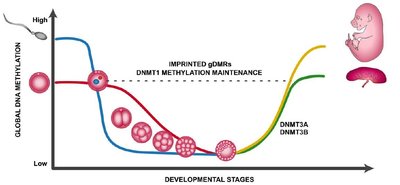
After fertilization, the zygote undergoes global DNA demethylation, except for imprinted regions. De novo methylation patterns are established after implantation, essential for cell identity and development.
Paternal Genome: Actively demethylated by TET3.
Maternal Genome: Passively demethylated due to DNMT1 dilution.
Imprints: Maintained in somatic cells, erased and re-established in germ cells.
Applications of Pluripotent Stem Cells (PSCs)
Regenerative Medicine and Cell Therapy
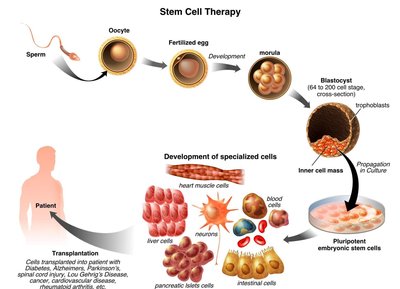
Pluripotent stem cells (PSCs), including embryonic stem cells (ESCs) and induced pluripotent stem cells (iPSCs), have significant applications in regenerative medicine, drug discovery, and disease modeling.
Stem Cell Therapy: Transplantation of PSC-derived cells to treat diseases such as diabetes, neurodegenerative disorders, and heart disease.
iPSCs: Patient-specific reprogrammed cells reduce immune rejection risks.
Ethical Concerns: Use of human embryos in ESC research remains controversial.
Epigenetic Reprogramming and Cell Identity
Epigenetic reprogramming enables the conversion of differentiated cells into pluripotent or other specialized cell types. This process involves resetting DNA methylation and chromatin states, allowing previously silenced genes to be reactivated.
Transcription Factors (e.g., OSKM): Used to induce pluripotency in somatic cells.
CRISPR-Cas9: Can activate endogenous pluripotency genes for direct reprogramming.
Patterning and Morphogenesis
Body Plan Formation
Patterning and morphogenesis are fundamental processes that establish the spatial organization and structure of tissues and organs during development. The anterior-posterior and dorsal-ventral axes are set early by maternal mRNA localization and cell signaling.
Maternal-Effect Genes: Establish gradients (e.g., Bicoid, Nanos) that regulate zygotic gene expression.
Segmentation Genes: Gap, pair-rule, and segment polarity genes subdivide the embryo into segments.
Homeotic (Hox) Genes: Specify segment identity and control body patterning in all animals.
Hox Genes and Evolutionary Conservation
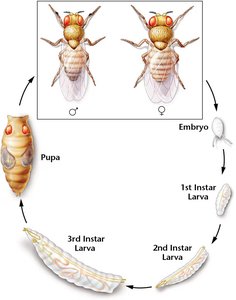
Hox genes are highly conserved transcription factors that determine the identity of body segments along the anterior-posterior axis. Their physical order on the chromosome reflects their spatial and temporal expression (colinearity rule).
Orthologs: Hox genes in different species derived from a common ancestor.
Paralogs: Duplicated Hox genes within a species, often with redundant functions.
Mutations: Can cause homeotic transformations, such as legs in place of antennae (Antennapedia) or extra wings (Ultrabithorax).
Model Organisms in Developmental Genetics
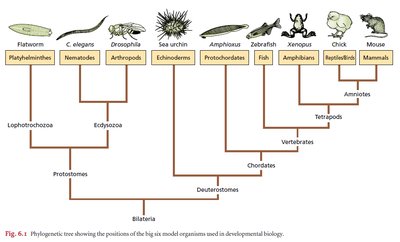
Model organisms such as mouse, chick, Xenopus, zebrafish, Drosophila, and C. elegans are used to study conserved developmental mechanisms. These species provide insights into gene function, patterning, and morphogenesis relevant to human biology.
Bioinformatics and Genome Databases
Bioinformatics is essential for analyzing large-scale genetic data, identifying gene regulatory elements, and comparing genomes across species. Major databases include NCBI GenBank, Ensembl, and UCSC Genome Browser.
Applications: Breed identification, ancestry, health risk assessment, and trait analysis in humans and animals.
Annotation: Identification of gene regulatory elements using computational tools.
Summary Table: Types of Stem Cells and Their Potency
Stem Cell Type | Potency | Example |
|---|---|---|
Totipotent | All cell types, including extraembryonic | Zygote |
Pluripotent | All body cell types | Embryonic stem cell |
Multipotent | Multiple cell types within a tissue | Hematopoietic stem cell |
Unipotent | One cell type | Epidermal stem cell |
Key Terms
Maternal-Zygotic Transition (MZT): Shift from maternal to embryonic genome control.
Epigenetic Reprogramming: Erasure and re-establishment of epigenetic marks during development.
Homeotic Genes: Genes that determine segment identity in animals.
Pluripotency: Ability of a stem cell to differentiate into all cell types of the body.
