 Back
DNA Forensics: Techniques, Interpretation, and Ethical Issues
Study Guide - Smart Notes
 Tailored notes based on your materials, expanded with key definitions, examples, and context.
DNA Forensics
Introduction to DNA Forensics
DNA forensics is the application of genetic techniques and technologies to inform legal proceedings, including criminal investigations, identification of remains, and verification of biological relationships. It is a powerful tool that can provide critical evidence, but must be interpreted accurately and used alongside other investigative methods.
Key Point 1: DNA evidence can confirm or exclude the presence of a suspect at a crime scene.
Key Point 2: DNA can be used for species verification in food, identification of remains, and paternity/maternity testing.
Example: DNA from a crime scene can exonerate individuals wrongly accused.

Role of DNA in Investigations
DNA forensics is only one part of an overall investigation. Its results must be interpreted carefully and should not be the sole piece of evidence. DNA analysis can be extremely important in certain cases, such as missing persons or violent crimes.
Key Point 1: DNA evidence must be corroborated with other investigative findings.
Key Point 2: Human error or tampering can affect DNA evidence reliability.
DNA Techniques Used in Forensics
Variable Number Tandem Repeats (VNTRs)
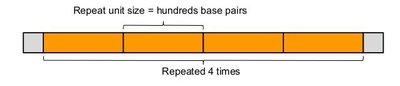
VNTRs are DNA sequences that vary in length between individuals due to the number of repeated units. They are also known as minisatellites and typically range from 15 to 100 base pairs. VNTR analysis was one of the original methods used in DNA forensics.
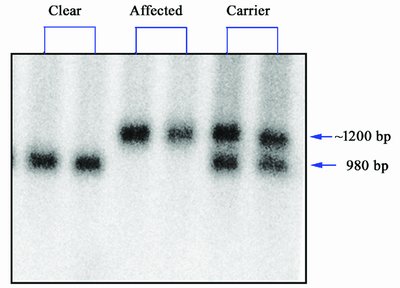
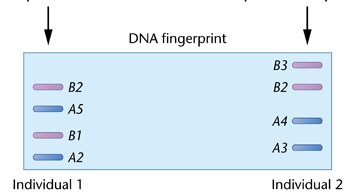
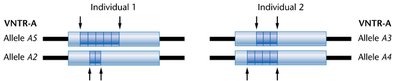
Key Point 1: VNTRs are highly variable and multiple alleles are possible based on repeat length.
Key Point 2: VNTR analysis requires a large DNA sample and involves restriction enzyme digestion, gel electrophoresis, Southern blotting, and hybridization with radioactive probes.
Example: VNTRs can distinguish between individuals based on their unique repeat patterns.

Short Tandem Repeats (STRs)
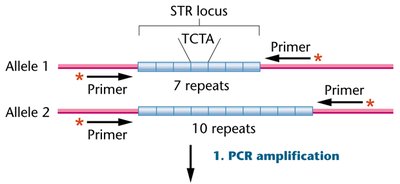
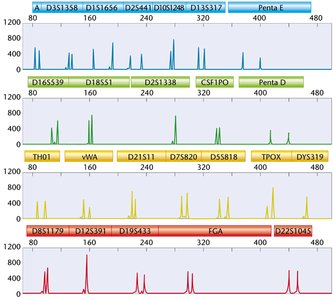
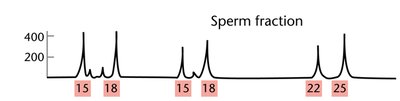
STRs, also known as microsatellites, are DNA sequences with repeat units of 2 to 6 base pairs. STR analysis is widely used in modern forensic investigations due to its high sensitivity and ability to use small DNA samples.
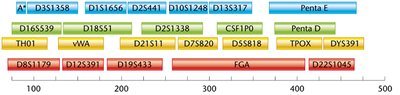
Key Point 1: STRs are highly variable and multiple loci are analyzed for individual identification.
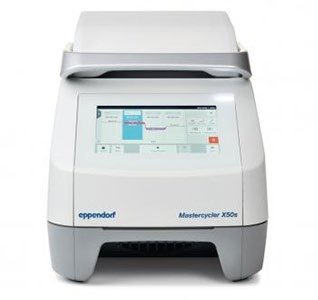
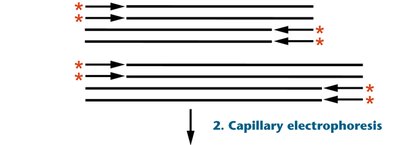
Key Point 2: STRs are amplified using polymerase chain reaction (PCR) and separated by capillary electrophoresis, often using fluorescent labels.
Example: Law enforcement databases contain STR profiles for comparison in criminal cases.

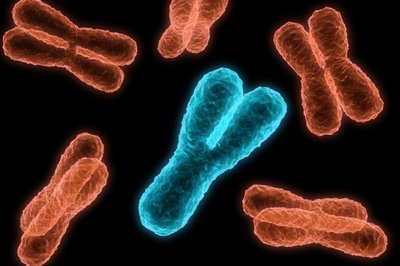
Y Chromosome STRs
STRs on the Y chromosome are used in cases involving multiple male suspects or when female DNA contamination is present. Y-STRs are inherited paternally and do not distinguish between male relatives such as fathers, sons, or brothers.
Key Point 1: Y-STRs are useful in rape cases and missing persons investigations.
Key Point 2: Y-STRs show little or no recombination, making them stable for lineage analysis.
Mitochondrial DNA Profiling
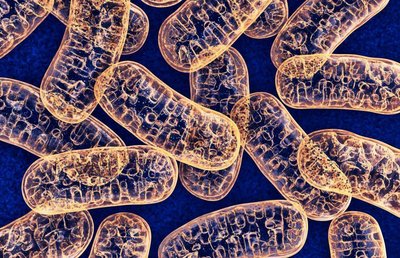
Mitochondrial DNA (mtDNA) is inherited maternally and exists in many copies per cell, making it useful for analyzing old or degraded samples. mtDNA profiling can identify remains if reference samples from maternal relatives are available.
Key Point 1: mtDNA is stable and shows little recombination.
Key Point 2: mtDNA profiling is valuable in missing persons and historical cases.
Single Nucleotide Polymorphisms (SNPs)
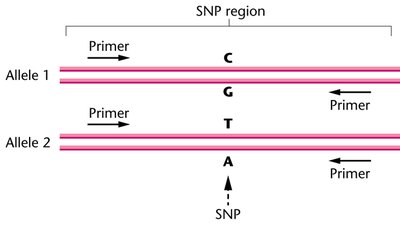
SNPs are single nucleotide differences between individuals. SNP analysis can be performed on very short DNA fragments, making it useful for degraded samples, though it is not widely used in forensic casework.
Key Point 1: SNPs provide high-resolution genetic information.
Key Point 2: SNP analysis is limited to small regions and is less common in forensic practice.
DNA Phenotyping
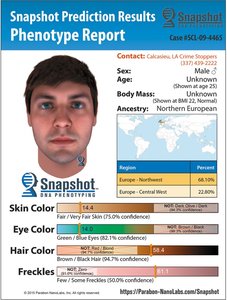
DNA phenotyping uses genetic information to predict physical traits such as eye, hair, and skin color. This technology is emerging and may provide additional investigative leads.
Key Point 1: DNA phenotyping can predict visible characteristics from DNA.
Key Point 2: Its use in legal proceedings is subject to ethical debate.
Interpretation of DNA Profiles in Criminology
Comparing DNA Samples
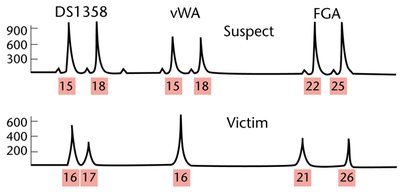
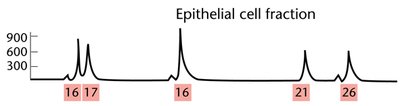
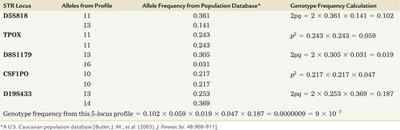
DNA profiles are compared to determine whether a suspect was present at a location, whether a sample belongs to a suspect, or whether a sample excludes a suspect. The probability of a match by chance is calculated using population genetics principles.
Key Point 1: DNA profiles are matched based on allele frequencies at multiple loci.
Key Point 2: Identical twins have identical DNA profiles, making differentiation impossible by standard methods.
DNA Databases
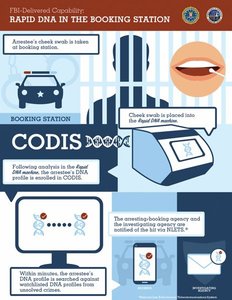
DNA databases such as the Combined DNA Index System (CODIS) store STR profiles from convicted offenders and crime scenes. Commercial databases (e.g., 23andMe, Ancestry) also exist, raising privacy concerns.
Key Point 1: CODIS contains information for 13 core STR loci.
Key Point 2: DNA profiles are searched against databases for investigative purposes.
Ethical and Technical Issues in DNA Forensics
Limitations of DNA Evidence
DNA evidence is not always available, and samples may be degraded or contaminated. Interpretation can be difficult, and the process requires time and resources. Human error and tampering can compromise results.
Key Point 1: Degraded DNA may limit analysis options.
Key Point 2: Sample switching or tampering can lead to false conclusions.
Ethical Issues in DNA Forensics
Ethical concerns include who should have access to DNA data, whether samples should be collected with or without consent, and the legality of pursuing partial matches. The use of DNA phenotyping as evidence is also debated.
Key Point 1: Privacy and consent are major ethical considerations.
Key Point 2: The scope of DNA evidence in legal proceedings is subject to ongoing debate.
Issue | Explanation |
|---|---|
Access to DNA Data | Should be restricted to authorized personnel; privacy concerns for individuals. |
Sample Collection | Should require consent or a warrant; ethical issues with covert collection. |
Partial Matches | Legal and ethical implications of pursuing partial DNA matches. |
DNA Phenotyping | Debate over its admissibility and reliability as evidence. |
