 Back
DNA Sequencing Technologies and Applications in Genetics
Study Guide - Smart Notes
 Tailored notes based on your materials, expanded with key definitions, examples, and context.
DNA Sequencing Technologies
Introduction to DNA Sequencing
DNA sequencing is a fundamental technique in genetics that determines the precise order of nucleotides within a DNA molecule. Modern sequencing technologies have revolutionized genetic research, enabling rapid and cost-effective analysis of entire genomes.
DNA Sequencing: The process of determining the nucleotide sequence of DNA.
Applications: Used in genomics, medical diagnostics, evolutionary biology, and personalized medicine.

Next Generation Sequencing (NGS)
Next Generation Sequencing (NGS) refers to advanced sequencing technologies that allow simultaneous sequencing of millions of DNA fragments, surpassing traditional Sanger sequencing in speed and throughput.
Definition: NGS encompasses any modern sequencing technology that is not Sanger sequencing.
Key Features: High throughput, rapid sequencing, and ability to sequence multiple DNA molecules at once.
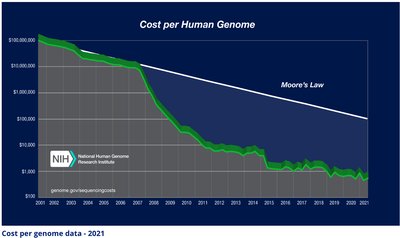
Cost of NGS Sequencing
The cost of sequencing the human genome has dramatically decreased over the past two decades, making large-scale genomic studies feasible.
Historical Trend: Sequencing costs have dropped from millions of dollars to less than $1,000 per genome.
Impact: Enables widespread use in research and clinical settings.
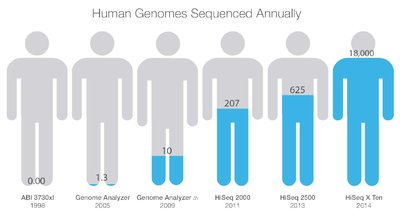
NGS Sequencing Advances
Advances in NGS technology have increased the number of human genomes sequenced annually, reflecting improvements in speed, efficiency, and accessibility.
Annual Output: Modern instruments can sequence thousands to tens of thousands of genomes per year.
Technological Progress: Newer platforms offer higher throughput and lower costs.
NGS Sequencing Technology: Workflow and Instrumentation
NGS Workflow Overview
The typical workflow for sequencing a human tissue sample using NGS involves several key steps:
DNA Isolation: Extract DNA from the tissue sample.
Fragmentation: Break DNA into smaller pieces (~200-500 bp).
Adapter Ligation: Add adapters to DNA fragments for identification and amplification.
PCR Amplification: Amplify the DNA library.
Attachment to Slide: Bind DNA fragments to a solid support (flow cell).
Cluster Generation: Amplify DNA clusters by PCR.
Sequencing by Synthesis: Use cycles of extension with reversible terminators to read DNA sequence.
Data Analysis: Align sequences to reference genome and interpret results.
NGS Instrumentation: Flow Cells
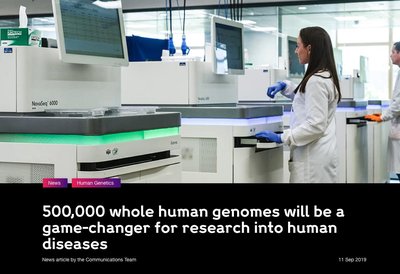
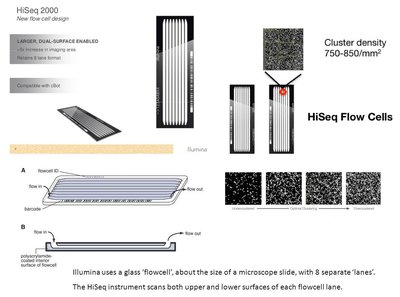
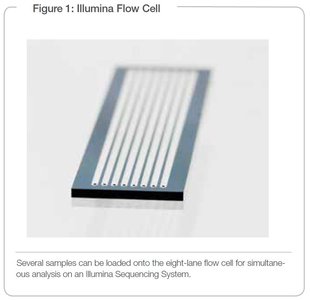
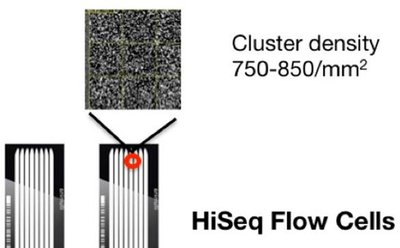
Flow cells are specialized glass slides used in NGS platforms to hold DNA samples for simultaneous sequencing.
Structure: Typically contain multiple lanes for parallel sample processing.
Cluster Density: High density of DNA clusters enables massive parallel sequencing.

NGS Sequencing Platforms
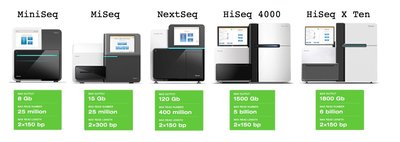
Several NGS platforms are available, each with varying throughput and read lengths.
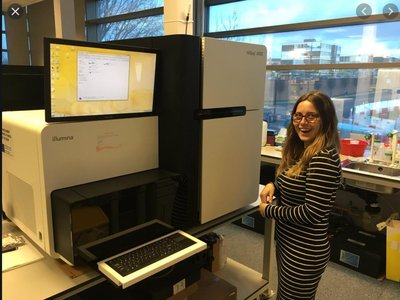
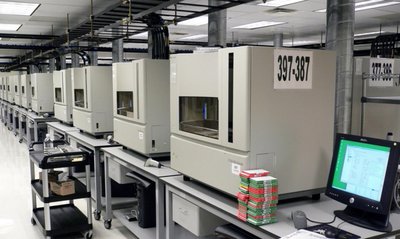
MiniSeq, MiSeq, NextSeq, HiSeq 4000, HiSeq X Ten: Instruments differ in capacity, number of reads, and read length.
Illumina: Leading manufacturer of NGS platforms.

Comparison of DNA Sequencing Methods
Sequencing Methods Table
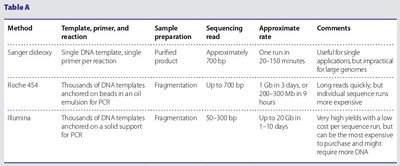
The following table compares Sanger, Roche 454, and Illumina sequencing methods based on template, sample preparation, read length, rate, and comments.
Method | Template, primer, and reaction | Sample preparation | Sequencing read | Approximate rate | Comments |
|---|---|---|---|---|---|
Sanger dideoxy | Single DNA template, single primer per reaction | Purified product | Approximately 700 bp | One run in 20–150 minutes | Useful for single applications but impractical for large genomes |
Roche 454 | Thousands of DNA templates on beads in an oil emulsion for PCR | Fragmentation | Up to 700 bp | 1 GB in 3 days, or 200–300 MB in 8 hours | Low reads quickly, but individual sequence runs more expensive |
Illumina | Thousands of DNA templates anchored on a solid support for PCR | Fragmentation | 50–300 bp | Up to 20 GB in 1–10 days | High yields with a low cost per sequence run, but can be more expensive to capture short reads and might require more DNA |
NGS Key Innovations
Technological Innovations in NGS
NGS technologies have introduced several innovations that enhance sequencing accuracy and efficiency.
High Resolution Photographic Detectors: Enable precise detection of fluorescent signals during sequencing.
Reversible Fluorescent Terminators: Allow repeated cycles of sequencing by synthesis, increasing throughput.
NGS Applications in Genetics and Medicine
Precision Medicine and Targeted Therapies
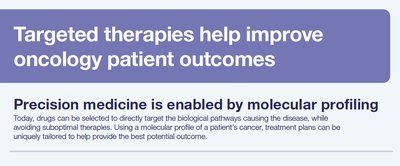
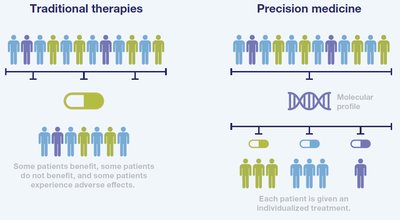
NGS enables molecular profiling, which is essential for precision medicine. This approach tailors treatments to individual genetic profiles, improving patient outcomes.
Traditional Therapies: Apply the same treatment to all patients, resulting in variable effectiveness.
Precision Medicine: Uses genetic information to customize therapy for each patient.
Impact on Cancer Treatment
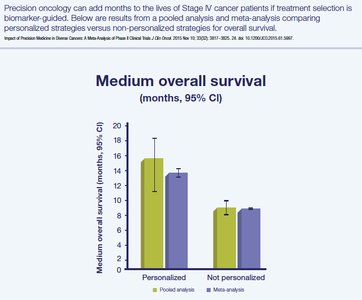
Personalized strategies based on NGS data can significantly improve survival rates for cancer patients compared to non-personalized approaches.
Biomarker-Guided Treatment: Selection of therapies based on genetic biomarkers increases effectiveness.
Survival Benefit: Personalized medicine adds months to overall survival in advanced cancer cases.
Development of Targeted Medicines
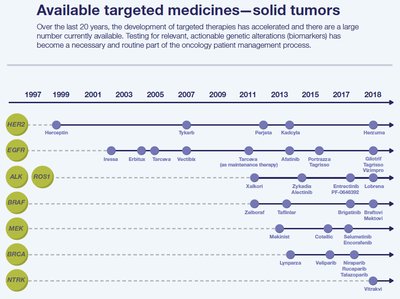
The development of targeted therapies for solid tumors has accelerated, with many drugs now available that target specific genetic alterations.
Genetic Biomarkers: Testing for actionable genetic alterations is routine in oncology patient management.
Timeline: Numerous targeted drugs have been introduced since 1997, each associated with specific genetic markers.
Conclusion
DNA sequencing technologies, especially NGS, have transformed genetics by enabling rapid, cost-effective, and high-throughput analysis of genomes. These advances support precision medicine, improve disease diagnosis and treatment, and drive the development of targeted therapies. Understanding these technologies is essential for modern geneticists and healthcare professionals.
