Back
BackExtensions to the Basic Principles of Heredity: Sex Determination, Sex-Linked Traits, and Gene Interactions
Study Guide - Smart Notes
 Tailored notes based on your materials, expanded with key definitions, examples, and context.
Extensions to the Basic Principles of Heredity
Sex Determination Mechanisms
Sex determination refers to the biological system that determines the development of sexual characteristics in an organism. Multiple mechanisms exist across the tree of life, including chromosomal, genic, and environmental systems.
Chromosomal Sex Determination: Sex is determined by specific combinations of sex chromosomes.
Genic Sex Determination: Sex is determined by specific genes, not distinct sex chromosomes.
Environmental Sex Determination: Environmental factors, such as temperature, influence sex determination.
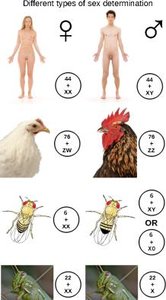
Chromosomal Systems
XX-XY System: Found in mammals, some insects, plants, and reptiles. Females are XX (homogametic), males are XY (heterogametic).
ZZ-ZW System: Found in birds, some reptiles, butterflies, amphibians, and fish. Females are ZW (heterogametic), males are ZZ (homogametic).
XX-XO System: Found in some insects (e.g., grasshoppers). Females are XX, males are XO (only one sex chromosome).
Genic Sex Determination
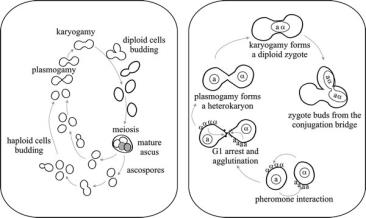
In some species, sex is determined by specific genes rather than distinct sex chromosomes. This is common in fungi, some plants, and some fish.
Environmental Sex Determination
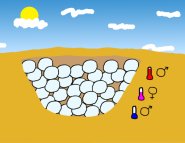
In certain species, environmental factors such as temperature during critical periods of development determine sex. For example, in some reptiles, incubation temperature of eggs determines whether the offspring will be male or female.
Sex Determination in Humans
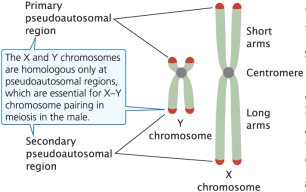
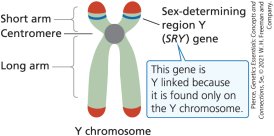
In humans, sex is determined by the presence or absence of the Y chromosome. The SRY gene on the Y chromosome triggers male development. The X chromosome contains genes essential for both sexes, and at least one X is required for viability.
SRY Gene: The sex-determining region of the Y chromosome; initiates male development.
Pseudoautosomal Regions: Homologous regions on X and Y chromosomes that allow pairing during meiosis.
Sex Chromosome Aneuploidies in Humans
Abnormal numbers of sex chromosomes can result from improper segregation during meiosis, leading to syndromes such as Turner (XO), Klinefelter (XXY), and Poly-X (XXX, XXXX, XXXXX).
Turner Syndrome (XO): Female traits, short stature, broad chest, neck folds.
Klinefelter Syndrome (XXY, XXYY, XXXY): Male traits, tall, small testes, reduced facial and pubic hair.
Poly-X Females (XXX, XXXX, XXXXX): Female traits, tall and thin.
XYY Males: Male traits, tall stature.
Sex Determination in Drosophila (Fruit Flies)
In Drosophila melanogaster, sex is determined by the ratio of X chromosomes to sets of autosomes (X:A ratio):
Sex-chromosome complement | Haploid sets of autosomes | X:A ratio | Sexual phenotype |
|---|---|---|---|
XX | AA | 1.0 | Female |
XY | AA | 0.5 | Male |
XO | AA | 0.5 | Male |
XXY | AA | 1.0 | Female |
XXX | AA | 1.5 | Metafemale |
XX | AAA | 0.67 | Intersex |
Sex-Linked Traits
Sex-linked traits are determined by genes located on the sex chromosomes, most commonly the X chromosome. These traits often display unique inheritance patterns due to the difference in chromosome composition between males and females.
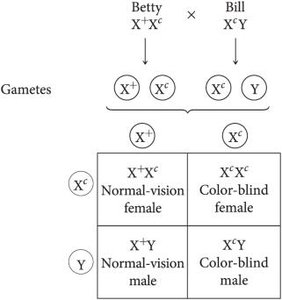
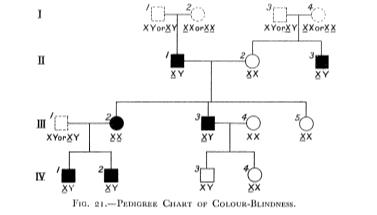
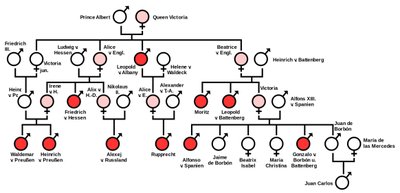
X-linked Traits: Traits such as color blindness and hemophilia are inherited on the X chromosome. Males are more frequently affected because they have only one X chromosome.
Y-linked Traits: Traits determined by genes on the Y chromosome, passed from father to all sons.
Dosage Compensation and X Inactivation
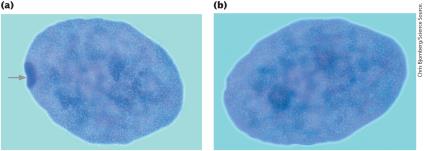
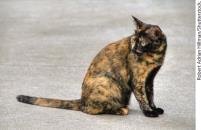
Dosage compensation equalizes the expression of X-linked genes between males (XY) and females (XX). In placental mammals, one X chromosome in females is randomly inactivated, forming a Barr body. This process is described by the Lyon hypothesis.
Barr Body: Inactivated X chromosome visible in the nucleus of female cells.
Lyon Hypothesis: All but one X chromosome is inactivated in each cell; inactivation is random and permanent in descendants.
Degrees of Dominance
Alleles can interact in different ways to produce varying phenotypes in heterozygotes.
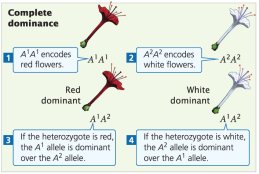
Complete Dominance: Heterozygote phenotype is identical to one of the homozygotes.
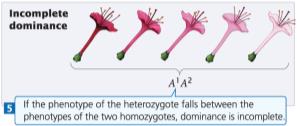
Incomplete Dominance: Heterozygote phenotype is intermediate between the two homozygotes.
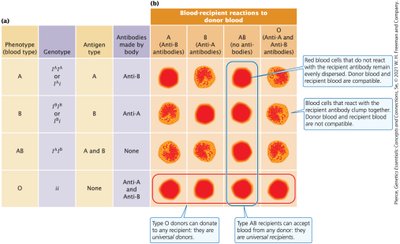
Codominance: Both alleles are fully expressed in the heterozygote (e.g., ABO blood types).
Human Hair Texture Example
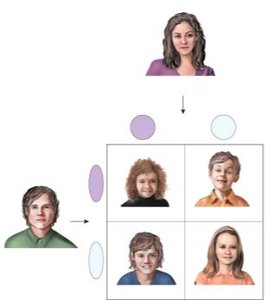
Human hair texture is influenced by two incompletely dominant alleles: C1 (curly) and C2 (straight). Heterozygotes (C1C2) have wavy hair.
Penetrance and Expressivity
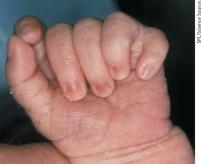
Penetrance is the percentage of individuals with a genotype who express the expected phenotype. Expressivity is the degree to which a trait is expressed. Both concepts explain why individuals with the same genotype may show different phenotypes.
Incomplete Penetrance: Not all individuals with the genotype show the phenotype.
Variable Expressivity: Individuals with the same genotype show the trait to different extents.
Lethal Alleles
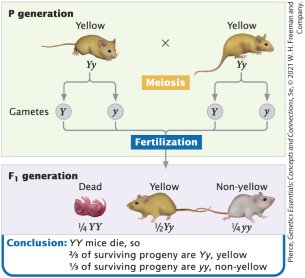
Some alleles are lethal when present in certain genotypes, altering expected Mendelian ratios. For example, the yellow coat color allele in mice is dominant for color but recessive lethal for viability, resulting in a 2:1 ratio of yellow to non-yellow offspring.
Multiple Alleles and ABO Blood Types
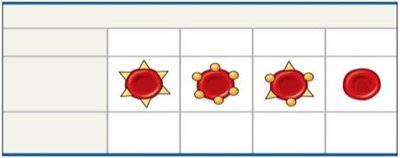
Many genes have more than two alleles in a population. The human ABO blood group is determined by three alleles (IA, IB, i), with IA and IB codominant and both dominant to i. Blood type is determined by the combination of these alleles.
Gene Interactions and Epistasis
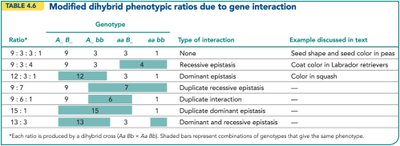
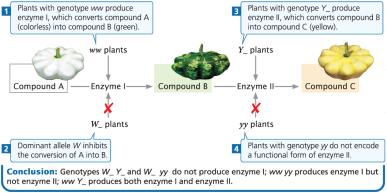
Gene interactions occur when alleles at different loci interact to affect a single trait. Epistasis is when one gene masks the effect of another gene.
Recessive Epistasis: Homozygous recessive at one locus masks expression at another locus (9:3:4 ratio).
Dominant Epistasis: A single dominant allele at one locus masks expression at another locus (12:3:1 ratio).
Cytoplasmic Inheritance
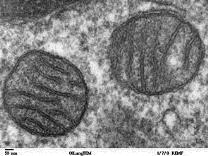
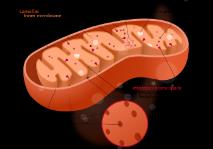
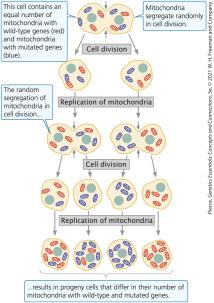
Some traits are inherited through genes in the cytoplasm, typically in mitochondria or chloroplasts. In humans, mitochondrial DNA is inherited maternally, and random segregation during cell division leads to variation in mitochondrial genotype among offspring.
Genomic Imprinting (Epigenetics)
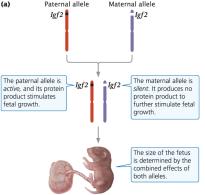
Genomic imprinting is an epigenetic phenomenon where the expression of a gene depends on whether it is inherited from the mother or the father. For example, the Igf2 gene is only expressed from the paternal allele in both mice and humans.
Environmental Effects on Phenotype
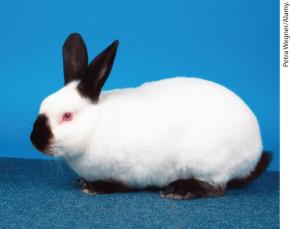
Environmental factors can influence gene expression and phenotype. For example, soil pH affects hydrangea flower color, and temperature-sensitive alleles can alter fur color in animals such as Himalayan rabbits.