 Back
Gene Mutation, DNA Repair, and Transposition: Study Notes for Genetics
Study Guide - Smart Notes
 Tailored notes based on your materials, expanded with key definitions, examples, and context.
Gene Mutation, DNA Repair, and Transposition
Introduction to Mutation and Genetic Variation
Mutations are fundamental to genetic variation and evolution. They alter DNA sequences, leading to new alleles and phenotypic diversity. While mutations can drive adaptation and evolution, they may also cause genetic diseases, cancer, or cell death.
Mutation: An alteration in the DNA sequence, which may or may not affect phenotype.
Gene mutations: Source of new alleles and genetic variation in populations.
Phenotypic effects: Mutations can result in abnormal, partially functional, or nonfunctional protein products, leading to altered phenotypes.
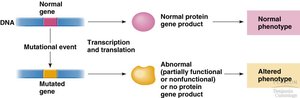
Classification of Mutations
By Molecular Change
Mutations are classified based on the type of molecular change:
Point mutation (base substitution): Change from one base pair to another.
Missense mutation: New triplet codes for a different amino acid.
Nonsense mutation: Triplet codes for a stop codon, terminating translation prematurely.
Silent mutation: New triplet codes for the same amino acid.
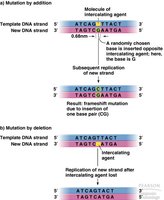
Frameshift mutation: Insertions or deletions alter the reading frame, often severely affecting protein function.
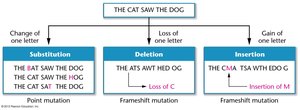
By Phenotypic Effects
Loss-of-function mutations: Reduce or eliminate protein function.
Gain-of-function mutations: Enhance or confer new activity.
Visible (morphological) mutations: Affect physical traits.
Nutritional (biochemical) mutations: Affect metabolic pathways.
Behavioral mutations: Affect behavior.
Regulatory mutations: Affect gene expression.
Lethal mutations: Cause death.
Conditional mutations: Expressed only under certain conditions (e.g., temperature-sensitive).
Neutral mutations: No detectable effect on phenotype.
By Location
Somatic mutations: Occur in non-germ cells; not heritable.
Germ-line mutations: Occur in gametes; heritable.
Autosomal mutations: Located on autosomes.
X-linked and Y-linked mutations: Located on sex chromosomes.
Spontaneous and Induced Mutations
Mutations can arise naturally (spontaneous) or be caused by external factors (induced).
Spontaneous mutations: Linked to normal biological or chemical processes, often during DNA replication.
Induced mutations: Result from exposure to mutagens such as radiation, chemicals, or toxins.
Mechanisms of Spontaneous Mutation
DNA Replication Errors and Slippage
DNA polymerase may insert incorrect nucleotides during replication, leading to point mutations. Replication slippage, especially in repeated sequences, can cause insertions or deletions, resulting in frameshift mutations.
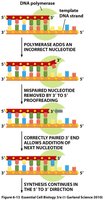
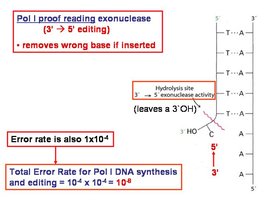
Tautomeric Shifts
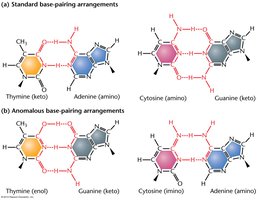
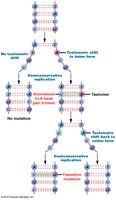
Pyrimidines and purines can exist in tautomeric forms, which differ by a proton shift. Tautomeric shifts can cause non-complementary base pairing, leading to permanent mutations.
Keto-enol forms: Thymine and guanine.
Amino-imino forms: Adenine and cytosine.
Depurination and Deamination
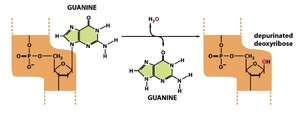
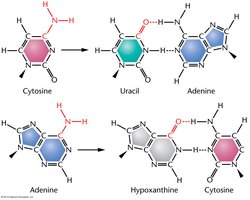
Depurination is the loss of a purine base, while deamination converts cytosine to uracil and adenine to hypoxanthine. These changes can result in incorrect base pairing during replication.
Oxidative Damage
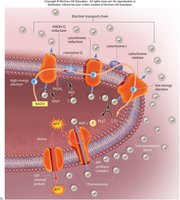
Reactive oxygen species (superoxides, hydroxyl radicals, hydrogen peroxide) generated during cellular metabolism or by environmental factors can damage DNA, leading to mutations.
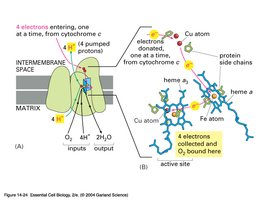
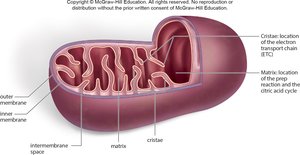
Cytochrome oxidase: Enzyme in mitochondria that catalyzes O2 reduction, producing superoxide radicals.
Superoxide dismutase: Enzyme that detoxifies superoxide radicals.
Induced Mutations and Mutagens
Mutagens are agents that induce mutations. They include physical (radiation, UV light) and chemical (intercalating agents, industrial pollutants) factors.
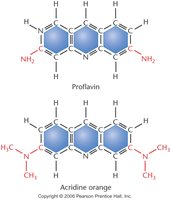
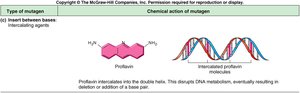
Intercalating agents: Flat molecules (e.g., acridine orange, proflavin) that insert between DNA bases, causing frameshift mutations.
Physical Mutagens: UV Light
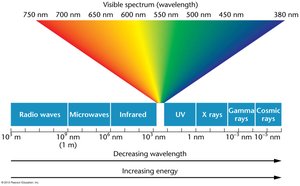
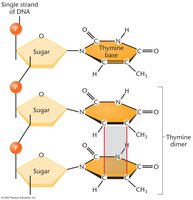
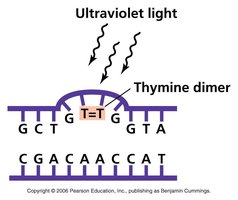
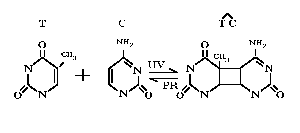
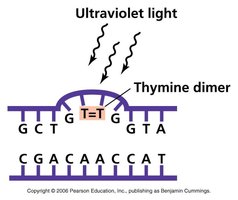
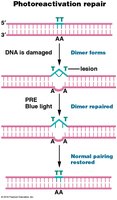
UV radiation is highly mutagenic, especially at wavelengths below 380 nm. It induces pyrimidine dimers (thymine-thymine or thymine-cytosine), which distort DNA and cause replication errors.
DNA Repair Mechanisms
Post-Replication Repair
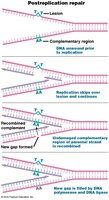
When DNA lesions escape repair and are not replicated, post-replication repair uses recombination to fill gaps with the correct sequence from the parental strand. DNA polymerase and ligase complete the repair.
SOS Repair System in Bacteria
The SOS repair system in E. coli is an emergency response to extensive DNA damage. It allows replication to proceed despite lesions, but is error-prone and can introduce mutations.
Photoreactivation Repair
Photoreactivation repair uses a photoreactivation enzyme (PRE) to cleave bonds between thymine dimers, restoring normal DNA structure. This mechanism is present in bacteria, fungi, plants, and some vertebrates, but not in humans.
Base and Nucleotide Excision Repair
Excision repair mechanisms remove damaged DNA and replace it with correct nucleotides. There are two types:
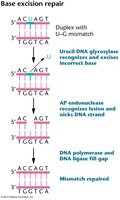
Base excision repair (BER): Corrects DNA containing a damaged base. Endonucleases cut the damaged DNA, DNA polymerase fills the gap, and ligase seals the ends.
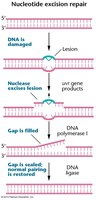
Nucleotide excision repair (NER): Repairs bulky lesions that distort the double helix. A segment containing the lesion is removed, and DNA polymerase and ligase complete the repair.
Summary Table: Types of Mutation and Repair Mechanisms
Type of Mutation | Mechanism | Repair System |
|---|---|---|
Point mutation | Base substitution | Base excision repair |
Frameshift mutation | Insertion/deletion | Nucleotide excision repair |
Pyrimidine dimer | UV-induced dimerization | Photoreactivation, NER |
Oxidative damage | Reactive oxygen species | BER, NER |
Intercalating agent-induced | Insertion between bases | NER |
Key Equations and Concepts
Mutation rate: Probability of mutation per gene per generation.
Proofreading error rate: per base, total error rate for Pol I DNA synthesis and editing:
Review Questions
What is mutation? How are mutation and evolution related?
Classify mutations based on the type of molecular change, phenotypic effects, and mutation locations.
What is the fundamental difference between spontaneous and induced mutations?
What is the tautomeric shift? How does it cause mutation in a DNA sequence?
How are tautomeric errors repaired?
Explain the mechanism of DNA damage by deamination, depurination, oxidative stress, and intercalating agents.
What are mutagens? List some common mutagens.
What are pyrimidine dimers? How do they cause DNA damage? How do cells repair DNA damage by dimerization?
What is photo-reactivation repairing of DNA? Explain the mechanism.
Explain the mechanisms of DNA repairing by base and nucleotide excision repairs.
